
Roborock Qrevo MaxV
7,000 Pa suction, dual spinning mop pads, and a FlexiArm that extends the mop to within 1.85 mm of walls. The RGB camera reads the environment before cleaning, not just around it. Dock 2.0 handles the rest between sessions.
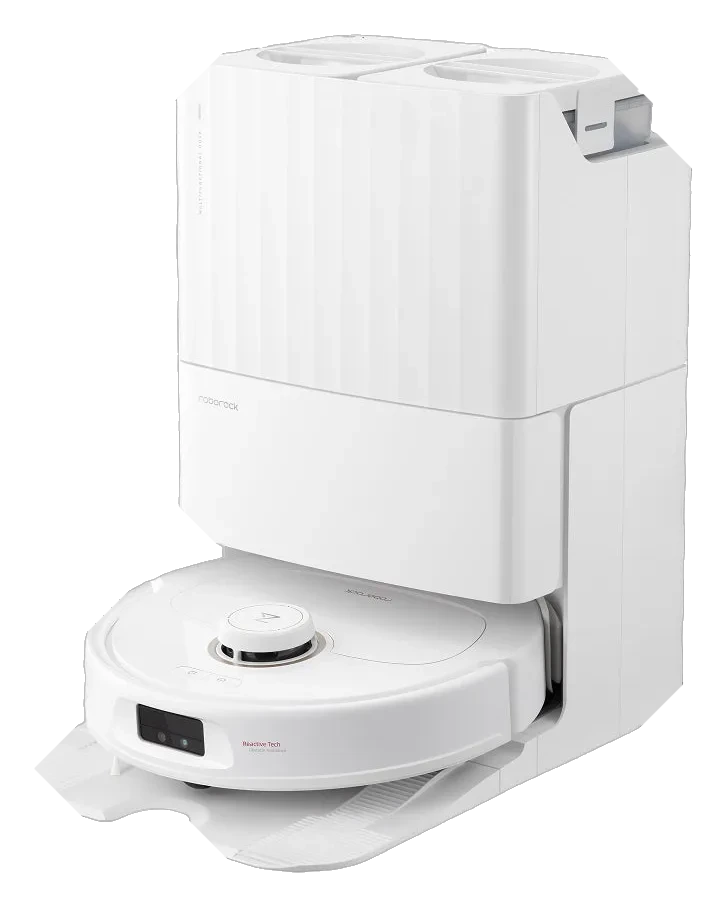
Will the Roborock Qrevo MaxV work in your home?
Describe your home using the controls. Each choice reads the spec sheet for you, flagging where the Roborock Qrevo MaxV is built for your space and where it isn’t.
A classification of fit for the conditions you set, not a recommendation. Verdicts describe engineering design intent, not test results.
Living with it.
Roborock's established Qrevo-line track record is the confidence anchor; camera-based avoidance adds minor uncertainty vs. sonar-only peers.
→ Stableowner-reported arc
Navigation and cleaning reliability follow the Roborock S-series and Qrevo-line pattern documented in owner reports through 2024-2025. Camera obstacle classification introduces occasional false-positive avoidance in low-contrast lighting, noted in owner community posts, but does not cause session failures.
Confirm dock auto-empty cycle completed; check app for obstacle alerts or skipped zones.
Inspect for hair tangles; clear brush guard if debris has accumulated.
Rinse dock wash tray and inlet to prevent -pad odor buildup.
Replace HEPA (roughly $15-25 per filter); inspect and swap if worn.
Clean LiDAR sensor window and with a dry cloth; check FlexiArm attachment for wear.
Inspect dock water reservoir seal and drainage path; verify dock electrical connections are dry.
Refill dock water reservoir when app alerts low level; update firmware via Roborock app when available.
$1,399 to buy, then about $33 a year for the replaceable parts below. Over three years that is roughly $99 past the sticker price. Excludes electricity and any repairs.
- Typical for robot vacuums: every 3-6 monthsWhere to buy Filter
Replacement cadence from the maintenance schedule; prices shown where the source documents them. Part links may earn a commission and do not influence the classification. All parts at Roborock
-
CautionDock water reservoir near power cableWater reservoir sits adjacent to dock electrical connections; avoid overfilling and inspect seal annually
-
RGB camera images the floor environment each run; review app privacy settings and data permissions
-
Hot-water dock cycle surface heatDock wash cycle reaches 60 degrees C; keep children and pets clear during active wash
The full spec sheet.
Priced above the category median, with every figure charted against the category below.
- FootprintThe width, depth and height of the robot itself, without its dock.
- 13.8 in dia · 4 in tall•
- WeightThe robot alone, without its dock, as the maker states it.
- 9.9 lbs
- BatteryStored energy in watt-hours; a larger pack runs longer, not harder.
- 75 Wh · Li-ion
- Wi-FiThe bands the robot can join; many models need a 2.4 GHz network to set up.
- Supported
- VoiceThe assistants the maker's app links to; the robot itself does not listen.
- Alexa, Google Home
- Onboard dustbinThe bin inside the robot; an auto-empty dock moves its contents into a bag.
- 330 mL•
- Mop liftHow far the mop pad rises when the robot crosses carpet.
- 10 mm✓
- Dust bagA bag inside the dock that the dock empties the robot's bin into; you replace the bag.
- 2.7 L✓
- Water tankThe clean-water tank that feeds the mop, on the robot or in the dock.
- 80 mL•
- Threshold climbThe tallest lip the robot is rated to cross; a door sill is about 0.8 in.
- 0.8 in•
LiDAR SLAM (PreciSense) + RGB camera + structured light obstacle classification
Position shows where the figure sits across the tracked category, not a quality judgment. Suction in Pascals has no standard test method, and the published figure is a peak-mode claim, so it is comparable only within a brand and generation.
How the assessment has moved.
Every announcement, release and reassessment behind the current classification.
-
Sep 2026 · AssessmentRecord status: Verified → Provisional
-
Aug 2026 · AssessmentRobovations Score rescored under v4.2: 75 → 85
-
Jul 2026 · AssessmentRobovations Score recorded at 75 of 100
-
Jul 2026 · AssessmentRecord status: Provisional → Verified
-
Apr 2024 · ReleaseLaunches commercially with self-cleaning dock integration
-
Apr 2024 · ReleaseLaunches in the US at $1,199.99 in April 2024
-
Jan 2024 · AnnouncementUnveiled at CES 2024 with FlexiArm mop system
How Roborock Qrevo MaxV compares.
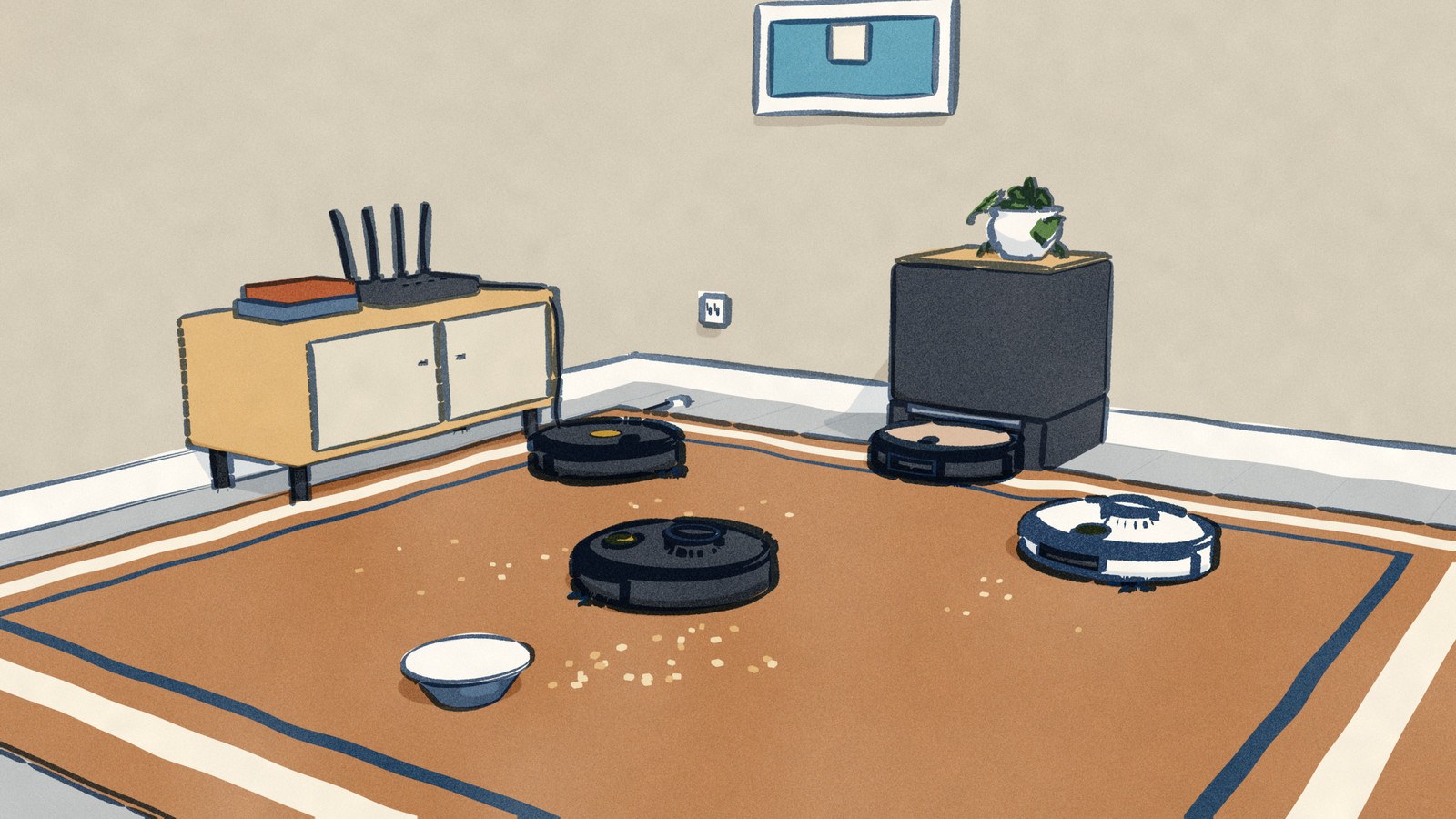
Which robot vacuums still clean when Wi-Fi is down?
Robot vacuums increasingly depend on cloud-connected apps for scheduling and mapping. This comparison checks what the Roomba 694, Roomba Combo j9+, Roborock S8 MaxV Ultra, and Roborock Qrevo MaxV document…
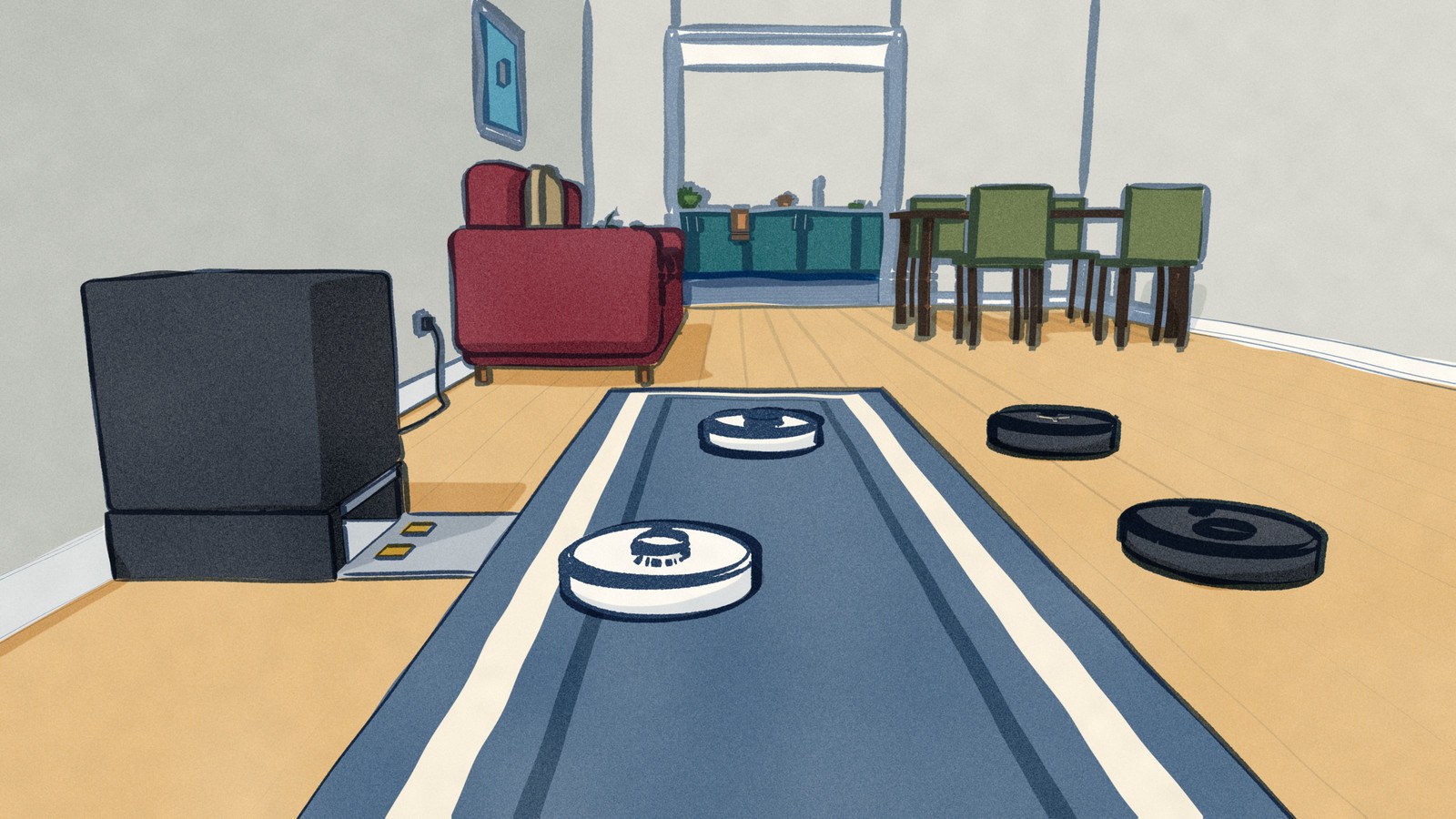
Do Robot Vacuums Cover 2,500 Sq Ft Without Recharging?
A 2,500 sq ft floor plan tests any robot vacuum's battery life. This comparison checks manufacturer-published runtime, battery capacity, charge time, and suction data for the Roborock Qrevo MaxV, Roborock…
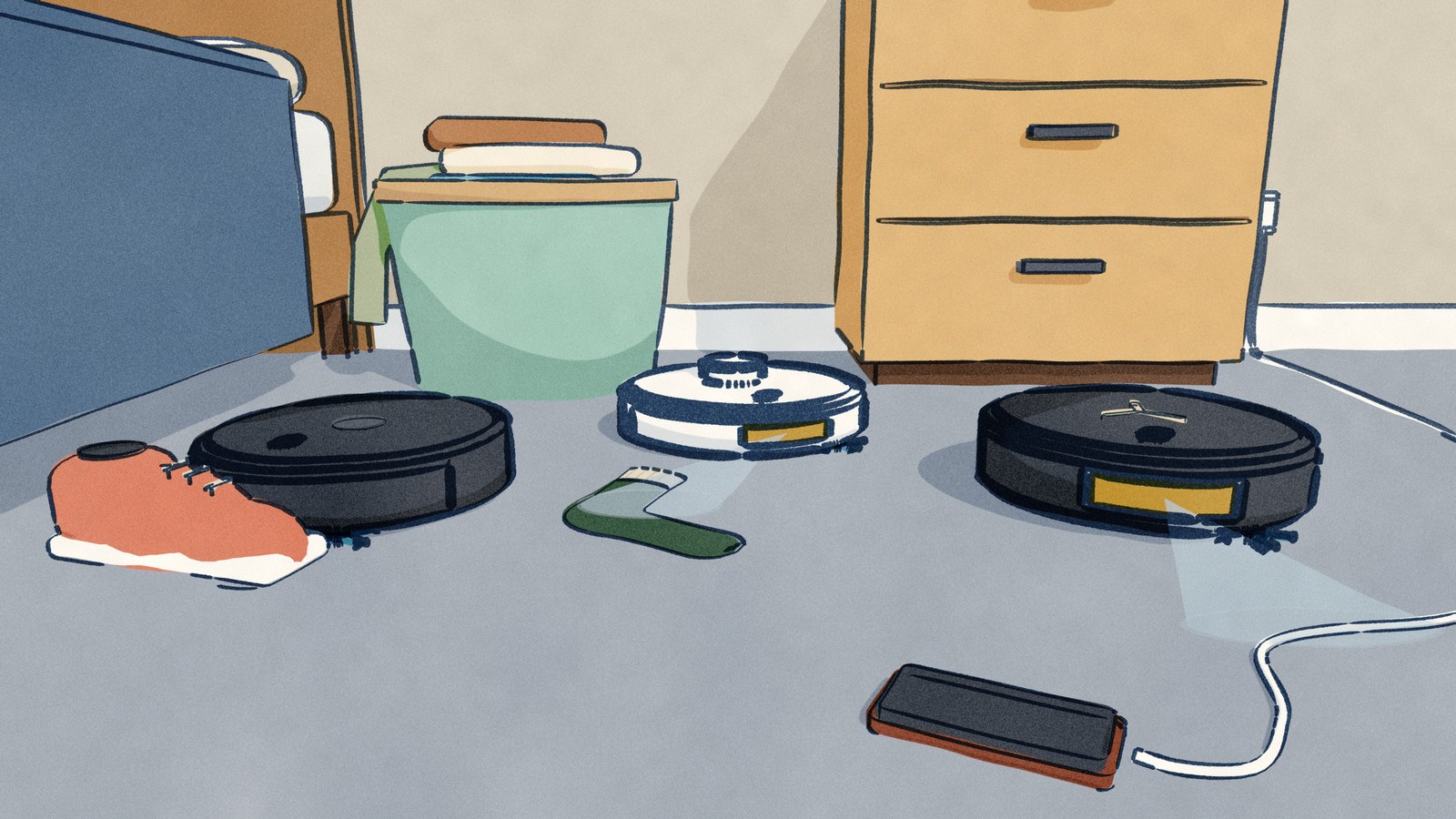
Do robot vacuums with cameras avoid obstacles better than bump sensors?
Robot vacuums avoid obstacles two ways: mechanical bump-and-turn sensors that react on contact, or onboard cameras that classify objects before reaching them. This comparison places the Roomba 694, Deebot X9…
What people actually ask.
OperationDoes the Qrevo MaxV FlexiArm pick up or move objects?
OperationHow does the Qrevo MaxV handle obstacles if it has no manipulation arm?
OperationDoes the Qrevo MaxV work without an internet connection once set up?
OperationWhat does the Dock 2.0 do that standard self-empty docks do not?
OperationHow does the Qrevo MaxV sit in Roborock's 2024 lineup?
ComparisonDoes the Qrevo MaxV's camera affect privacy differently than a standard LiDAR vacuum?

 III
III
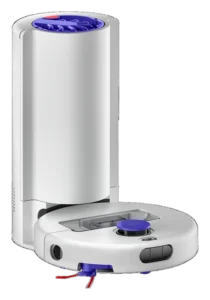
Dyson R1 Nurovi Dry
 III
III
Roborock Saros 20 Flow Complete
 III
III
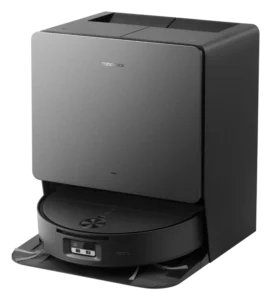
Dreame X50 Master

Where it's sold
We may earn commission from qualifying purchases. This does not influence classification.
We are no longer finding a current new-stock listing for this robot. Remaining offers may be used, refurbished, or third-party — confirm the condition and price on the retailer’s page before buying.
Reference the Roborock Qrevo MaxV classification.
Embed the Autonomy Ladder™ mark or copy the citation. The mark is served from this record, so a reassessment updates it on your page automatically.
Get the embed code and citation
Scale proportionally only, up to 2× (536px wide)(224px wide). No recolouring, cropping, rotating, or re-typesetting.
Robovations. "Roborock Qrevo MaxV: Autonomy Level III (Conditional Autonomy)." Autonomy Ladder™, assessed August 2026. https://robovations.com/robots/roborock-qrevo-maxv/
- Link it. The mark must point at this record. An unlinked mark is not authorised.
- Hot-link it. Never download, self-host, or re-upload the image. A saved copy stops updating, and a mark that has stopped updating is a claim we no longer stand behind.
- A classification, not an endorsement. It may not appear beside language implying Robovations recommends, rates, or approves the product.