
Autonomy Library·Category guide
Robot Vacuum Autonomy
A robot vacuum cleans mapped rooms on its own and services itself at the dock. It still depends on a person to prepare the floor, rescue it, and maintain the dock. On the Robovations Autonomy Ladder™, that is Level III, Conditional Autonomy.
Counts are live·reviewed July 5, 2026
Where autonomy breaks in an ordinary home
- 1
ThresholdTaller than the machine can climb. The room beyond it never gets cleaned, and no coverage figure mentions it.
- 2
SockAnything soft left on the floor is pulled into the brush and jams it. The run ends where that happened, and clearing it means turning the machine over.
- 3
Dark rugAbsorbs the cliff sensor’s pulse instead of returning it, so it reads as a drop and the machine refuses to cross.
- 4
Shut doorNo fault at all. The room behind it is simply not in the run, and the machine has no way to say so.
What it does on its own
Within a mapped home, the cleaning run itself is solved. Four systems carry it, and each has a known limit that defines the category.
| System | What is solved | The limit |
|---|---|---|
| Mapping | Rooms, zones, no-go areas, multi-floor maps. | Naming rooms and re-mapping after furniture changes stays your setup work. See coverage as three promises. |
| Obstacle avoidance | Furniture, walls, and recognized common objects. | Cords, socks, and pet waste still strand robots. Decode the claim |
| Dock services | Self-emptying, mop washing and drying. | The dock services the robot; a person services the dock. What it leaves undone |
| Recovery | Recharge-and-resume, re-docking. | Recovery from a strand means a person carrying it back. See recharge and resume. |
Where it still needs you
The honest unit of maintenance is a calendar, not a feature list. A full-service dock changes the cadence; it does not empty the calendar.
| Every run | Clear the floor of cords, socks, and clutter; rescue the robot if it strands. |
|---|---|
| Weekly | Dock bag or bin; mop tank refill and dirty-water rinse. |
| Monthly | Filters, brushes, dock tray scrub, sensor wipe. |
| Seasonal | Re-map after furniture changes; replace worn pads and filters. |
How high can it climb?
The divide that matters sits between Levels III and IV: whether a person must stay available during the job.
| Level | IManual automation | IIAssisted autonomy | IIIConditional autonomy | IVEnvironmental autonomy | VGeneralized autonomy |
|---|---|---|---|---|---|
| The robot | Performs one action on command. | Runs preset routines in simple spaces. | Finishes familiar jobs on its own. | Copes with clutter and frees itself. | Any task, any setting. |
| You | Operate it, continuously. | Supervise runs and rescue it often. | Prepare the space; handle the edge cases. | Setup and maintenance. | Nothing. |
| Robot Vacuums | none | 17 robots | 216 robotsMost robot vacuums are here | 22 robots | none |
Robot: Performs one action on command.
You: Operate it, continuously.
Robot: Runs preset routines in simple spaces.
You: Supervise runs and rescue it often.
Robot: Finishes familiar jobs on its own.
You: Prepare the space; handle the edge cases.
Most robot vacuums are here
Robot: Copes with clutter and frees itself.
You: Setup and maintenance.
Robot: Any task, any setting.
You: Nothing.
No robot vacuum holds Level IV: handling unfamiliar obstacles without rescue is the category’s unsolved problem. The five levels, explained
Wi-Fi, accounts, and fees
Most robot vacuums need Wi-Fi and an account for mapping features and scheduling, and some capability runs in the manufacturer’s cloud. What works offline varies by model and is worth verifying before purchase, along with anything that sits behind a recurring fee. See robot subscription gates and what firmware updates can change.
Questions
Are robot vacuums fully autonomous?
No. Most robot vacuums hold Level III, Conditional Autonomy: they complete full cleaning jobs in familiar homes but need human help with edge cases, plus ongoing maintenance the dock does not perform on itself.
Why do most robot vacuums sit at Level III?
Because the remaining failures are environmental. Cords, socks, pet waste, thresholds, and dark floors still defeat current obstacle avoidance often enough that a person must prepare the space or rescue the robot. Moving to Level IV requires handling those cases without help.
Does a self-emptying dock raise a robot's autonomy level?
On its own, no. Dock services reduce maintenance frequency, which matters, but the level is set by the robot’s independent operation across the whole job, including navigation and recovery.
What usually makes a robot vacuum get stuck?
Cables and cords, clothing and socks, rug tassels and fringes, high thresholds, dark floors that confuse cliff sensors, and chair bases. Owner reports consistently name these before any hardware fault.
Do robot vacuums need Wi-Fi?
Most need Wi-Fi and an account for mapping features, scheduling, and app control. Basic cleaning without the app is sometimes possible, sometimes not. This varies by model and is worth verifying before purchase.
In the database
The category’s range, in real records. Every classification links to its evidence.
 II
II
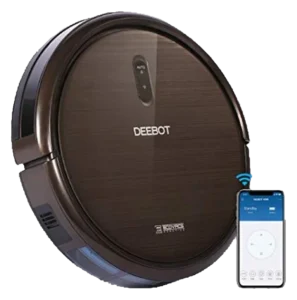
Ecovacs Deebot N79S
 III
III
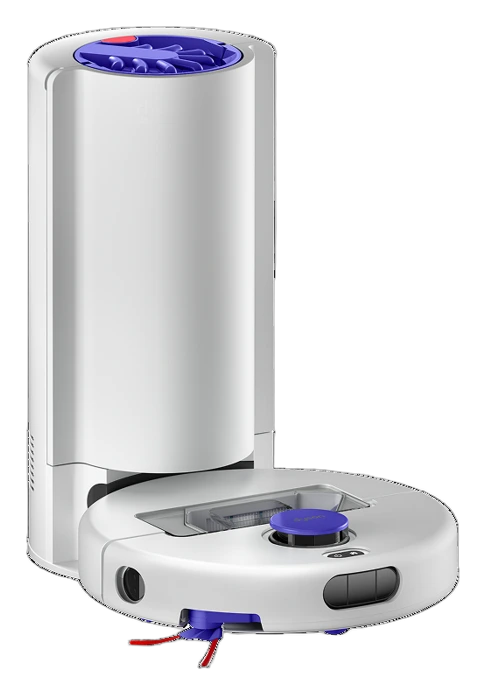
Dyson R1 Nurovi Dry
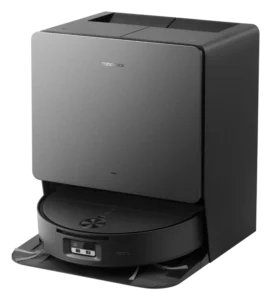 III
III
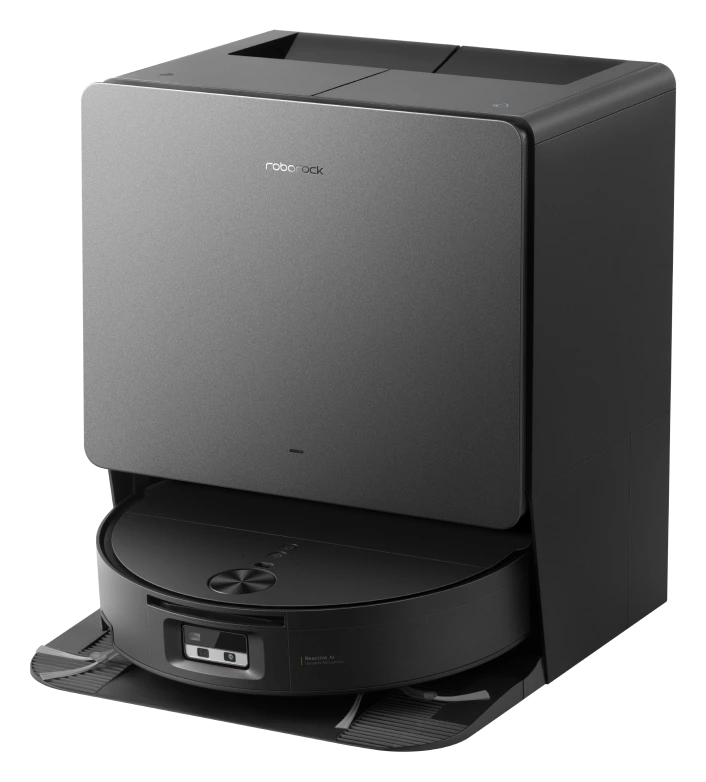
Roborock Saros 20 Flow Complete
Robot Obstacle Avoidance·Robot Self-Cleaning Claims·Robot Firmware Update·Robot Autonomy Levels·Robot Subscription Gate·Full library
Browse classified robot vacuums →·Robots at Level III →·Robot vacuum comparisons →
Cite this page
Robovations. “Robot Vacuum Autonomy: Mapping, Docks, Remaining Work” Robovations Autonomy Library. Last reviewed July 5, 2026. https://robovations.com/robot-vacuum-autonomy/