How does a robot vacuum know when to recharge and resume cleaning?
Partway through a big house, the battery runs low. Whether the far rooms get cleaned then depends on two numbers most owners never see.
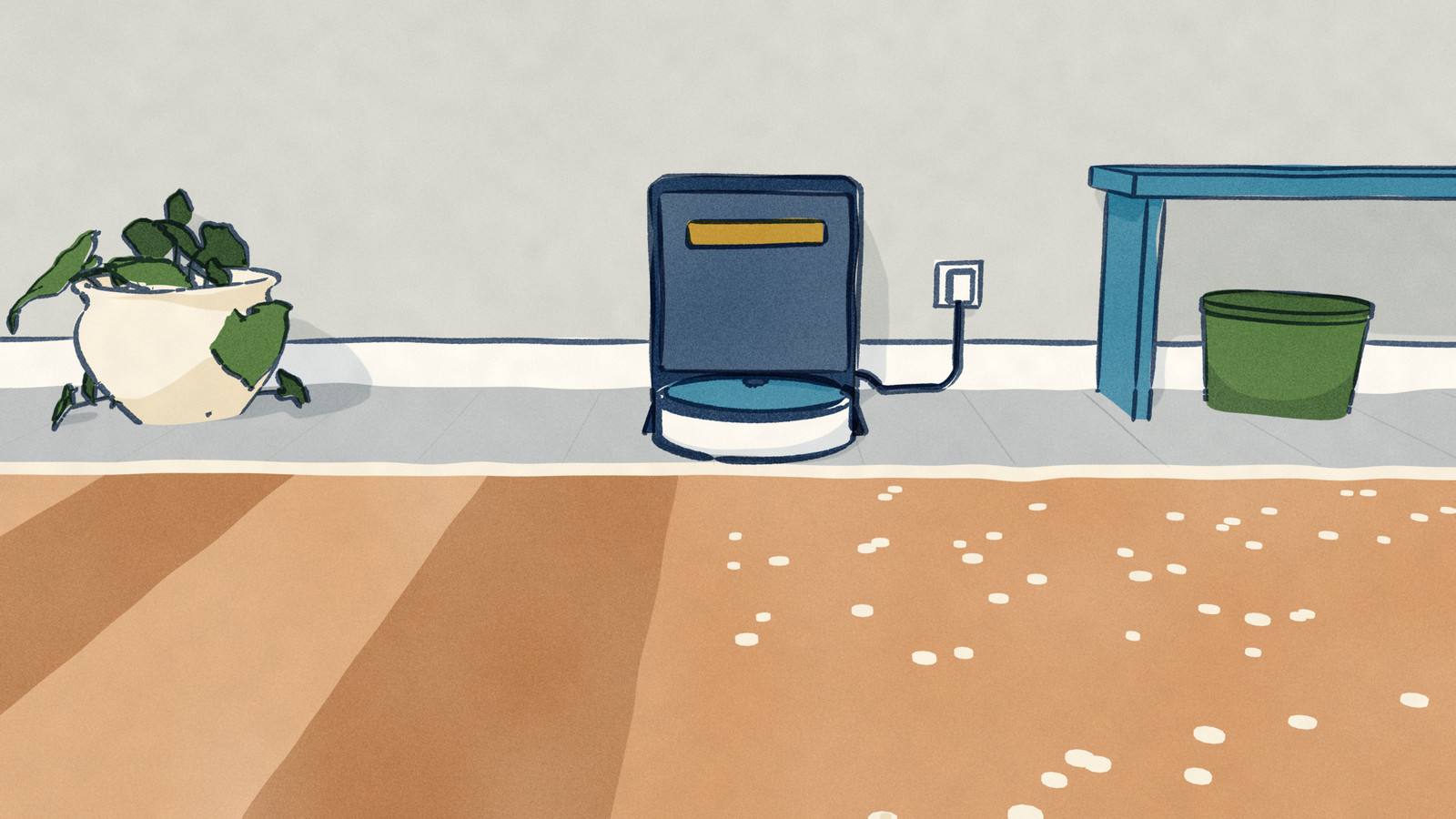
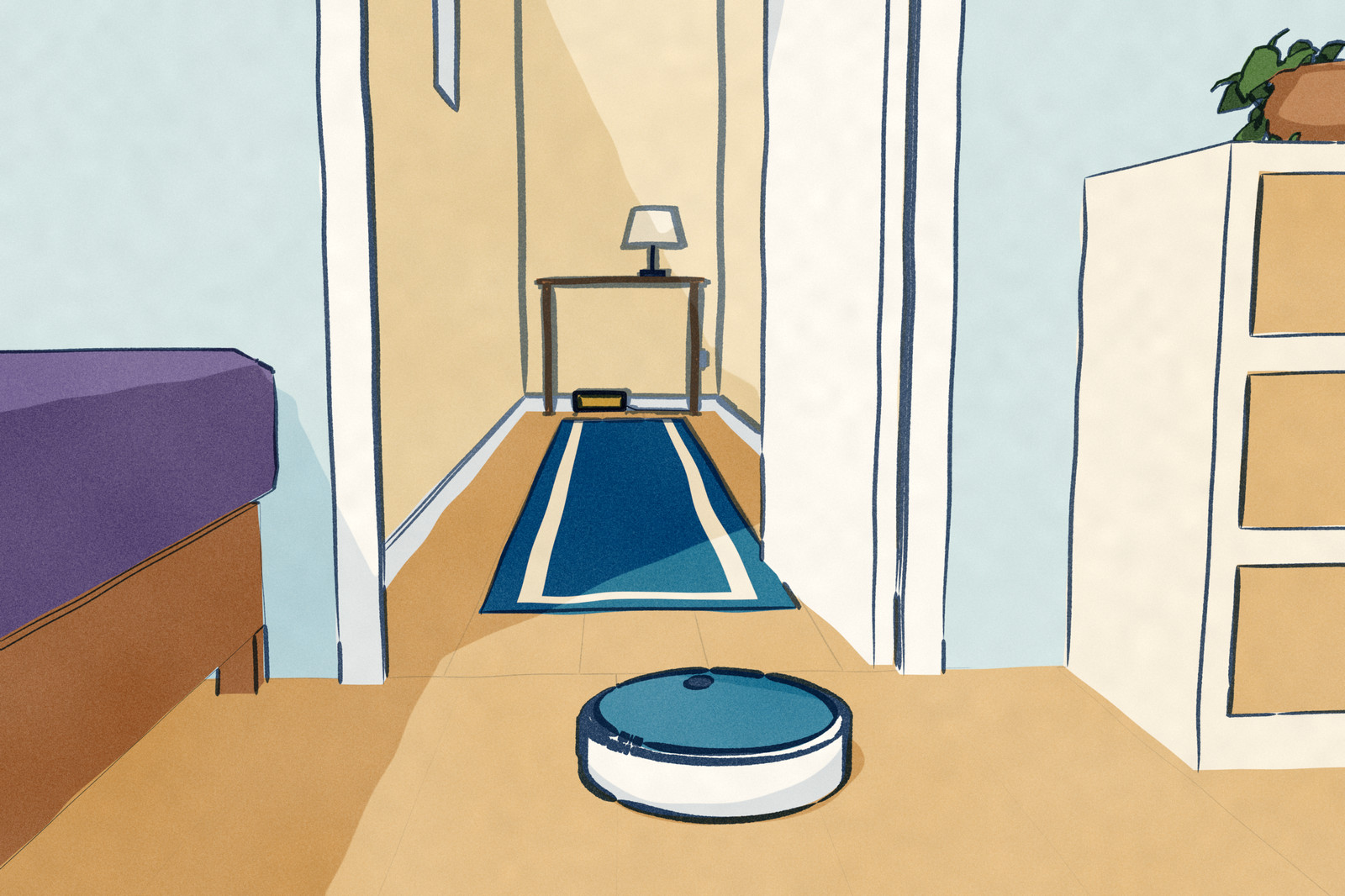
A Tapo robot vacuum is working the far bedroom of a big house when its battery drops to 20 percent. That is its cue to stop and head for the dock, at the other end of the hall, on whatever charge it has left.
In a small apartment that moment never comes, because the robot finishes long before it runs low. In a large home it can come partway through every run. What the robot does next, end the job or bank its progress and go back to finish, decides whether your far rooms get cleaned or only the near ones.
The feature has a dull name, recharge and resume. iRobot, TP-Link and Ecovacs each explain their version in their own support articles and guides. They differ on the two things you would want to know: when the robot decides to go home, and how much it knows about the job when it comes back.
Knowing when to stop
So how does it know it’s time to turn back? Tapo’s answer is a number: 20 percent, for both its RV10 and RV30 series. iRobot’s robots return to charge “when their battery is running low,” its support article says, without giving a figure.
Neither maker says the threshold moves with the robot’s distance from the dock. So one number has to cover the longest trip home in your house, whichever room the robot happens to be in when its battery reaches it.
Set that number low and the far rooms become a gamble. A robot that runs flat halfway down the hall leaves you worse off than one that quit early and parked itself. Set it high, and the robot spends more of each job driving back to charge.
Picking up where it stopped
Getting back to work is the other half of the feature. In iRobot’s words, once the robot “has enough battery power, the robot will automatically resume cleaning where it left off.” More than a dozen Roomba and Braava lines do this, from the Roomba 900 series to the Max 700 series and the Roomba Mini.
The decision loop
Quit, dock, charge, and return to the right spot
- Charging contactsReturn to the dock; Charge to threshold
The catch is the word enough. A Tapo RV10 sits on the dock until its battery is back to 80 percent, and the RV30 Plus and the rest of the RV30 series leave at 50. Either way the stop is fixed: one room left or five, the robot charges to the same level before it drives out.
iRobot built a second behavior, Smart Recharge and Resume, for the Roomba s9, the i series and the Braava m6 mop. It reads the robot’s saved Smart Maps to work out what has been cleaned and what is left. The payoff is a shorter stop: “your robot will only charge the battery enough to complete the current mission.”
There is a learning period, though. While the robot’s maps “have not been fully customized, it may charge for longer than it will in the future,” and clutter or moved furniture can change charge times from one run to the next.
Ecovacs takes a third route on the Deebot T90 Pro Omni. The robot already returns to the dock to have its mop cleaned, and it tops up the battery during those breaks, a feature the company calls PowerBoost. Each burst adds “about 10% battery in around 3 minutes during routine mop cleaning intervals.”
From the makers’ own pages
When each line stops to charge, and how much it takes on
| Robot line | When it charges | How much it charges |
|---|---|---|
| iRobot basic behavior (Roomba 900 series to Max 700 series, Roomba Mini) | When the battery is running low, with no figure given | Until it has enough battery power, then resumes where it left off |
| iRobot Smart Recharge and Resume (Roomba s9, i series, Braava m6) | When the battery is running low | Only enough to complete the current mission, using its saved Smart Maps |
| Tapo RV10 series | At 20 percent battery | Back to 80 percent |
| Tapo RV30 series, including the RV30 Plus | At 20 percent battery | Back to 50 percent |
| Ecovacs Deebot T90 Pro Omni | In short top-ups during its mop-cleaning breaks, called PowerBoost | About 10 percent in around 3 minutes |
So, as the makers describe it, a robot vacuum decides to go home by its battery percentage, and none of them mentions how far away the dock is. It comes back to the spot where it stopped. Only iRobot’s map-based models also count what is left of the job and charge for that alone.
The saved job is also easy to lose. Tapo’s FAQ says the resume function “will not take effect if the original cleaning tasks were interrupted during the charging process,” and that a robot given a new cleaning task while it charges “will abandon its previous cleaning task.”
The far bedroom may still be waiting, then, while your Tapo robot sits on the dock looking idle. Press start in the app to get it moving, and you end the job it was charging to finish.