
Autonomy Library·Reference
Robot Autonomy
Robot autonomy is how much useful work a robot completes without a person setting up, supervising, rescuing, or maintaining it. No consumer robot is fully autonomous today. The honest measure is a level on the Autonomy Ladder™, and most home robots hold Level III, Conditional Autonomy.
Counts are live·reviewed July 5, 2026
The five kinds of human work
- 1
SetupInstallation, mapping runs, boundaries, and configuration before the first useful job.
- 2
SupervisionWatching it work, or staying reachable because it may need help mid-task.
- 3
RescueFreeing it, retrieving it, restarting the job it abandoned.
- 4
MaintenanceEmptying, refilling, washing, replacing the parts use consumes.
- 5
JudgmentThe decisions it cannot make: what counts as done, where not to go, when conditions are unsafe.
Autonomy is a spectrum, not a switch
Marketing treats autonomy as a binary: a robot is either “autonomous” or it is not. Observed behavior does not work that way. Every consumer robot still depends on a person for some part of its job, and the useful question is how much and how often.
Homes make this harder than factories. A warehouse robot works a mapped, rule-governed space designed around it; a home robot meets stairs, pets, cords, dark rugs, and furniture that moved since yesterday. The same technology can look flawless in a demonstration and struggle in an ordinary living room.
How Robovations measures it
Robovations classifies every robot in its database on the Autonomy Ladder™, a five-level scale from Level I, Manual Automation, to Level V, Generalized Autonomy. Levels are assigned from documented evidence: owner reports, manufacturer documentation, and published footage, held to published evidence standards.
A classification describes capability. It is not a recommendation, an endorsement, or a ranking. Two robots at the same level can suit very different homes.
Where consumer robots stand today
Live distribution of every classified robot in the Robovations database by Autonomy Ladder level.
| Level | IManual automation | IIAssisted autonomy | IIIConditional autonomy | IVEnvironmental autonomy | VGeneralized autonomy |
|---|---|---|---|---|---|
| The robot | Performs one action on command. | Runs preset routines in simple spaces. | Finishes familiar jobs on its own. | Copes with clutter and frees itself. | Any task, any setting. |
| You | Operate it, continuously. | Supervise runs and rescue it often. | Prepare the space; handle the edge cases. | Setup and maintenance. | Nothing. |
| All robots | 7 robots | 179 robots | 363 robotsMost robots are here | 56 robots | none |
Robot: Performs one action on command.
You: Operate it, continuously.
Robot: Runs preset routines in simple spaces.
You: Supervise runs and rescue it often.
Robot: Finishes familiar jobs on its own.
You: Prepare the space; handle the edge cases.
Most robots are here
Robot: Copes with clutter and frees itself.
You: Setup and maintenance.
Robot: Any task, any setting.
You: Nothing.
No consumer robot has earned a Level V classification. The full breakdown by category is maintained on the consumer robot autonomy data page.
Autonomy by category
Autonomy means something different in each category, because the task and the environment differ. Each guide covers what the claims mean and what work remains for the owner.
| Category | Classified | Observed range | |
|---|---|---|---|
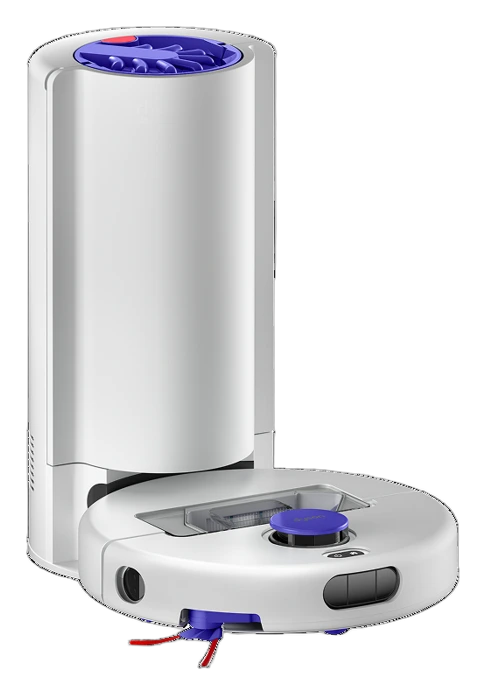
| Robot Vacuums | 255 | Levels II – IV | Autonomy guide → |
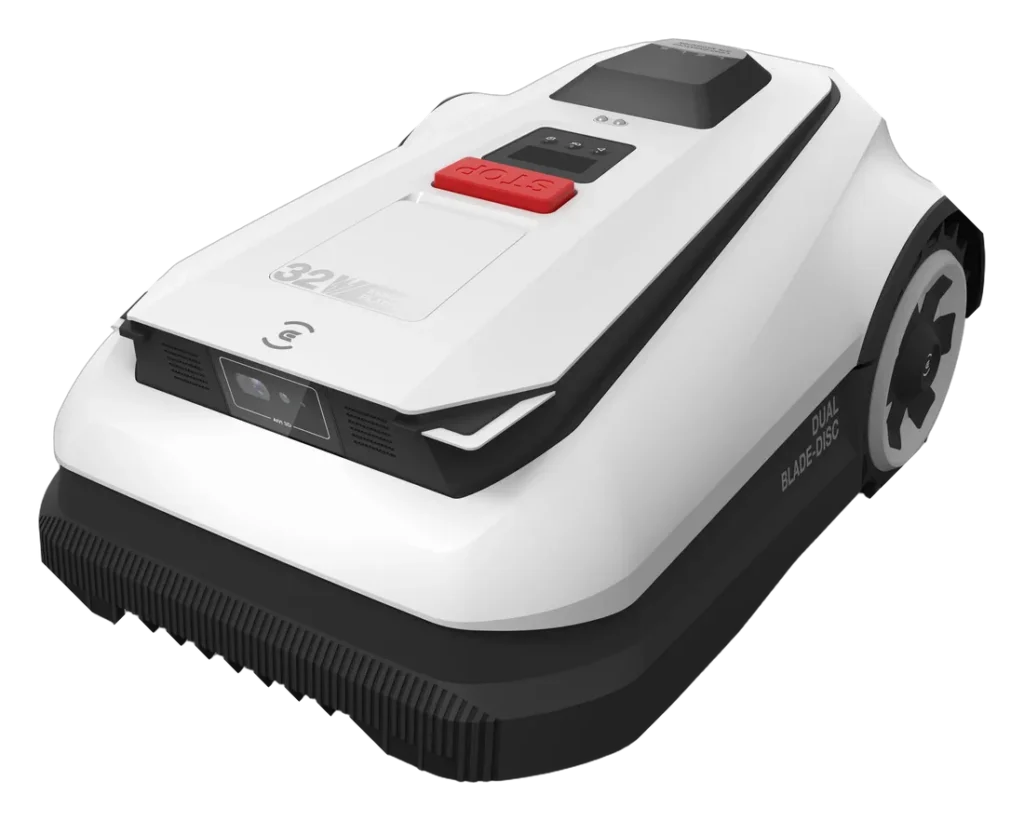
| Robot Lawn Mowers | 128 | Levels II – IV | Autonomy guide → |
| Robot Pool Cleaners | 75 | Levels II – IV | Autonomy guide → |
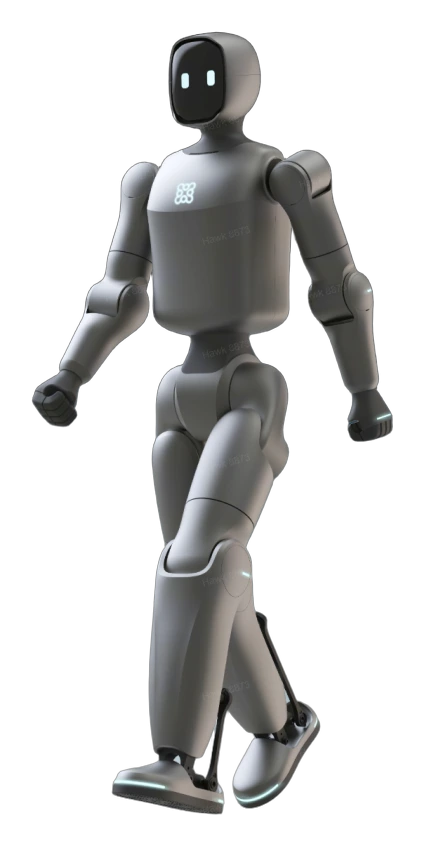
| Humanoid Robots | 65 | Levels I – III | Autonomy guide → |
| Robot Window Cleaners | 27 | Levels II – III | Browse → |
| Specialty Robots | 44 | Levels I – IV | Browse → |
| Multi-Task Robots | 11 | Levels II – III | Browse → |
Why autonomy changes after purchase
A robot’s autonomy is not fixed at the moment of sale. Three forces move it, which is why every Robovations classification carries a date and reclassifications are logged in the Tracker.
| Firmware | Updates add capability and remove it: maps reset, navigation changes, features appear or vanish. What updates can change |
|---|---|
| Subscriptions | Capability delivered through a paid service ends when the payment does. How gates work |
| New evidence | Accumulated owner reports can show that a launch claim does not hold in real homes, and the classification moves with the evidence. |
Questions
Is any consumer robot fully autonomous?
No. No consumer robot holds a Level V, Generalized Autonomy, classification in the Robovations database. Most current home robots sit at Level III, Conditional Autonomy: they complete full jobs in familiar spaces but need human help at the edges.
What is the difference between automation and autonomy?
Automation performs a fixed action on command. Autonomy adds independent operation: navigating, planning, recovering from problems, and adapting to conditions the robot was not explicitly programmed for. A motorized pool scrubber is automated. A mower that re-plans around a fallen branch is exercising autonomy.
Does "AI-powered" mean a robot is autonomous?
No. AI describes a technology inside the robot, not the amount of human work that remains. Many robots with on-board AI models still require frequent rescue and maintenance, and some highly autonomous behaviors use no machine learning at all.
How is robot autonomy measured?
Robovations measures autonomy on the Autonomy Ladder, a five-level scale based on observable behavior: what the robot does without human input, how often a person must step in, and whether it handles situations it was not explicitly designed for.
Can a robot's autonomy change after purchase?
Yes. Firmware updates, subscription changes, and discontinued cloud services can all raise or lower what a robot does on its own. Robovations tracks these changes and updates classifications when evidence warrants it.
Robot Autonomy Levels·Robot Vacuum Autonomy·Robot Mower Autonomy·Humanoid Robot Readiness·Robot Firmware Update·Robot Subscription Gate·Full library
Browse all classified robots →·Autonomy Ladder methodology →·Consumer robot autonomy data →
Cite this page
Robovations. “Robot Autonomy: What It Means and How It Is Measured” Robovations Autonomy Library. Last reviewed July 5, 2026. https://robovations.com/robot-autonomy/