
Autonomy Library·Reference
Robot Autonomy Levels
Robot autonomy levels are graded steps that describe how independently a robot operates. Robovations classifies every consumer robot on the Autonomy Ladder™: five levels, from Manual Automation to Generalized Autonomy, anchored to observable behavior rather than the technology inside. No consumer robot has yet earned Level V.
Counts are live·reviewed July 5, 2026
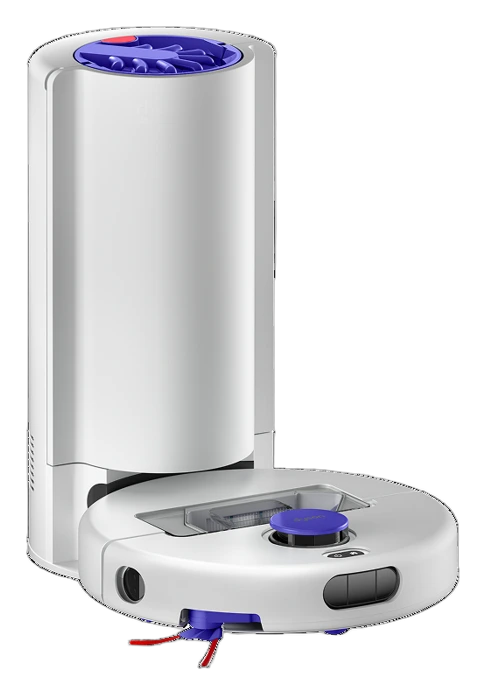
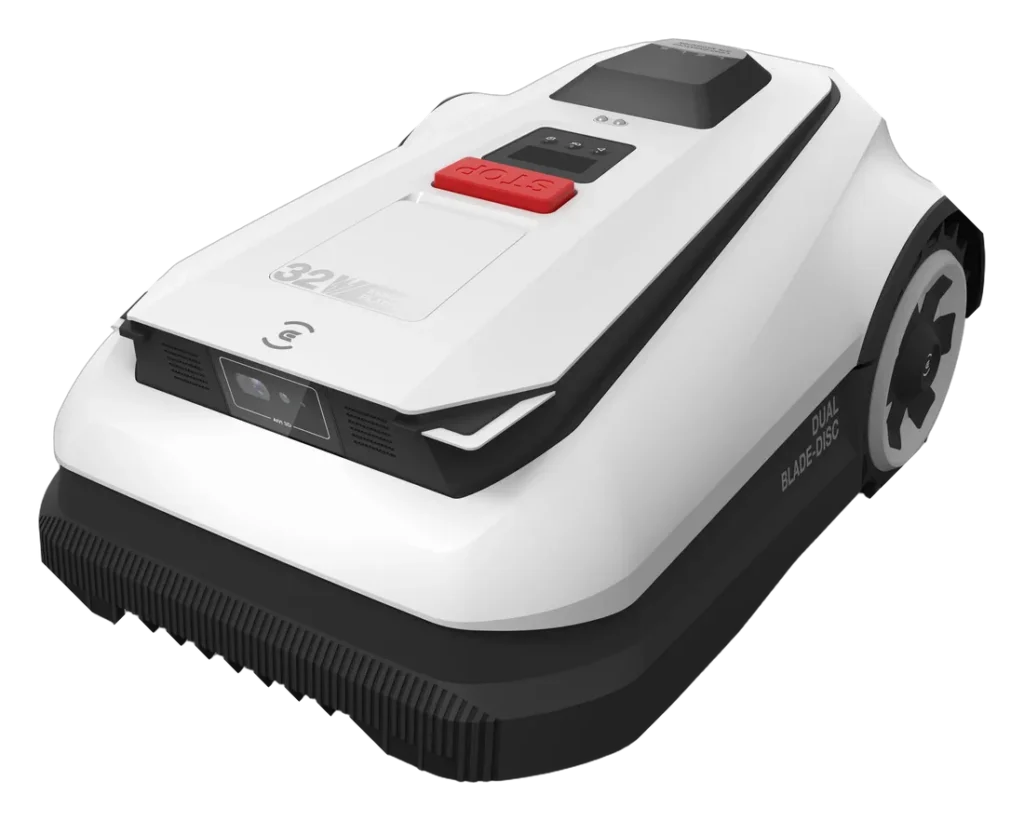
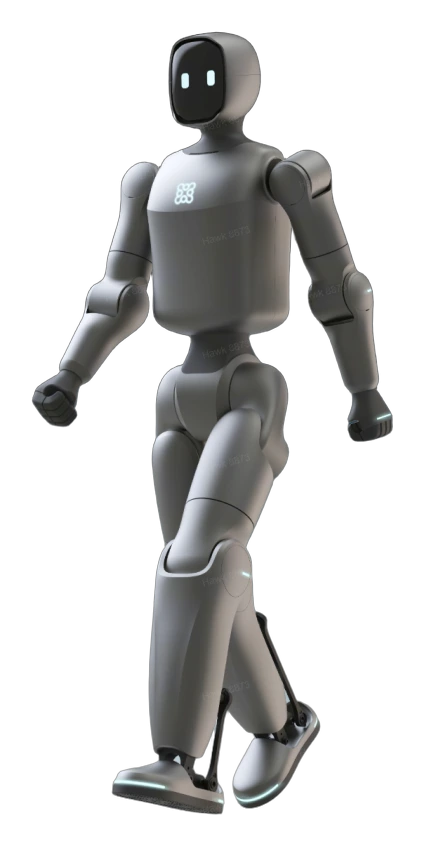
The Autonomy Ladder™ at a glance
| Level | IManual automation | IIAssisted autonomy | IIIConditional autonomy | IVEnvironmental autonomy | VGeneralized autonomy |
|---|---|---|---|---|---|
| The robot | Performs one action on command. | Runs preset routines in simple spaces. | Finishes familiar jobs on its own. | Copes with clutter and frees itself. | Any task, any setting. |
| You | Operate it, continuously. | Supervise runs and rescue it often. | Prepare the space; handle the edge cases. | Setup and maintenance. | Nothing. |
| All robots | 7 robots | 179 robots | 363 robotsMost home robots are here | 56 robots | none |
Robot: Performs one action on command.
You: Operate it, continuously.
Robot: Runs preset routines in simple spaces.
You: Supervise runs and rescue it often.
Robot: Finishes familiar jobs on its own.
You: Prepare the space; handle the edge cases.
Most home robots are here
Robot: Copes with clutter and frees itself.
You: Setup and maintenance.
Robot: Any task, any setting.
You: Nothing.
Why consumer robots need their own scale
Driving automation has the SAE levels. Consumer robots have had nothing comparable: every manufacturer describes independence in its own vocabulary, and words like “smart”, “hands-free”, and “fully autonomous” carry no shared meaning.
A useful scale for home robots has to work across very different tasks, from mowing to floor care to humanoid manipulation, and it has to be anchored to observable behavior rather than to the technology inside. The Autonomy Ladder™ was built for that purpose.
How a level is assigned
Classification rests on three observable behaviors, evidenced by owner reports, manufacturer documentation, and published footage under the evidence standards. Where evidence is insufficient, the record says so rather than guessing.
| Independence | What the robot does without human input, across the whole job rather than a highlight reel. |
|---|---|
| Intervention rate | How often a person must step in: rescues, restarts, retrievals, and mid-job attention. |
| The unfamiliar | Whether it handles situations it was not explicitly designed for, or waits for help. |
Why a level can change
Levels are assessments of current, documented behavior, so they move when the behavior moves. A firmware update can add a capability that lifts a robot to a higher level, or remove one. Accumulated owner evidence can show that a launch claim does not hold in real homes.
Reclassifications are recorded as assessment-change entries in the Tracker, so the history of a robot’s classification stays public.
Common misunderstandings
| The assumption | What the levels actually say |
|---|---|
| “AI-powered” means high autonomy. | The scale measures behavior, not technology. A robot with a large on-board model that still needs frequent rescue sits at the level its behavior earns. |
| “Hands-free” means no human work. | Marketing “hands-free” usually refers to one part of one task. Setup, rescue, and maintenance are counted even when operation is unattended. |
| A lower level is a failing grade. | Levels are descriptive, not judgmental. A Level II robot can be well built and well suited to its job. The level states how much stays the owner’s work. |
| The levels match self-driving car levels. | They are structurally similar but not interchangeable. Driving is one task in a regulated environment. Home robots span many tasks in unregulated ones. |
Questions
How many robot autonomy levels are there?
Five. Level I, Manual Automation; Level II, Assisted Autonomy; Level III, Conditional Autonomy; Level IV, Environmental Autonomy; and Level V, Generalized Autonomy. Every robot in the Robovations database holds exactly one.
What autonomy level are most robot vacuums?
Most current robot vacuums hold Level III, Conditional Autonomy. They complete full cleaning jobs in familiar homes but still need human help with edge cases such as cords, thresholds, and cluttered floors.
Is Level V possible today?
Not in a consumer product. Level V, Generalized Autonomy, describes a robot that performs its function across diverse environments with no human intervention. No consumer robot in the Robovations database meets that bar.
Are these the same as self-driving car levels?
No. The SAE levels describe one task, driving, in a regulated public environment. The Autonomy Ladder is built for consumer robots, which span many tasks in unregulated home environments. The structure is similar; the criteria are different.
Who assigns a robot's autonomy level?
Robovations assigns levels editorially, from documented evidence held to published standards. Manufacturers do not choose or pay for classifications.
Robot Autonomy·Robot Vacuum Autonomy·Robot Mower Autonomy·Robot Pool Cleaner Autonomy·Humanoid Robot Readiness·Robot Firmware Update·Full library
Autonomy Ladder methodology →·Browse robots by level →·Consumer robot autonomy data →
Cite this page
Robovations. “Robot Autonomy Levels: The Autonomy Ladder Explained” Robovations Autonomy Library. Last reviewed July 5, 2026. https://robovations.com/robot-autonomy-levels/