
Analysis Robovations Editorial
99 pieces8 categoriessince 2025
Latest pieceinSignals
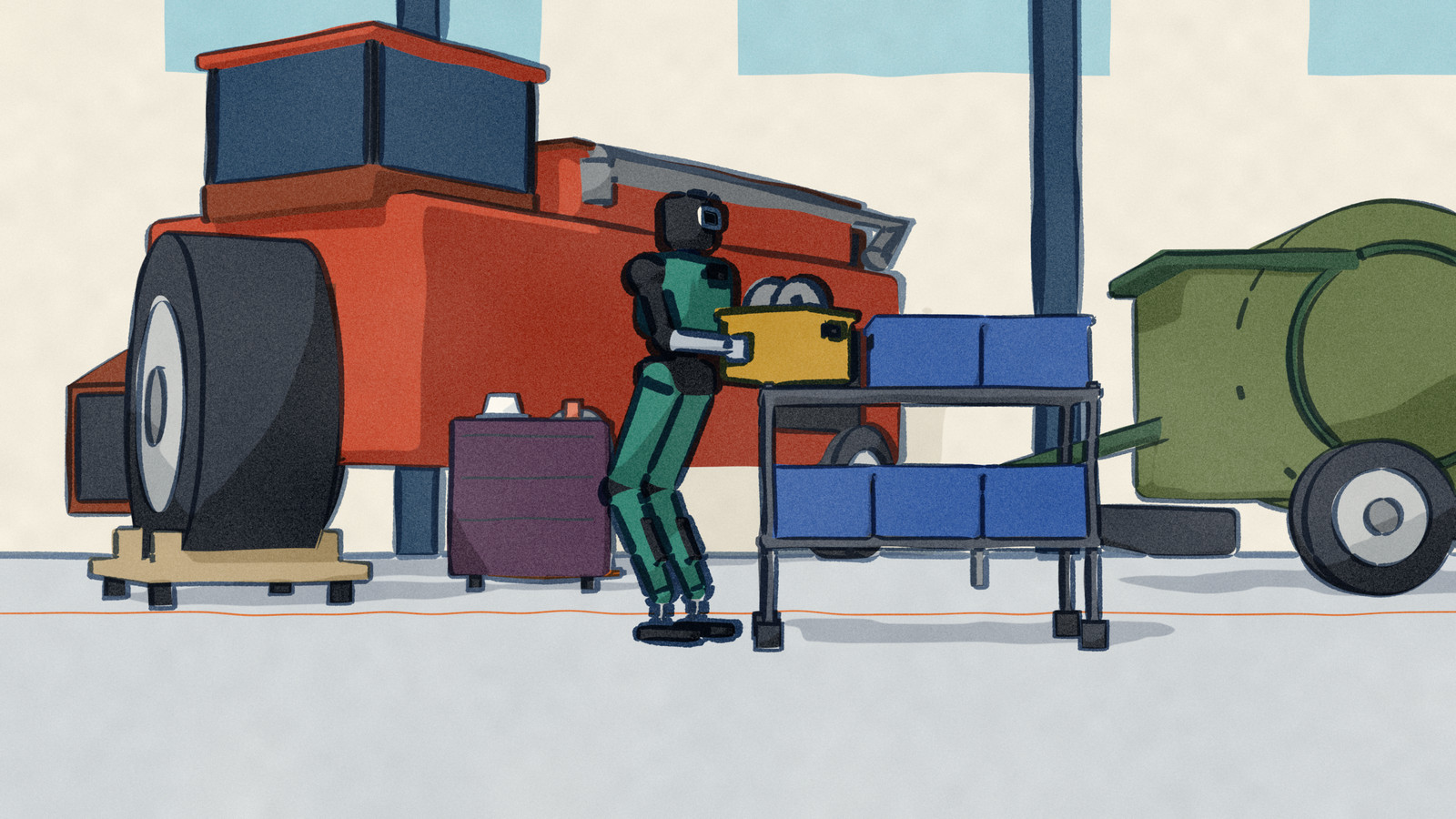
AGCO is bringing a warehouse humanoid robot onto its farm equipment factory floor
Agility Robotics’ Digit humanoid has spent its working life in warehouses, stacking totes for logistics companies. AGCO wants to try it on a factory floor that builds combines…

iRobot’s new ‘Roomba Monster’ in Japan is a robot it already sells in the US
iRobot’s Japan launch nicknames an already-shipping robot vacuum ‘Monster’ and prices it in yen, seven weeks after the…
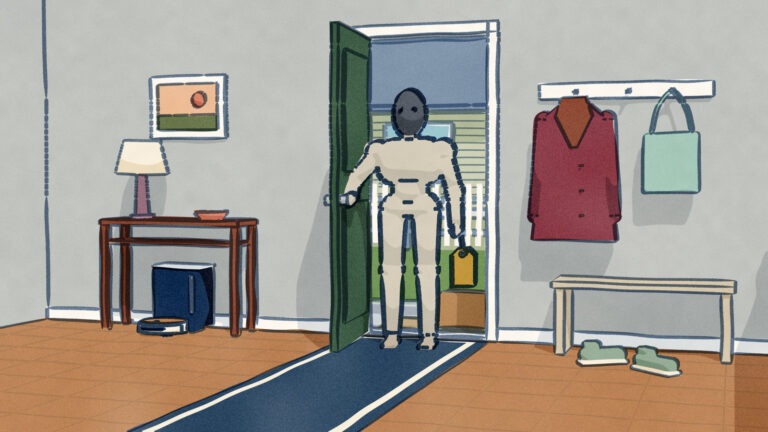
What does paying more for a home robot buy?
List prices for the robots people can order run from under $15 to a quarter of a million…
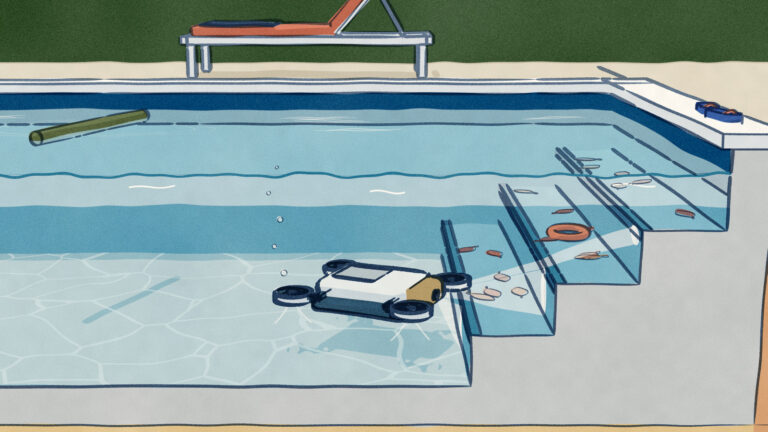
MOVA’s new pool robot hovers like a drone. It still can’t climb the stairs.
MOVA's Rover X10 pool cleaner skips the usual floor-crawling design for a hovering, drone-like system that scans a…
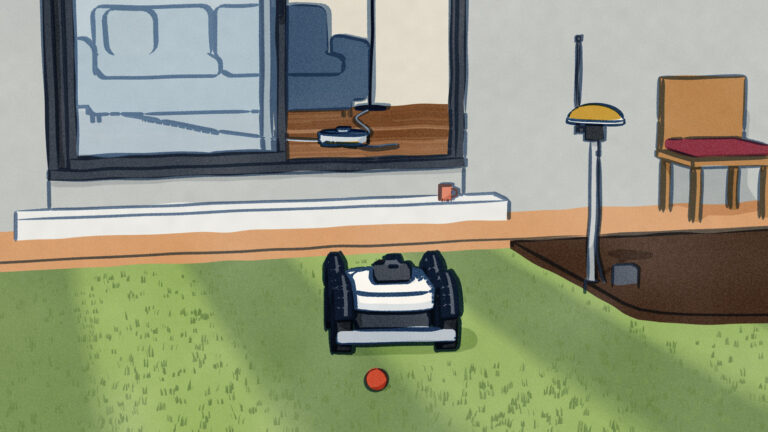
Why do robot mowers reach Level IV when robot vacuums stay at Level III?
Most home robots finish their one job, then hand it back to a person the moment the room…
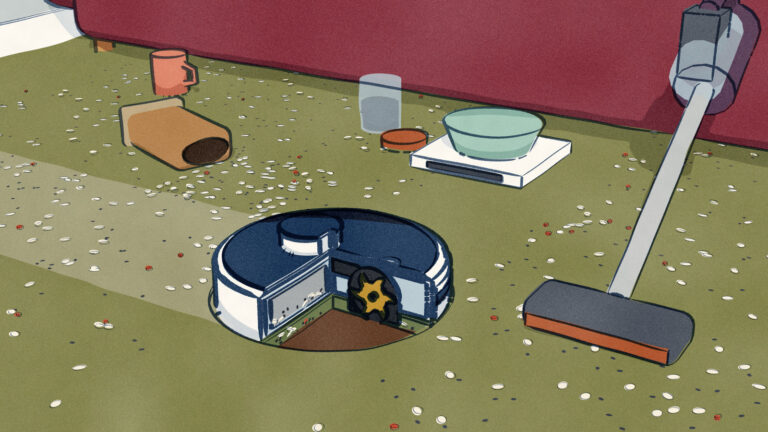
A robot vacuum’s 42,000 Pa suction rating didn’t survive two carpet tests
Two reviews tested the same $1,299 robot vacuum on carpet this week, using different methods, and both found…
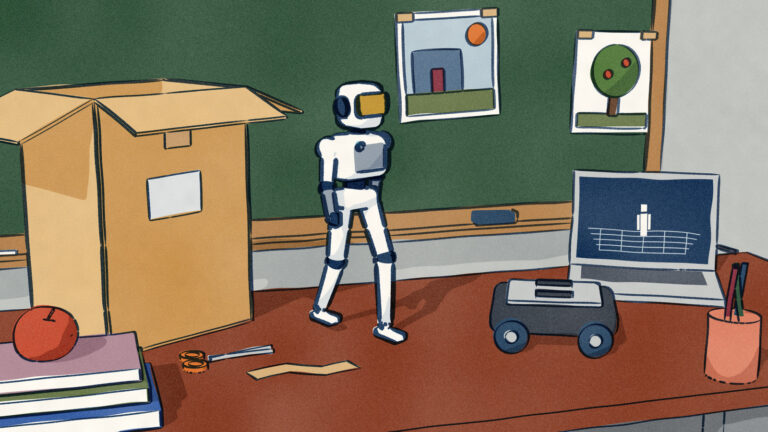
Faraday Future’s new $2,490 humanoid robot is capped at 100 units for now
A humanoid robot now costs less than $2,500. The companies behind it control exactly who can buy the…
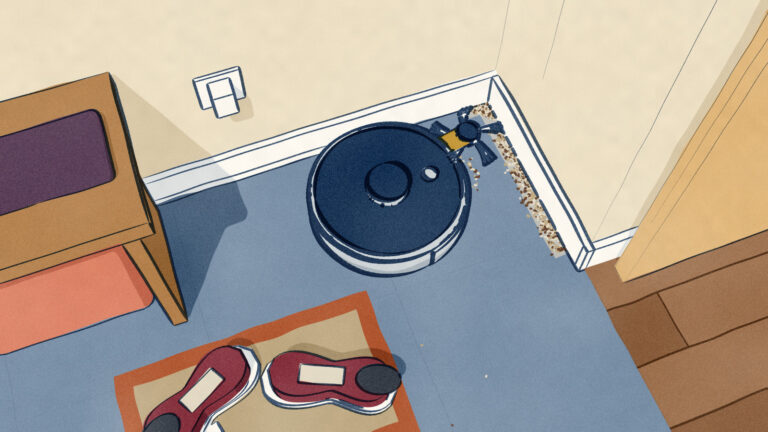
How do robot vacuums clean corners and edges?
A round robot can’t reach into a square corner, yet three 2026 flagships promise to clean one down…

A livestreamer’s $4,900 robot allegedly groped a teenager in Germany
Police seized the machine and two phones, saying they still don’t know whether a person was steering it…
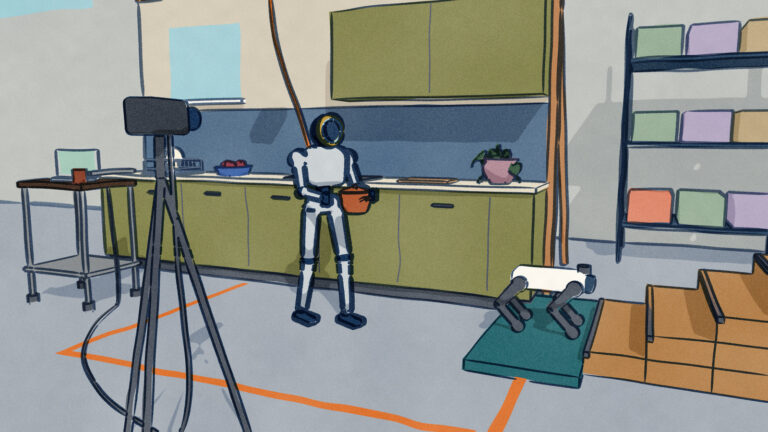
Unitree’s founder moved his own AI breakthrough timeline a year closer
At a Shanghai industry fair, Wang Xingxing said GPT-6 tests on Unitree’s own robots pushed up his estimate…