Skip to content
Saved

Robot Autonomy Library16 definitions · reviewed Sep 28, 2026

Plain definitions for the words robot makers use, and for the ones Robovations uses to classify their machines. Every count on these pages is drawn live from the database.

Robot autonomy, defined.

The five levels of the Autonomy Ladder™, the parts of the Robovations Score, and the claims printed on the box. Each entry opens with one sentence you can quote, and every number on it comes from 605 classified robots.

The Autonomy Ladder

Five levels. Each robot holds one, set by the behavior it is documented to perform.

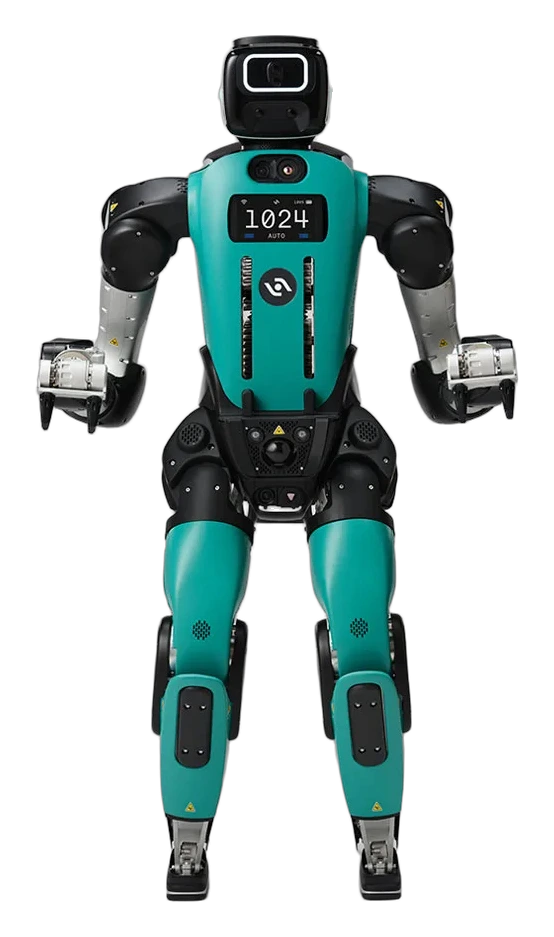
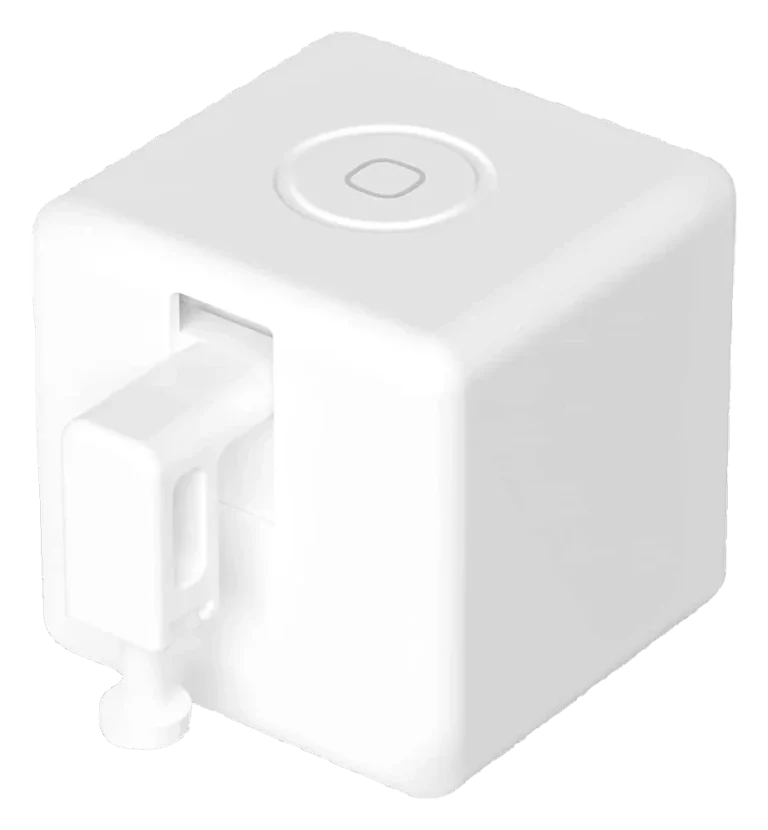
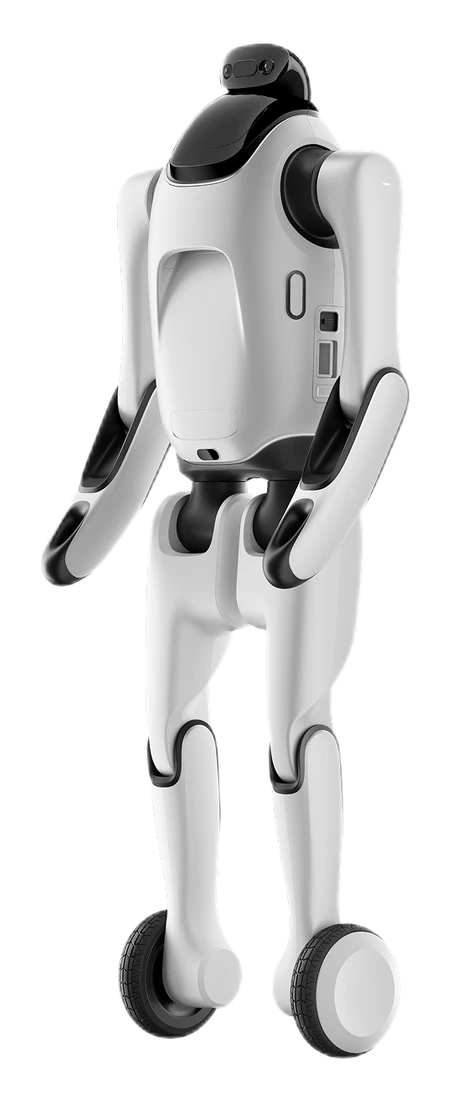
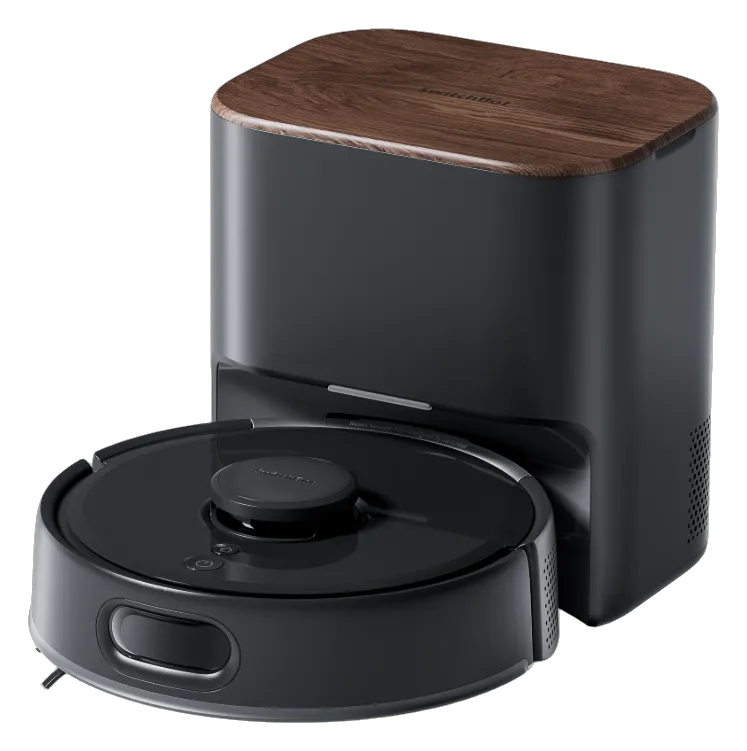
  1. SwitchBot BotPrimeBOT T1
    7 robots
    Level I Manual Automation

    The robot performs one repetitive motion when you tell it to, and you do nearly everything else.

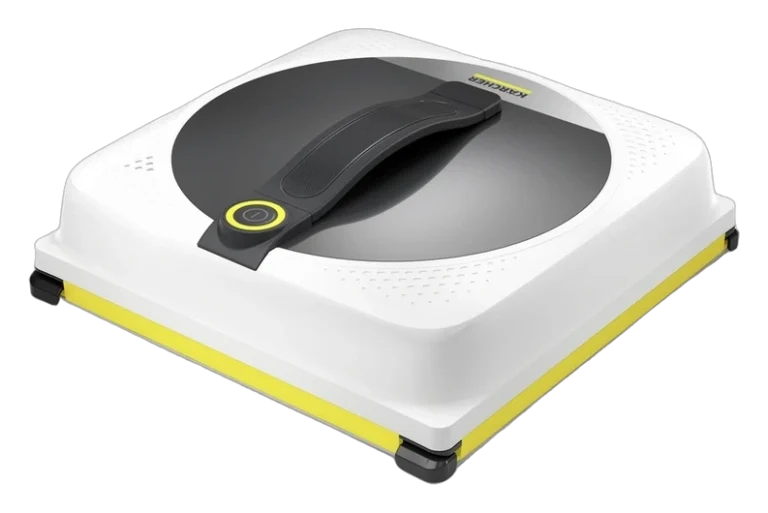
  2. RoboParty RP1Kärcher RCW 4
    179 robots
    Level II Assisted Autonomy

    The robot can start a task on its own, but needs frequent help to finish it.

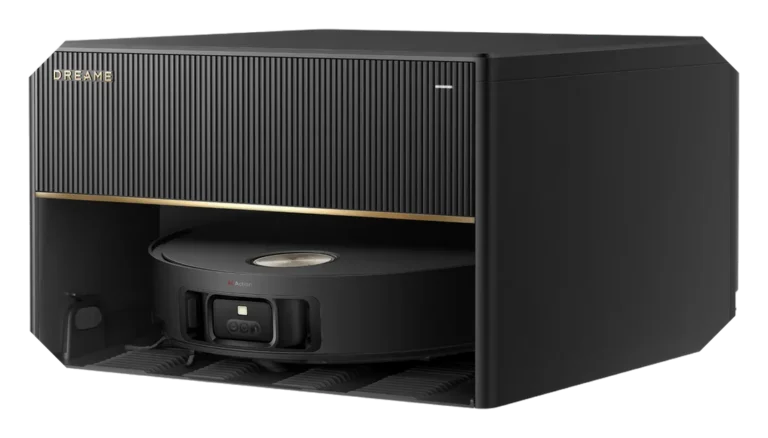
  3. Ecovacs GOAT A1600 RTKDreame X50 Master
    363 robots
    Level III Conditional Autonomy

    The robot works on its own inside familiar conditions but struggles with the unexpected.

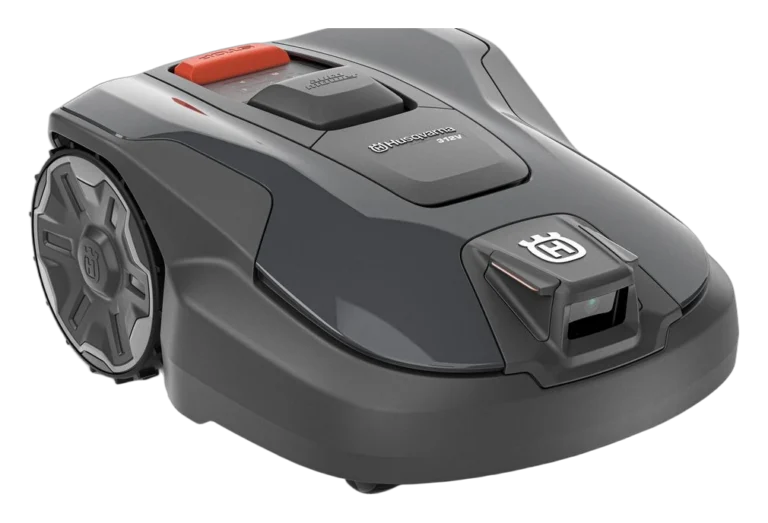
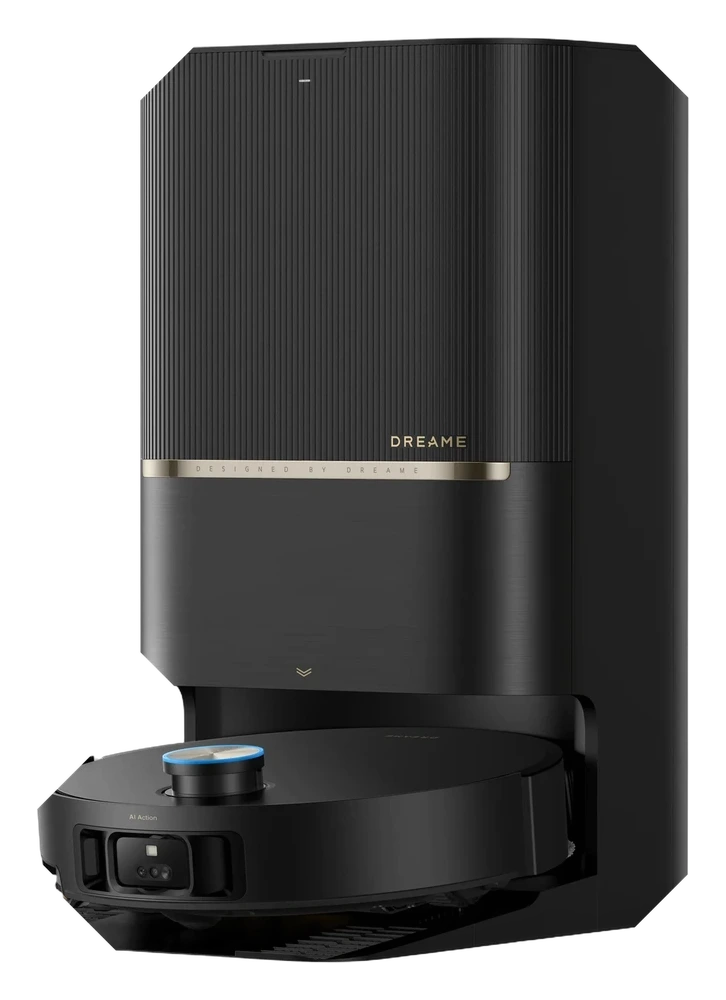
  4. Husqvarna Automower 312VDreame L60 Pro Ultra Robot Vacuum
    56 robots
    Level IV Environmental Autonomy

    The robot copes with whatever turns up in its own space, seeing obstacles before contact, running without the space cleared first, and freeing itself when stuck.

  5. No robot yet
    Level V Generalized Autonomy

    A robot that handles any task, in any environment, without human guidance. No consumer robot has been classified there.

The Robovations Score

Three pillars at their true weight, each input drawn inside its own pillar. Two things sit outside the average.

Capability40%

What does it do without you?

  • Task completion16%
  • Coverage and navigation10%
  • Edge-case recovery10%
  • Operating envelope4%
Dependability40%

Does it keep doing it?

  • Field failure rate16%
  • Software stability14%
  • Support longevity10%
Ownership burden20%

What does it ask of you?

  • Routine maintenance12%
  • Consumables8%

Applied after the average

No-compensation floor

A no-compensation floor is a rule in the Robovations Score that stops a strength in one area from making up for a weakness in another. It caps a robot’s score when a pillar, or its support record, falls below a set level.

Published beside it, never averaged in

Data posture

A robot’s data posture describes how much the robot depends on its maker’s cloud to work, and where its data goes. Robovations places every robot in one of four postures: local, cloud-optional, cloud-linked or cloud-dependent.

Claims, decoded

The words on the box, and what each one commits the robot to.

  • “Self-cleaning”

    Self-cleaning, in consumer robotics marketing, describes dock features that reduce owner maintenance: self-emptying bins, mop washing, mop drying, and brush detangling.

    Robot Self-Cleaning Claims
  • “Avoids obstacles”

    Robot obstacle avoidance is a robot's ability to detect objects in its path and change course before contact.

    Robot Obstacle Avoidance
  • “Unlock more with a plan”

    A robot subscription gate is a paid software, cloud, support, or feature limitation that changes how much capability a robot owner receives after purchase.

    Robot Subscription Gate
  • “Gets better with updates”

    A robot firmware update is a manufacturer-issued software change to a robot already in owners' homes.

    Robot Firmware Update
  • “Wire-free”

    A robot mower boundary wire is a physical perimeter wire, buried or pegged at the lawn edge, that tells a robot mower where it may operate.

    Robot Mower Boundary Wire
  • “Cordless”

    Robot pool cleaner battery replacement is the periodic renewal of the battery pack in a cordless pool robot.

    Robot Pool Cleaner Battery Replacement

By kind of robot

What autonomy means for each kind of machine, and the work that stays with you.

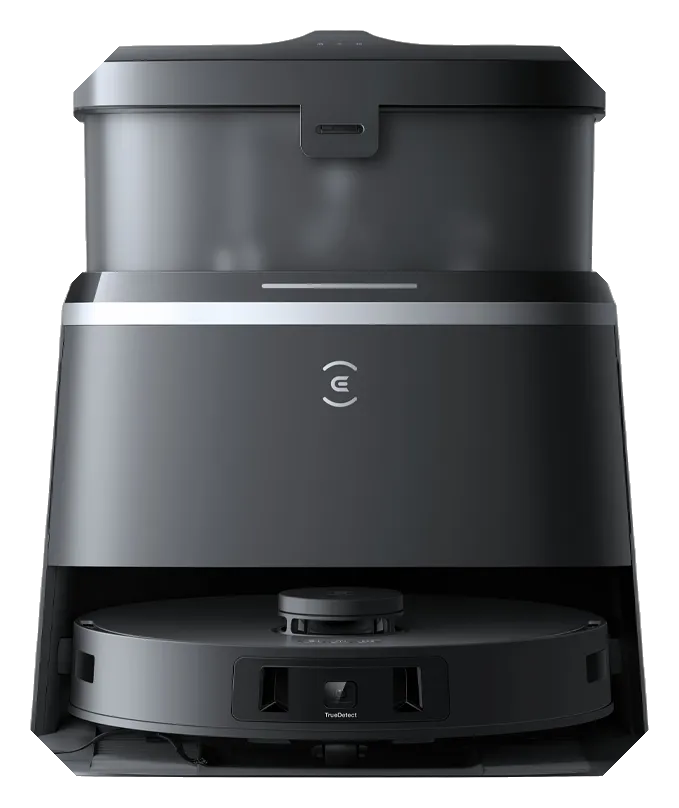
Dreame X50 MasterSwitchBot K11+Ecovacs Deebot T30 Omni

Robot Vacuums · 255 classified · Levels II – IV

Robot Vacuum Autonomy

Robot vacuum autonomy is how much floor cleaning a robot vacuum completes without human help: mapping rooms, avoiding obstacles, servicing itself at the dock, and recovering when it gets stuck.
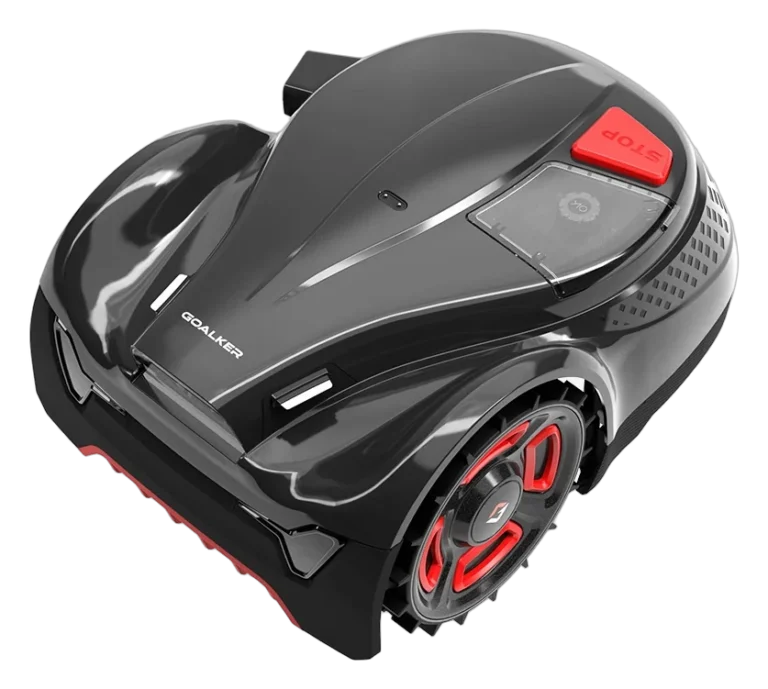
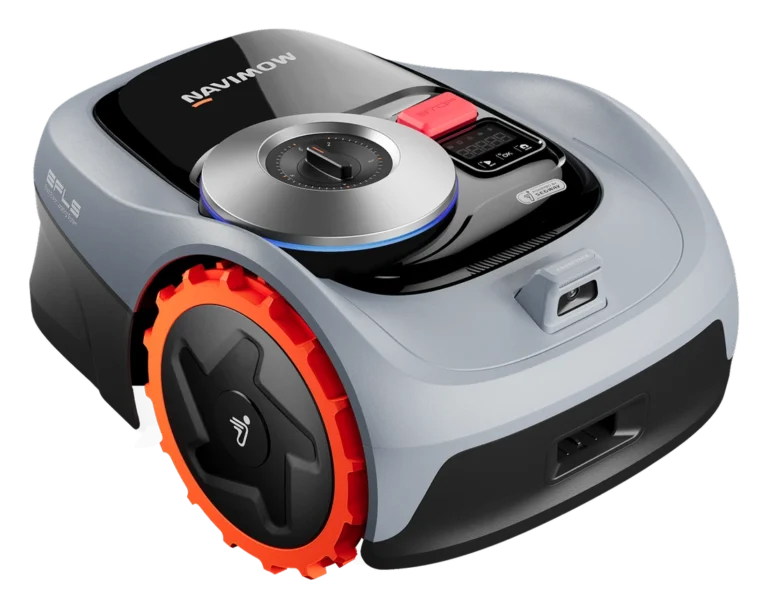
Ecovacs GOAT A1600 RTKGoalker H3 ProSegway Navimow i105N

Robot Lawn Mowers · 128 classified · Levels II – IV

Robot Mower Autonomy

Robot mower autonomy is how much lawn care a robot mower completes without human setup or rescue.

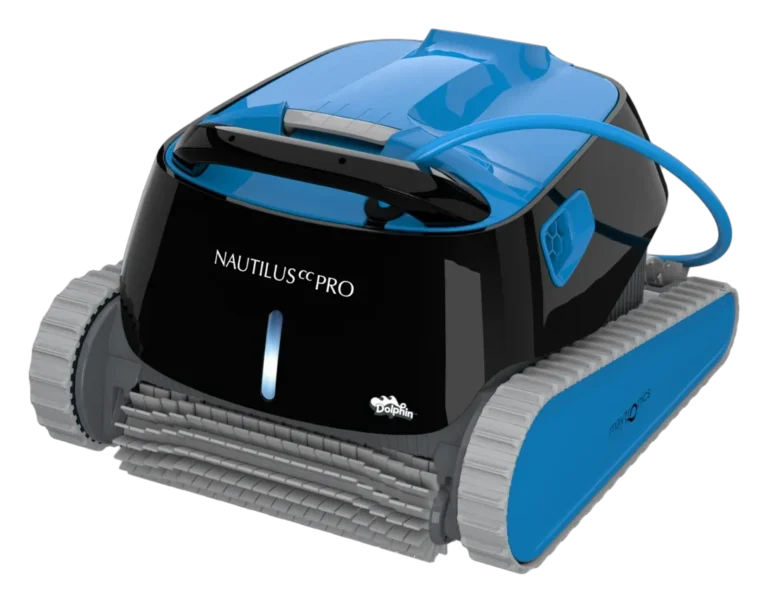
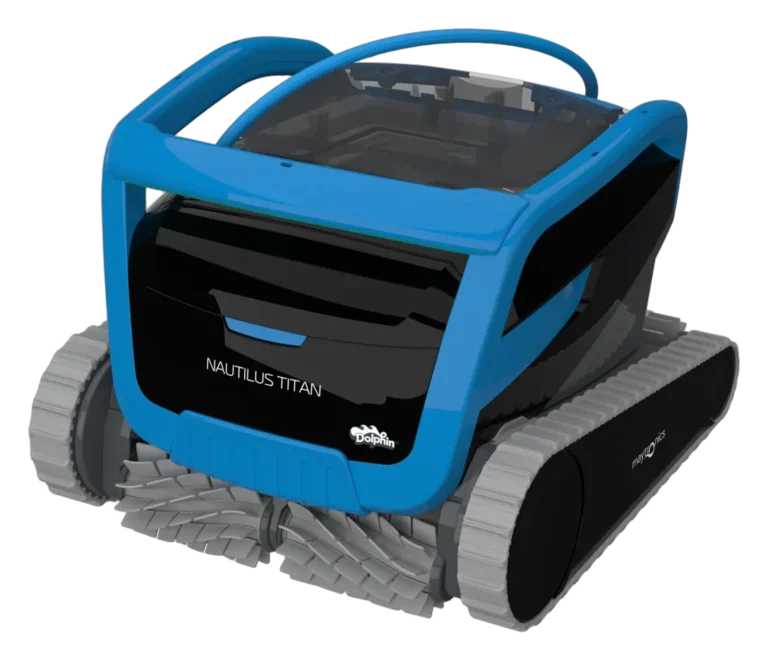
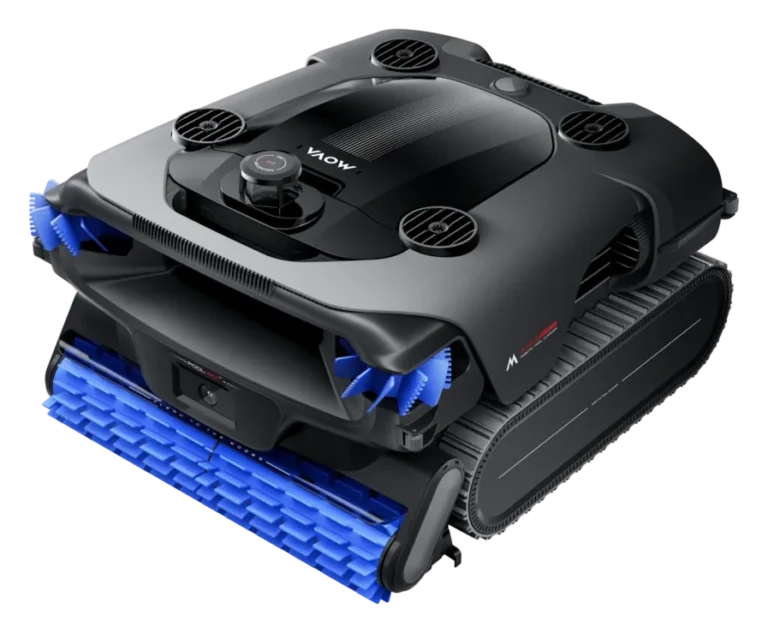
Maytronics Dolphin Nautilus CC ProMaytronics Dolphin Nautilus TitanMOVA Rover X10

Robot Pool Cleaners · 75 classified · Levels II – IV

Robot Pool Cleaner Autonomy

Robot pool cleaner autonomy is how much of the cleaning cycle a pool robot completes on its own: navigating the pool, climbing walls, and managing its battery.

How classification works

The terms behind every record: how sure we are, when a level moves, and what counts as a rescue.

Live data

Where each kind of robot sits

Every published robot, by kind and by level. The darker the cell, the larger its share of that row. Nothing here is estimated.

Kind of robot I II III IV V All
Robot Vacuums · 17 216 22 · 255
Robot Lawn Mowers · 30 66 32 · 128
Robot Pool Cleaners · 31 43 1 · 75
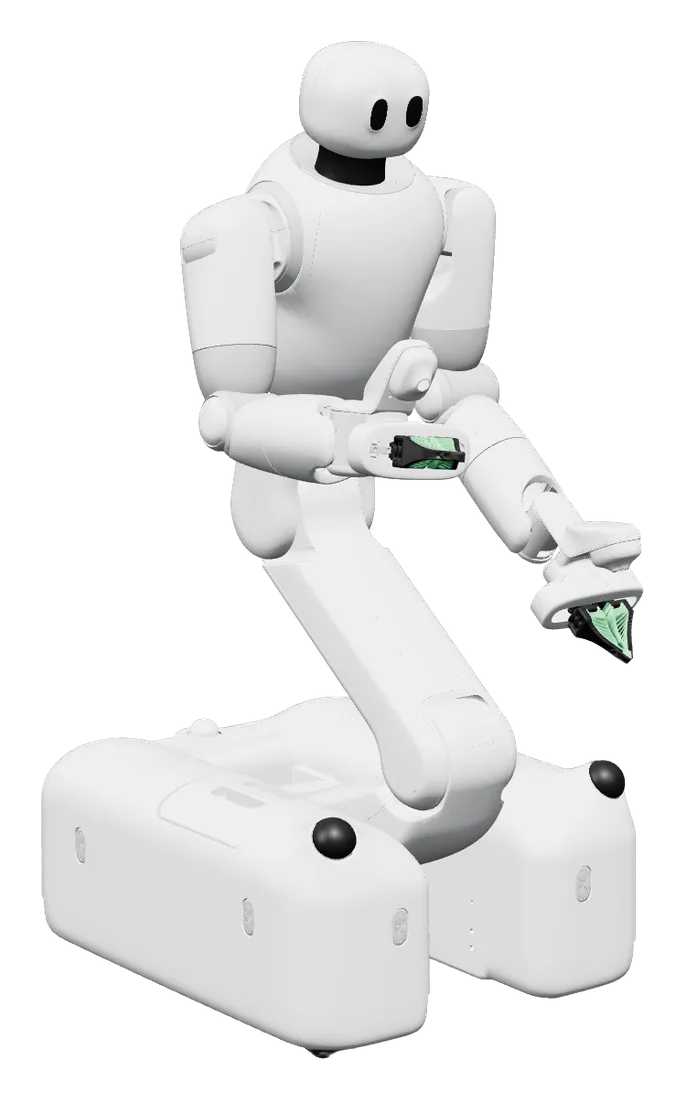
Humanoid Robots 1 55 9 · · 65
Robot Window Cleaners · 18 9 · · 27
Specialty Robots 6 23 14 1 · 44
Multi-Task Robots · 5 6 · · 11

Citing a definition? Every entry carries its own citation line and the date it was last reviewed. Summaries for answer engines live in llms.txt.