
Autonomy Library·Reference
Humanoid Teleoperation
Many of the humanoid-robot tasks shown in 2026 are teleoperated: driven in real time by a trained person wearing a VR headset and motion rig, rather than performed autonomously. It is genuine work that gathers training data, but a robot whose tasks depend on a remote pilot is classified no higher than Level II, Assisted Autonomy, on the Autonomy Ladder™ until it completes those tasks without one.
Counts are live·reviewed July 19, 2026
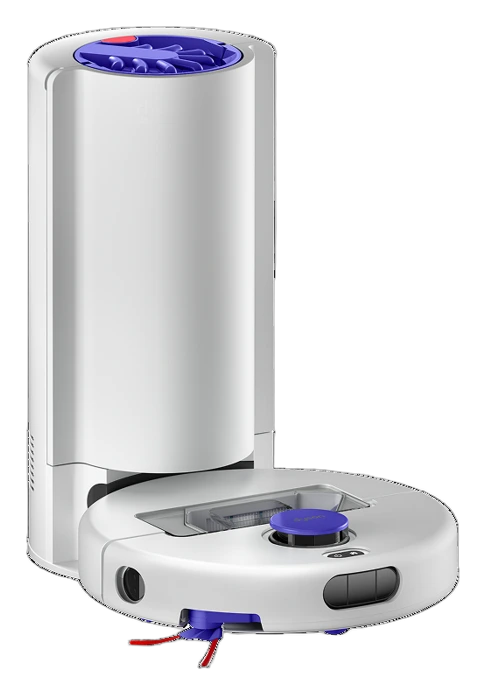
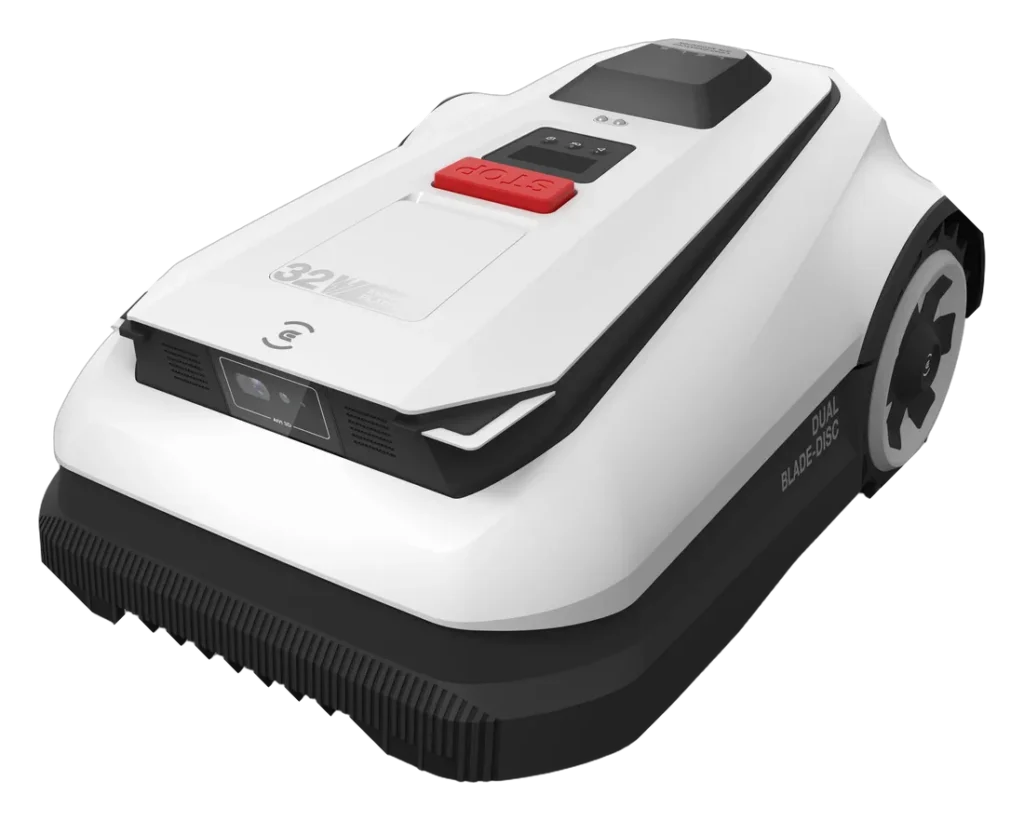
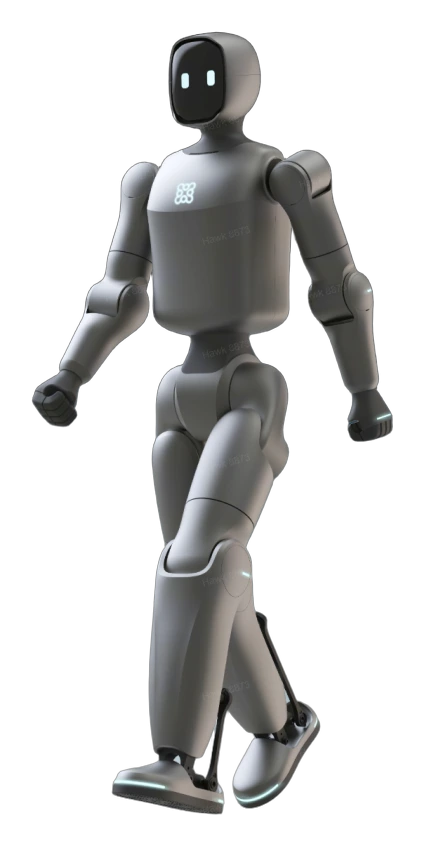
Who is actually driving
- 1
The linkEvery decision travels out of the machine and back over this. Latency, a dropped connection and an operator looking elsewhere are all failures of the task, and none of them are faults in the machine. A machine run this way is Level I.
- 2
The operatorThe person at the console generates the action sequence. The machine is the actuator.
- 3
Closed on boardThe same loop, entirely inside the machine. Nothing off-board has to be working for it to keep going, which is what makes it eligible for Level III.
Why so many humanoid demos are piloted
General-purpose manipulation in an unstructured home is still an unsolved problem. Folding laundry, loading a dishwasher, or tidying a child’s room involves endless variation that today’s models cannot yet handle reliably on their own. So companies bridge the gap with a person: an operator drives the robot through the task while the system records every movement as training data.
This is not a scandal, and it is not fakery. It is a legitimate stage of development, and the better companies disclose it. The problem is only that a piloted demonstration looks identical to an autonomous one on video, so the footage alone cannot tell a buyer how much the robot does by itself.
How to tell a demo is teleoperated
No single sign is proof, but these are the tells that a task is being piloted rather than performed autonomously.
| Human-smooth motion | Fully autonomous manipulation is usually slightly hesitant, with pauses to re-plan. Fluid, confident, human-timed motion through a complex task is a sign a person is driving. |
|---|---|
| No failures shown | Autonomous runs fail and recover; edited reels that never stumble, or live demos with an operator visible off to the side, point to a pilot in the loop. |
| Undisclosed conditions | When a company will not say whether a task was autonomous, in what percentage of attempts, or with what human assistance, assume assistance. Disclosure is the readiness signal. |
Why it changes the classification
The Autonomy Ladder™ measures what a robot does without a person. Teleoperation is a person. So a robot whose headline tasks are piloted cannot sit above Level II, Assisted Autonomy, no matter how advanced the hardware: the capability shown belongs partly to the operator, not the machine.
This is why every humanoid in the Robovations database carries its teleoperation status in the evidence, and why classifications move only when a task is demonstrated end-to-end with the pilot removed. The privacy question follows from the same fact: if a person can drive the robot, a person can, in principle, see through it, which is why operator access and data handling belong on the readiness checklist.
Questions
Is the Tesla Optimus teleoperated?
In several public demonstrations, yes. Tesla has confirmed some Optimus tasks were remotely operated, while stating others (such as walking and certain manipulation) are increasingly autonomous. Because the mix changes per demo and is not always disclosed in full, Robovations classifies Optimus from documented, verifiable autonomous behavior rather than demo footage.
Is the 1X Neo autonomous or remote controlled?
Both, by design. 1X has stated that the Neo relies on remote human operators for tasks it cannot yet do autonomously, with the goal of using that data to increase autonomy over time. At launch, its most complex household tasks are piloted, which places it low on the Autonomy Ladder.
How can you tell if a robot demo is teleoperated?
You often cannot from video alone. The strongest signals are fluid human-timed motion, an absence of any failures or recovery, an operator visible or acknowledged, and a company that will not state whether the task was autonomous. When conditions are not disclosed, assume human assistance.
Can the operators see inside your home?
If a robot can be teleoperated, then the capability to see through its cameras and drive it exists. Responsible manufacturers gate this behind explicit, scheduled, owner-approved sessions and disclose their data handling. How a company controls operator access is a core consumer-readiness and privacy question, not a footnote.
Does teleoperation mean the robot is fake?
No. The hardware is real and teleoperation is a legitimate, widely-used way to gather training data. It only means the autonomy is not yet there for that task. The accurate framing is “piloted today, working toward autonomous,” and the useful measure is how much the robot already does without a person.
Staged Humanoid Demos·Humanoid Robot Privacy·Humanoid Robot Readiness·Robot Autonomy·Robot Autonomy Levels·Robot Subscription Gate·Full library
Browse classified humanoid robots →·Autonomy Ladder methodology →·Are humanoid robot demos real? →
Cite this page
Robovations. “Are Humanoid Robots Teleoperated? Remote Control vs Autonomy” Robovations Autonomy Library. Last reviewed July 19, 2026. https://robovations.com/humanoid-teleoperation/