Skip to content
Saved
Classification, not recommendation

A plain-English classification of every robot you can buy.

We place each consumer robot on a 5-level Autonomy Ladder, so you know, before you buy, how much the robot actually does on its own and how much stays your job.

The framework

The Autonomy Ladder: five tiers of what a robot does on its own.

Every classified robot sits on this scale. The progression is not a quality ranking. It describes a widening circle of conditions the robot can handle without you.

Recently classified robots

Recently updated, sorted by latest activity, not by hype or popularity.

  • Persona AI Gen 1 II
    Humanoid Robots

    Persona AI Gen 1

    Supervised industrial pilots, shipyard welding, fabrication environments
    Pre-Release 40/100 Concept Stage
  • Ecovacs Deebot T90 Pro Omni III
    Robot Vacuums

    Ecovacs Deebot T90 Pro Omni

    Open-plan multi-floor homes, hard floors, pet hair, hands-off dock
    Provisional 68/100 Capable
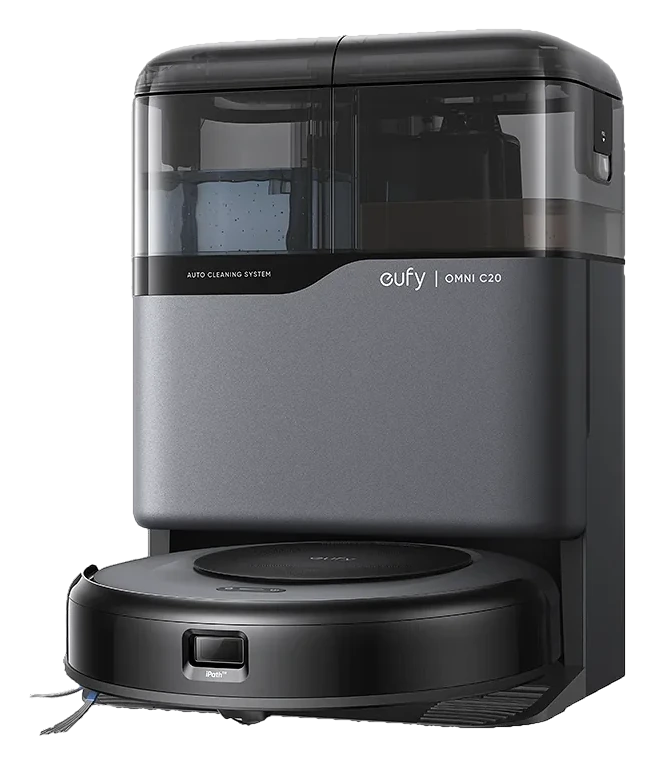
  • Eufy C28 Omni III
    Robot Vacuums

    Eufy C28 Omni

    Multi-room hard-floor and low-pile carpet homes, pet hair, full dock automation
    Provisional 64/100 Capable
  • Dyson Spot+Scrub Ai III
    Robot Vacuums

    Dyson Spot+Scrub Ai

    Large open-plan hard floors, recurring stains, minimal dock upkeep
    Provisional 64/100 Capable
Battery replacement costs across consumer robots: what ownership longevity actually costs
Editor’s analysis · Jun 2026

Battery replacement costs across consumer robots: what ownership longevity actually costs

Most robot owners budget for the purchase price, the dock accessories, and maybe a filter subscription. They do not budget for year three: the moment runtime drops to half its original length and a replacement battery quote arrives at $150 to $500. That figure, multiplied across vacuum, mower, and pool-cleaner categories, changes the total-cost-of-ownership math significantly.

Type
Analysis
Length
10 min read

Read the full analysis

The digest

Robots get reclassified. You hear it first.

When a robot moves on the Autonomy Ladder, a new model is classified, or the evidence changes, it goes in the digest — alongside notable analysis and the quarterly outlook. Sent when there’s something worth reporting, typically a few times a month. No marketing.

How we work

Editorial independence by design

Our classifications, our evidence, and our business model are structurally separated. The separation is the design, not a promise.

  • Independent review. Evidence depth varies by product and is stated clearly on each page.
  • No paid placements. Manufacturers do not influence classifications, coverage, or how robots are described.
  • Evidence-first reporting. Claims are treated as claims and labeled accordingly.

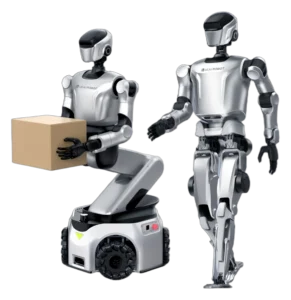
New coverageNow tracking humanoid robotsThe same Autonomy Ladder that classifies your robot vacuum now classifies humanoids. Most are less autonomous than you’d think.

50 classifiedIIIIISee the classifications

Some links may earn us a commission. This never affects our grades or what we write.