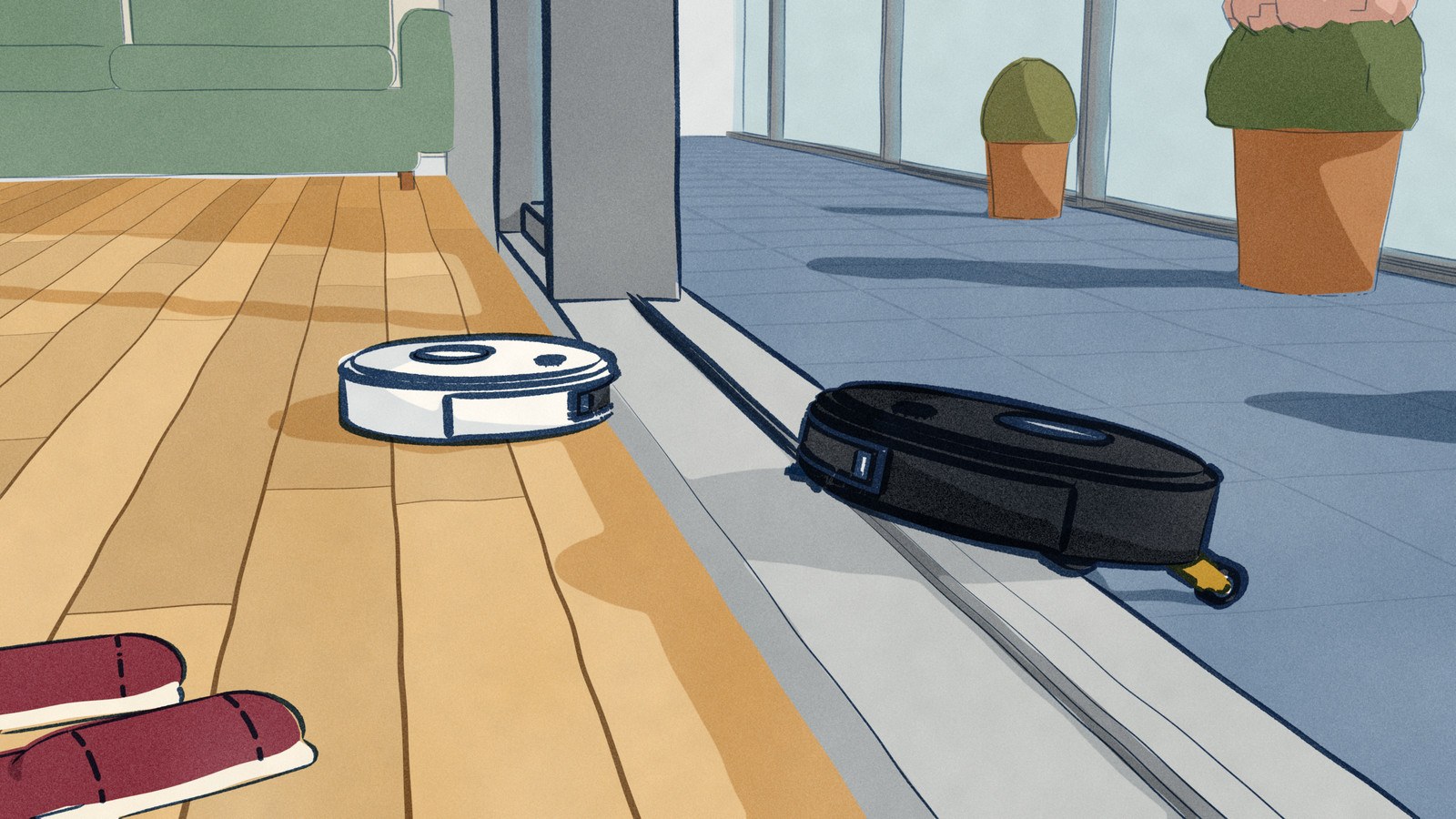
Which robot fits your goal?
Side-by-side reads built around real ownership questions. Not rankings — each comparison starts with a goal, then shows which robot actually fits.
- Comparisons
- 95
- Robots compared
- 199
- Ways we compare
- 4
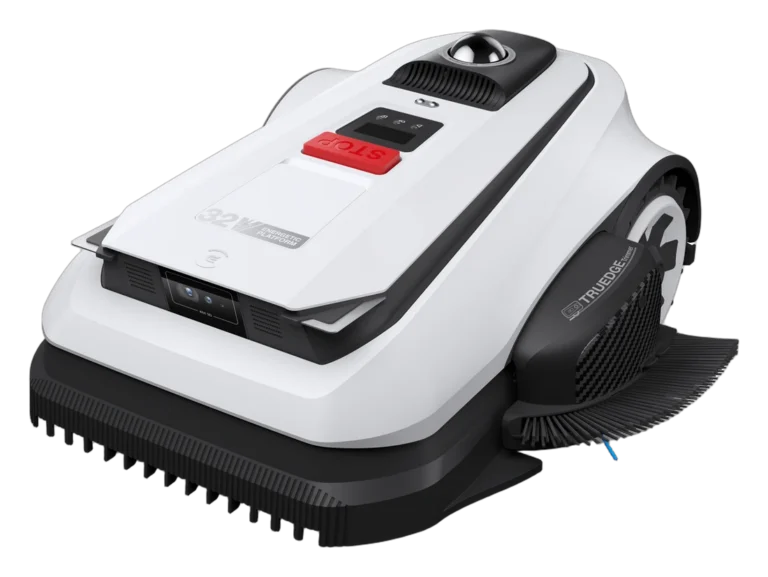
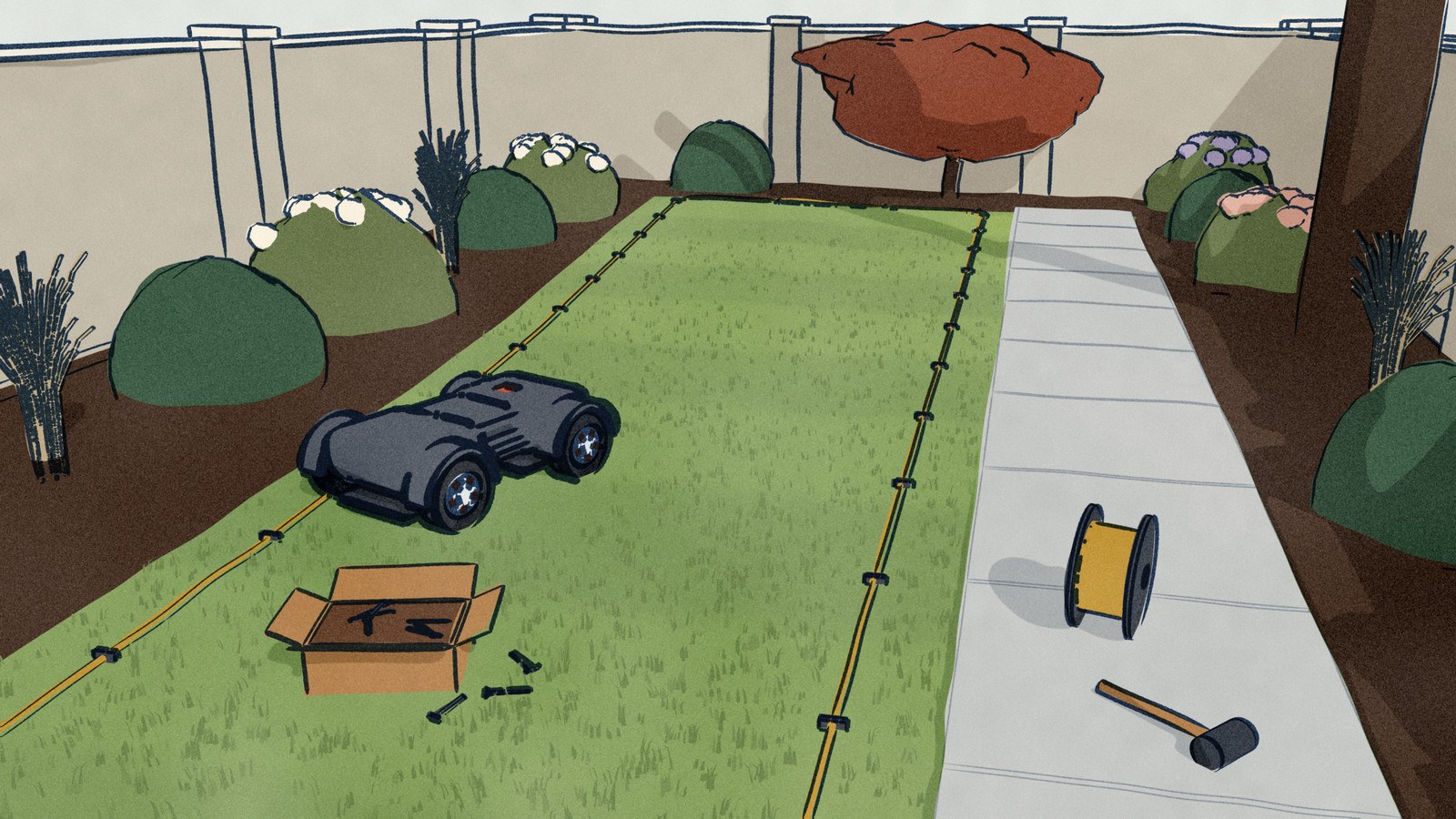
Mammotion LUBA: does RTK positioning improve mowing across generations?
As Mammotion advanced from AWD 5000 through LUBA 2 to LUBA 3, RTK positioning became standard. This comparison examines whether each generation meaningfully addresses slope handling, coverage gaps,…
- Mammotion LUBA AWD 5000Level IV
- Mammotion LUBA 2 AWDLevel IV
- Mammotion LUBA 3 AWD 5000Level IV
Four ways to evaluate a robot


Mammotion LUBA: does RTK positioning improve mowing across generations?
As Mammotion advanced from AWD 5000 through LUBA 2 to LUBA 3, RTK positioning became standard. This comparison examines whether each generation meaningfully addresses slope handling, coverage gaps, and reliability concerns.


Consumer humanoid robots in 2026: do they live up to the marketing?
Humanoid robots promise household automation. Marketing claims how much autonomy each delivers. We compare what 1X NEO, Tesla Optimus Gen 3, Figure 03, and Unitree H1 actually do today against their stated…


iRobot Roomba: what’s gated behind the subscription?
iRobot charges monthly for advanced mapping, scheduling, and integrations on newer Roombas. We compare what works without a subscription and what requires payment across three current models.


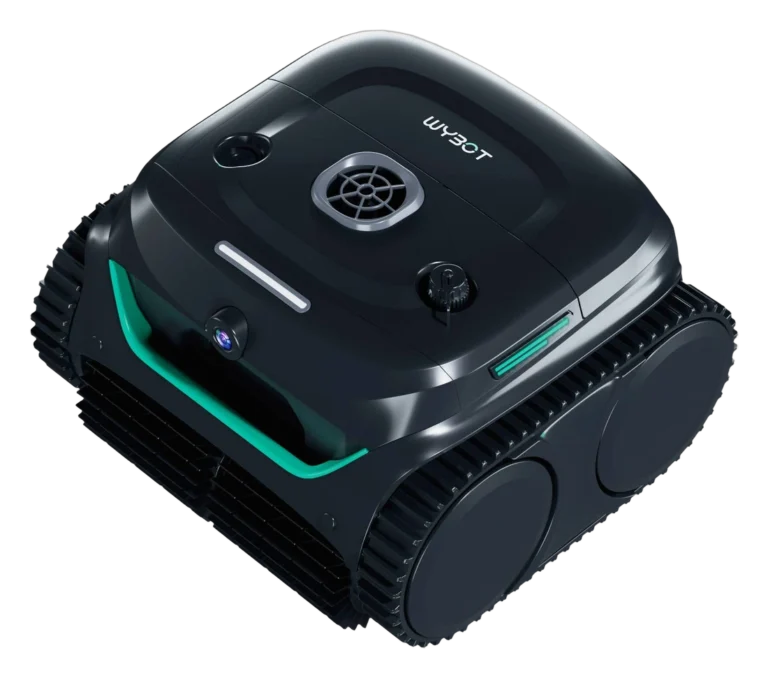
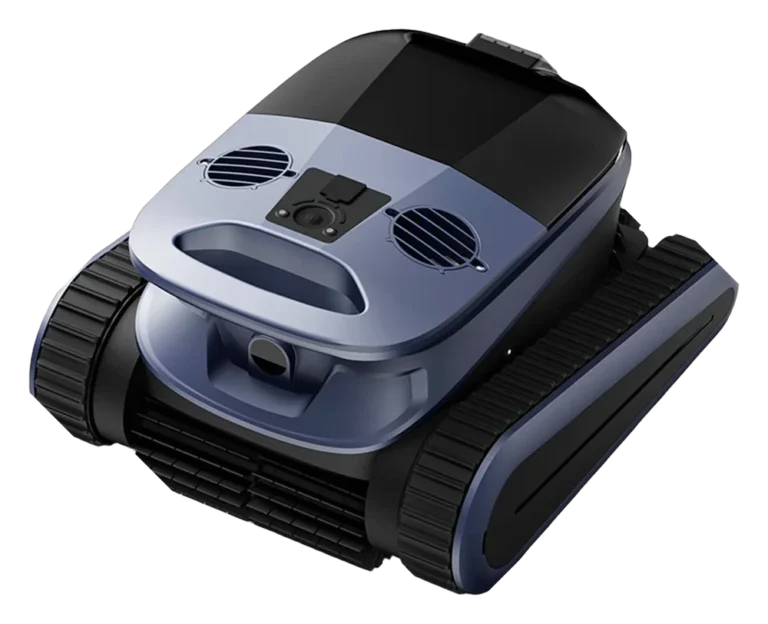
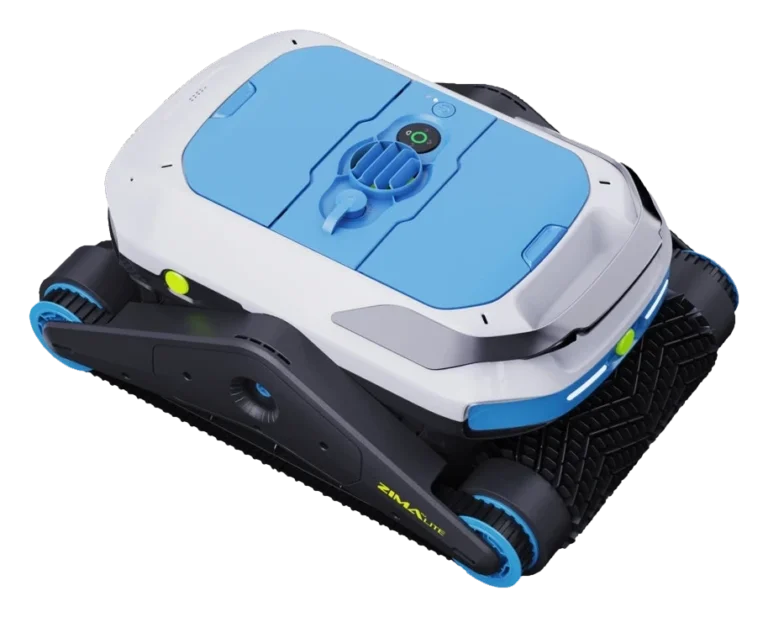
Pool robots for leaves vs fine silt: which filter do you need?
Four Level III pool robots prioritize filter architecture for seasonal debris. Evaluates multi-stage cartridge systems, basket capacities, and clogging tendency in tree-heavy and dust-prone environments.


LiDAR vs camera robot vacuums: which works in the dark?
Robot vacuums navigate dark rooms through different sensor architectures. We compare LiDAR-first designs against camera-dependent systems across obstacle detection, low-light performance, and scheduling reliability.


Unitree humanoid robots: what do they cost beyond the price tag?
The Unitree R1, G1, and H1 occupy different price tiers. This comparison examines the ownership burden each imposes: consumables, repair access, software support, and long-term viability for research and commercial deployments.


What can’t a sub-$300 LiDAR robot vacuum do?
Roborock Q5, SwitchBot K10+, TP-Link Tapo RV30 Max Plus, and Dreame L10 Pro each market hands-off autonomous operation. Documented owner reports and manufacturer specs show where that promise holds at the sub-$300…


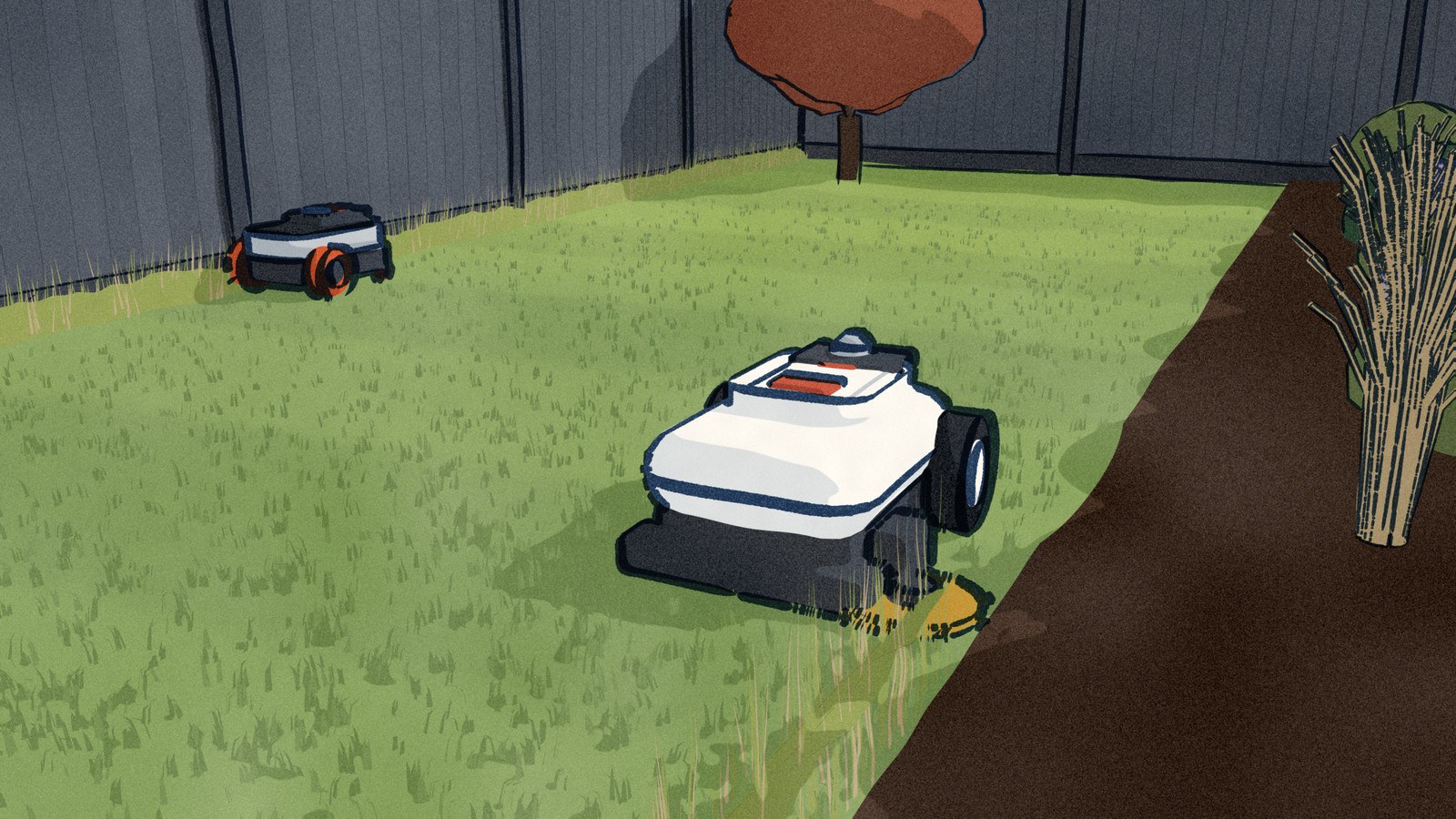
Can robot mowers handle tall grass on a neglected lawn?
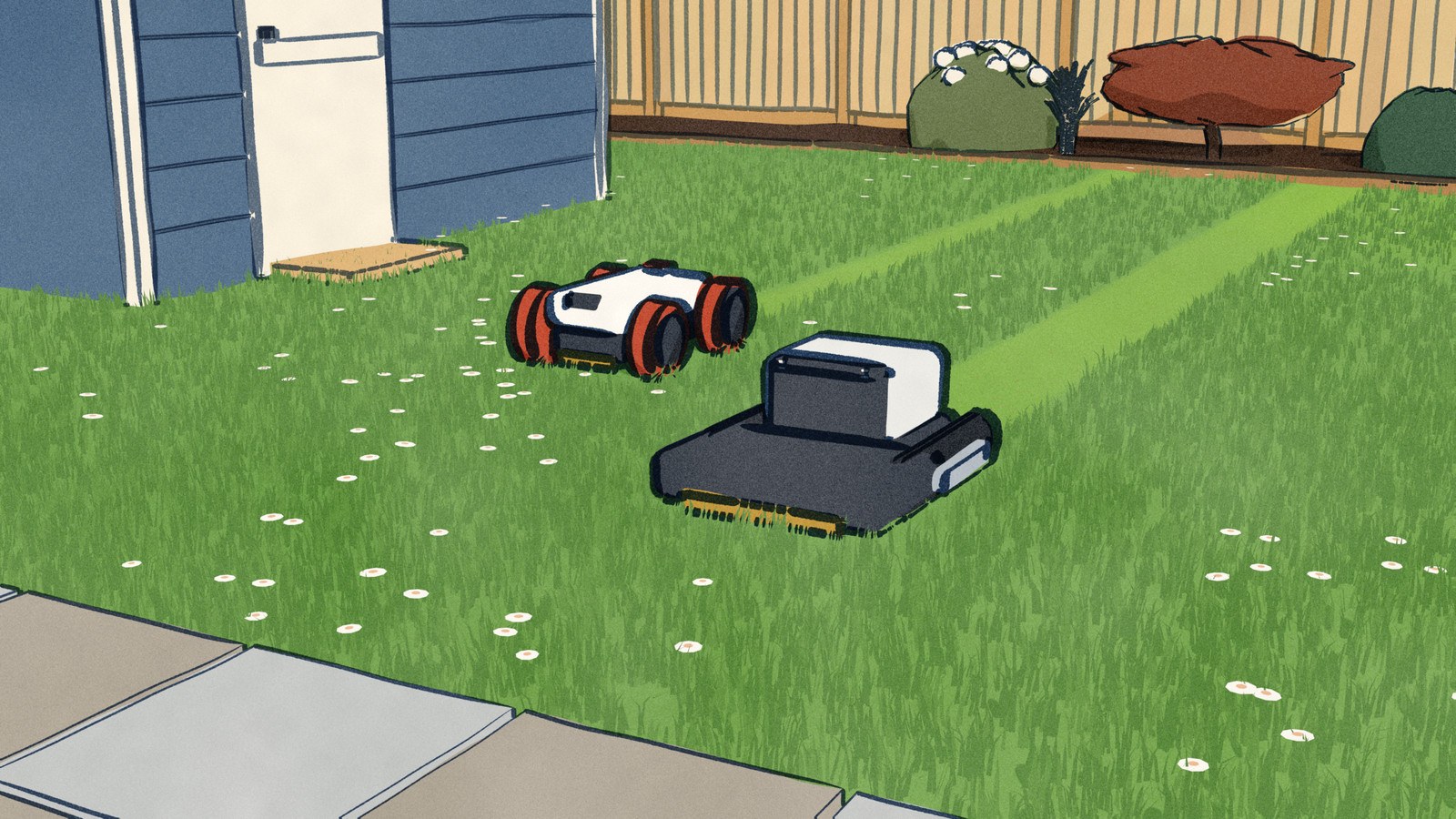
Robot mowers claim all-terrain autonomy, but four current platforms reveal different ceilings for tall and overgrown grass. Mammotion LUBA 3 AWD, Dreame A1, EcoFlow Blade, and Ecovacs Goat G1 each carry documented…


Do robot mowers cut the last inch along edges?
All four mowers automate the main cutting pass, but fences, garden bed edges, and wall bases still demand a follow-up trimmer. This comparison tests whether manufacturer claims about edge finish hold against…


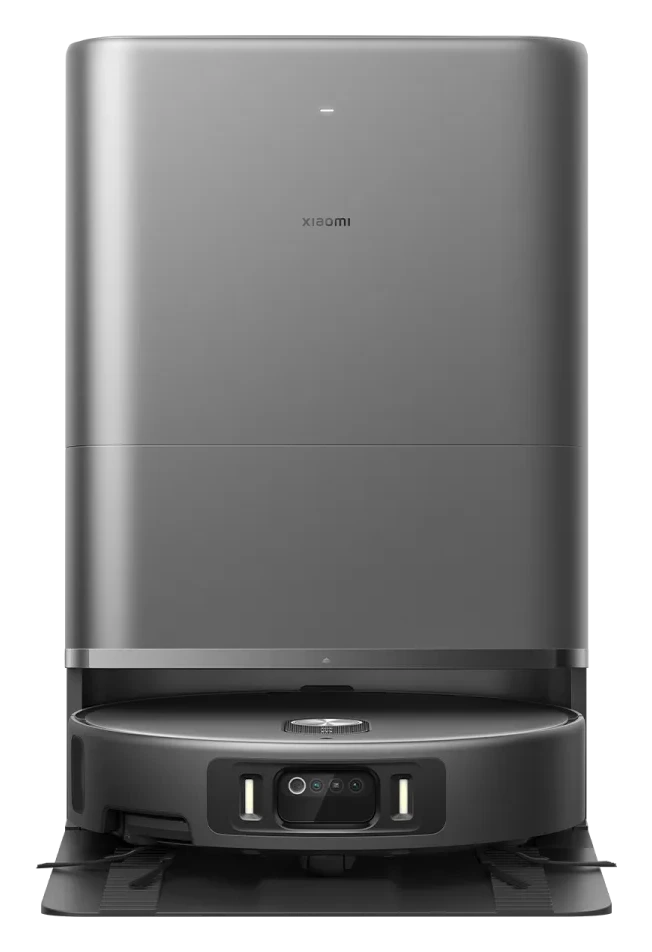
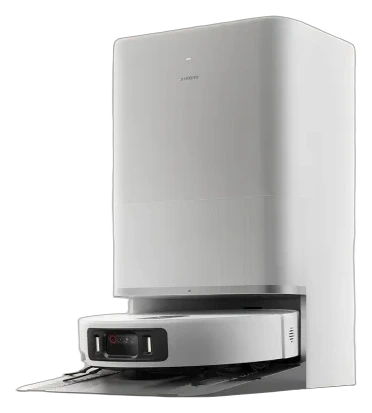
How much space does a self-emptying robot vacuum dock need?
Larger docks extend time between bag emptying, but require dedicated real estate. This comparison weighs footprint against convenience for homes with limited dock space.


Do robot mowers work in shaded, tree-canopy yards?
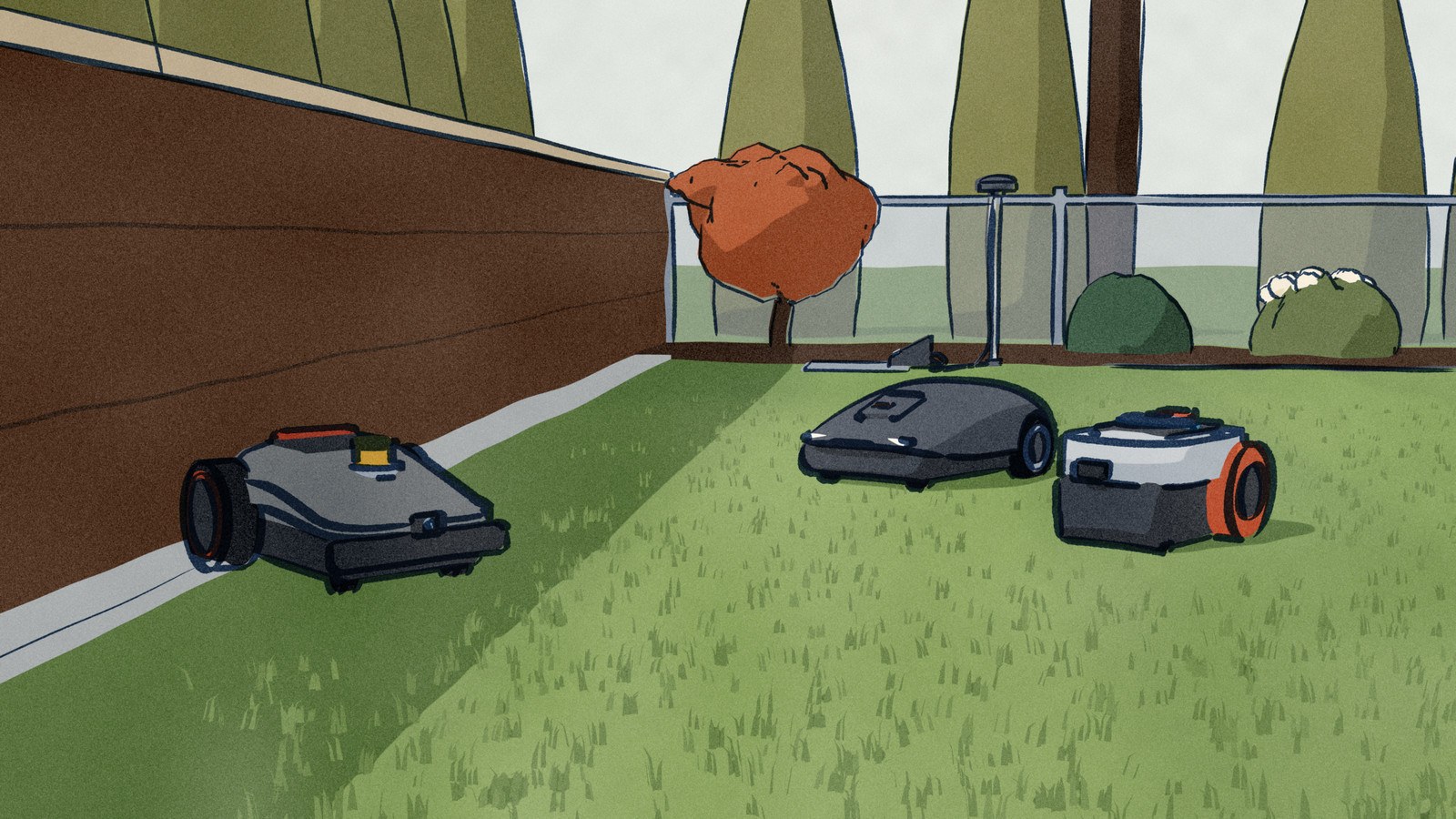
Dense tree canopy blocks satellite signals and dims the light vision systems need. This comparison investigates how four wire-free mowers, using LiDAR, UWB beacons, RTK-GNSS, and camera vision, hold their position and…


Budget wire-free robot mowers under $1,500: what do you give up?
Four wire-free mowers at or under $1,299 are rewriting the entry price for boundary-free lawn autonomy. This comparison examines what each architecture sacrifices in positioning robustness, slope tolerance, obstacle precision, and brand-support…