
Wire-free robot mowers compared: what do you actually get?
Evidence depth tracks time on the market.
Worx and Ecovacs have been sold since 2023 and 2024, with owner reports and multi-year firmware notes to show for it; TerraMow's release date and AIRSEEKERS' evidence stop…
Read the comparison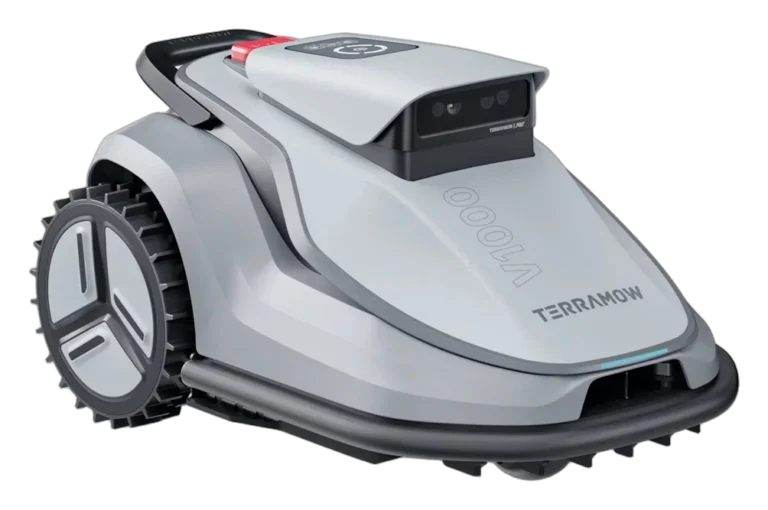
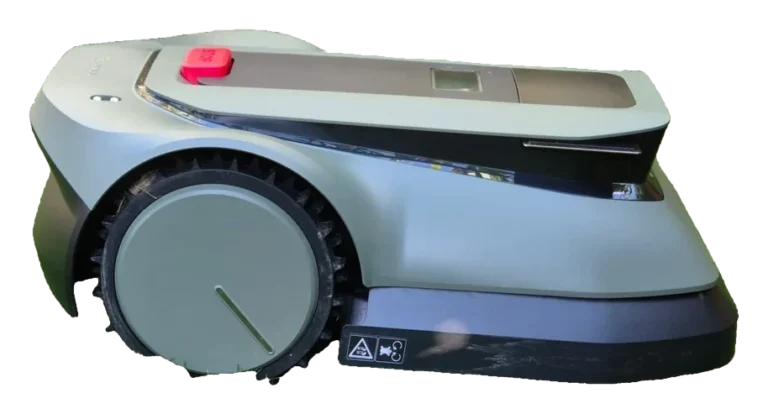
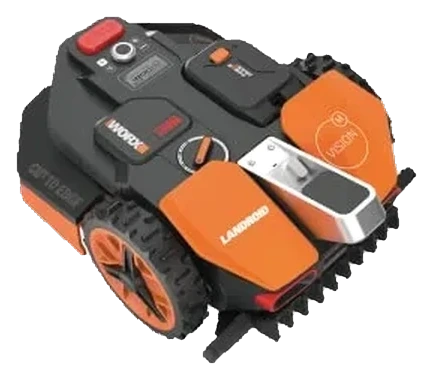
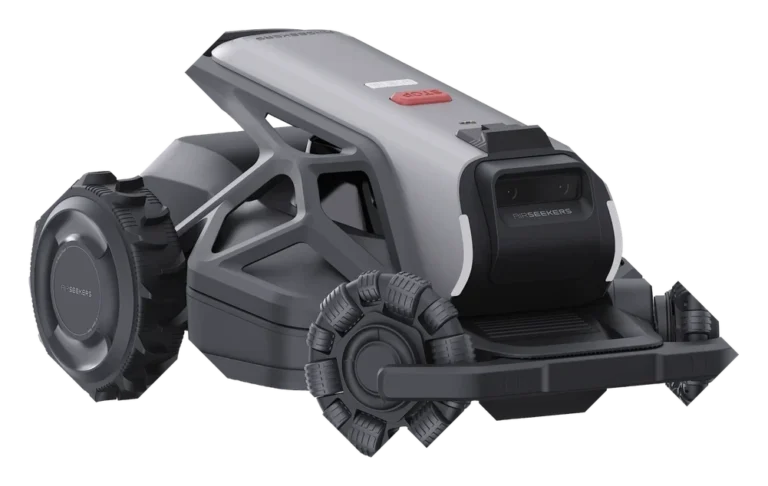
TerraMow V1000, Ecovacs Goat GX-600, Worx Landroid Vision M800 and Airseekers Tron SE
Four ways to evaluate a robot
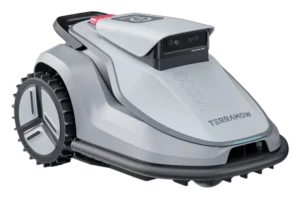
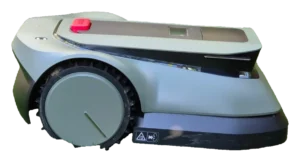
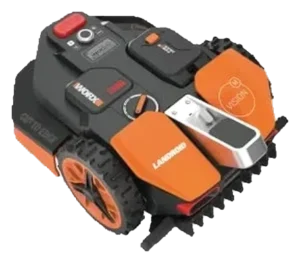

Wire-free robot mowers compared: what do you actually get?
TerraMow V1000, Ecovacs Goat GX-600, Worx Landroid Vision M800, and AIRSEEKERS Tron SE all navigate lawns by camera without a boundary wire. Their documented evidence ranges from years of owner reports to…
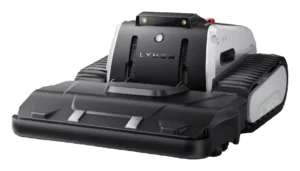
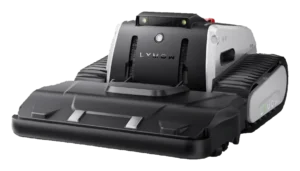
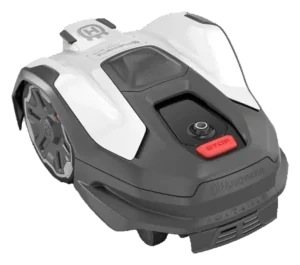
Kress KR282 vs Lymow One vs Husqvarna 410VE NERA: how they compare
Four Level IV wire-free robot mowers, compared on slope rating, coverage area, and boundary hardware rather than ranked: the Kress KR282 EyePilot 4×4 RTKn, Lymow One, Lymow One Plus, and Husqvarna Automower…
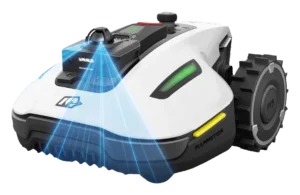
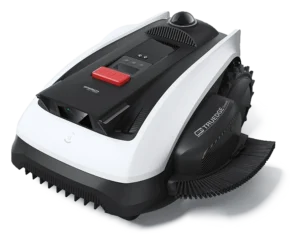
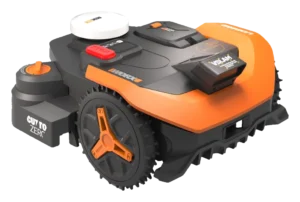
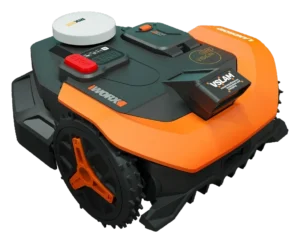
Mammotion, Ecovacs, and Worx Wire-Free Mowers: What Fits?
Four robot lawn mowers now classify at Autonomy Ladder Level IV without a buried wire: the Mammotion YUKA mini 2 1000H, Ecovacs Goat O1000 LiDAR PRO, and Worx Landroid Vision Cloud WR310…
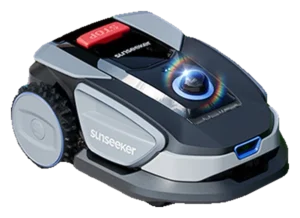
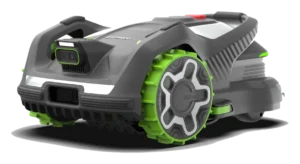
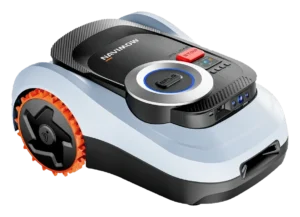
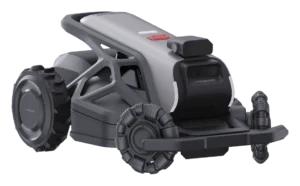
Sunseeker S4 vs Greenworks C20Z vs Segway i215 vs Airseekers Tron
Sunseeker S4, Greenworks AiMowbot C20Z, Segway Navimow i215 LiDAR and Airseekers Tron all hold Level III classification and skip buried perimeter wire, but their coverage ceilings, navigation methods and documented evidence differ…
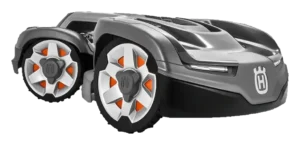
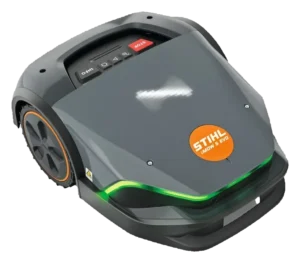
Robot mowers: does mulch quality or coverage matter more?
Robot mowers market themselves on a lawn-care premise borrowed from push mowers: coverage plus quality. Tested across four wire-guided platforms, the evidence separates clipping fineness and pattern consistency from the broader claim…
Goko M6 vs MOVA LiDAX Ultra 3000: what does ownership cost?
Goko M6 and MOVA LiDAX Ultra 3000 AWD share a $2,999 price and the same Autonomy Ladder rung, but one has shipped and one has not. This piece tracks documented first-year consumable…
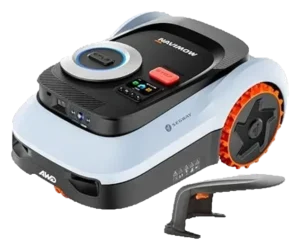
RTK-plus-camera or LiDAR: two Segway Navimow architectures
Segway's two current Navimow mowers use different navigation architectures: the i2 AWD pairs RTK positioning with VisionFence cameras, while the i215 LiDAR scans the yard with LiDAR sensors instead. Both are wire-free…
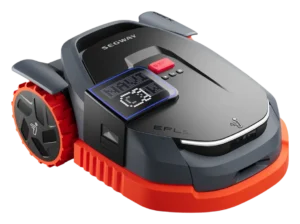
RTK Satellite or LiDAR: Two Navimow Navigation Approaches
Segway sells two Navimow navigation architectures side by side: RTK satellite positioning proven across multiple seasons, and a newer LiDAR-based system that drops satellite dependency but ships with a smaller coverage ceiling…
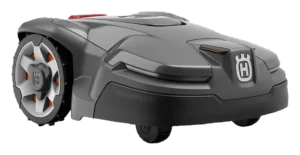
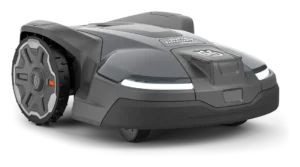

Robot mower blades: pivoting discs vs. fixed decks
Five robot mowers, two blade architectures. The Husqvarna Automower and Segway Navimow lines use small blades pivoting on a spinning disc; the Robomow RS630 and RC308 Pro X use a single fixed…
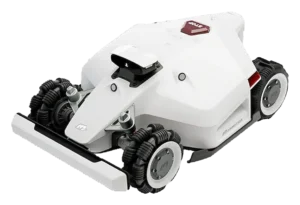
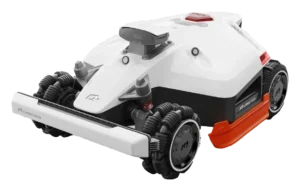
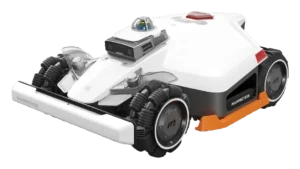
Mammotion LUBA: does RTK positioning improve mowing across generations?
As Mammotion advanced from AWD 5000 through LUBA 2 to LUBA 3, RTK positioning became standard. This comparison examines whether each generation meaningfully addresses slope handling, coverage gaps, and reliability concerns.
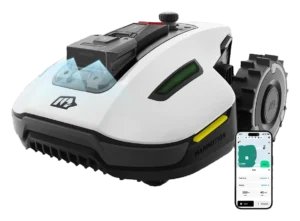
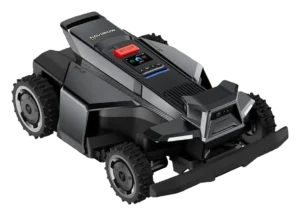
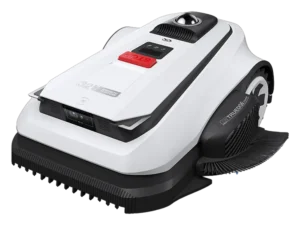
Do robot mowers cut the last inch along edges?
All four mowers automate the main cutting pass, but fences, garden bed edges, and wall bases still demand a follow-up trimmer. This comparison tests whether manufacturer claims about edge finish hold against…
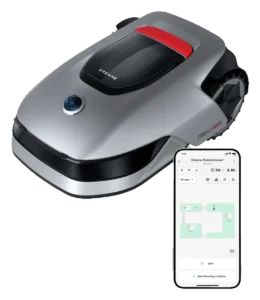
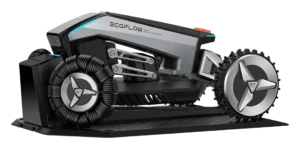

Can robot mowers handle tall grass on a neglected lawn?
Robot mowers claim all-terrain autonomy, but four current platforms reveal different ceilings for tall and overgrown grass. Mammotion LUBA 3 AWD, Dreame A1, EcoFlow Blade, and Ecovacs Goat G1 each carry documented…