
Wire-free robot mowers compared: what do you actually get?
Evidence depth tracks time on the market.
Worx and Ecovacs have been sold since 2023 and 2024, with owner reports and multi-year firmware notes to show for it; TerraMow's release date and AIRSEEKERS' evidence stop…
Read the comparison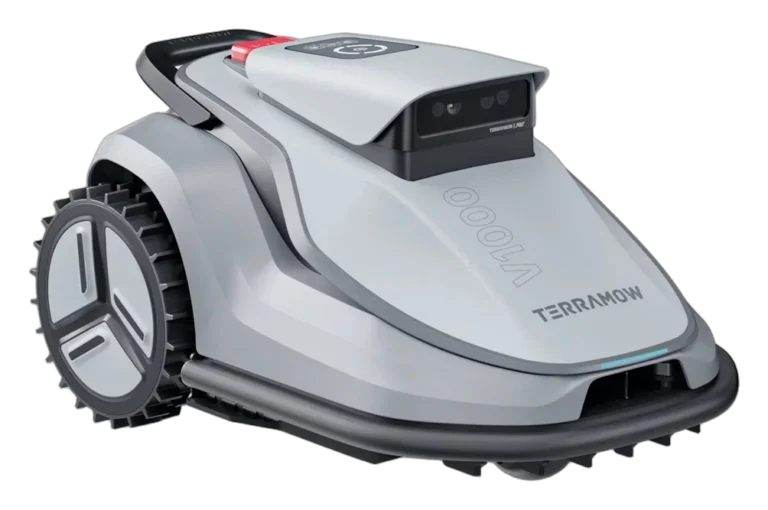
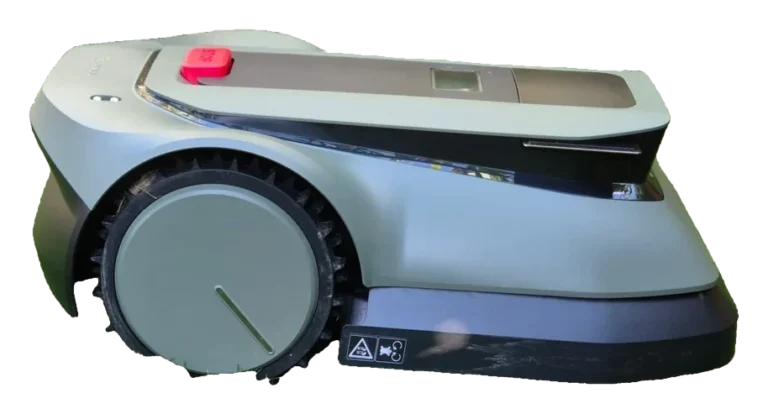
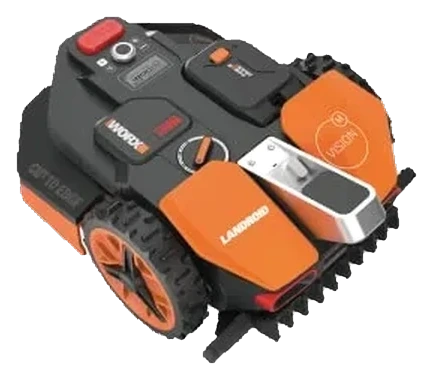
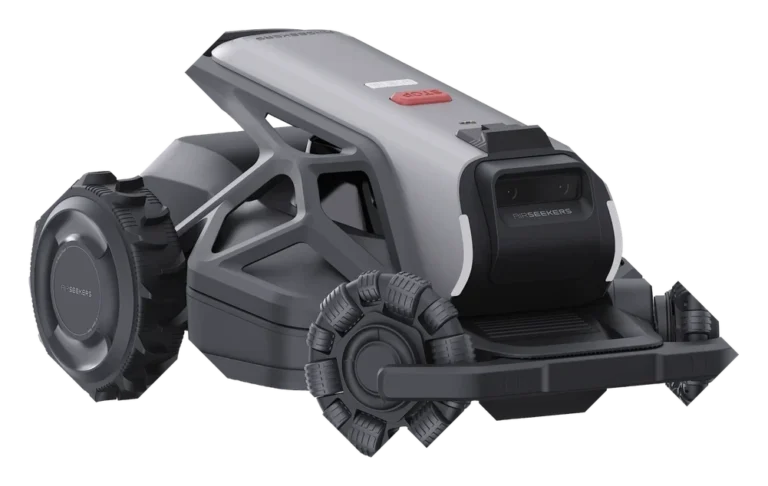
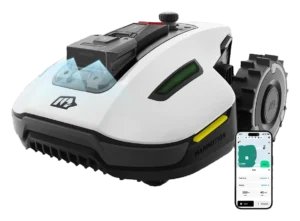
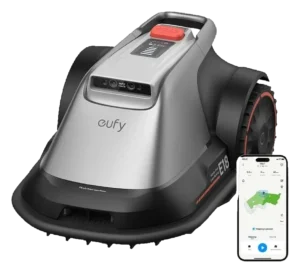
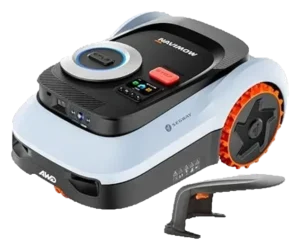
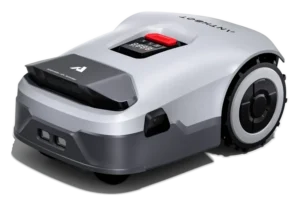
TerraMow V1000, Ecovacs Goat GX-600, Worx Landroid Vision M800 and Airseekers Tron SE
Four ways to evaluate a robot
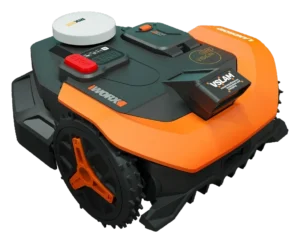
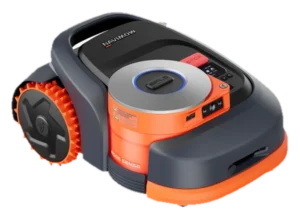
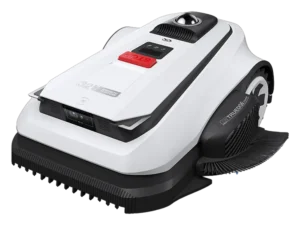
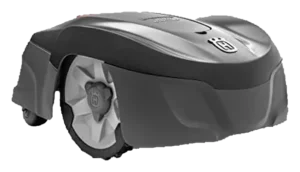
Do robot mowers actually avoid kids and pets?
Four robot mowers marketed as family-yard-ready use three distinct avoidance architectures. This comparison tests whether each platform’s claims about obstacle detection translate to documented behavior around low, fast-moving subjects like pets and…

Do robot mowers work in shaded, tree-canopy yards?
Dense tree canopy blocks satellite signals and dims the light vision systems need. This comparison investigates how four wire-free mowers, using LiDAR, UWB beacons, RTK-GNSS, and camera vision, hold their position and…

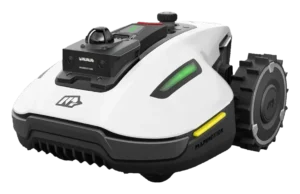
Budget wire-free robot mowers under $1,500: what do you give up?
Four wire-free mowers at or under $1,299 are rewriting the entry price for boundary-free lawn autonomy. This comparison examines what each architecture sacrifices in positioning robustness, slope tolerance, obstacle precision, and brand-support…
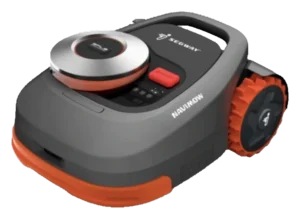
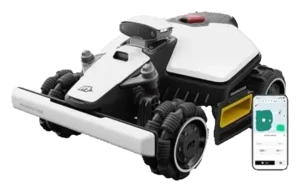
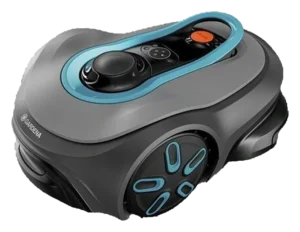
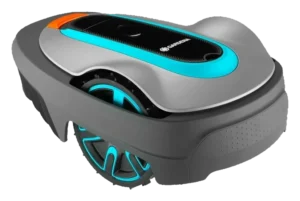
Do robot mowers need a subscription or cloud connection?
Four robot mowers span the full spectrum of connectivity dependence: one runs offline with no account required, two rely on cloud-assisted positioning to function, and one occupies the subscription-free GPS middle. This…
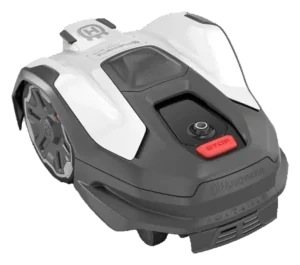
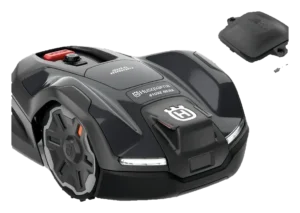
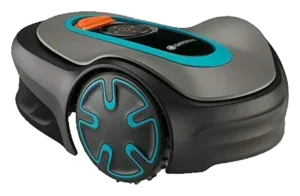
Robot mower theft: do PIN locks and GPS recovery actually work?
Robot mower marketing frames anti-theft as comprehensive protection. Documented features across four platforms range from PIN-gated app access to live GPS tracking to no security feature at all, with alarm deterrence undocumented…
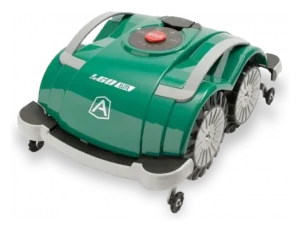
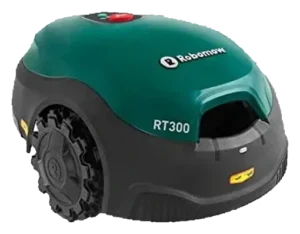

Small urban lawns: is a simple wired robot mower better than RTK?
Four compact robot mowers for yards under 250 square meters. Gardena Sileno City, Ambrogio L60 Elite, Robomow RT300, and Yard Force Compact 400Ri each take a different approach to boundary management. This…
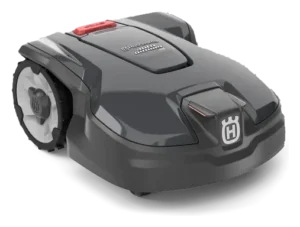
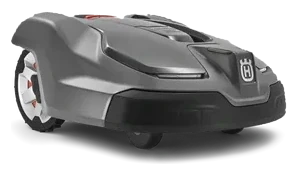
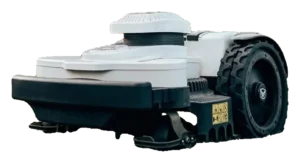
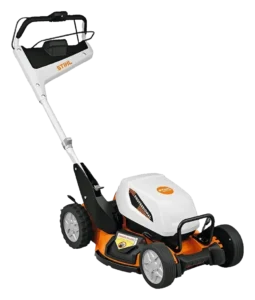
Legacy mowers vs wire-free robot mowers: support, parts, reliability
Husqvarna, Ambrogio, and Stihl share the same boundary-wire foundation but diverge sharply on dealer reach, parts access, and years of field data. This comparison maps the support and longevity burden across four…
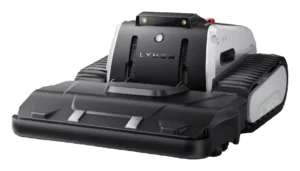
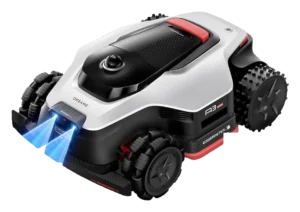
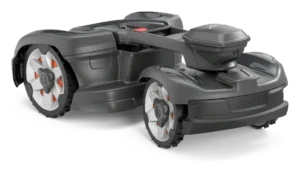
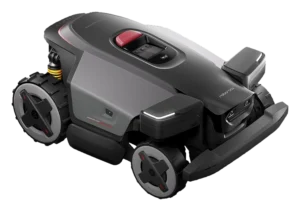
Can a robot mower replace a ride-on on over an acre?
Four wire-free Level IV robot mowers claim large-acreage autonomy. This comparison investigates which can sustain daily coverage across 1+ acre properties and where multi-session charging cycles or slope ceilings force a human…
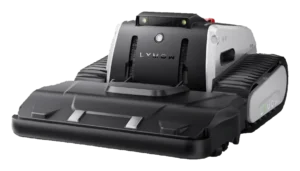
Do wire-free robot mowers with sensor fusion navigate better?
Three wire-free mowers, three positioning architectures. LiDAR-only navigation, RTK plus stereo-camera fusion, and RTK plus AI vision each fail differently when their primary signal degrades. The gap is not precision; it is…
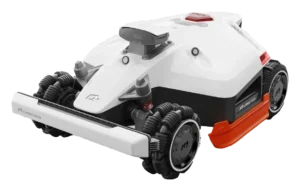
RTK vs EPOS robot mower positioning: which is more accurate?
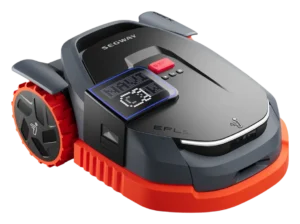
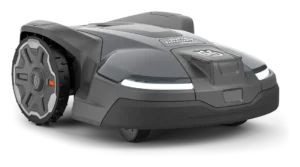
Wire-free robot mowers now split between single-band RTK and multi-constellation EPOS satellite positioning. This comparison examines what each architecture delivers under canopy, on slopes, and across setup complexity for the Mammotion LUBA…
Robot mower with or without a boundary wire: which is better?
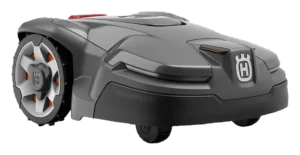
Three robotic mowers, two navigation architectures. The Husqvarna Automower 415X uses boundary wire with GPS assist. The Husqvarna 435X AWD NERA and Mammotion LUBA 2 AWD operate on satellite virtual boundaries. Each…
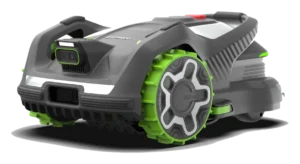
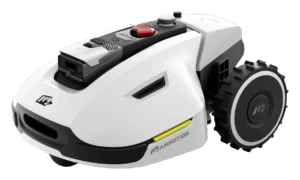
Robot mowers for detached lawns: zones, transport paths, and second docks
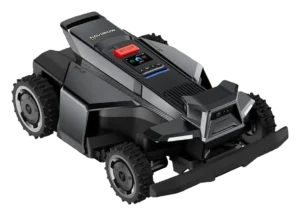
Four wire-free RTK mowers face the front-yard-plus-backyard problem: crossing a driveway, saving independent zone maps, and whether a second dock is required for detached areas. Segway Navimow X4, Greenworks AiMowbot C20Z, Mammotion…