
Wire-free robot mowers compared: what do you actually get?
Evidence depth tracks time on the market.
Worx and Ecovacs have been sold since 2023 and 2024, with owner reports and multi-year firmware notes to show for it; TerraMow's release date and AIRSEEKERS' evidence stop…
Read the comparison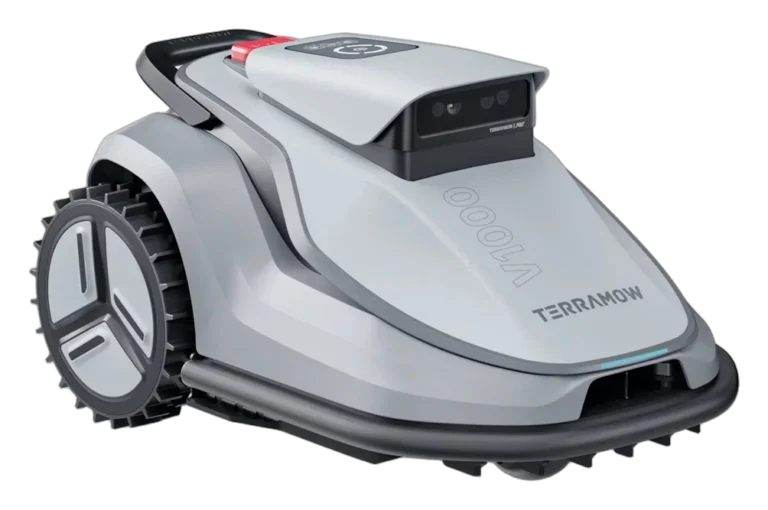
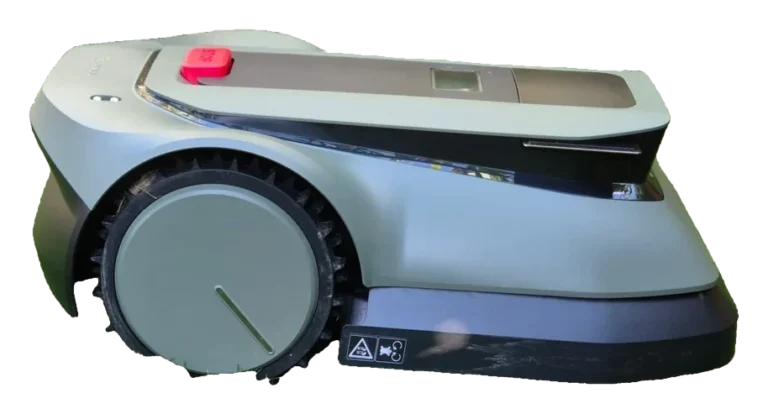
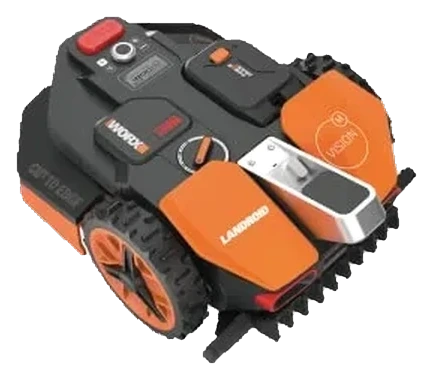
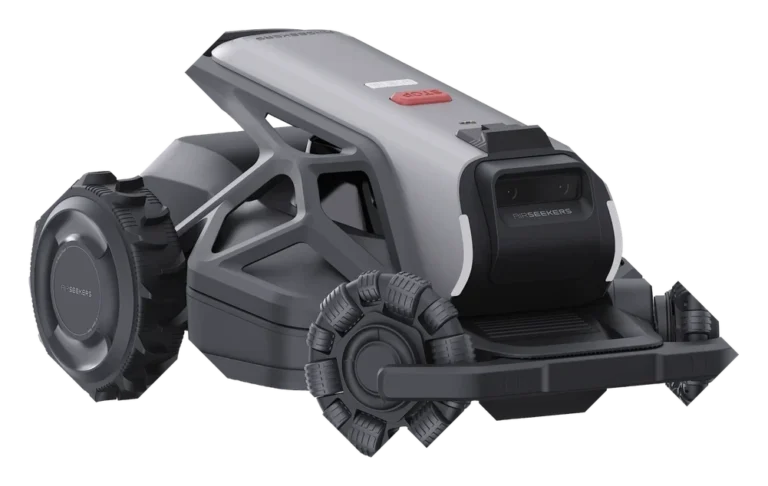
TerraMow V1000, Ecovacs Goat GX-600, Worx Landroid Vision M800 and Airseekers Tron SE
Four ways to evaluate a robot
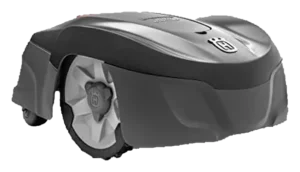
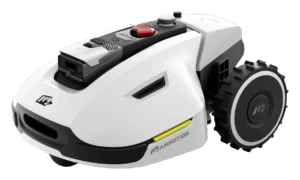

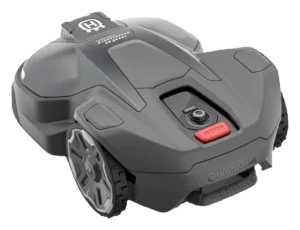
Setup time across wire, RTK, and vision mowers?
Setup time for a robot mower ranges from under an hour to a full afternoon of physical labor, depending on navigation method. This piece maps the installation demands of four mowers across…
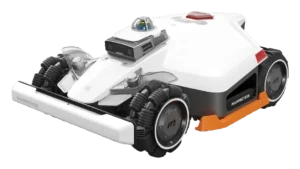

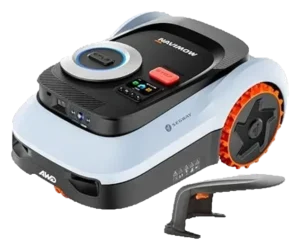
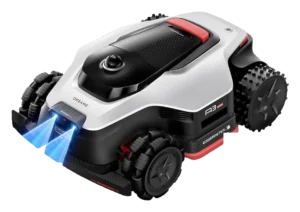
Robot mowers on wet grass: AWD traction and turf protection compared
Four wire-free AWD robot mowers claim to handle soft, rain-softened ground. This comparison examines traction architecture, rain-sensor thresholds, cutting behavior, and whether any of them will tear your lawn when the soil…
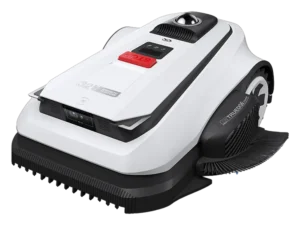
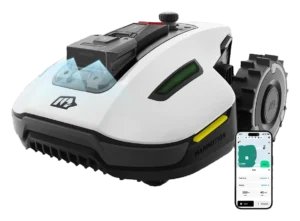
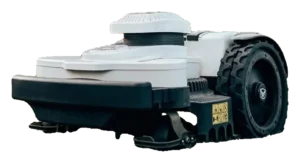

Robot mowers for fragmented yards: zone transit and narrow passages
Four robot mowers, two navigation architectures. Ecovacs Goat A3000 LiDAR PRO and Mammotion YUKA 3000 map corridors autonomously without buried wire; Ambrogio Twenty Elite and Robomow RS630 follow a continuous perimeter loop…
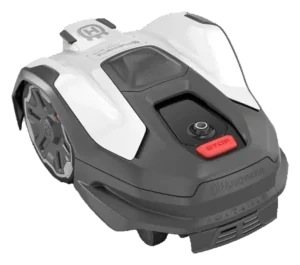
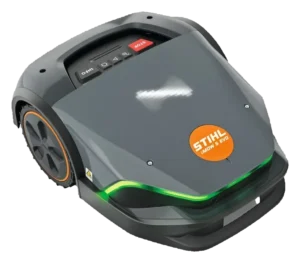
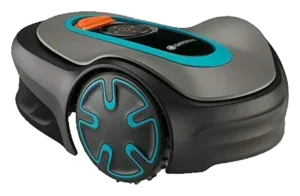
Robot mowers and the off-season: winterizing, storage, and the maintenance owners forget
Four robot mowers, four different off-season rituals. From Husqvarna’s satellite re-survey to Gardena’s wire inspection, the teardown burden varies as much as the purchase price across a three-year window of winterizing, storage…
Boundary wire vs RTK robot mowers: which is worth the install effort?
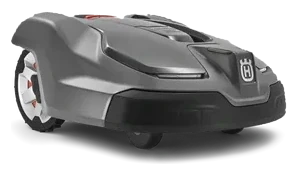
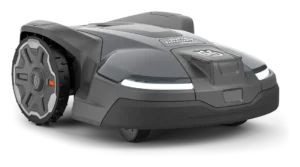
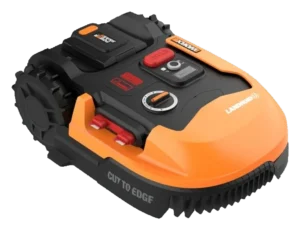
Boundary wire mowers (Husqvarna, Worx) require perimeter installation but operate reliably in any weather. RTK models (Mammotion, newer Husqvarna) skip the wire but demand cellular/satellite coverage and cost more upfront.
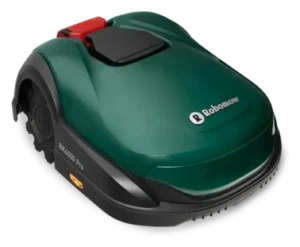
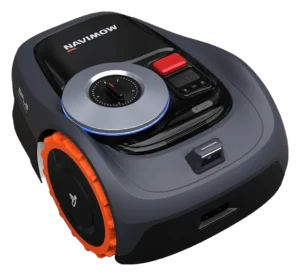
Which robot mower handles small yards under 5000 sq ft with tight corners
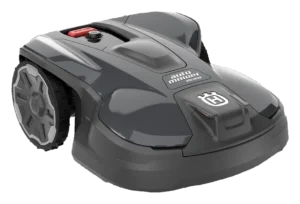
Small yards demand agile navigation and efficient charging. Comparing four robots: Husqvarna Automower 320 NERA, Worx Landroid M 20V, Robomow RK4000, and Segway Navimow i Series.
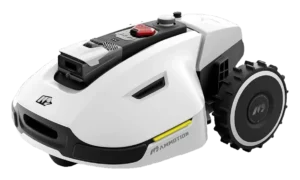
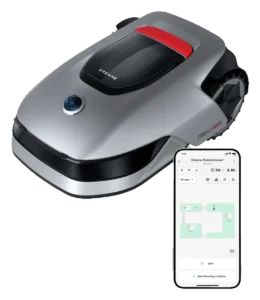
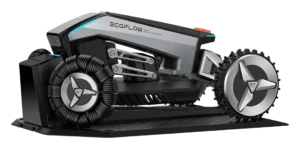
Vision-only robot mowers: can camera systems match RTK precision?
Mammotion Yuka 2000, Dreame Roboticmower A1, and EcoFlow Blade represent a shift toward camera-based navigation. This comparison examines whether vision systems close the gap with RTK-equipped mowers.
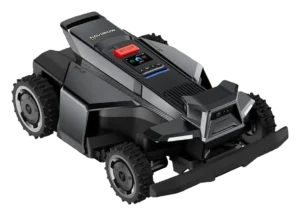
RTK robot mower setup: what app-guided install actually means for owners
RTK-based lawn mowers promise app-guided installation, but setup complexity varies widely. This comparison examines how different manufacturers implement satellite-based positioning and boundary configuration for homeowners.
Which robot mower handles large yards without daily intervention?
Large yards above one acre demand extended coverage and minimal user management. This comparison examines how four leading robotic mowers balance autonomy, charging efficiency, and terrain adaptation for sprawling properties.
Which robot mower handles sloped yards? Drivetrain and traction tradeoffs.
Steep yards demand traction over speed. This comparison evaluates AWD mowers against 2WD and single-wheel alternatives, covering slope capacity, tire grip, and rollover protection across four established models.
Robot mowers for quarter-to-half-acre yards: where setup effort matches yard scale
Four mowers spanning wire-bound and RTK autonomy for small yards. Comparison centers on setup complexity, operational scale, charging cycles, and dock placement constraints at 0.25-0.5 acres.
Quiet robot mowers for neighborhood-friendly scheduling: noise levels and timing
Four autonomy-class mowers tested for manufacturer-disclosed noise, quiet-hours flexibility, and scheduling fit for HOA-restricted and early-morning yards. Balancing decibel ratings with real-world owner perception.