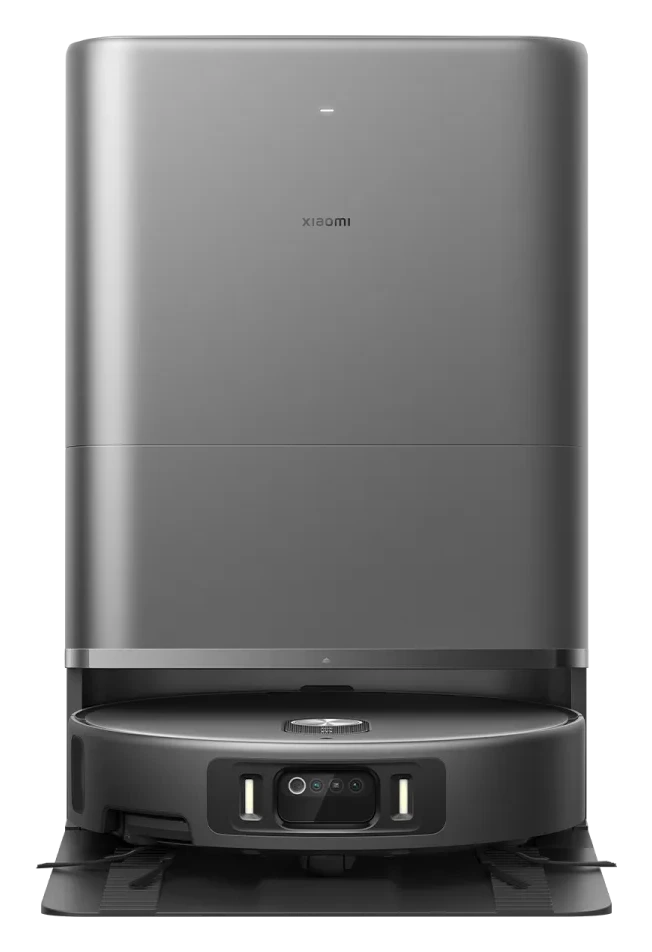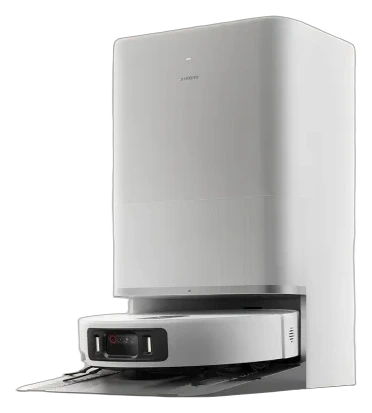
DJI ROMO P2 vs Eufy X10 Pro Omni: what’s each for?
Different mechanisms answer different reach problems.
DJI's arm and climbing legs target under-furniture and ledge obstacles a fixed chassis cannot reach; Eufy's dock instead automates pad washing and mid-run refill.
Read the comparison

DJI ROMO P2 and Eufy RoboVac X10 Pro Omni
Four ways to evaluate a robot


EngineAI T800 vs Unitree H2 vs Dobot Atom: what are they for?
Three Level II humanoids priced within $5,000 of each other took different paths to market: EngineAI restricts sales to China, Unitree sells direct with no stated use case, and Dobot documents a…


PNDbotics Adam vs AgiBot A2: what does each actually do?
PNDbotics Adam and AgiBot A2 are both Level II humanoids sold only to enterprise and research buyers, with no consumer channel. This comparison examines what published evidence documents about each platform's demonstrated…


Honor D1 Lightning vs Tiangong 3.0: what can each robot do?
Honor D1 Lightning and X-Humanoid Tiangong 3.0 are both pre-release, Level III humanoids demonstrated at staged events rather than sold to consumers. This comparison sets what each has actually shown, hands, specifications…


Honor D1 Lightning vs HMND 01 Alpha: what’s each actually for?
Honor D1 Lightning and HMND 01 Alpha are both Level III humanoids with no consumer pathway yet. One has demonstrated marathon-distance locomotion; the other completed a documented industrial manipulation trial. This comparison…


Persona AI Gen 1 vs XPENG Iron: what’s each built for?
Persona AI Gen 1 and XPENG Iron are both Level II home humanoids at pre-release stage, but their evidence differs: one shows industrial partnerships and investment, the other detailed hardware specifications and…


Which home robots still rely on a human teleoperator?
Weave's Isaac 0 and Isaac 1, LG's Q9 AI Agent, and Sunday Robotics' Memo each price home-robot autonomy differently. Manufacturer documentation and Robovations' classification records show which platforms document a routine human…


Warehouse humanoid robots: real deployments vs demo reels
Digit, Figure 02, Apptronik Apollo, and Unitree H2 each claim readiness for industrial work. This comparison tests marketing claims against documented deployment evidence, task scope, and autonomy classification across four platforms, separating…


Consumer humanoid robots in 2026: do they live up to the marketing?
Humanoid robots promise household automation. Marketing claims how much autonomy each delivers. We compare what 1X NEO, Tesla Optimus Gen 3, Figure 03, and Unitree H1 actually do today against their stated…


Unitree humanoid robots: what do they cost beyond the price tag?
The Unitree R1, G1, and H1 occupy different price tiers. This comparison examines the ownership burden each imposes: consumables, repair access, software support, and long-term viability for research and commercial deployments.


Do humanoid robots actually deploy as easily as they claim?
Manufacturers promise simple integration and rapid deployment timelines. Documented experience from research labs and early adopters reveals calibration overhead, custom task development, and sustained engineering effort. This comparison tests five setup-related claims…


Home humanoids you can preorder in 2026: what does the deposit buy?
Four preorder humanoids, four different versions of 'available.' Weave Isaac 0, Prosper Alfie, SwitchBot Onero H1, and NEURA MiPA each carry a deposit path. What each deposit actually secures in documented autonomous…