Skip to content
Saved

Goal-based/Humanoid Robots/2 robots compared/Reviewed Aug 2026

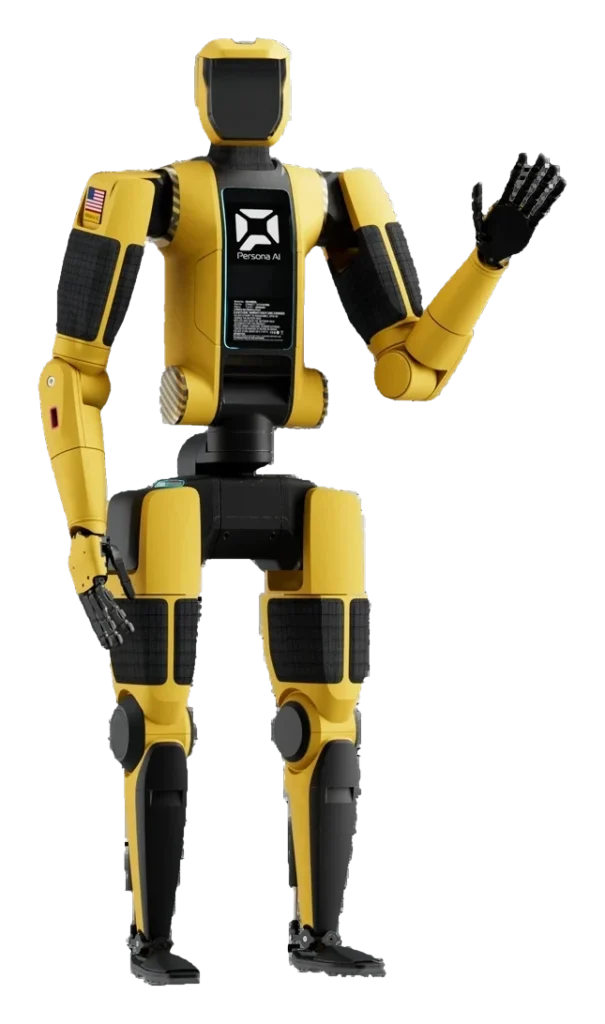
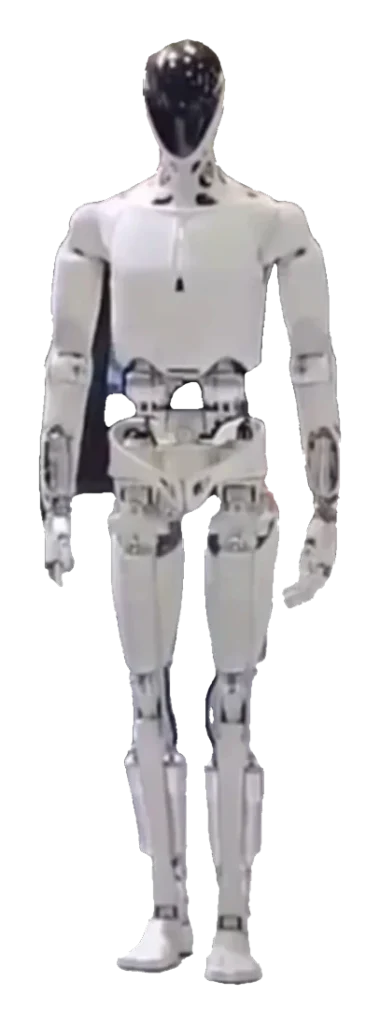
Persona AI Gen 1 vs XPENG Iron: what’s each built for?

Disclosure levels differ sharply.XPENG has published detailed physical and compute specifications for Iron; Persona AI has disclosed partnership and investment evidence but no comparable hardware figures for Gen 1.
Full specifications6 measurements · 8 of 12 documented
Battery type
Li-ion
All-solid-state
Navigation
Not documented
Bipedal locomotion driven by the VLA 2.0 vision-language-action model running on three in-house XPeng Turing AI chips totalling 2,250 TOPS. XPeng has not detailed the sensor suite or the mapping method.
Weight
Not documented
154.3 lbs
Form factor
bipedal
Not documented
Released
Dec 2025
Nov 2025
Degrees of Freedom
Not documented
82
01/05

What industrial application does each robot target first?

Each program has named a first industrial use case ahead of any consumer or household application.

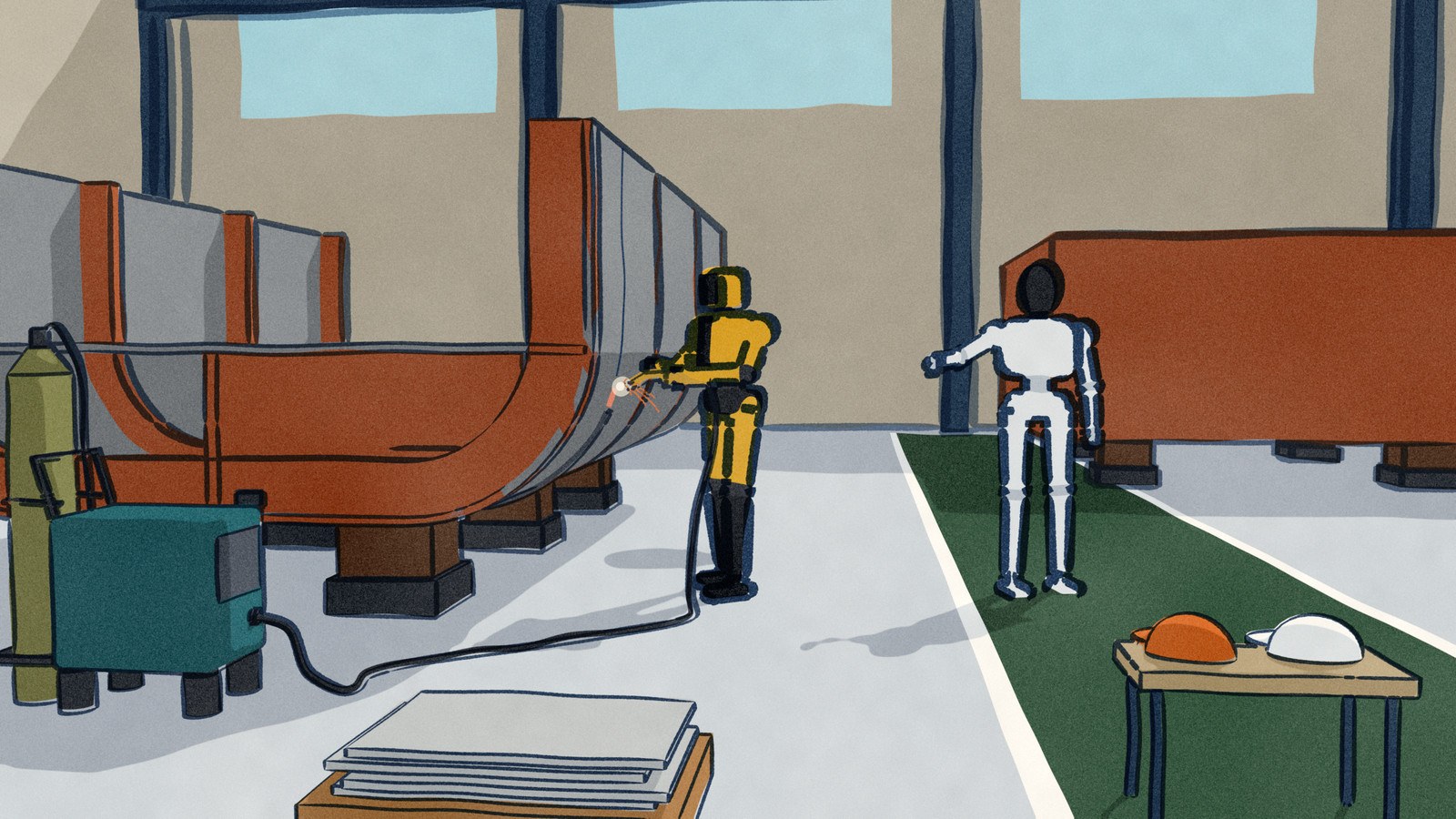
Where they differPersona AI Gen 1 — Named industrial partner: HD Hyundai (shipbuilding)
EvidencePersona AI Gen 1XPENG Iron
Named industrial partnerHD Hyundai (shipbuilding)DiffersNone publicly named
Secondary partner engagementPOSCO steel mills, PoC scheduled Feb 2026DiffersNot disclosed
Stated first deployment sectorHeavy industry (shipbuilding, steel)Manipulation tasks, sector unspecified
Household or consumer channelNone statedNone stated
Sources & evidence
Persona AI partner disclosures, 2025-2026

Persona AI has named HD Hyundai and POSCO as industrial partners, with a scheduled on-site proof of concept at POSCO steel mills from February 2026.

XPeng manufacturer disclosures

XPENG has not named a specific industrial deployment partner or sector for Iron beyond describing it as manipulation-focused.

02/05

How much of each robot's hardware is publicly disclosed?

One program has published detailed physical and compute specifications; the other has released no hardware figures.

Where they differXPENG Iron — Onboard compute: 3 Turing AI chips, 2,250 TOPS
EvidencePersona AI Gen 1XPENG Iron
Height and weightNot disclosed178 cm, 70 kg
Degrees of freedomNot disclosed82 DOF (22 per hand)
Onboard computeNot disclosed3 Turing AI chips, 2,250 TOPSDiffers
Battery architectureNot disclosedAll-solid-state battery
AI model stack namedNot disclosedVLA 2.0 (vision-language-action)
Sources & evidence
XPeng manufacturer specifications

XPeng has published detailed physical and compute specifications for Iron, including height, weight, degrees of freedom, onboard chip count, and battery architecture.

Persona AI public disclosures

Persona AI has not released comparable hardware figures for Gen 1, consistent with its concept-stage classification.

03/05

What evidence exists of autonomous task completion?

Neither program has published a documented autonomous task completed outside of teleoperation or scripted demonstration.

EvidencePersona AI Gen 1XPENG Iron
Autonomous task evidenceNone publishedNone published
Teleoperation dependency statedNot addressedUnresolved dependency noted
Autonomy Ladder classificationLevel II (Assisted Autonomy)Level II (Assisted Autonomy)
Bipedal locomotion demonstrated publiclyNot disclosedUnresolved, unconfirmed
Sources & evidence
Robovations classification review, Aug 2026

Neither company has published documentation of an end-to-end autonomous task completed without teleoperation, which caps both robots at Level II on the Autonomy Ladder.

04/05

What production timeline has each company stated?

One company has published a mass-production date and volume target; the other has scheduled only a proof of concept.

Where they differPersona AI Gen 1 — On-site proof of concept: POSCO steel mills, scheduled Feb 2026
EvidencePersona AI Gen 1XPENG Iron
First prototype milestoneNot disclosedBuilt to automotive standards, Jan 2026
On-site proof of conceptPOSCO steel mills, scheduled Feb 2026DiffersNot stated
Mass production target dateNot statedEnd of 2026Differs
Production volume targetNot stated>1,000 units/month before 2027 rollout
Sources & evidence
XPeng production statements, 2026

XPeng has stated mass production by the end of 2026, a target above 1,000 units per month, and a 2027 global rollout, following a January 2026 prototype build to automotive standards.

Persona AI, POSCO disclosures

Persona AI's nearest disclosed milestone is a POSCO on-site proof of concept scheduled for February 2026, with no mass-production date stated.

05/05

Who is funding and building each program?

Each program names different backing: founding-team credentials and early industrial investment on one side, an automaker's internal engineering base on the other.

Where they differPersona AI Gen 1 — Named external investment: POSCO, $3M, Dec 2025
EvidencePersona AI Gen 1XPENG Iron
Founding team backgroundNASA Valkyrie, IHMC, Figure AI CTOXPeng automotive engineering base
Named external investmentPOSCO, $3M, Dec 2025DiffersNot disclosed (in-house funded)
Parent company or independentIndependent startupXPeng subsidiary/division
Stated consumer pricingNot disclosedNot disclosed
Sources & evidence
Persona AI founding team, POSCO investment disclosures

Persona AI's founding team includes members with NASA Valkyrie and IHMC backgrounds and a former Figure AI CTO; POSCO moved from a $3 million December 2025 investment toward the scheduled proof of concept.

XPeng manufacturer disclosures

XPENG Iron is developed within XPeng's own automotive engineering base, with no external investment figure disclosed.

In closing

What the evidence shows

Patterns that emerged across the questions above.

01

Disclosure levels differ sharply

XPENG has published detailed physical and compute specifications for Iron; Persona AI has disclosed partnership and investment evidence but no comparable hardware figures for Gen 1.

02

Both remain capped at Level II

Neither program has documented an autonomous task completed without teleoperation or human oversight, which places both robots at the same Autonomy Ladder rung despite differing evidence types.

03

Timelines point toward different proofs

Persona AI's nearest milestone is an on-site industrial proof of concept, while XPENG has stated a mass-production date and volume target, an unresolved teleoperation dependency notwithstanding.

Common questions

What readers ask about this comparison.

Q.
Are Persona AI Gen 1 and XPENG Iron the same Autonomy Ladder level?
Yes. Both are classified at Level II, Assisted Autonomy, with no published evidence of autonomous task completion without teleoperation or oversight.
Q.
Has XPENG published hardware specifications for Iron?
Yes. XPeng has disclosed height, weight, degrees of freedom, onboard chip count, and battery architecture for Iron, per manufacturer statements.
Q.
What industrial partners has Persona AI named for Gen 1?
Persona AI has named HD Hyundai in shipbuilding and POSCO in steel manufacturing, with a scheduled on-site proof of concept at POSCO facilities from February 2026.
Q.
When has XPENG stated Iron will reach mass production?
XPeng has stated a target of end of 2026 for mass production, with a volume goal above 1,000 units per month ahead of a 2027 global rollout.
Q.
Can consumers buy either robot?
No. Neither Persona AI Gen 1 nor XPENG Iron has a stated consumer price or purchase channel; both remain industrial or pre-production programs.
Next up

Wire-free robot mowers compared: what do you actually get?

Read the comparison
Comparison ID: RV–CMP–9284 · Last reviewed Aug 25, 2026 · Based on owner reports, manufacturer documentation, and firmware release notes