
Claims against testing
Do humanoid robots actually deploy as easily as they claim?
None of these is sold to consumers yet. Makers describe ready-to-deploy humanoids; this page sets those claims beside what each documents about getting one, connecting it to a site and running it day to day.
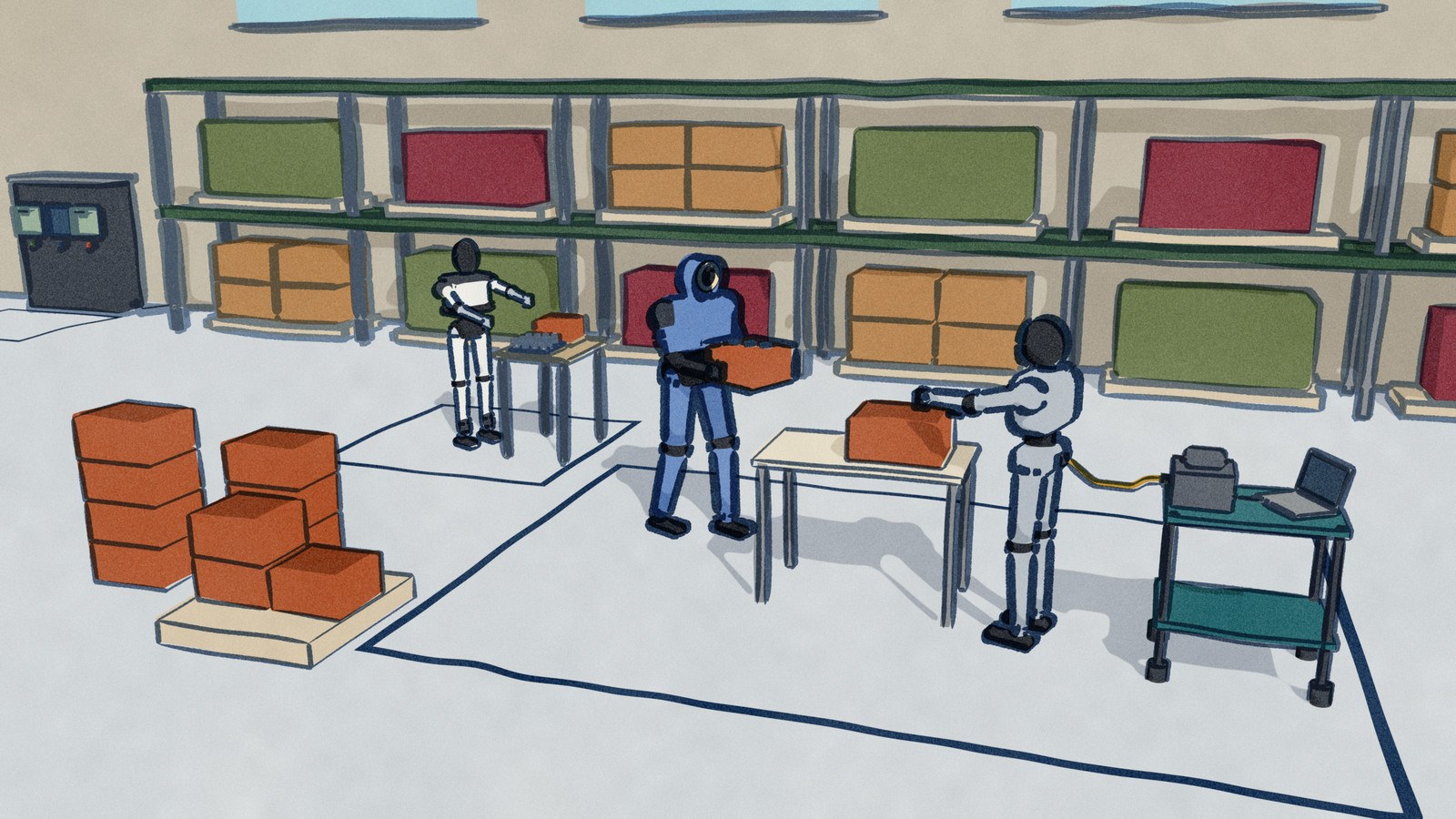
This page checks
- How you get oneWho can order, and the price if printed
- Systems it connects toWhat the maker lists for integration
- Where it worksNamed sites and scope
- How it is runAutonomous, remote or developer control
- Power and chargingHours, and how it recharges

Boston Dynamics
Where to buy
Early adopters only; all 2026 deployments are already committed
Electric Atlas CES 2026 Appearance Marks First Major Public Trade Show Debut

Unitree
Where to buy
Sold by quote through Unitree sales; research robot

Tesla
No order page found; first builds are for Tesla's own use
Tesla Optimus V3 production falls far short of 20,000-per-week goal
Full specifications14 figures on record · 8 differ
Some links earn Robovations a commission. Nothing on this page is ranked by it.
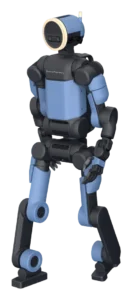 Atlas
Atlas H1
H1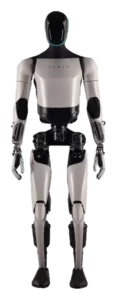 Optimus Gen 3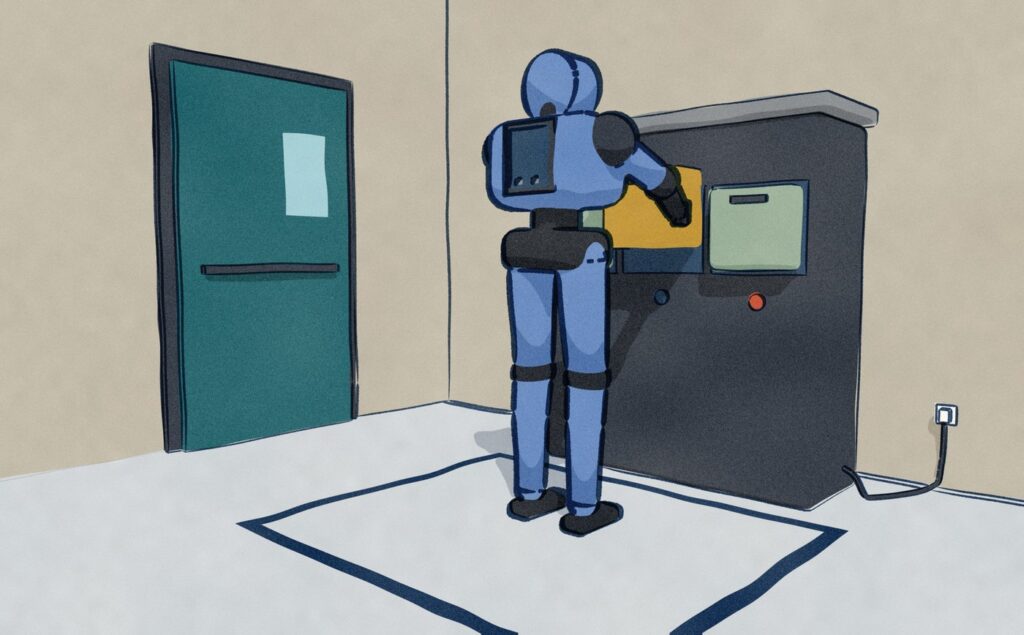
Setup on paper
What deploying each one involves
Boston Dynamics says Atlas connects to factory systems through its Orbit software and swaps its own battery. Its 2026 units are all committed, to Hyundai and Google DeepMind. Unitree sells the H1 by quote at $90,000, and its teleoperation code needs an Ubuntu PC and a headset. Tesla's first builds stay in-house.
No price found
Select early adoptersAll 2026 deployments are committed to Hyundai and Google DeepMind. More customers are planned for early 2027. Buyers contact Boston Dynamics.
Boston Dynamics launch post
$90,000listed
Shop title reads "Contact us for the real price". Customs duties are extra.
Unitree shopNo price found
No order page foundTesla's own page returned an error. Its Q2 2026 update says first builds go to its Optimus Academy.
Tesla Q2 2026 update
Connects to MES, WMS and other industrial systems through Orbit software. A skill learned by one robot can be sent to the fleet.
Boston Dynamics launch postTeleoperation code needs Ubuntu 20.04 or 22.04, Python 3.10 and the unitree_sdk2_python library.
Unitree code repositoryNot found
No integration documentation found in the update letter or April 2026 coverage.
Tesla Q2 2026 updateTraining siteat Hyundai
The Robotics Metaplant Application Center is a testbed for integrating Atlas. Phase 1 opened Sep 2026. Assembly work is planned by 2030.
Boston Dynamics news, Sep 2026No site found
The shop and spec pages name no customer site.
Unitree shop and spec pageNo customer site found
Initial builds go to Tesla's own Optimus Academy for training data collection.
Tesla Q2 2026 update- Autonomous mode
- Teleoperation
- Tablet steering
Three control methods listed at launch on 5 Jan 2026.
Boston Dynamics launch post- Headset teleoperation
- Autonomy claim: not found
Unitree's code supports arm teleoperation from a headset. No autonomy claim on the spec page.
Unitree code repositoryNot found
No control or teleoperation statement found.
Tesla Q2 2026 update4hours
Navigates to a charging station and swaps out its own battery.
Boston Dynamics product pageNo run time found
Spec page lists a 15Ah (0.864 kWh) battery. No hours printed.
Unitree H1 spec pageNot found
No battery or run time on the pages opened.
Tesla Q2 2026 updateSame on all three: no maintenance schedule, calibration interval or failure data was found on the pages opened.
Sources
Where every figure comes from
- Atlas · Boston Dynamics product page; Atlas launch post (5 Jan 2026); Robotics Metaplant Application Center news (21 Sep 2026). The spec sheet PDF would not open as text.
- H1 · Unitree shop and H1 spec page; Unitree xr_teleoperate repository on GitHub. The user manual is image-only and could not be read.
- Optimus Gen 3 · Tesla Q2 2026 update letter (SEC filing, Jul 2026); Electrek (22 Apr 2026)
Claims come from each maker's pages read on 2 Oct 2026. Where a page would not open as text, the row says nothing was found rather than filling the figure from elsewhere.
Questions
What readers ask
Can a company order an Atlas now?
Boston Dynamics says all 2026 deployments are committed to Hyundai’s Robotics Metaplant Application Center and Google DeepMind. It plans to add customers in early 2027. The product page lists no price.
How does Atlas connect to existing systems?
Boston Dynamics says it connects to MES, WMS and other industrial systems through its Orbit software. It can run autonomously, by teleoperation, or from a tablet.
What does Unitree's H1 teleoperation code need?
Its listed requirements are Ubuntu 20.04 or 22.04, Python 3.10, the unitree_sdk2_python library, an onboard development computer and a headset such as Vision Pro, PICO 4 Ultra or Quest 3.
Common questions