
A situation
Which robot mower handles small yards under 5000 sq ft with tight corners
A small yard with tight corners puts weight on a mower's rated size, its cutting width, narrow passages and edge cutting. This page sets what each maker or tester states beside the others.

This page checks
- Rated lawn sizeThe ceiling each maker states, against 5,000 sq ft
- Cutting widthA narrower deck reaches into corners
- Narrow passagesWhat is stated about tight gaps
- Edge cuttingMowing up to borders and walls
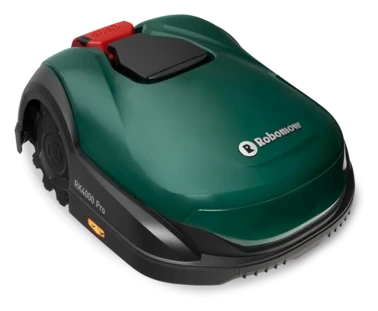
Robomow
Where to buy
Robomow's site lists the RK4000 Pro, not a plain RK4000
Firmware 2.5 adds dock realignment retry logic and moisture cutout confirmation
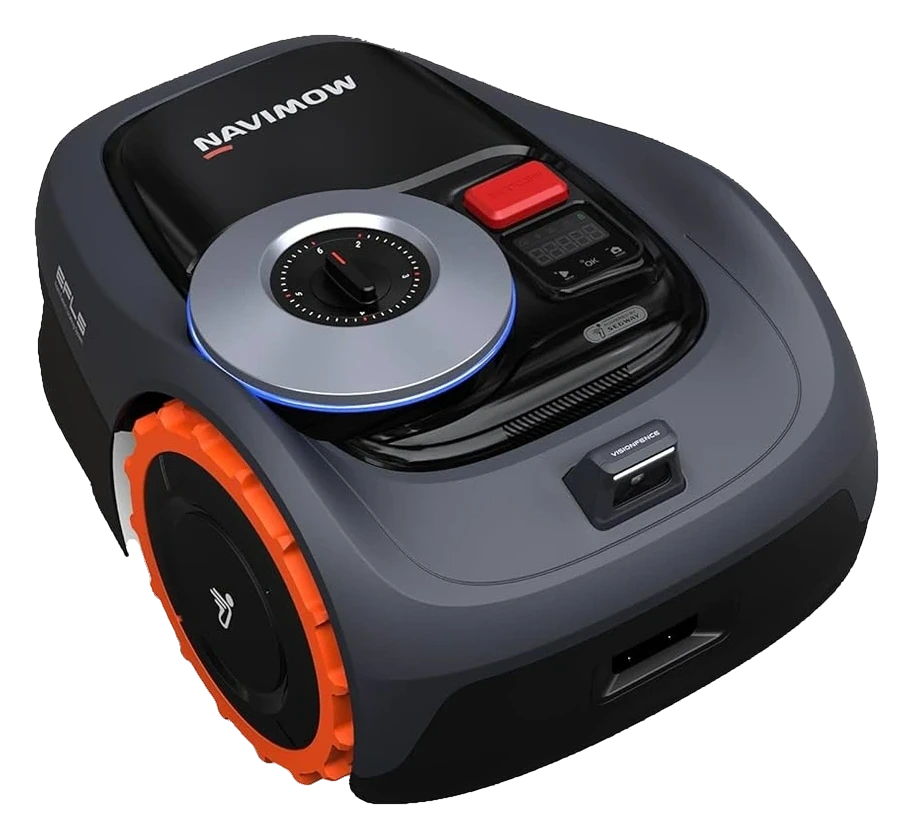
Segway
Where to buy
Maker's US page would not load; one US dealer lists it in stock
Owner community documents RTK signal loss patterns across geographic regions
Full specifications18 figures on record · 15 differ
Some links earn Robovations a commission. Nothing on this page is ranked by it.
 RK4000
 Navimow i Series
Small yard, tight corners
What a lot under 5,000 sq ft asks of each mower
Both ratings are above 5,000 sq ft; the smallest is 1/8 acre (5,445 sq ft) for the Navimow i105N tier. Cutting widths are 7.1 in and 16.5 in. No passage width was found for either. The Robomow page lists edge mode; one review of the Navimow is mixed on edges.
43,056sq ft
Printed as up to 43,056 sq ft (4,000 m²) on the RK4000 Pro page.
Robomow product page10,890sq ft
i110N tier, 1/4 acre. The i105N tier is 1/8 acre (5,445 sq ft).
US dealer listing and hands-on review16.5in
Printed as 16.5 in (42 cm) on the RK4000 Pro page.
Robomow product page7.1in
A US dealer listing and a hands-on review agree.
US dealer listing and hands-on reviewNot found
The RK4000 Pro product page lists no passage width. The manual PDF would not open as text.
Robomow product pageNot found
Maker pages would not load in full. A dealer listing and a hands-on review give no passage width.
Dealer listing, hands-on reviewRobomow's RK series page lists "Edge mode technology and mowing beyond the wheel" for the range.
Robomow RK series pageOne hands-on review praises edge detection at pavement but saw it fall off curbs on diagonal runs.
Hands-on review, May 2024Same on both: each source gives a rated lawn size above 5,000 sq ft for the main model.
Your home
How each one fits a home like yours
Set the conditions that describe your home. Each robot answers from its own Fit Check; nothing is scored until you choose.
Fit check
Describe your home
Pick what applies. Each robot answers from its own record.
Sources
Where every figure comes from
- RK4000 · robomow.com RK series page and RK4000 Pro product page; no plain RK4000 page found
- Navimow i Series · outdoor-usa.com US dealer listing; PCWorld hands-on review (20 May 2024); navimow.com pages would not load in full
Every value was read from a page opened on 2 Oct 2026. Not found means the pages named in sources were opened and say nothing, or would not load; it never means the robot lacks the feature.
Questions
What readers ask
Is a large rated area a problem on a small lot?
No rule was found in these sources. The ratings are ceilings, so a 5,000 sq ft lot sits inside all of them.
Do these mowers handle a narrow side passage?
No passage width was found for the Robomow RK4000 or the Navimow i Series.
Are these sold new in the US?
Robomow’s site lists the RK4000 Pro, not a plain RK4000. Segway’s US page for the Navimow i Series would not load on 2 Oct 2026, and one US dealer lists it in stock.
Common questions