
Segway Navimow i Series
RTK satellite navigation eliminates the perimeter-wire requirement. Autonomy comes at the cost of clear sky access and service-area registration.
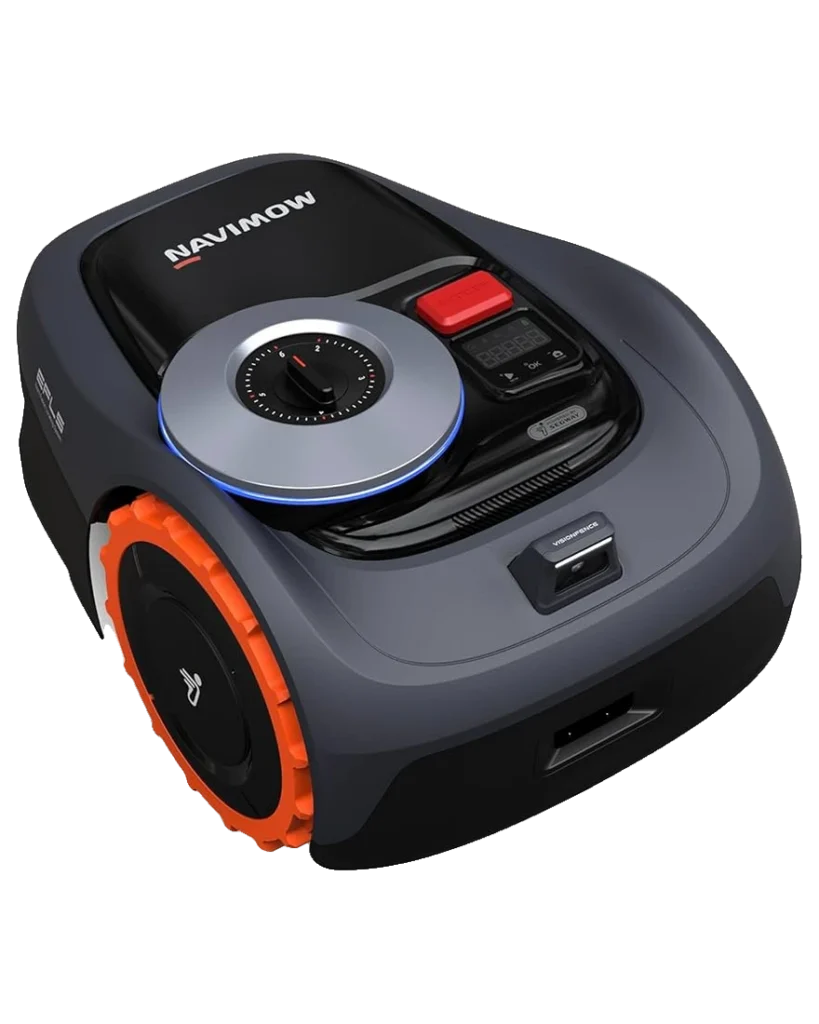
Will the Segway Navimow i Series work on your yard?
Describe your yard using the controls. Each choice reads the spec sheet for you, flagging where the Segway Navimow i Series is built for your space and where it isn’t.
A classification of fit for the conditions you set — not a recommendation. Verdicts describe engineering design intent, not test results.
The full spec sheet.
Priced below the category median, with every figure charted against the category below.
- Footprint
- 21.4 × 15.1 in · 11.2 in tall
- Weight
- 24 lbs
- Battery
- 28 Wh · Li-ion
- Wi-Fi
- Supported
RTK (Real-Time Kinematic) GNSS positioning with multi-satellite lock and digital service area mapping
Position shows where the figure sits across the tracked category — not a quality judgment.
Living with it.
Early market presence with limited field data; RTK technology leveraged across product lines but long-term reliability pending.
RTK signal loss is most common failure mode during heavy tree cover transitions or geographic boundaries. Typical resolution within 5-10 minutes of sustained lock recovery.
$999 to buy, then about $180 a year for the replaceable parts below. Over three years that is roughly $540 past the sticker price. Excludes electricity and any repairs.
- BladesEvery 3-6 months$30–60
Replacement cadence from the maintenance schedule; prices shown where the source documents them.
CautionNo perimeter confinement built-in: Operates autonomously without fencing; physical property boundaries are primary containment mechanism.
CautionNo emergency stop mid-operation: Blade engages automatically at RTK command; must reach dock or RTK loss before disengagement.
NoteNo child or pet detection: Detection not currently implemented; visual and acoustic warnings only.
How the assessment has moved.
Every announcement, release and reassessment behind the current classification.
-
Mar 2024 · ReleaseLaunches commercially in United States market
-
Jun 2024 · Assessment changePress reviews document RTK signal loss as primary operational limitation
-
Mar 2026 · AssessmentRobovations Score recorded at 78 of 100
-
Jul 2026 · AssessmentRobovations Score revised 78 → 69
-
Jul 2026 · AssessmentRobovations Score revised 69 → 74
How Segway Navimow i Series compares.
Robot mowers for small yards: does satellite positioning justify the cost?

Quiet robot mowers for neighborhood-friendly scheduling: noise levels and timing
Robot mowers for quarter-to-half-acre yards: where setup effort matches yard scale
What people actually ask.
OperationWhat happens if RTK signal is lost during mowing?
OperationCan this mower operate on larger properties?
OperationIs RTK service included, or does it require a subscription?
OperationDoes this mower include child or pet detection?
OperationHow often does the RTK system need recalibration?
 IV
IV
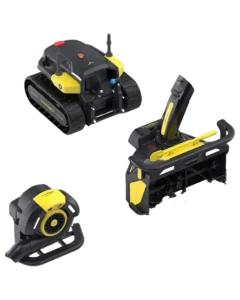
Yarbo S1
 IV
IV
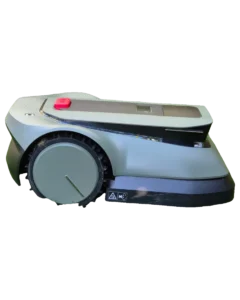
Ecovacs Goat GX-600
 IV
IV
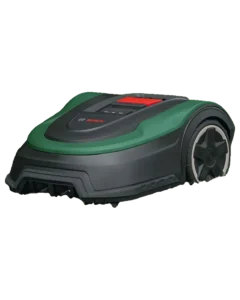
Bosch Indego M+ 700
 IV
IV
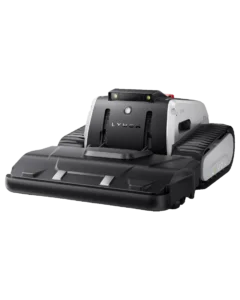
Lymow One Plus
Reference the Segway Navimow i Series classification.
Embed the Autonomy Ladder™ mark or copy the citation. The mark links back to this assessment and updates if the classification changes.