
Goal-based/Robot Lawn Mowers/3 robots compared/Reviewed Jun 4, 2026
Robot mowers for small yards: does satellite positioning justify the cost?

Full specifications19 measurements · 54 of 57 documented
The investigation
5 questions this comparison examines
How does each mower establish its operating boundary?
Three technologies handle boundary detection: onboard vision mapping, satellite RTK positioning, and RTK with LiDAR sensor fusion. Each affects setup time and operating precision differently.
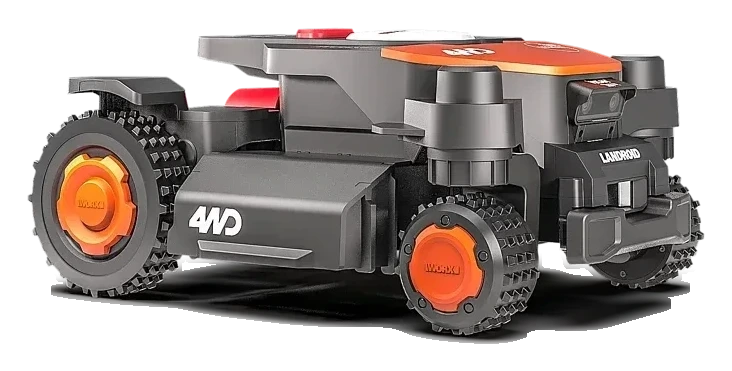
 Worx Landroid Vision L1600
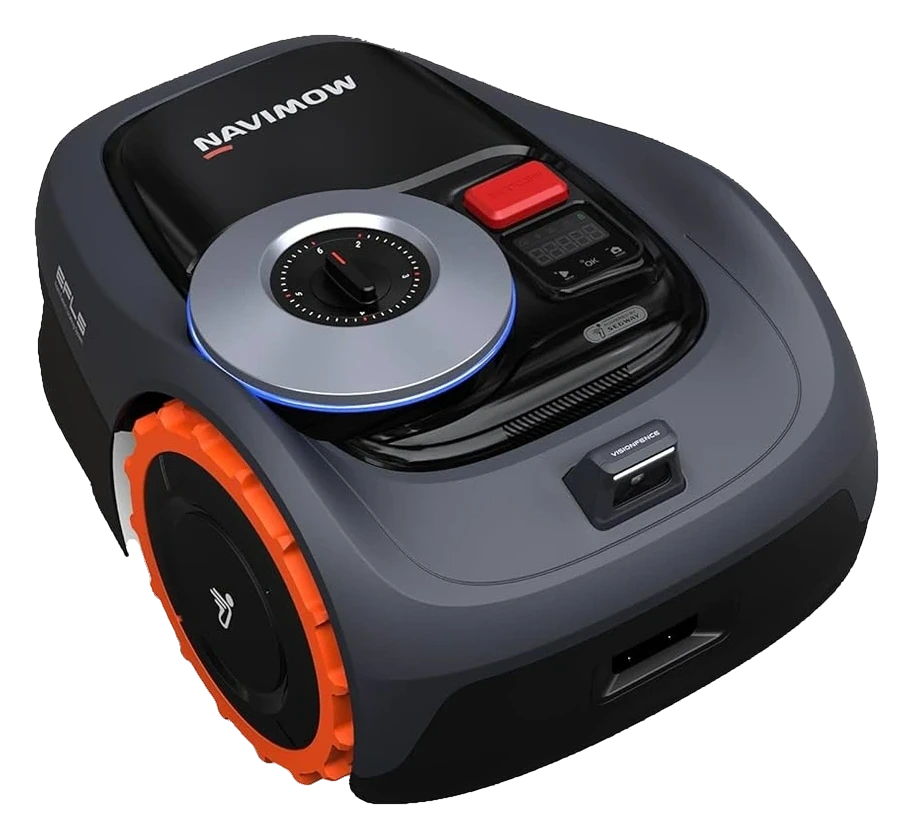
 Segway Navimow i Series
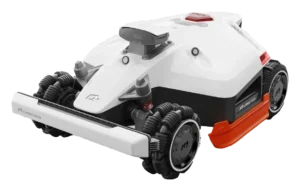 Mammotion LUBA 2 AWD
Worx documentation confirms camera-mapped boundary replaces perimeter wire entirely through initial calibration walk. Owner forum reports indicate re-mapping needed after major layout changes.
Segway RTK service requires digital mapping through mobile app; system maintains satellite lock automatically once yard is registered. Manufacturer states precision of 2-5 cm under multi-satellite lock.
Mammotion LUBA 2 requires proprietary base-station installation costing $1,500-2,000 professionally installed. Achieves 2-4 cm accuracy after property calibration.
Which robot handles small yards under 5,000 square feet?
Rated coverage area differs significantly. Two are optimized for suburban lots under one acre; one requires professional installation cost only justified on larger properties.
Worx Landroid Vision L1600Segway Navimow i SeriesMammotion LUBA 2 AWDWorx manufacturer specs list 1,600 square meter capacity. Owner reports indicate two daily mowing sessions required on yards approaching this limit.
Segway Navimow i Series targets small residential lawns explicitly. Manufacturer documentation recommends under 0.5 acres for optimal autonomous operation.
Mammotion documentation states one hectare maximum per RTK base-station. Owner reports confirm 5,000-8,000 square meter properties covered in single session without battery cycling.
What does each approach cost to own in the first year?
Purchase price is one factor; installation complexity and ongoing service fees add hidden costs that differ dramatically across the three technologies.
Worx Landroid Vision L1600Segway Navimow i SeriesMammotion LUBA 2 AWDWorx L1600 available at $1,799 from major retailers. Blade replacement every 1-3 months at $10-15 per kit typical for owner maintenance.
Segway Navimow i Series MSRP $999, widely available. RTK service subscription details and regional pricing not fully disclosed in public documentation.
Mammotion LUBA 2 list price $3,999. Professional RTK base-station installation quoted $1,500-2,000 by authorized dealers. Blade life 40-50 hours documented in maintenance guide.
How weather-dependent is each robot for reliable operation?
Vision-based boundary detection depends on ambient light; RTK systems depend on satellite signal clarity; both are affected by rain and wind differently.
Worx Landroid Vision L1600Segway Navimow i SeriesMammotion LUBA 2 AWDWorx owner forums document session interruptions during overcast days and low-light conditions. Camera contrast dependency cited as primary limitation.
Segway RTK system halts operation when satellite lock is lost, typically 5-10 minutes to reacquire under tree cover or extreme weather.
Mammotion firmware documentation states automatic suspension above 25 mph wind or 5mm/hour rain to prevent turf damage and blade clogging.
What manual maintenance does each robot require per season?
Blade wear, docking accuracy, and sensor cleaning differ. One architecture simplifies maintenance; another demands frequent consumable replacement.
Worx Landroid Vision L1600Segway Navimow i SeriesMammotion LUBA 2 AWDWorx maintenance guide recommends blade replacement every 1-3 months depending on lawn size. Camera lens cleaning monthly with dry cloth documented.
Segway owner reports indicate 3-6 month blade intervals typical. RTK antenna seasonal inspection recommended by manufacturer.
Mammotion documentation specifies 40-50 hour blade replacement intervals, higher than wire-guided competitors. Annual base-station recalibration recommended.
In closing
What the evidence shows
Patterns that emerged across the questions above.
Entry-price vision beats installation cost
The Worx L1600 at $1,799 requires no professional setup. RTK alternatives demand either app configuration (Segway) or $1,500+ installation (Mammotion), shifting break-even point higher for small yards.
Weather dependency shifts by architecture
Vision-based systems fade in overcast climates; RTK systems fade under tree canopy. Suburban yards with consistent overhead access favor RTK; landscaped properties with dense shade favor vision or LiDAR-fusion backup.
Blade wear costs grow with autonomy
Vision and basic RTK systems replace blades every 3-6 months ($30-50/interval). All-wheel drive RTK shortens intervals to 40-50 hours ($45-65/set), raising ongoing maintenance burden on Mammotion despite higher autonomy score.
Common questions