
Goal-based/Robot Lawn Mowers/4 robots compared/Reviewed Jun 1, 2026
Robot mowers for quarter-to-half-acre yards: where setup effort matches yard scale
 View recordHusqvarnaII430XH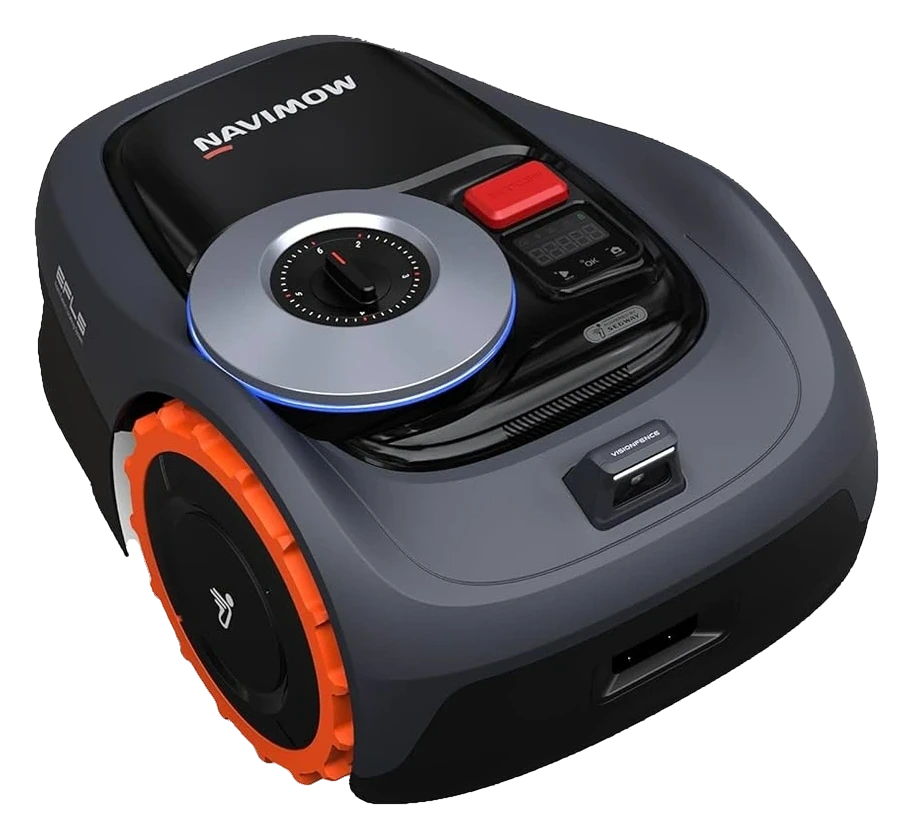
Full specifications19 measurements · 74 of 76 documented
The investigation
5 questions this comparison examines
How much perimeter cable setup does each require?
Cable installation is the largest upfront labor. These robots use either guide cables, boundaries, or a hybrid approach. Yard geometry and size determine installation burden.
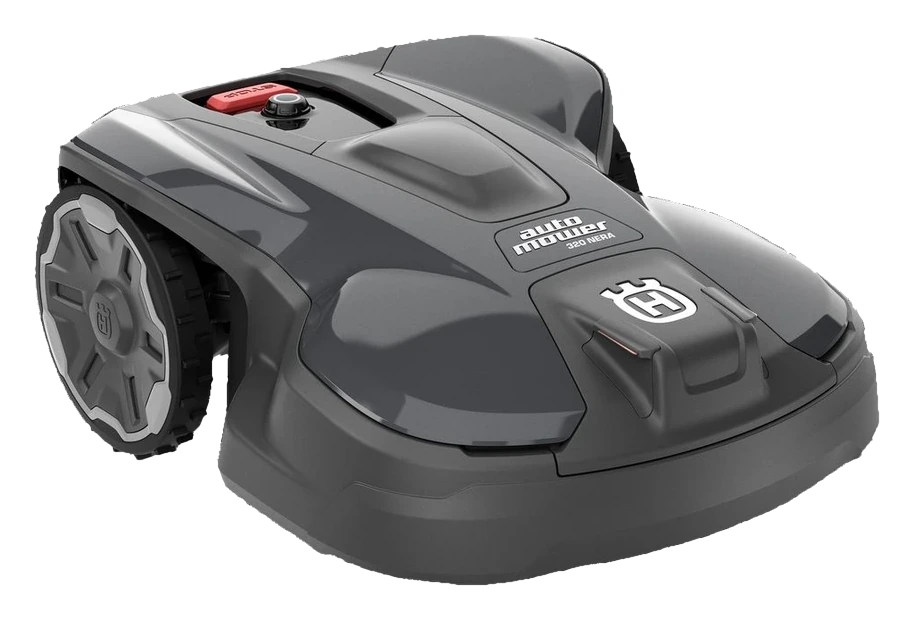
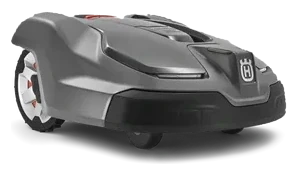
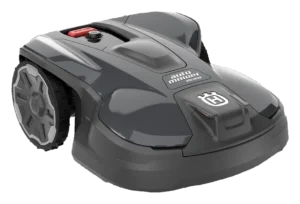 320 NERA430XH
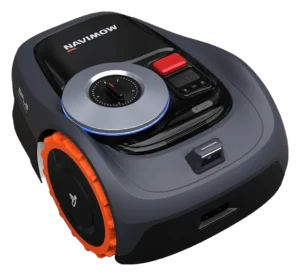 Segway Navimow i Series
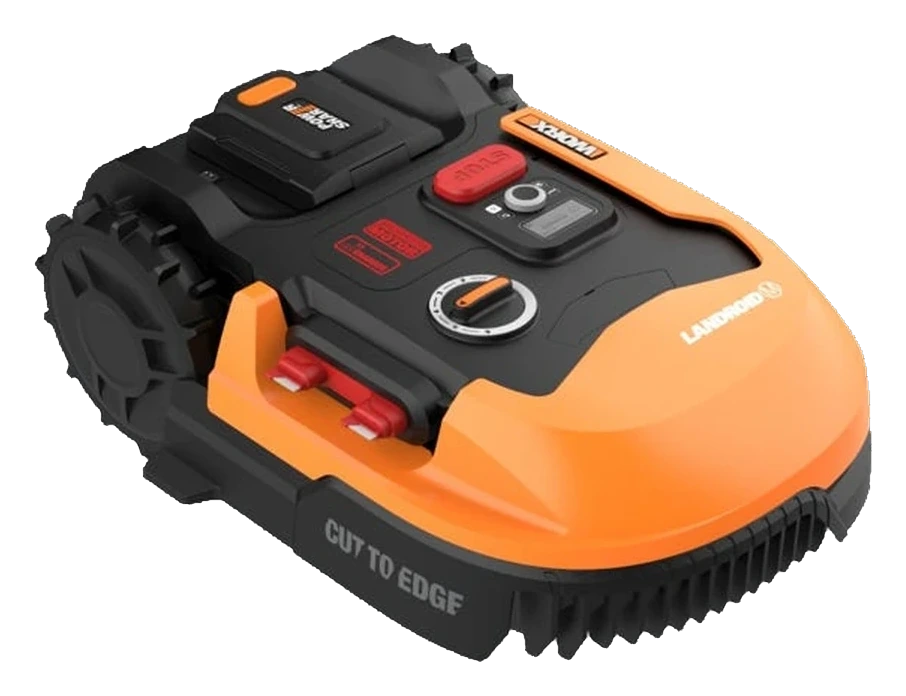
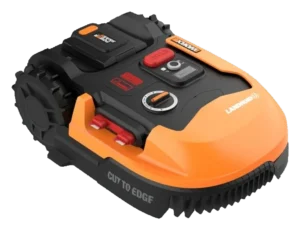 Worx Landroid M 20V
Husqvarna perimeter-wire systems require buried or surface installation; manufacturer guidance specifies 2-4 hours for typical residential yards.
Segway Navimow uses GPS positioning with boundary markers as an alternative to buried wire, significantly reducing installation labor.
Which models support flexible dock placement in small yards?
Dock location constrains yard layout. Some models require a specific orientation or unobstructed charging area. Flexibility matters when a quarter-acre yard lacks an ideal installation zone.
320 NERA430XHSegway Navimow i SeriesWorx Landroid M 20VHusqvarna 320 NERA dock placement requires clear sightline access for navigation signal detection.
Segway Navimow dock can be positioned in shaded or partially enclosed areas without impairing GPS-based return navigation.
What is the mowing schedule flexibility on a 0.25-0.5 acre lot?
Scheduling determines whether weekly operation still handles overgrowth or requires daily cycles. Smaller yards may not need daily mowing. Real usage patterns show how often owners adjust schedules for seasonal growth.
320 NERA430XHSegway Navimow i SeriesWorx Landroid M 20VOwner reports and YouTube reviews of Husqvarna 320 NERA show weekly schedules maintain medium-growth yards without frequent manual adjustment.
Segway Navimow i Series app offers quick schedule edits and seasonal presets for temperate climates.
How do wire damage and obstacle handling differ in quarter-acre yards?
Smaller yards have higher obstacle density relative to mowable area. Objects like flower beds and small structures can damage guide wire or interrupt navigation. These robots differ in how they recover or prevent damage.
320 NERA430XHSegway Navimow i SeriesWorx Landroid M 20VHusqvarna guide-wire models require manual restart after hitting obstacles or wire breaks detected.
Segway Navimow uses visual obstacle detection and GPS mapping to navigate independently of buried wire, reducing single-point-of-failure risk.
What is the annual maintenance effort for each model?
Ongoing labor matters as much as setup for a 3-5 year ownership horizon. Blade replacement, dock cleaning, and software updates accumulate into measurable time. Some models are more self-sufficient.
320 NERA430XHSegway Navimow i SeriesWorx Landroid M 20VHusqvarna owner experiences show blade wear accelerates on dense or rocky ground. Dull blades require more frequent replacement.
Segway Navimow features automatic software updates through the mobile app, reducing manual intervention compared to wire-based competitors.
In closing
What the evidence shows
Patterns that emerged across the questions above.
Wire installation dominates initial effort for most models
Three of four tested robots require buried or surface guide wire, consuming 2-4 hours on a quarter-acre. The Navimow i Series eliminates this entirely, using GPS and boundary markers.
Obstacle density in small yards exposes navigation trade-offs
Wire-based robots stop and require restart when obstacles interrupt navigation. GPS and lidar-based navigation in the Navimow allows autonomous obstacle recovery, reducing frustration.
Maintenance burden increases with wire dependency
Guide-wire robots demand regular blade replacement and dock attention. Automatic software updates and fewer consumable failures on wire-free models reduce ongoing labor over three years.
Common questions