
A situation
Quiet robot mowers for neighborhood-friendly scheduling: noise levels and timing
Quiet-hour rules ask two things of a mower: how loud it is and how much control the owner has over when it runs. These are the figures each maker prints and what testers add.
This page checks
- Noise figureThe maker's number, with its label
- SchedulingWhat the maker says the app controls
- Heard in useAny hands-on comment on loudness
Segway
Where to buy
Sold in the US as the i105N and the i110N
Owner community documents RTK signal loss patterns across geographic regions
eufy
Where to buy
Full specifications18 figures on record · 16 differ
Some links earn Robovations a commission. Nothing on this page is ranked by it.
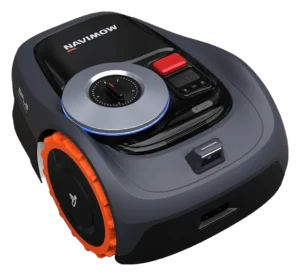 Navimow i Series
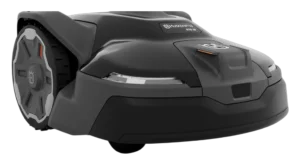 Automower 410 iQ
 Robot Lawn Mower E15
Noise and timing
How loud each one is and when it can be told to run
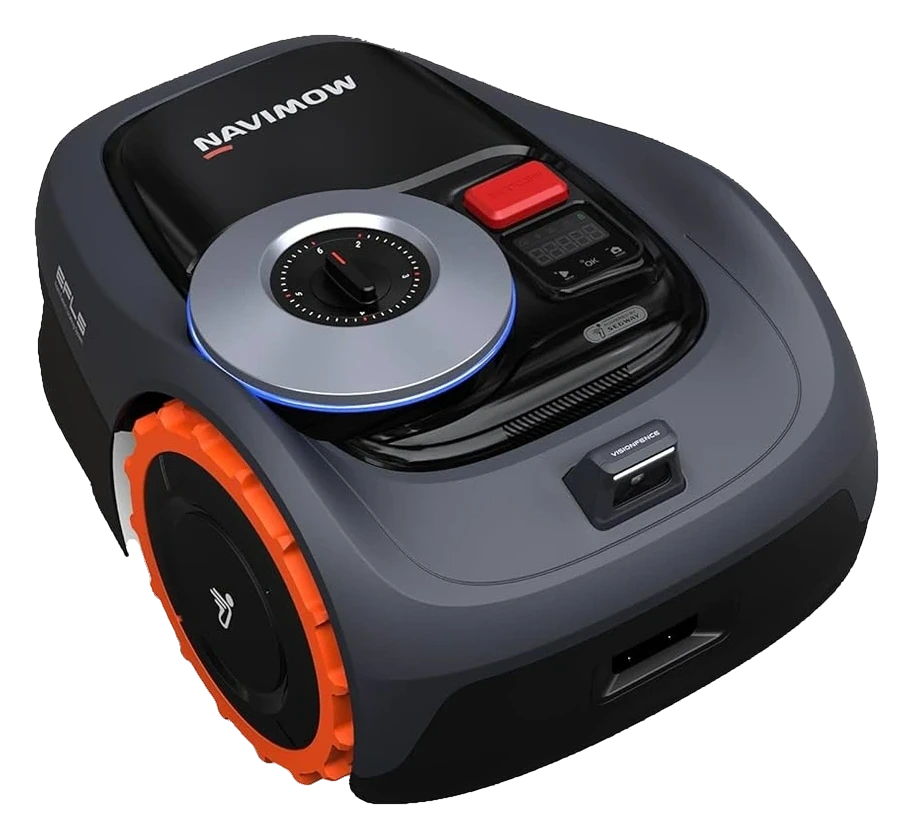
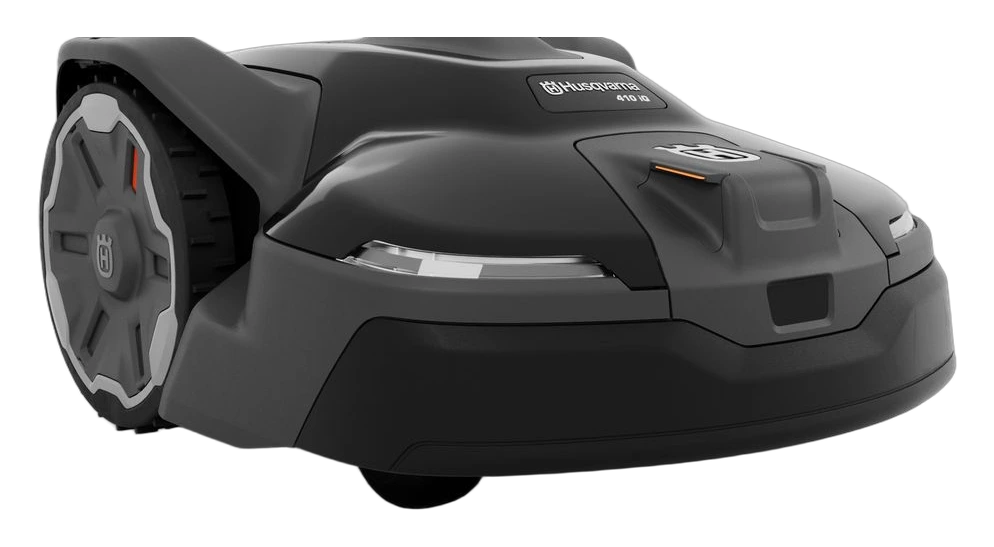
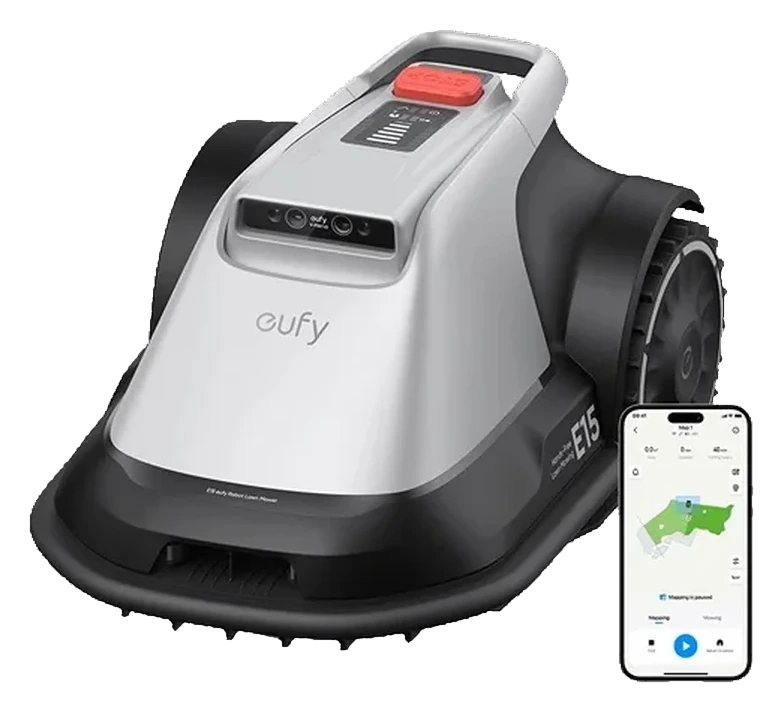
The printed figures are 56 dB for the eufy E15, 58 dB(A) for the Navimow i Series and 62 dB for the Automower 410 iQ, a spread of 6 dB. Each schedule is set in an app, the eufy per day and the Navimow by period and zone. Every hands-on comment calls the mower quiet.
58dB
Maker's Australia page prints 58dB(A). Measurement basis not stated.
Maker page, Australia62dB
Maker specification, from our record.
Maker specification, from our record56dB
Maker specification, from our record.
Maker specification, from our recordTime periods and zones
A review says the app sets mowing periods and zones. It also says zones cannot be renamed.
Two hands-on reviewsSet in the app
Schedule sets which hours it runs. The display can override it for 24 hours or 3 days.
Maker operator's manualPer-day schedule in the app
A different mowing schedule can be set for each day of the week.
Maker operator's manualVery quiet
One reviewer said it was so quiet they sometimes could not tell it was working.
Hands-on reviewIncredibly quiet
A tester could barely hear the motor, only the snipping of the blades. The first weeks after install may be louder.
Hands-on review, Jun 2026Fairly quiet to near-silent
One tester called it fairly quiet at the maker's 56 dB. Another called it near-silent in operation.
Hands-on reviews, Jun 2025 and Mar 2026Same on all three: each is run from a phone app, and each maker prints a single dB figure.
Your home
How each one fits a home like yours
Set the conditions that describe your home. Each robot answers from its own Fit Check; nothing is scored until you choose.
Fit check
Describe your home
Pick what applies. Each robot answers from its own record.
Sources
Where every figure comes from
- Navimow i Series · navimow.com Australia i Series page; two hands-on reviews of the i110N (PCWorld; MakeUseOf), read 2 Oct 2026
- Automower 410 iQ · Maker operator's manual and specification; hands-on review, Jun 2026
- Robot Lawn Mower E15 · Maker operator's manual and specification; hands-on reviews, Jun 2025 and Mar 2026
Every value was read from the page named on 2 Oct 2026. "Not found" means the pages opened were searched and say nothing on it.
Questions
What readers ask
What noise figures do the makers print?
56 dB for the eufy E15, 58 dB(A) for the Navimow i Series and 62 dB for the Husqvarna 410 iQ. The Navimow figure comes from the maker’s Australia page, with no measurement basis stated.
Can I keep these from mowing at set hours?
Yes, in each app. The eufy takes a different schedule for each day. Navimow’s app sets time periods and zones, per a review. The 410 iQ schedule sets which hours it runs.
Is there a hands-on noise report?
Yes, for all three. A Navimow i110N reviewer sometimes could not tell it was working. A 410 iQ tester could barely hear the motor. One eufy tester called it fairly quiet at the maker’s 56 dB, and another near-silent.
Common questions