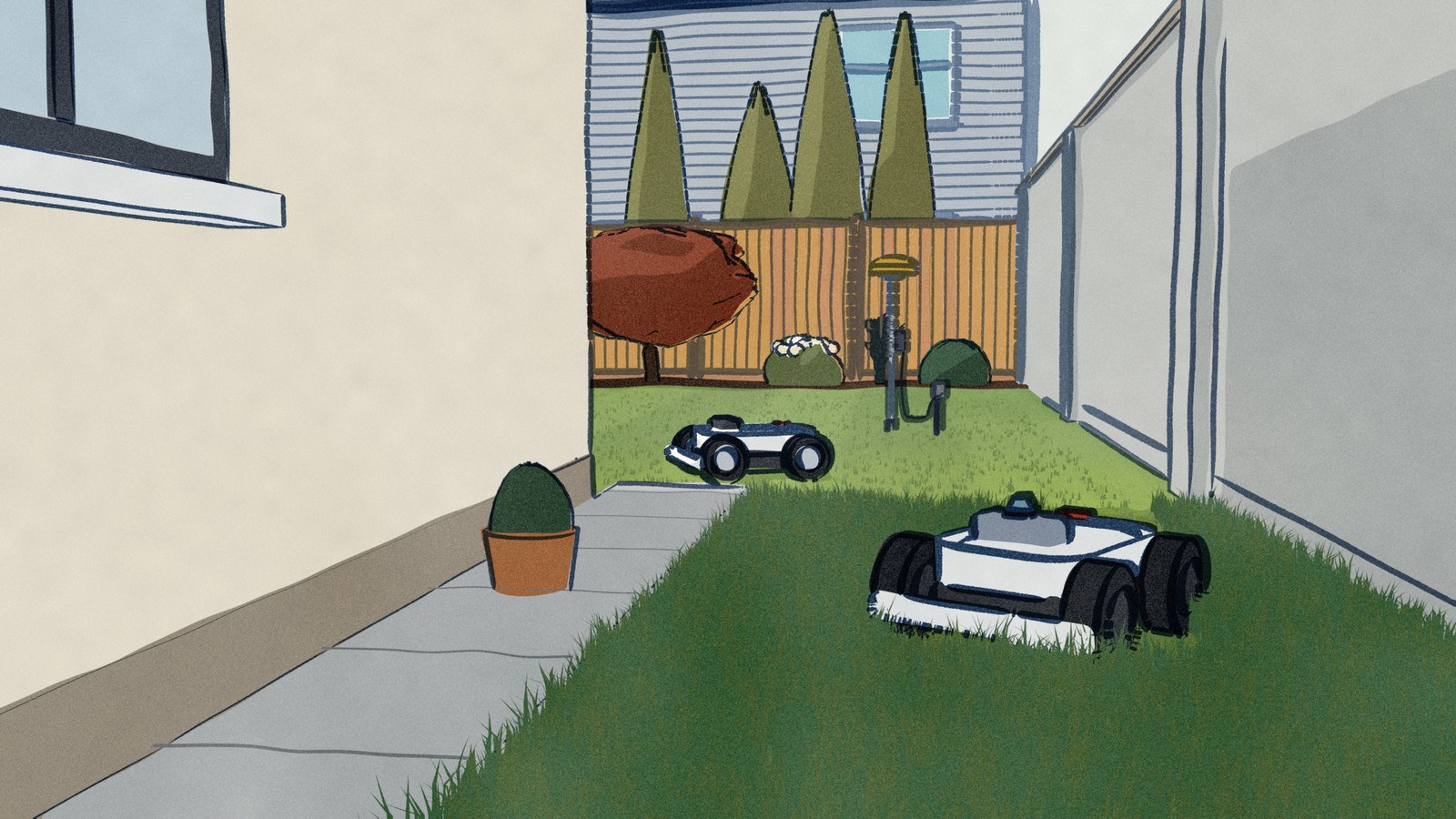
Wire-free robot mowers compared: what do you actually get?
Evidence depth tracks time on the market.
Worx and Ecovacs have been sold since 2023 and 2024, with owner reports and multi-year firmware notes to show for it; TerraMow's release date and AIRSEEKERS' evidence stop…
Read the comparison


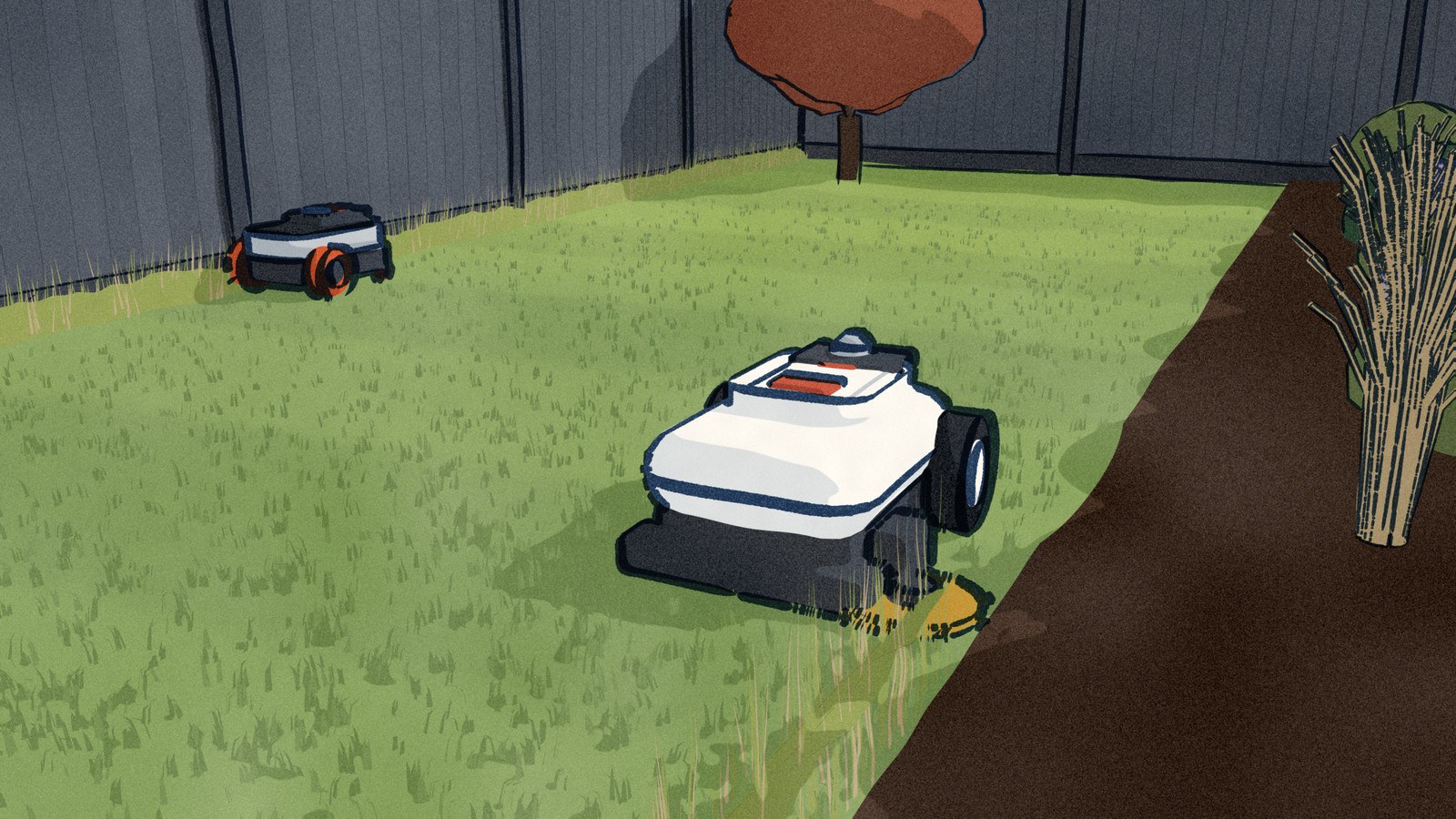
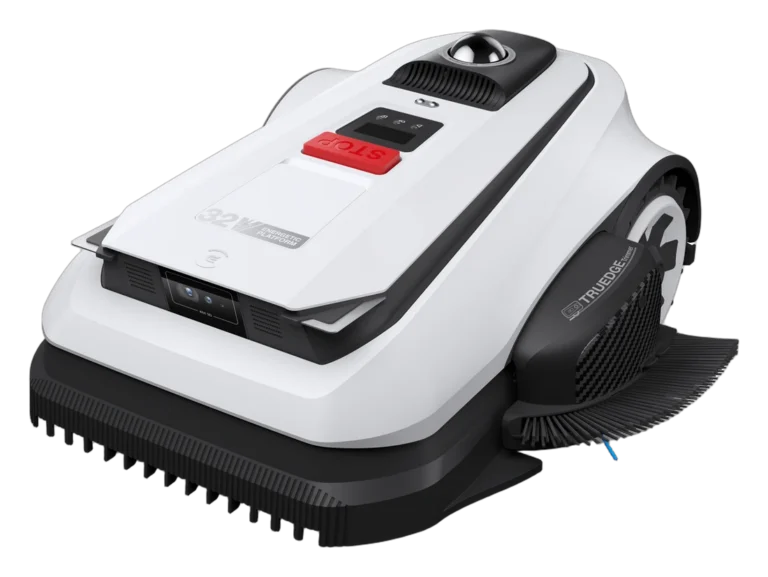
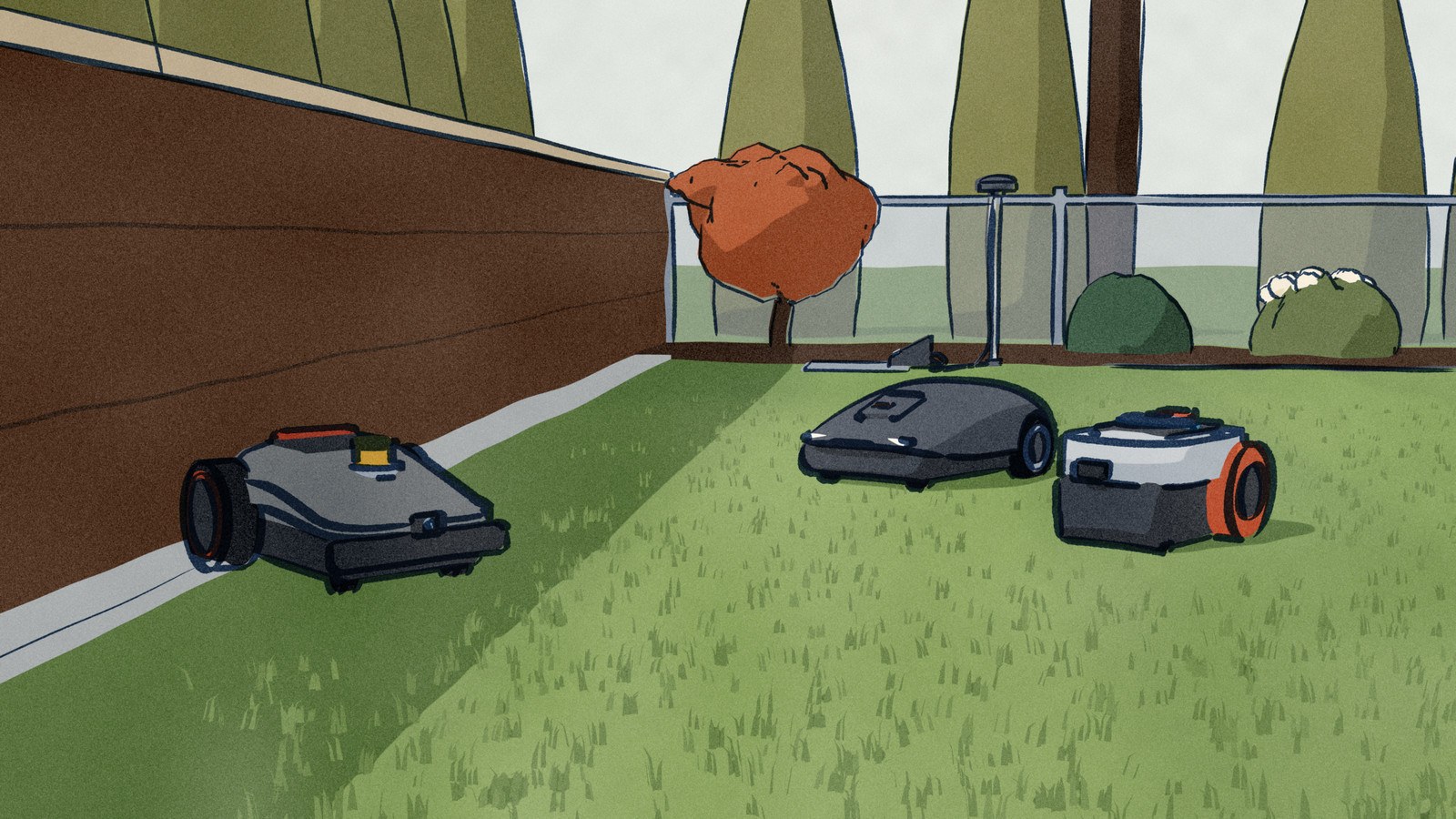
TerraMow V1000, Ecovacs Goat GX-600, Worx Landroid Vision M800 and Airseekers Tron SE
Four ways to evaluate a robot


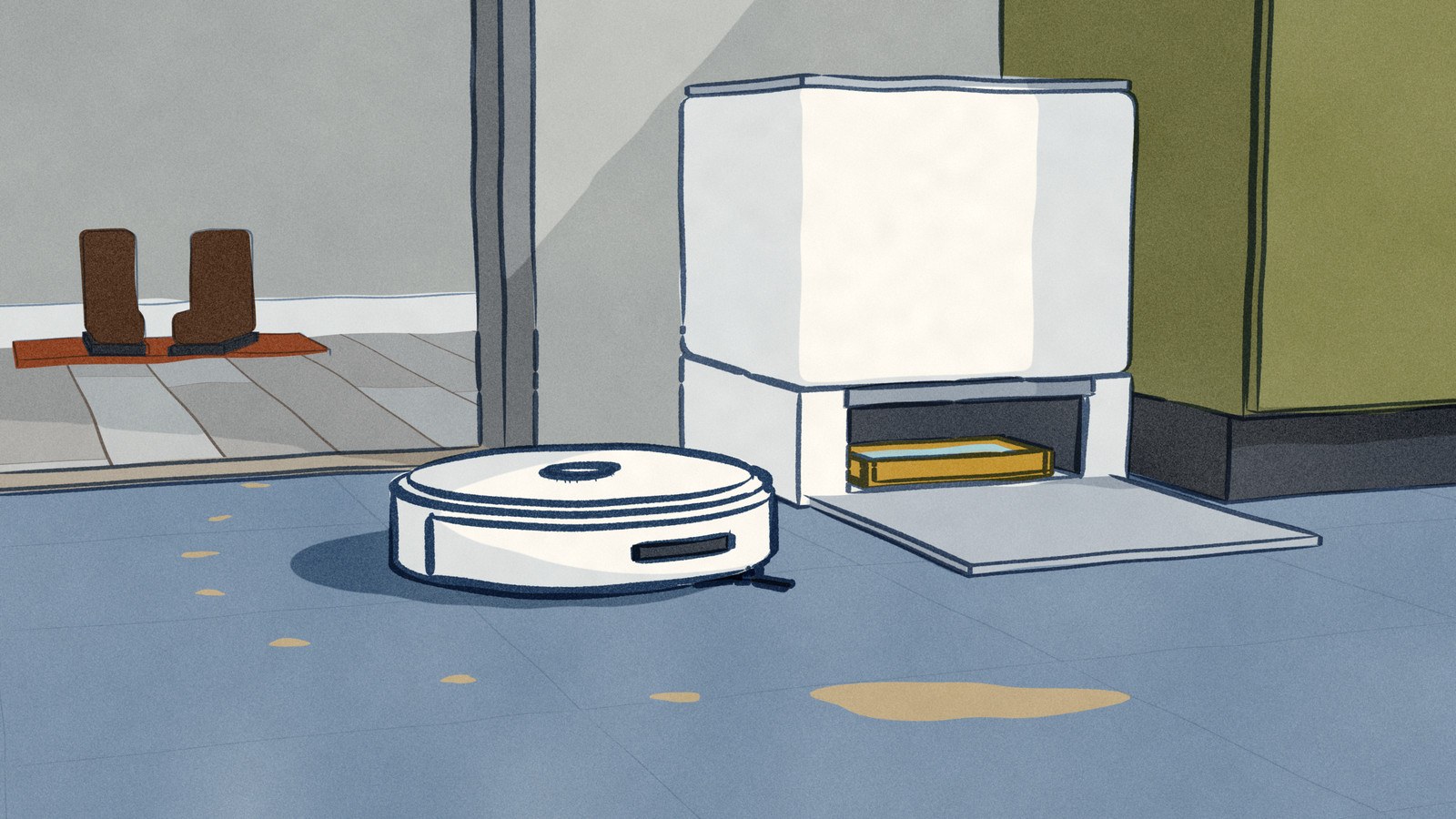
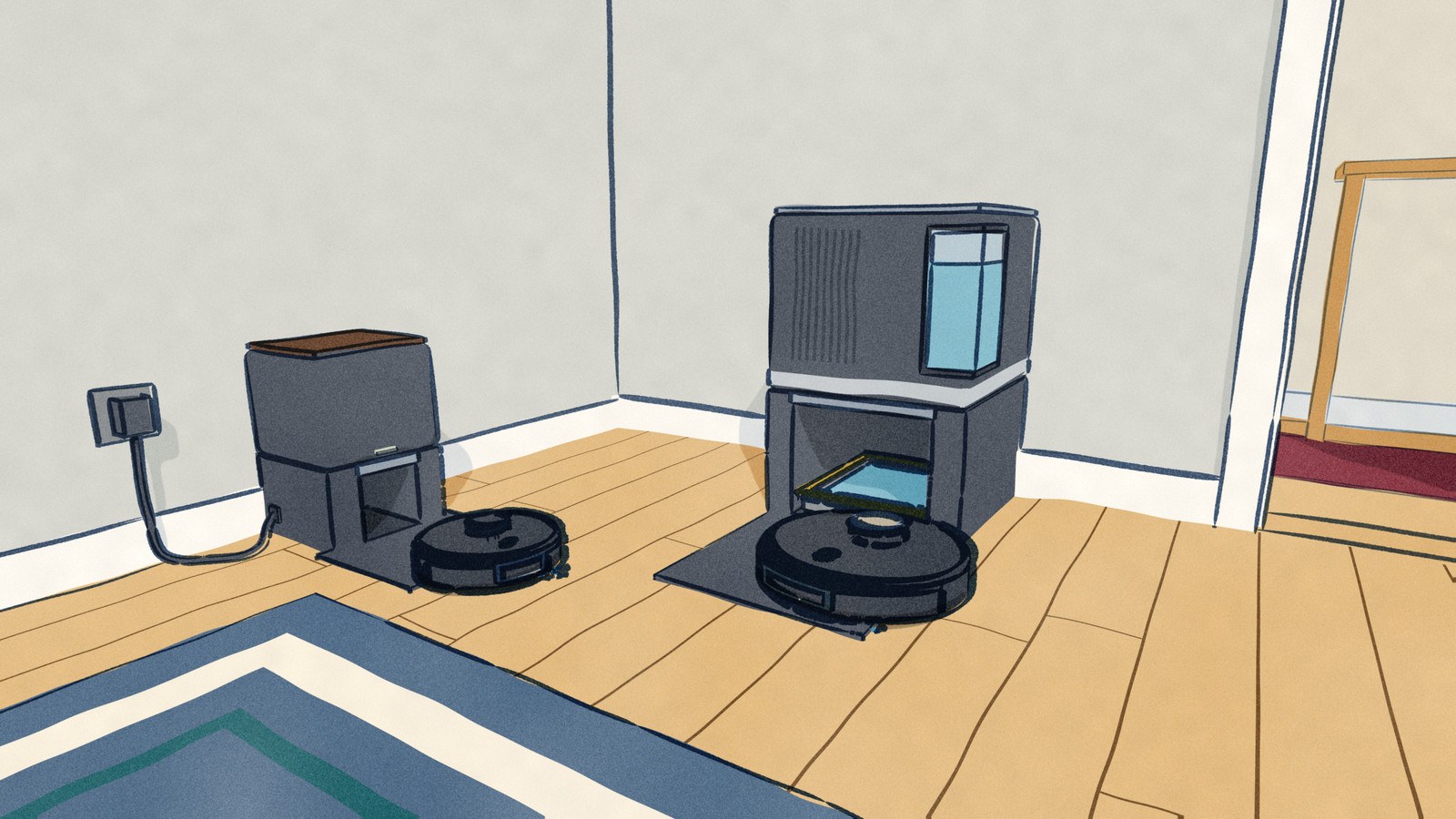
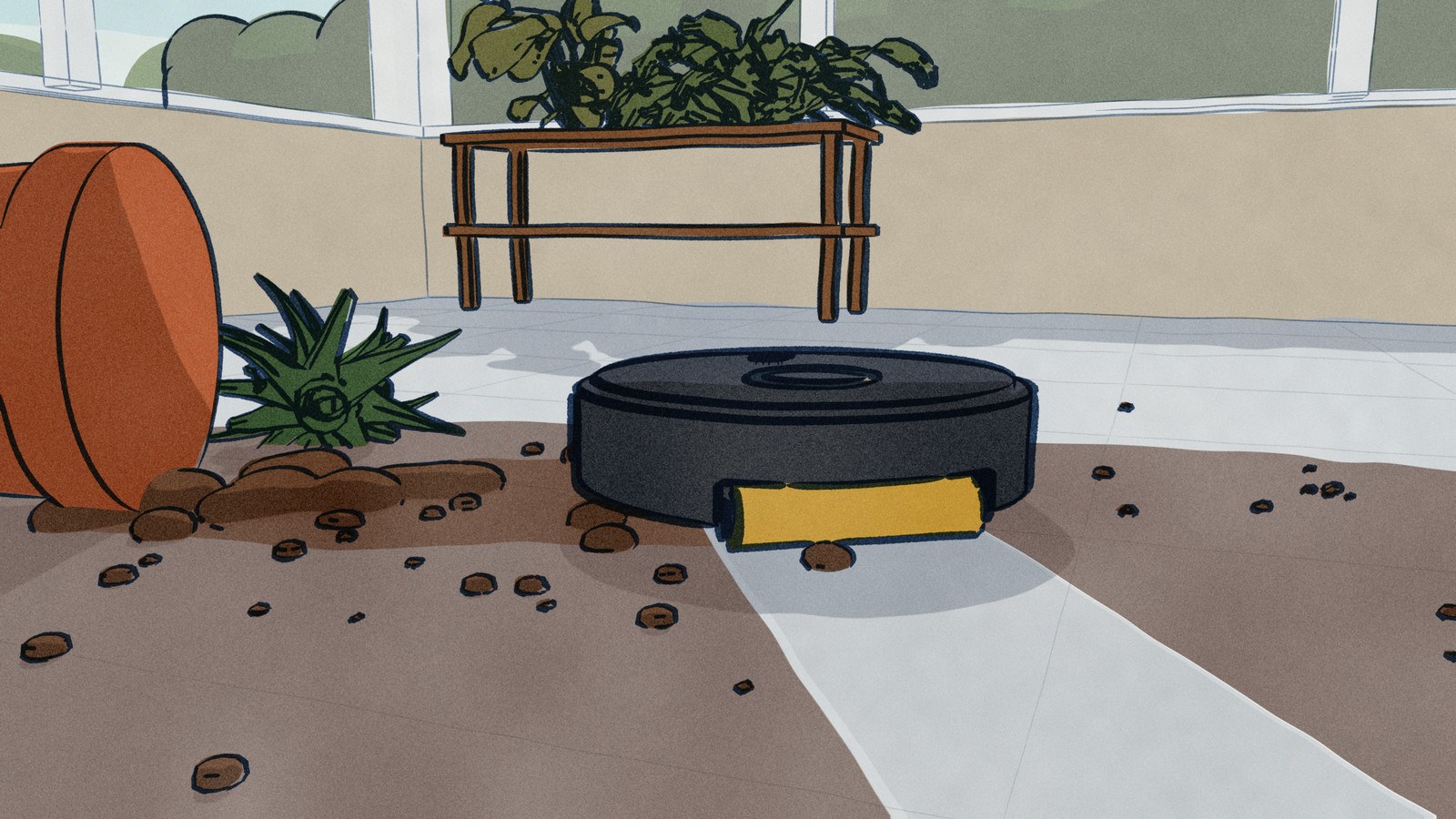
Self-washing vs charge-only robot vacuum docks: what changes?
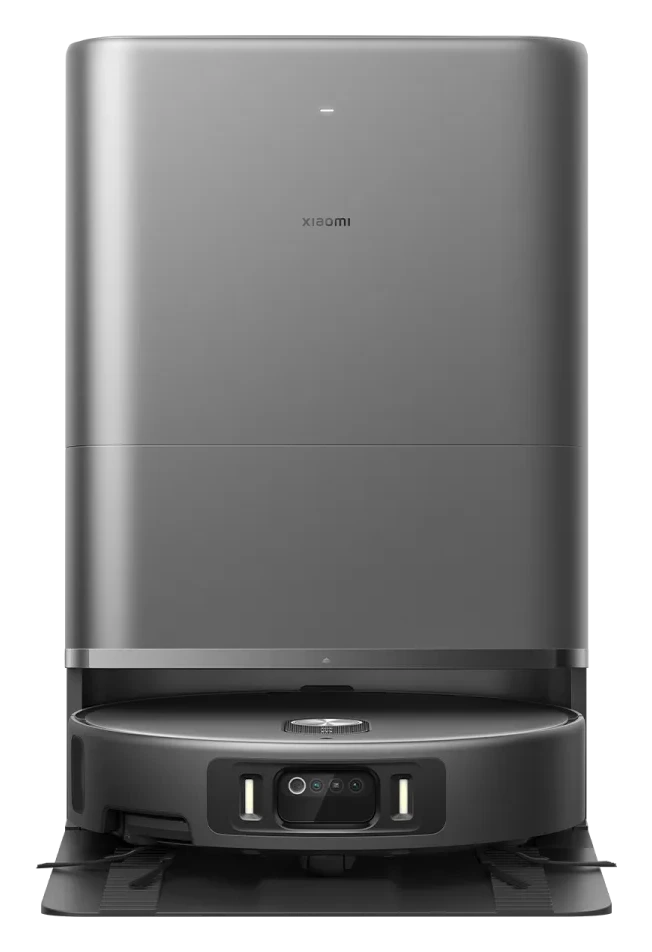
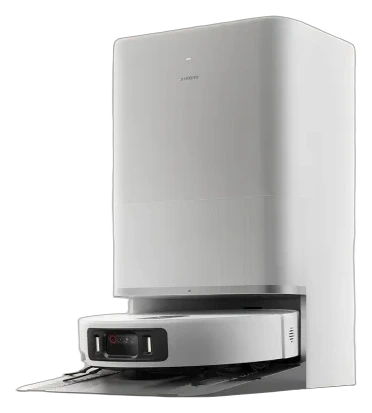
Four robot vacuums split on one design choice: whether the dock only charges the robot or also washes, refills, and dries the mop pad. The Shark PowerDetect NeverTouch Pro, Xiaomi X20 Max…


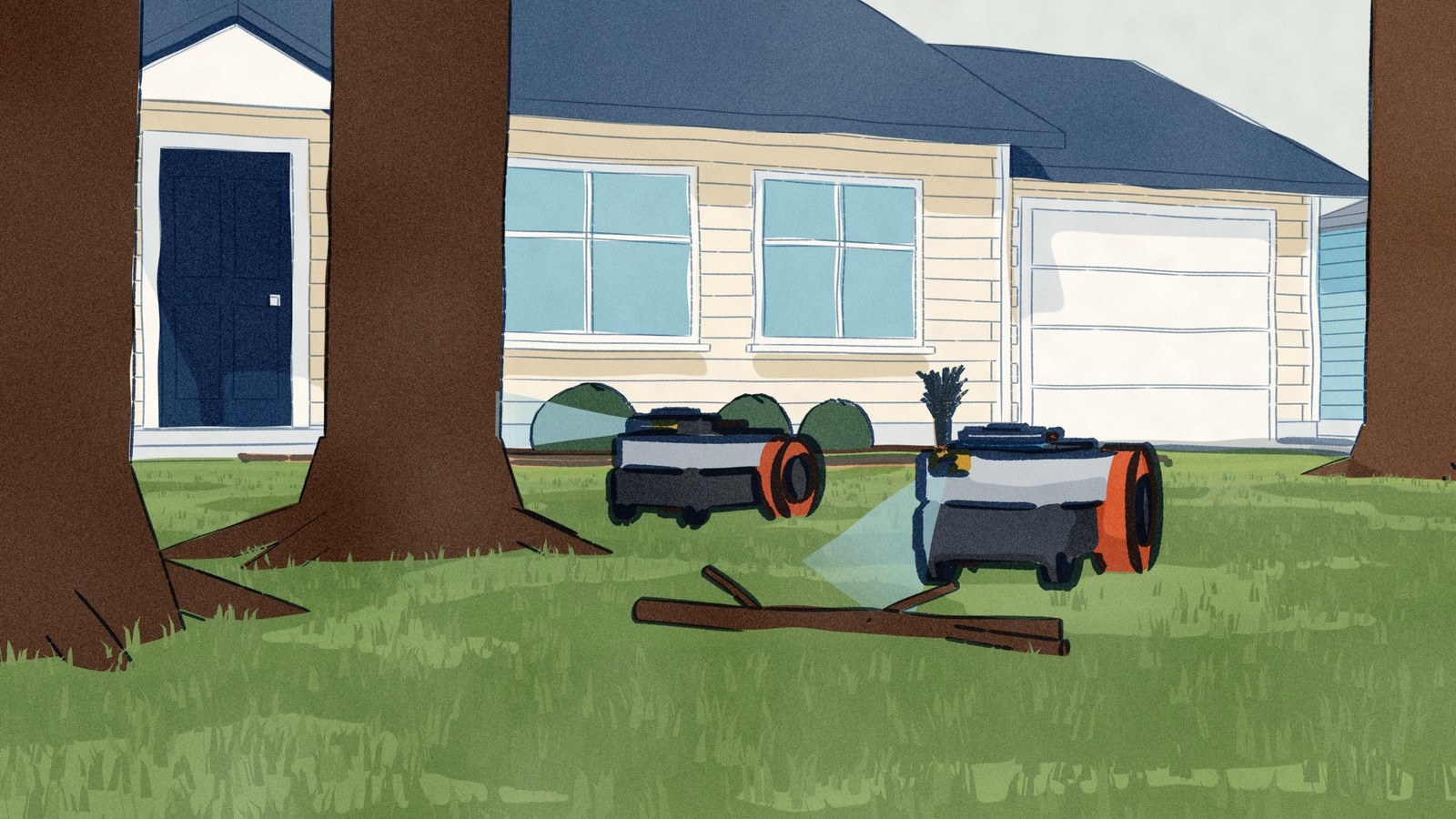
RTK-plus-camera or LiDAR: two Segway Navimow architectures
Segway's two current Navimow mowers use different navigation architectures: the i2 AWD pairs RTK positioning with VisionFence cameras, while the i215 LiDAR scans the yard with LiDAR sensors instead. Both are wire-free…


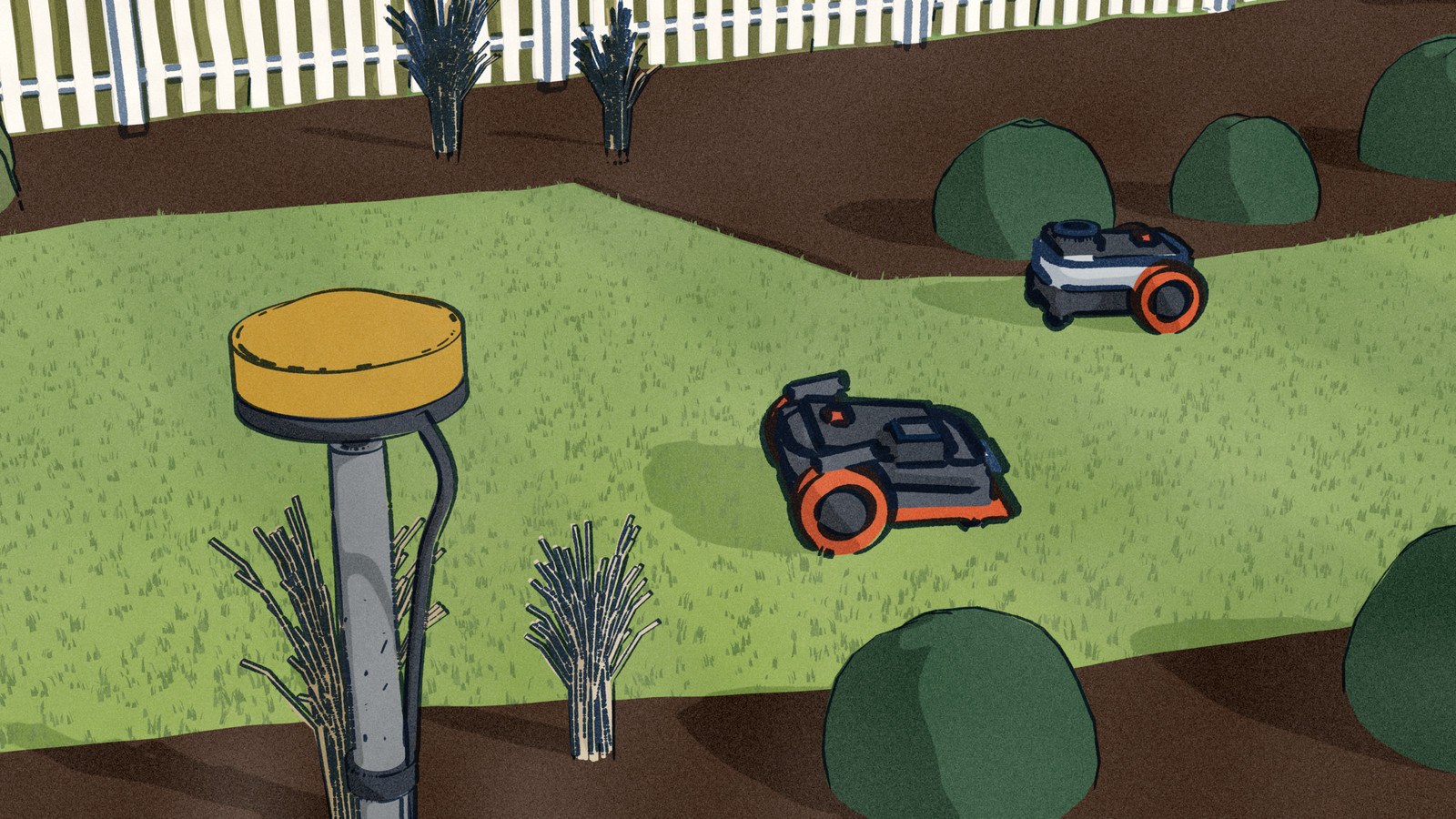
RTK Satellite or LiDAR: Two Navimow Navigation Approaches
Segway sells two Navimow navigation architectures side by side: RTK satellite positioning proven across multiple seasons, and a newer LiDAR-based system that drops satellite dependency but ships with a smaller coverage ceiling…


Square vs round robot vacuums: which actually reaches the corners?
Square vacuums claim superior corner coverage, but round designs dominate the market. We compare four current models to assess whether geometry matters for edge cleaning performance.


Robot mower blades: pivoting discs vs. fixed decks
Five robot mowers, two blade architectures. The Husqvarna Automower and Segway Navimow lines use small blades pivoting on a spinning disc; the Robomow RS630 and RC308 Pro X use a single fixed…


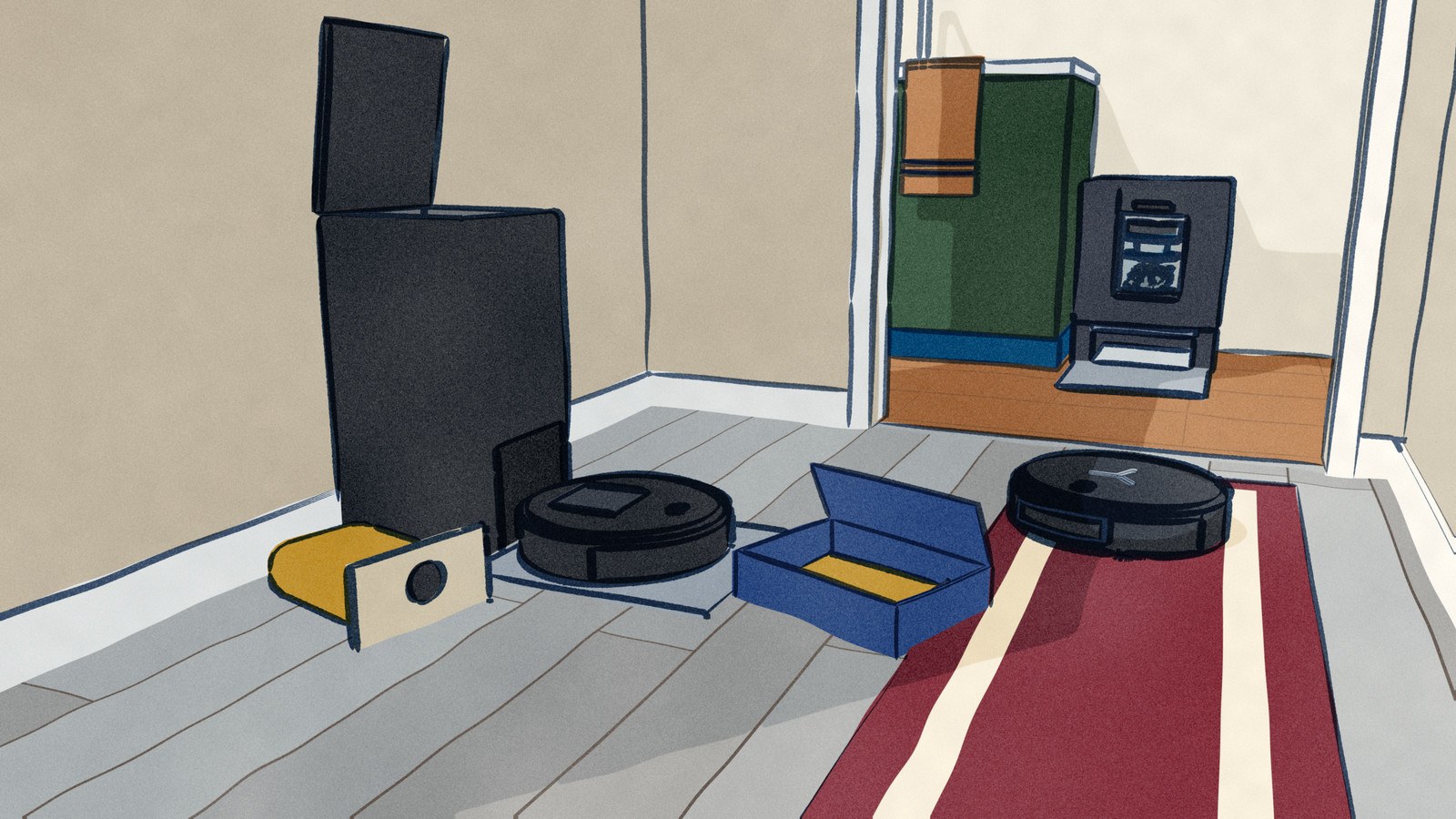
Bagged vs bagless self-emptying docks: which costs less?
Self-emptying docks now split into two architectures: sealed disposable bags that cost money on a recurring schedule, and bagless cyclonic or reusable-bin designs that eliminate that purchase but need more frequent manual…


Mammotion LUBA: does RTK positioning improve mowing across generations?
As Mammotion advanced from AWD 5000 through LUBA 2 to LUBA 3, RTK positioning became standard. This comparison examines whether each generation meaningfully addresses slope handling, coverage gaps, and reliability concerns.


LiDAR vs camera robot vacuums: which works in the dark?
Robot vacuums navigate dark rooms through different sensor architectures. We compare LiDAR-first designs against camera-dependent systems across obstacle detection, low-light performance, and scheduling reliability.


Budget wire-free robot mowers under $1,500: what do you give up?
Four wire-free mowers at or under $1,299 are rewriting the entry price for boundary-free lawn autonomy. This comparison examines what each architecture sacrifices in positioning robustness, slope tolerance, obstacle precision, and brand-support…


Quadruped robots: what does the 20x price gap actually buy?
Three quadruped platforms spanning $1,800 to $74,500 divide on navigation architecture, operator tier, and task-completion scope. This comparison places each on the price-capability spectrum, showing where the order-of-magnitude price gap buys capability…


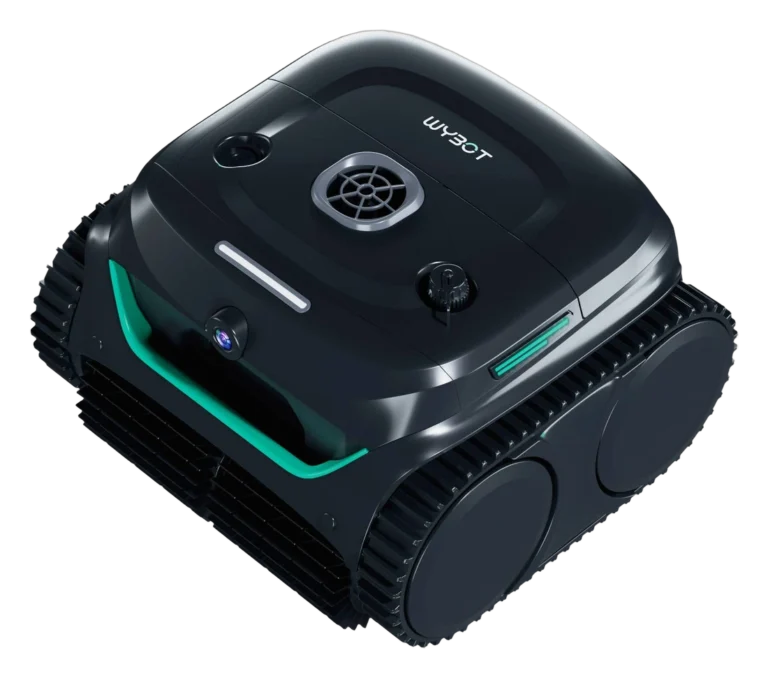
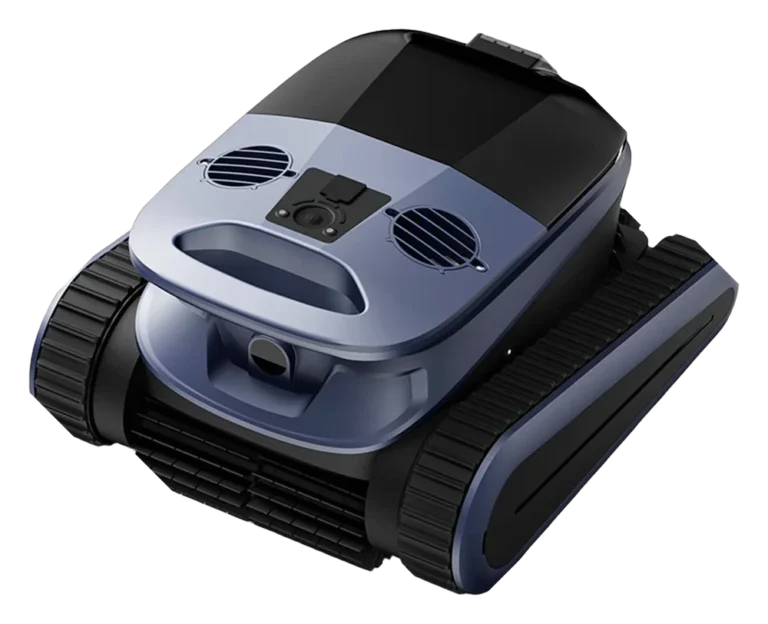
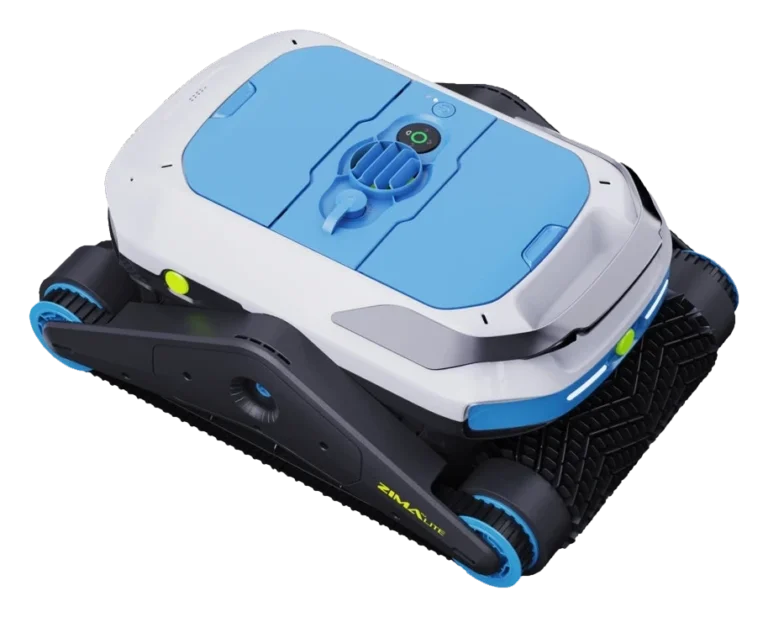
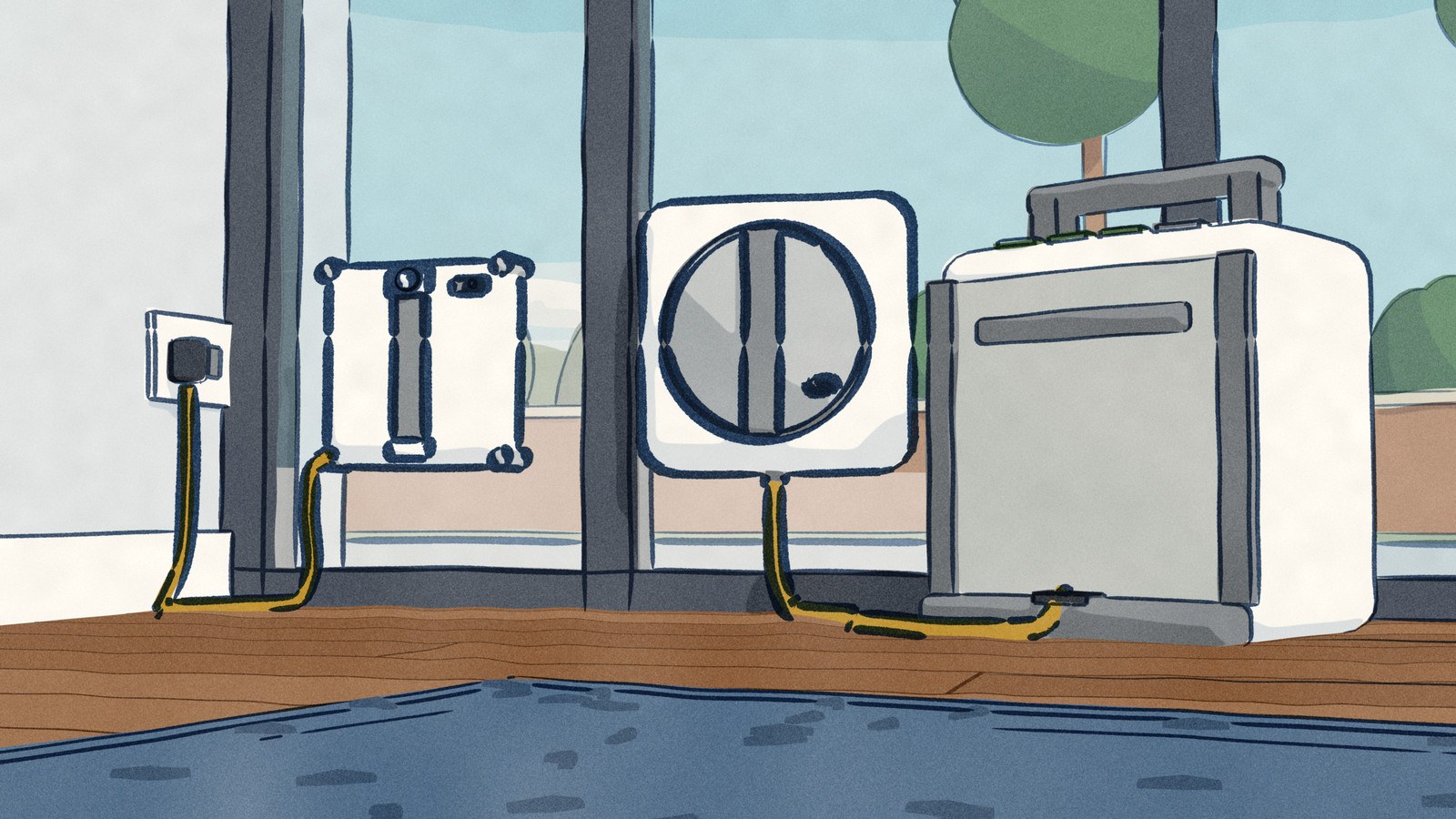
Replacing a pressure-side pool cleaner with a robot: energy and upkeep
Suction-side and pressure-side pool cleaners depend on the house pump or a dedicated booster pump to move through the pool. Self-contained robotic cleaners carry their own motors. This comparison examines what changes…


Robot mop docks: passive water feed vs active wash-and-squeeze
Mopping docks split into two architectures: passive water-feed systems that rinse pads in place and active wash-squeeze cycles that scrub, wring, and heat-dry them between zones. Four robots from the database mark…