
Approaches compared
Square vs round robot vacuums: which actually reaches the corners?
Square bodies promise to reach corners that round ones cannot. This page checks body shape, size, what each maker adds for corners, and what hands-on reviewers found in the corner itself.

This page checks
- Body shapeSquare or circular, as far as the sources say
- FootprintWidth and depth as each maker prints them
- Corner aidsExtending brush, swinging body or mop pads
- Hands-on resultsWhat reviewers found in real corners
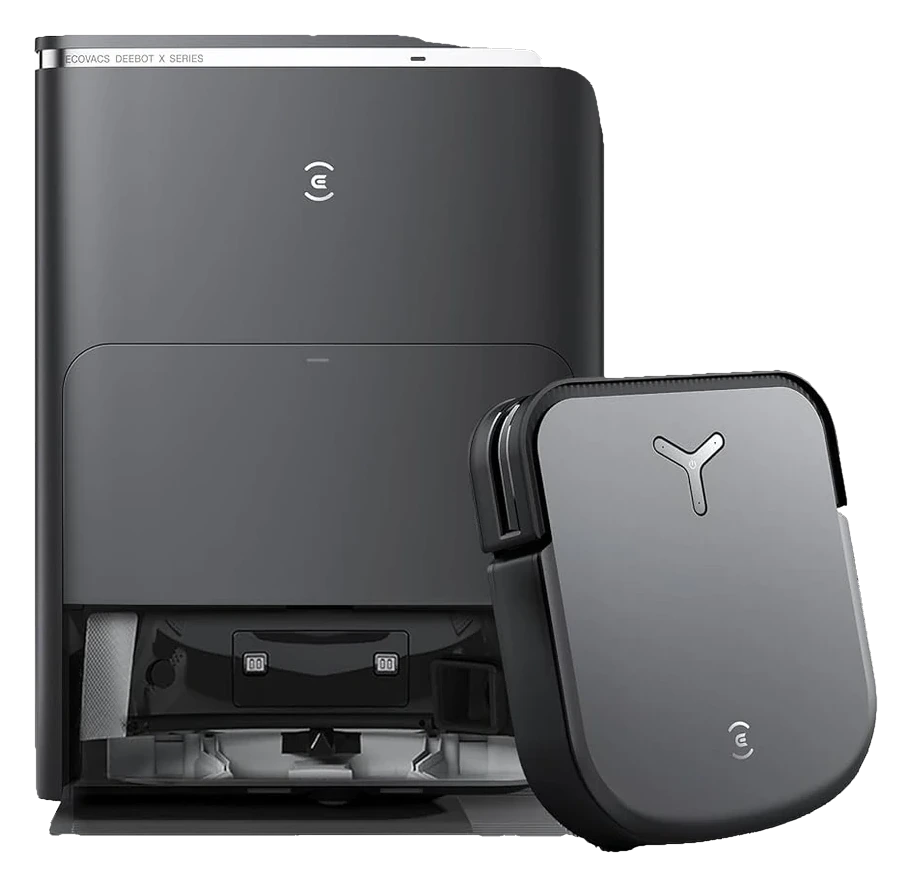
Ecovacs
Where to buy
Out of stock at Ecovacs US
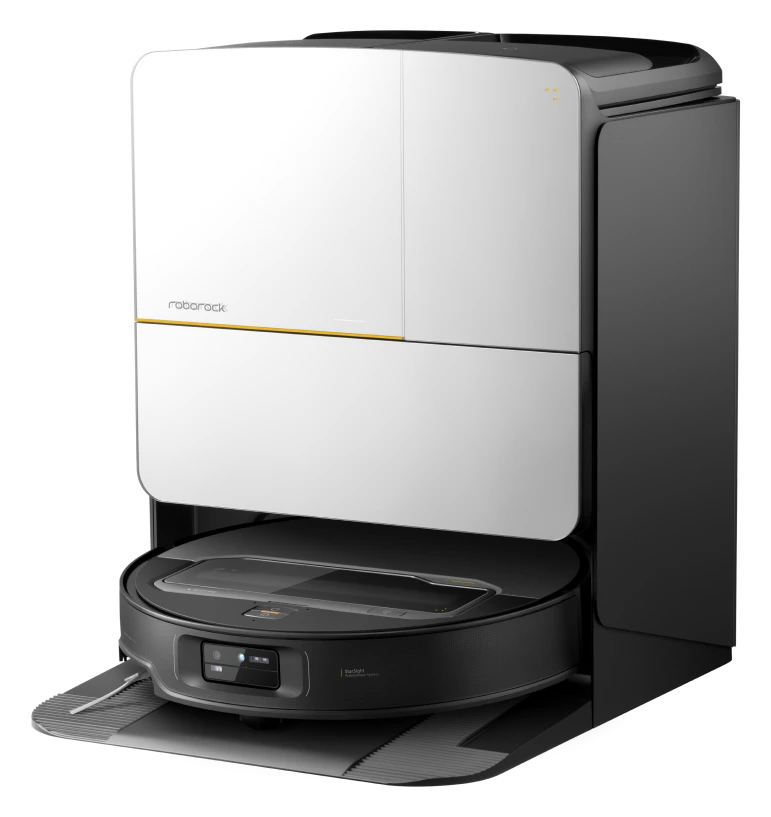
Roborock
Where to buy
Out of stock at Roborock US

iRobot
Where to buy
Out of stock at iRobot; listed at select retailers
iRobot j-series firmware update expands obstacle recognition and carpet detection
Full specifications18 figures on record · 17 differ
Some links earn Robovations a commission. Nothing on this page is ranked by it.
 Deebot X2 Omni
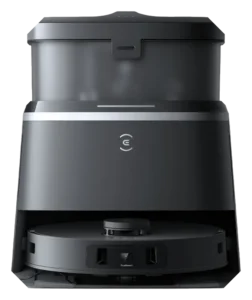 Deebot T30 Omni
 S8 MaxV Ultra
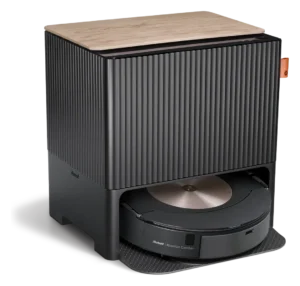 Roomba Combo j9+
Corner by corner
Which of these four gets into the corner
Only the Deebot X2 Omni is square, and Ecovacs puts its mop pads within 1.18 in (30 mm) of a corner. The round Deebot T30 Omni mops to within 1 mm of a wall by maker claim; the Roborock and Roomba add an extending brush or edge brush. A review found the Roomba's mop pad does not reach corners.
Square
Ecovacs sells it as a "Square Robot Vacuum With Mop".
Ecovacs US product pageThe spec table gives the robot's size as diameter by height, about 13.9 in wide and 3.9 in tall. A hands-on review calls it round.
Maker product pageNot found
Roborock's US page gives 13.8 x 13.9 in but no shape. A hands-on review gives none either.
Roborock US page; one hands-on reviewNot found
iRobot's page and two hands-on reviews give dimensions but do not state a shape.
iRobot US page; two hands-on reviews12.6 x 13.9in
Printed as 12.6 x 13.9 x 3.7 in (320*353*95 mm; width, depth, height).
Ecovacs US product page13.9 x 13.8 inW x D
Maker prints 353 x 351 mm wide by deep; height 99 mm (3.9 in).
Ecovacs UK product page spec table13.8 x 13.9in
Printed as 13.8*13.9*4.06 inches.
Roborock US product page13.7 x 13.7in
Printed as 3.4 x 13.7 x 13.7 inches (height first).
iRobot US product page1.18in (30 mm)
Ecovacs says each outstretched mopping pad gets within 1.18 in (30 mm) of corners.
Ecovacs product page and blogTruEdge adaptive edge mopping1 mm from wall
Mop extends to edges within 1 mm and retracts automatically to avoid obstacles.
Ecovacs global product pageFlexiArm extends the side brush when it detects a corner. Roborock claims "100% Concave Corner Coverage".
Roborock US product pageAn edge-sweeping brush, which iRobot says gives "thorough corner cleaning".
iRobot US product pageReviewer: the square design gets into corners "much, much better" than puck-shaped robots. It still left small things here and there.
Hands-on review, Oct 2023Three hands-on reviews
Mapping and edge mopping rated well. Hair on dirty carpet, thin cables and very dark rooms gave trouble.
Hands-on reviews, Apr 2024 to Feb 2025Reviewer says the arm extends into corners and under appliances such as fridge freezers. No debris test given.
Hands-on review, Apr 2025Reviewer: "The pad can't get into corners, either"; brushes have limits there too.
Hands-on review, Aug 2024Same on all four: each is a vacuum-and-mop robot with a side brush that sweeps debris in from the edges.
Your home
How each one fits a home like yours
Set the conditions that describe your home. Each robot answers from its own Fit Check; nothing is scored until you choose.
Fit check
Describe your home
Pick what applies. Each robot answers from its own record.

Everything else
Where they land among 259 robot vacuums
Only the measures on which these four differ. The bar is the whole category; the block is the typical middle half; the tick is the median.
Sources
Where every figure comes from
- Deebot X2 Omni · Ecovacs US product page; Ecovacs US blog on corners; How-To Geek hands-on review (Oct 2023)
- Deebot T30 Omni · Ecovacs US, UK and global product pages; three hands-on reviews, 2024 to 2025
- S8 MaxV Ultra · Roborock US product page; Homekit News hands-on review (Apr 2025)
- Roomba Combo j9+ · iRobot US product page; Yahoo Tech hands-on review (Aug 2024); Vacuum Wars review
Footprints and corner claims were read from each maker's page on 2 Oct 2026; the Deebot T30 Omni was added on 16 Oct 2026 from the same kind of sources. Corner results come from hands-on reviews; no single test covering all four was found.
Questions
What readers ask
Does a square robot clean corners better?
A hands-on review of the Deebot X2 Omni said it gets into corners much better than puck-shaped robots, and Ecovacs puts its mop pads within 1.18 in (30 mm) of a corner. No test covering all four was found.
Can a round robot clean corners?
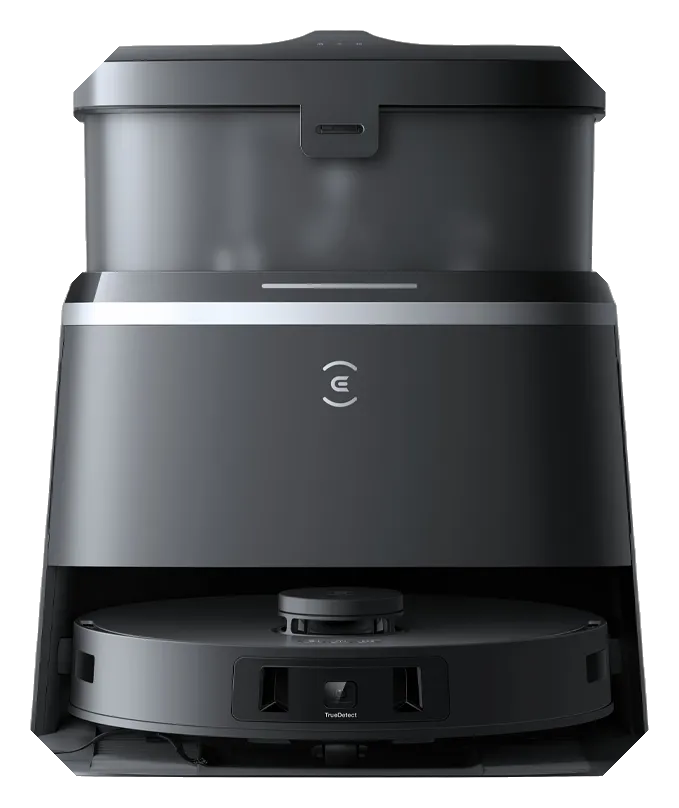
The Deebot T30 Omni is round. Ecovacs says its mop extends to within 1 mm of a wall and retracts around obstacles, and reviews rated its edge mopping well; no corner test of it was found. The Roborock extends a brush into corners.
Can I buy these four new in the US?
As of 2 Oct 2026 the Ecovacs Deebot X2 Omni, Roborock and iRobot pages show out of stock, with iRobot pointing to select retailers. The Deebot T30 Omni was added on 16 Oct 2026 from the robots now on sale; its stock was not checked on this page.
Common questions