
Goal-based/Robot Lawn Mowers/4 robots compared/Reviewed Jun 2026
Robot mowers for fragmented yards: zone transit and narrow passages


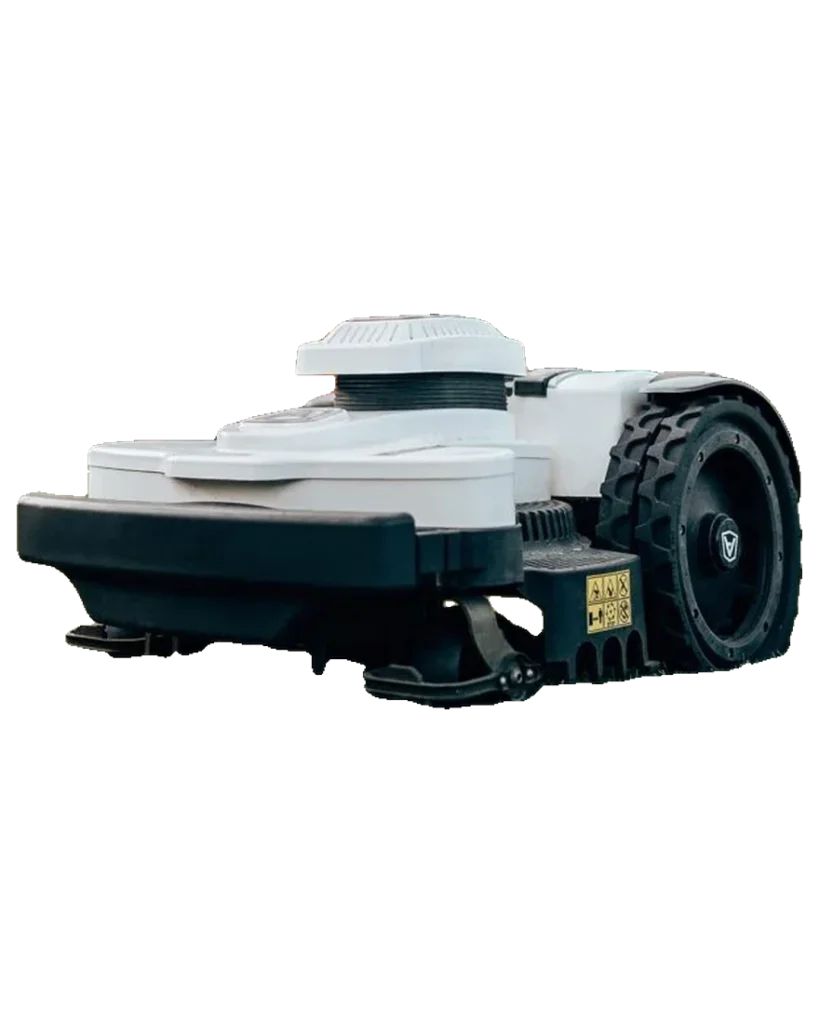 View recordZucchetti Centro SistemiIIAmbrogio Twenty EliteAutonomy level (Robovations)Level II$1,999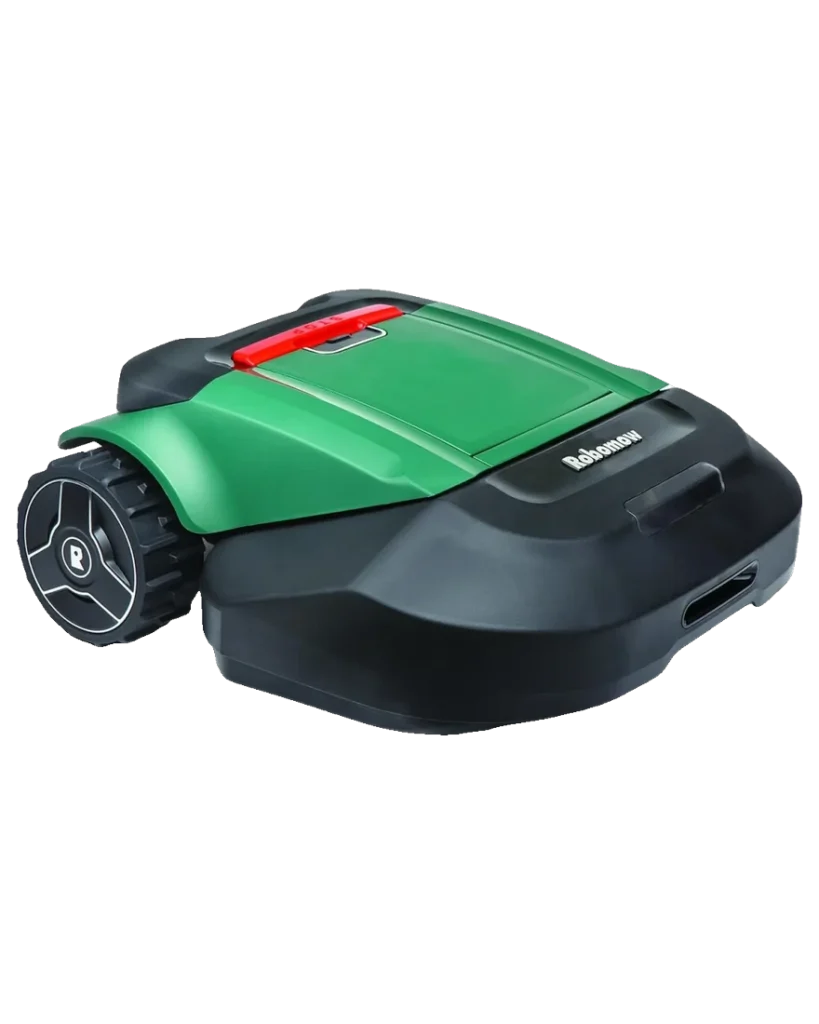
Full specifications20 measurements · 66 of 80 documented
The investigation
5 questions this comparison examines
How does each mower transit between separated lawn zones?
Zone transit method is the most consequential spec for fragmented yards. Each architecture imposes a different set of physical and installation constraints on multi-zone operation.
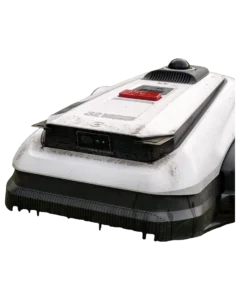 Ecovacs Goat A3000 LiDAR PRO
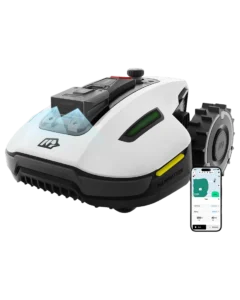 Mammotion YUKA 3000
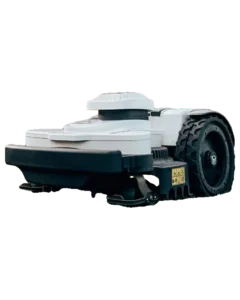 Ambrogio Twenty Elite
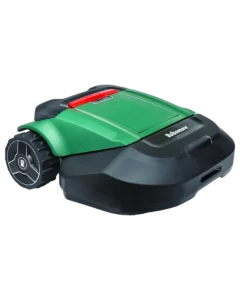 Robomow RS630
Ecovacs instruction manual confirms dual-LiDAR autonomous navigation without perimeter wire. Robomow installation guide explicitly advises against fragmented yard layouts with narrow corridors, citing elevated signal risk from complex wire routing.
Mammotion specifies RTK-GNSS plus camera vision for wire-free virtual boundary operation. Zucchetti documentation requires a complete perimeter wire loop for each operating zone on the Twenty Elite.
What physical width does each mower require for passage?
Mower body width sets the hard floor on corridor or gate openings a robot can enter. A narrower chassis opens more routing options in a fragmented layout.
Ecovacs Goat A3000 LiDAR PROMammotion YUKA 3000Ambrogio Twenty EliteRobomow RS630Ecovacs spec sheet lists width 26.8 in and depth 23 in (Robovations spec verification). Ambrogio Twenty Elite Zucchetti specs list width 23 in and depth 19 in; compact chassis is explicitly cited for navigating between structures and landscape features in Zucchetti fit documentation.
Robomow RS630 specs list width 24.4 in and depth 27.2 in. The RS630 skip-for documentation explicitly names complex multi-zone yards with narrow passages as a limitation. Mammotion YUKA 3000 body dimensions are not published in available specification materials.
Does zone complexity add ongoing setup or maintenance work?
Wire-guided mowers require a continuous buried loop threading each zone and corridor. Adding zones or modifying layout means physical wire work; sensor-based mowers update zone boundaries in software.
Ecovacs Goat A3000 LiDAR PROMammotion YUKA 3000Ambrogio Twenty EliteRobomow RS630Ecovacs GOAT A3000 LiDAR PRO documentation confirms zone modification via app without physical boundary work. Robomow installation guide explicitly documents elevated signal-reliability risk when wire is routed through complex multi-zone fragmented layouts.
Ambrogio Twenty Elite and Robomow RS630 both require a continuous perimeter wire loop. Owner communities document annual wire inspection and repair as standard for wire-guided platforms; Robomow owner reports identify wire breaks from edging tools as the most frequently cited recurring maintenance event.
What runtime and recharge penalty does multi-zone coverage impose?
A mower transiting multiple separated zones spends machine time on corridor transit rather than cutting. Runtime and recharge duration determine whether a single session covers a fragmented yard.
Ecovacs Goat A3000 LiDAR PROMammotion YUKA 3000Ambrogio Twenty EliteRobomow RS630Ecovacs spec sheet lists 160-minute runtime and 70-minute charge (Robovations spec verification). Ambrogio Twenty Elite Zucchetti specs document 75-minute runtime and 150-minute charge. Robomow RS630 specs list 90-minute runtime and 120-minute charge.
Mammotion YUKA 3000 runtime and charge time are not published in available specification materials; the absence is noted rather than estimated.
What does initial setup require for a fragmented multi-zone yard?
Setup burden for a fragmented yard scales differently by architecture. Wire routing must physically thread every zone and corridor; sensor-based mowers require base-station or charging-station placement only.
Ecovacs Goat A3000 LiDAR PROMammotion YUKA 3000Ambrogio Twenty EliteRobomow RS630Robomow documentation states a 2-5 hour wire installation estimate for typical yards. Robomow owner reports identify wire breaks from edging tools as the most frequently reported recurring maintenance event.
Ecovacs instruction manual documents charging-station-only setup with subsequent app-based boundary mapping. Ambrogio Twenty Elite FAQ specifies 2-3 inch wire burial depth and annual wire continuity inspection as standard.
In closing
What the evidence shows
Patterns that emerged across the questions above.
Transit method splits on wire versus sensor
Two mowers navigate fragmented yards without any physical boundary infrastructure; two require a continuous wire loop that must physically thread each zone and passage, adding setup complexity that scales directly with yard fragmentation.
Narrowest documented chassis is wire-guided
The Ambrogio Twenty Elite's 23-inch width is the narrowest confirmed among the four; the Goat A3000 LiDAR PRO at 26.8 inches is the widest by spec, and the YUKA 3000 does not publish body dimensions.
Runtime spread is large; pricing cluster is tight
The Goat A3000 LiDAR PRO documents 160 minutes of runtime, more than double the Twenty Elite's 75 minutes, while the two wire-guided mowers and the YUKA 3000 fall within $100 of each other at MSRP.
Common questions