
A situation
Robot mowers on wet grass: AWD traction and turf protection compared
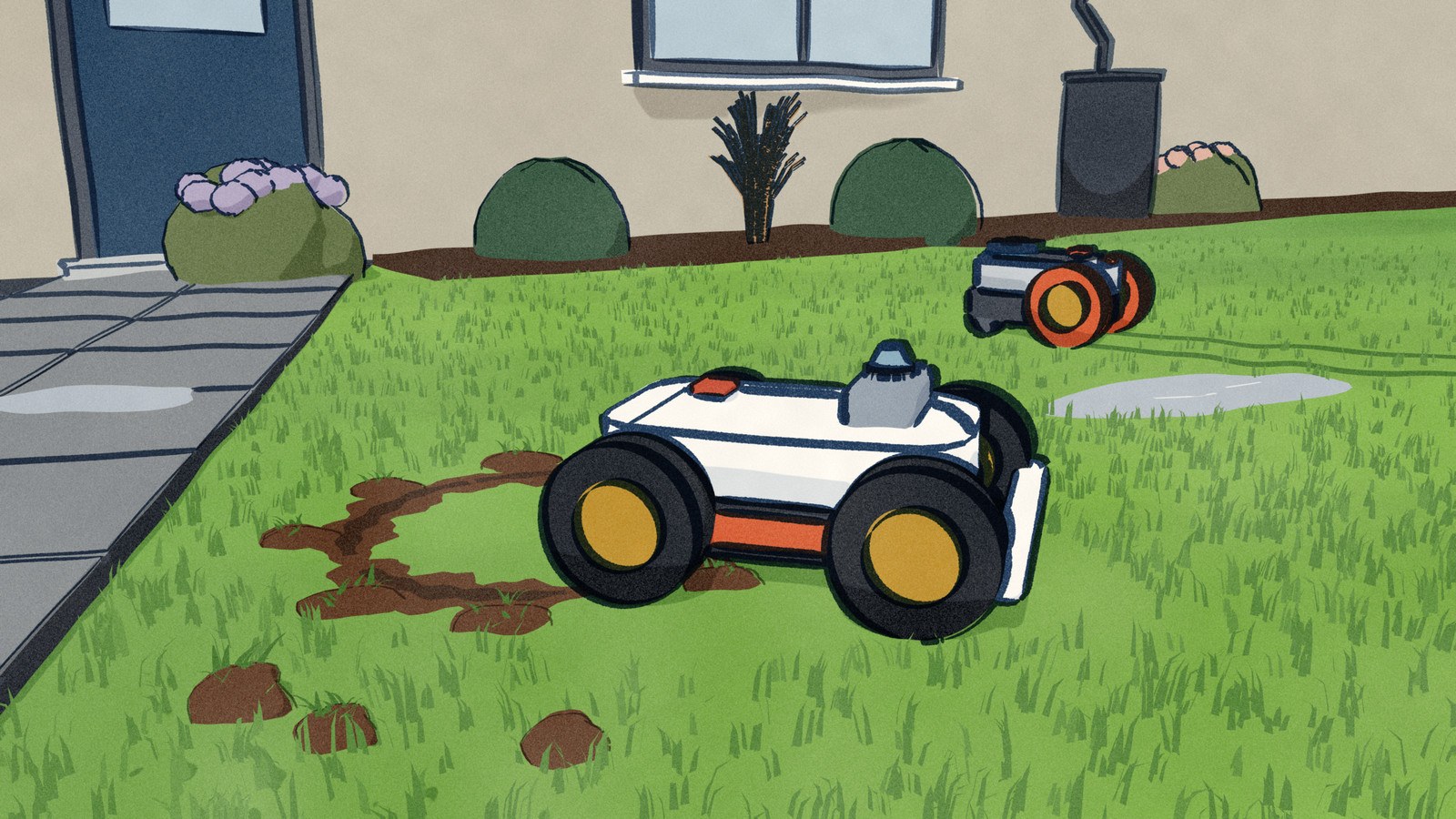
Wet soil is where a mower leaves ruts. The question is how each of these three handles rain, soft ground and its own weight.
This page checks
- Rain pauseRain sensor and waterproof rating
- TractionDrive layout and steepest slope
- WeightThe robot alone
- Damp turfWhat hands-on tests saw
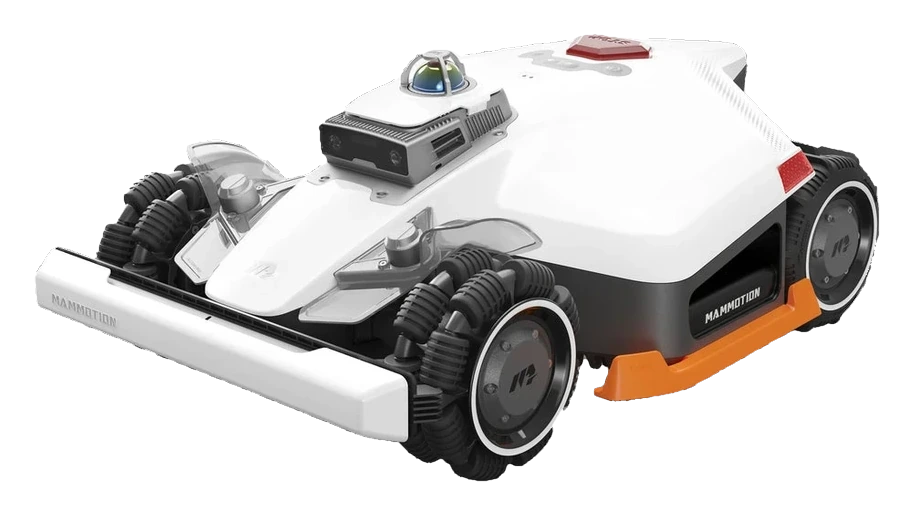
Mammotion
Where to buy
Listed out of stock at Mammotion US
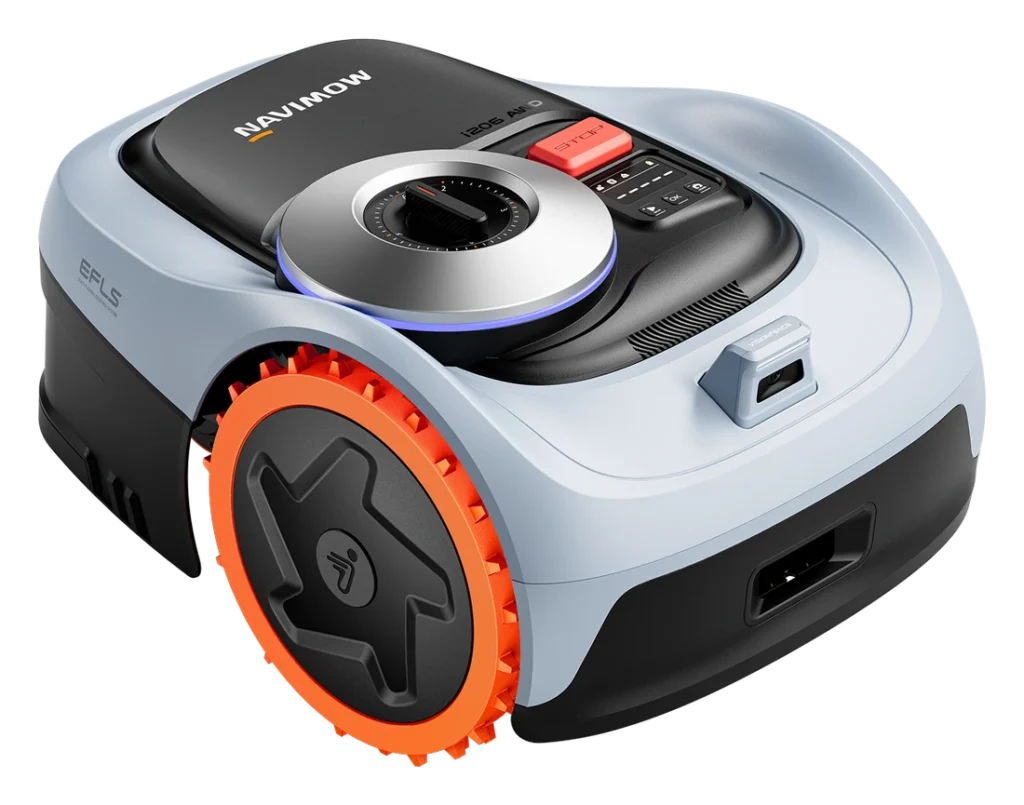
Segway
Where to buy
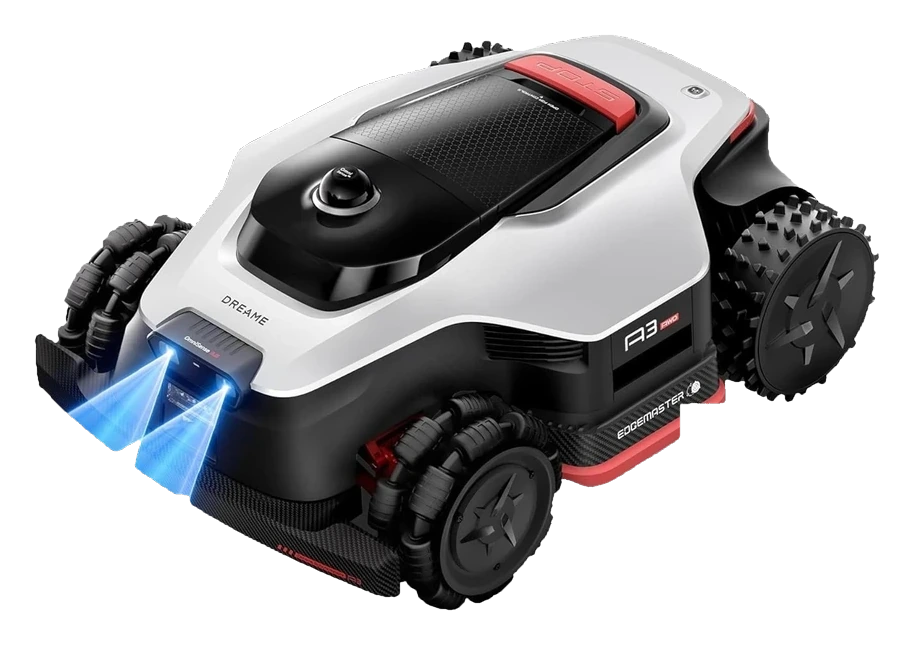
Dreame
Where to buy
Full specifications18 figures on record · 16 differ
Some links earn Robovations a commission. Nothing on this page is ranked by it.
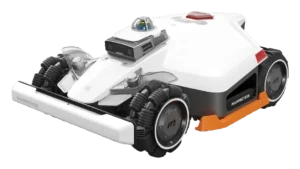 LUBA 3 AWD 5000
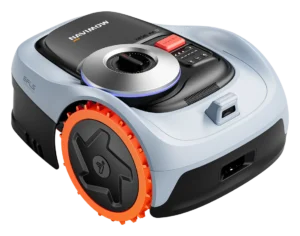 Navimow i2 AWD
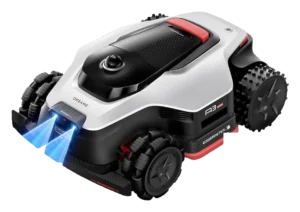 A3 AWD Pro 5000
Rain and soft ground
What each mower does when the lawn is wet
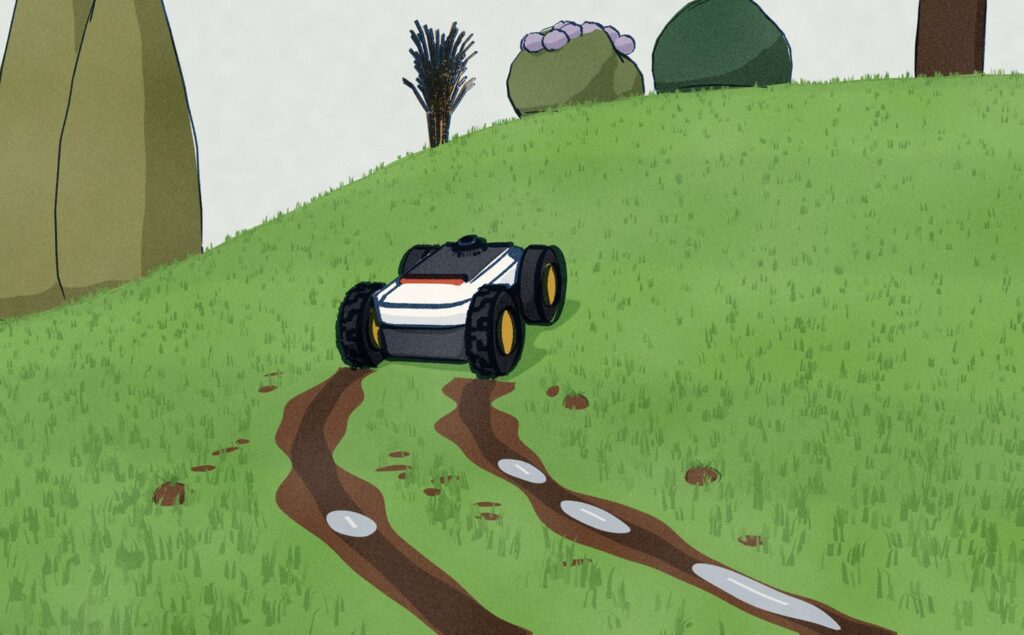
A rain sensor is documented for the LUBA 3 and listed by a review for the A3. In hands-on tests the LUBA scuffed thin damp turf and the A3 left ruts, while the i2 AWD did not slip. No weight or rain sensor was found for the i2.
Mammotion's guide says rain detection is switched on in the app and its mowers are IPX6.
Mammotion guide for its mowersNot found
Maker pages loaded only in part. One hands-on review gives a waterproof rating but no rain sensor.
Searched maker pages and one reviewListed by a hands-on review. The Dreame page text read mentions no rain sensor.
Hands-on reviewIPX6
Stated by a hands-on review and by Mammotion's guide for its mowers.
Hands-on review and maker guideIP66
From one hands-on review. The maker page did not load in full.
Hands-on reviewIPX6
Printed on Dreame's product page.
Dreame product pageAll-wheel drive
Mammotion product pageAll-wheel drive
Navimow product pageAll-wheel drive
Two hub-motor universal wheels and two off-road wheels.
Dreame product page80% grade
Maker page: 80% (38.6°).
Mammotion product page45% grade
Maker page: 45% (24°).
Navimow product page80% grade
Maker page: 80% (38.7°).
Dreame product page41lb
Printed for the LUBA 3 AWD line. The record says 41.9 lb.
Mammotion product pageNot found
Not read: maker pages loaded only in part.
Searched Navimow pages52.7lb (23.9 kg)
Printed as robot lawn mower weight.
Dreame product pageReview of the 3000 model: sharp turns can scuff and tear thinner damp turf.
Hands-on reviewReview covered the i206 AWD and i210 AWD.
Hands-on reviewReview of the 3500 model: ruts on a small hill, partly from daily runs on soggy ground.
Hands-on reviewSame on all three: a wire-free boundary set in an app. None of the pages read gives a ground-pressure figure.
Your home
How each one fits a home like yours
Set the conditions that describe your home. Each robot answers from its own Fit Check; nothing is scored until you choose.
Fit check
Describe your home
Pick what applies. Each robot answers from its own record.
Everything else
Where they land among 133 robot lawn mowers
Only the measures on which these three differ. The bar is the whole category; the block is the typical middle half; the tick is the median.
Sources
Where every figure comes from
- LUBA 3 AWD 5000 · us.mammotion.com LUBA 3 AWD page (2 Oct 2026); Mammotion beginner's guide (eu.mammotion.com); two hands-on reviews of the 3000 model (Techaeris, Jul 2026; Smarthomecompared)
- Navimow i2 AWD · navimow.com pages loaded only in part; navimow.segway.com collection page; one hands-on review (Mowing Magic)
- A3 AWD Pro 5000 · dreametech.com and yardcare.dreametech.com product pages; two hands-on reviews (Gizmodo; Freshly Charged)
Every value was read from a page opened on 2 Oct 2026. Not found means the pages opened say nothing; it does not mean the robot lacks the feature. Reviews tested other sizes where noted.
Questions
What readers ask
Can these mowers run in rain?
Each is listed as IPX6 or IP66. Mammotion lets you switch rain detection on in its app, and a review lists a rain sensor for the A3 AWD Pro. A rain sensor for the Navimow i2 AWD was not found.
Does all-wheel drive stop ruts on soft ground?
Not on its own. A review of the LUBA 3 AWD 3000 found sharp turns could scuff thin damp turf, and one of the A3 AWD Pro 3500 saw ruts after a rainy week. The i2 AWD review saw no slipping on damp grass.
How heavy are they?
Makers print 41 lb for the LUBA 3 AWD and 52.7 lb (23.9 kg) for the A3 AWD Pro. A weight for the i2 AWD was not found.
Common questions