
Goal-based/Robot Lawn Mowers/4 robots compared/Reviewed Jun 2026
Can a robot mower replace a ride-on on over an acre?
Full specifications19 measurements · 72 of 76 documented
The investigation
5 questions this comparison examines
How much area can each mow per charge cycle?
Per-charge coverage is the primary throughput constraint on large properties. Runtime and navigation strategy together determine how many cycles a full acre requires.
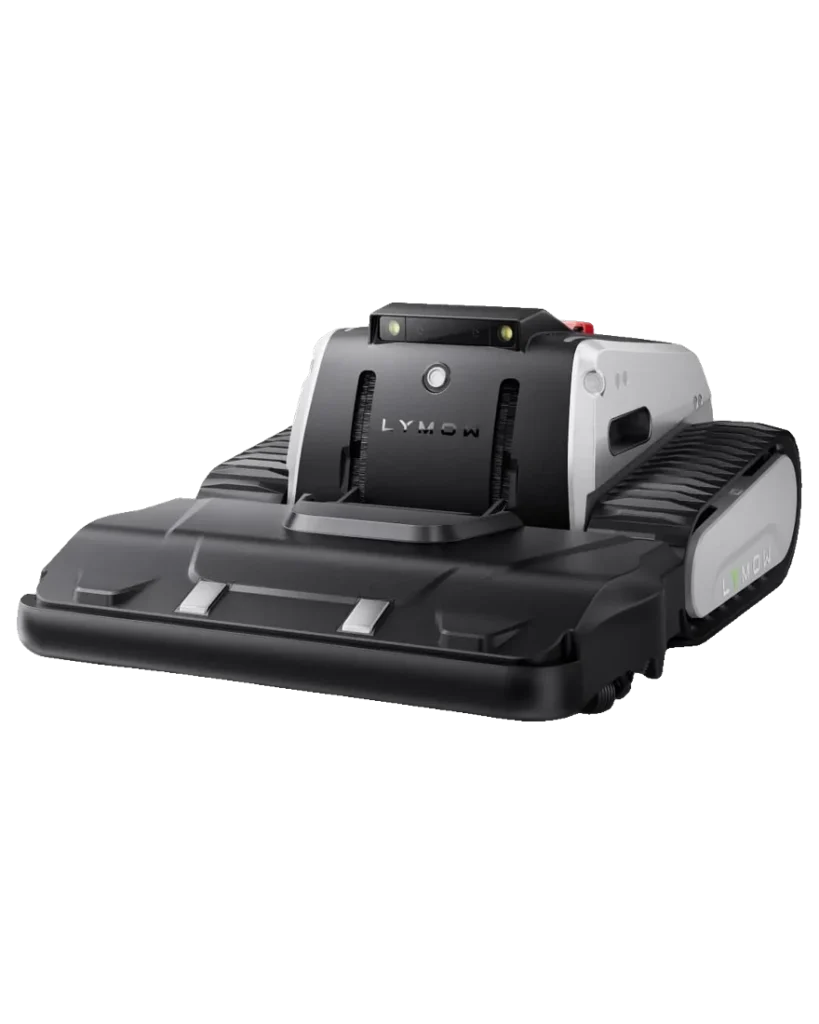
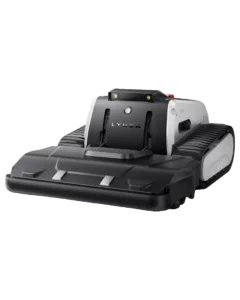 Lymow One
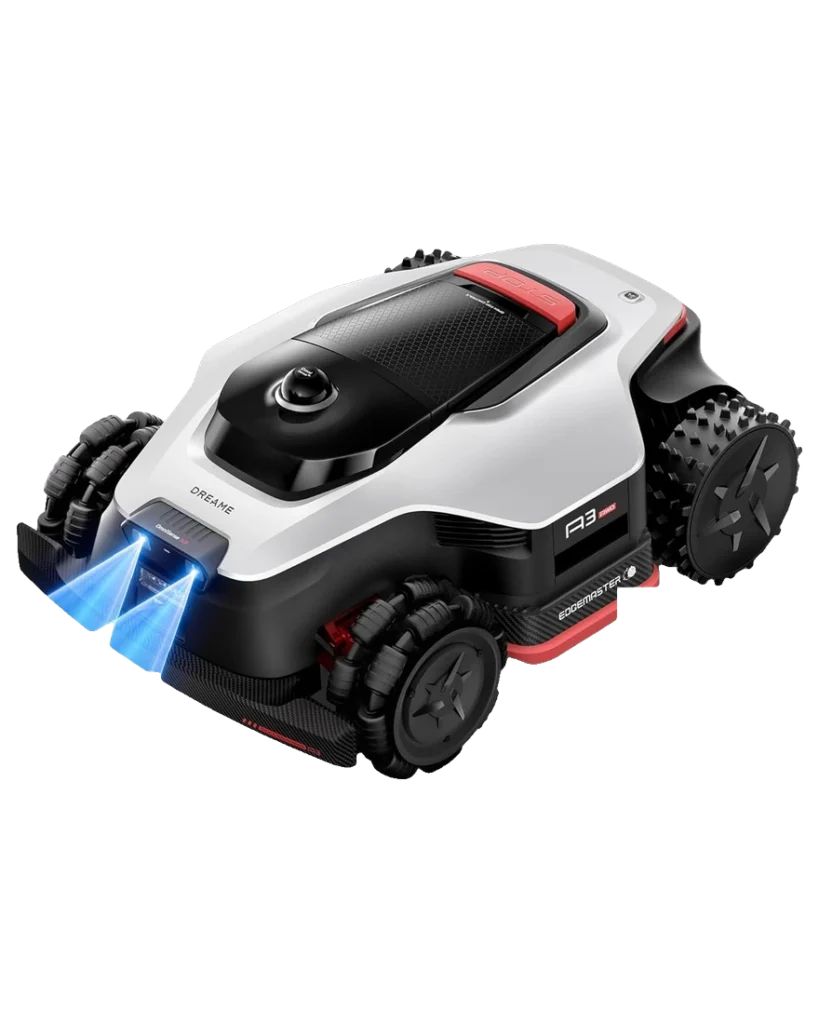
 Dreame A3 AWD Pro 5000
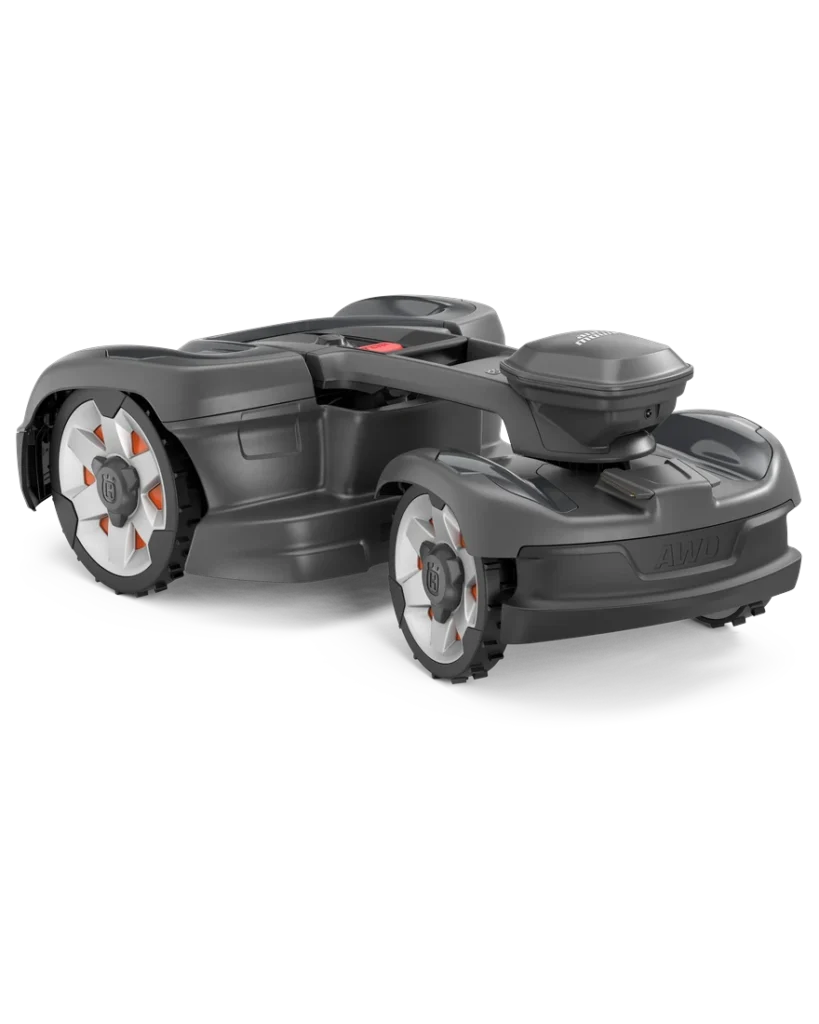
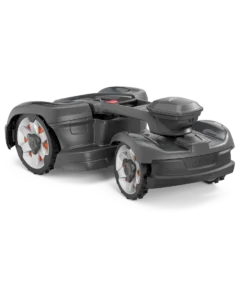 435X AWD NERA
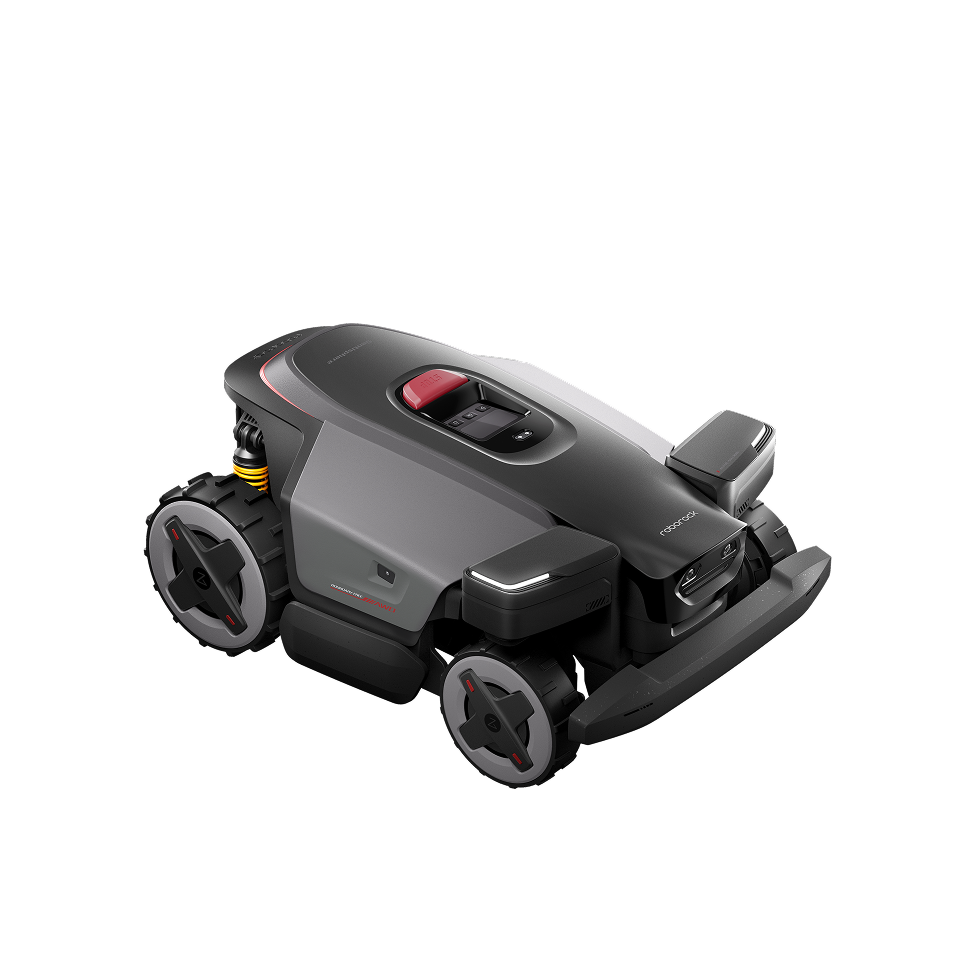
 Roborock RockMow Z130
Lymow One product FAQ documents 3-4 acre coverage per charge depending on grass density and slope; manufacturer specification is the sole source for this figure at time of classification.
Dreame A3 AWD Pro 5000 fit-for documentation states 1.24-acre coverage per charge; Husqvarna Automower 435X AWD NERA product pages document 3,500 m² coverage area; Roborock Z130 specification documents 3,000 m² coverage.
Husqvarna's 45-minute charge time is the only unit in this group with sub-60-minute recharge, documented on the Husqvarna UK product page; the Dreame A3 requires 300 minutes, making same-day multi-cycle throughput substantially lower.
What slope ceiling does each robot operate on reliably?
Ride-on replacement on varied terrain requires consistent traction up to the property's steepest grade. Slope rating and drive architecture differ substantially across these four platforms.
Lymow OneDreame A3 AWD Pro 5000435X AWD NERARoborock RockMow Z130Dreame A3 AWD Pro 5000 product documentation lists 80% gradient rating; this figure is from manufacturer-controlled testing with no published consumer field data at that extreme as of June 2026.
Lymow One manufacturer specification documents 30-degree gradient with no traction loss; tracked suspension is the only tank-track architecture among the four platforms compared here.
Roborock Z130 manufacturer safety guide mandates virtual boundary exclusion for slopes exceeding 18 degrees and documents wheel slip above that threshold; maximum operating slope is 20 degrees per specification.
What positioning infrastructure does each require to operate autonomously?
Wire-free autonomy at Level IV relies on different positioning architectures. Each imposes distinct installation steps and ongoing infrastructure dependencies.
Lymow OneDreame A3 AWD Pro 5000435X AWD NERARoborock RockMow Z130Dreame A3 AWD Pro 5000 is the only platform in this comparison that requires no separate external base station; boundary mapping is handled entirely by onboard LiDAR and binocular vision on first run, per manufacturer documentation.
Husqvarna Automower 435X AWD NERA documentation references annual EPOS positioning-accuracy verification via authorized service centers; subscription cost is separate from purchase price per Husqvarna product pages.
Lymow One RTK base station cost is documented at $1,200+ in the Lymow product FAQ; without it, the system reverts to standard GPS accuracy (3-5 meter), degrading to conditional autonomy per manufacturer documentation.
What is the daily effective throughput across multi-session operation?
A single charge cycle rarely replaces a full day of ride-on work. Daily throughput across a 10-12 hour operating window depends on charge time as much as runtime.
Lymow OneDreame A3 AWD Pro 5000435X AWD NERARoborock RockMow Z130Daily acreage estimates are derived from manufacturer-published runtime and charge times applied to a 10-hour operating window; actual throughput varies with terrain, grass density, and dock accuracy.
Husqvarna Automower 435X AWD NERA has the fastest recharge of the four at 45 minutes per manufacturer specification, enabling more cycles per day than any other platform in this comparison despite its lower per-cycle coverage.
Dreame A3 AWD Pro 5000 has the longest recharge of the group at 300 minutes per manufacturer specification, which constrains daily throughput to approximately one full cycle on most properties regardless of its 1.24-acre per-charge coverage.
What does each platform cost to own, including initial and ongoing expenses?
Purchase price is only the entry cost. RTK infrastructure, recurring service, and blade consumables determine whether any of these platforms approaches ride-on cost of ownership.
Lymow OneDreame A3 AWD Pro 5000435X AWD NERARoborock RockMow Z130Dreame A3 AWD Pro 5000 is the only platform requiring no additional infrastructure investment beyond the dock; its $3,499.99 MSRP represents the full acquisition cost per manufacturer documentation.
Lymow One blade replacement is documented at approximately $120 per blade with 6-8 week intervals in high-debris yards per Lymow maintenance documentation; this is a distinctly higher ongoing blade cost than the other three platforms.
Husqvarna Automower 435X AWD NERA annual EPOS service is documented at approximately $60-80 per Husqvarna maintenance schedule; blade pair replacement documented at $40-50 annually or per 5,000 m² per product manual.
In closing
What the evidence shows
Patterns that emerged across the questions above.
Throughput ceiling separates the platforms at 1+ acre
Manufacturer-documented coverage positions the Lymow One as the only platform rated to exceed 1 acre per charge; the remaining three require multiple sessions to cover similar acreage, leaving total daily throughput dependent on charge time.
Infrastructure cost changes the effective price comparison
Lymow One's $2,999 MSRP rises to $4,200+ with the required RTK base station; Dreame's $3,499.99 includes no additional required hardware, making per-dollar throughput comparisons non-trivial from purchase price alone.
Slope rating and consumer validation diverge across the group
The Dreame A3 AWD Pro 5000 carries the highest slope rating at 80% gradient, but this figure comes from manufacturer-controlled testing with no consumer field data published as of June 2026; the Roborock Z130 posts the lowest slope ceiling at 20 degrees.
Common questions