
A situation
Robot mowers for detached lawns: zones, transport paths, and second docks
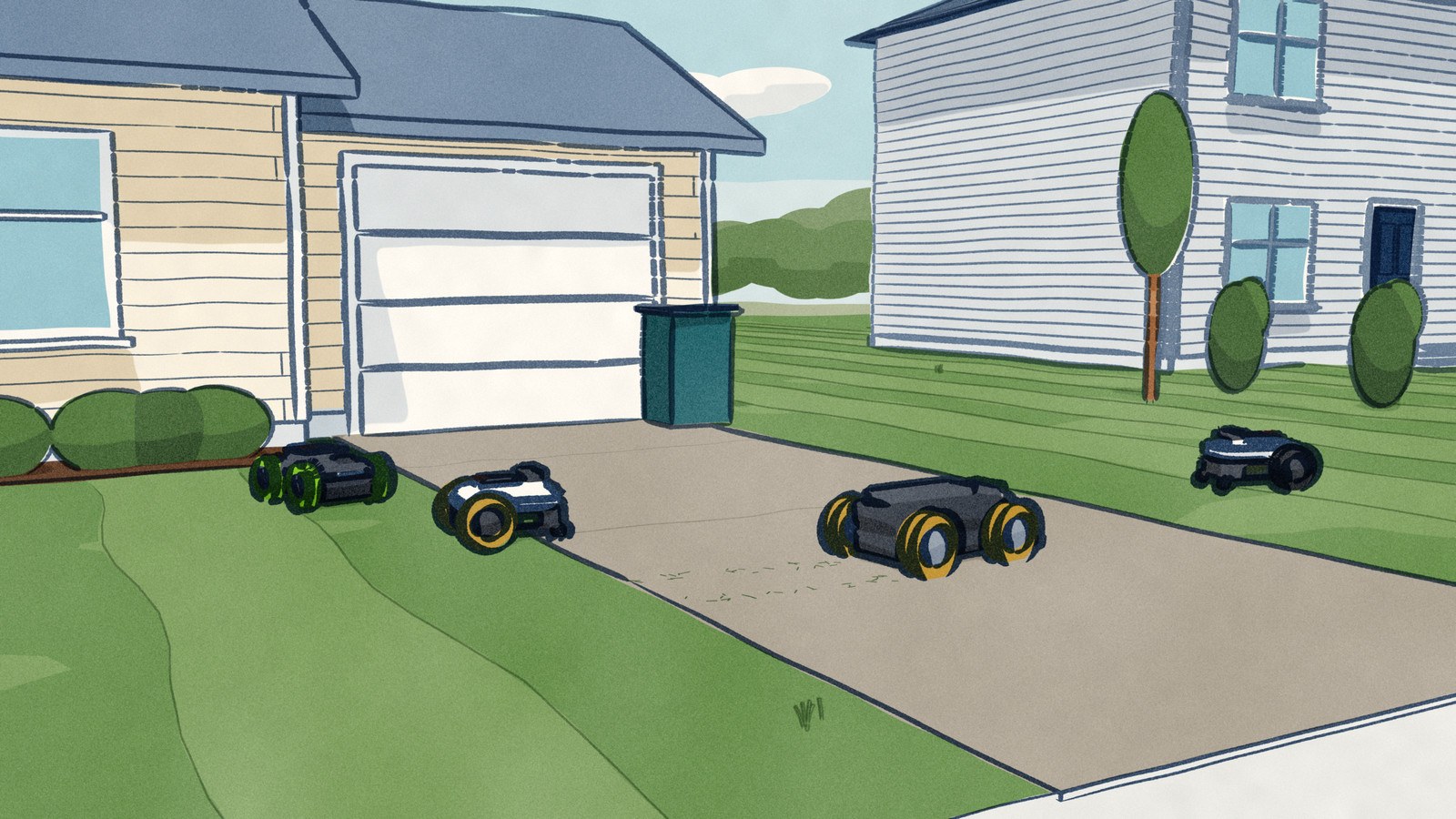
A driveway splits the front and back lawns. The question is how many zones each mower holds, how it crosses between them, and whether a second dock is on offer.
This page checks
- Zones it holdsHow many separate lawns it can store
- Crossing between lawnsChannels or paths joining zones
- A second dockWhether a spare is listed
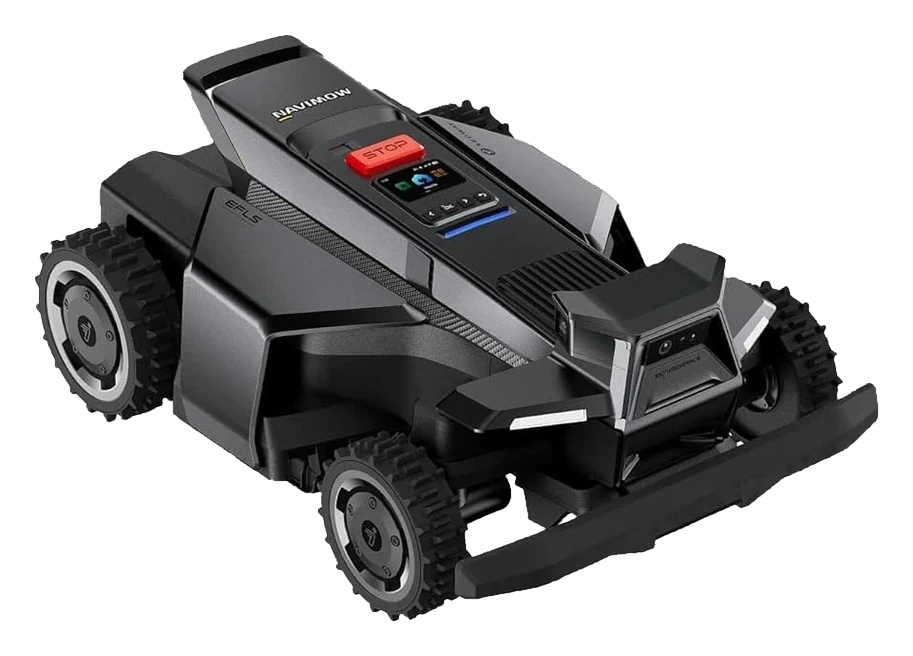
Segway
Where to buy
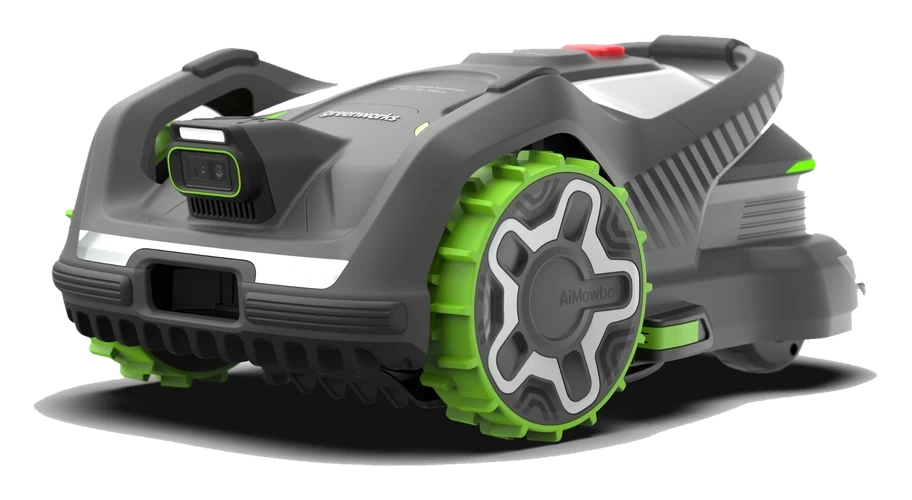
Greenworks
Where to buy
Greenworks' own US page covers the C20; the C20Z was found on its Canadian site

Mammotion
Where to buy
Sold at Home Depot and Amazon; Mammotion's US YUKA page now shows the YUKA mini 2
Mammotion app update adds multi-zone scheduling and RTK signal diagnostics for YUKA 3000
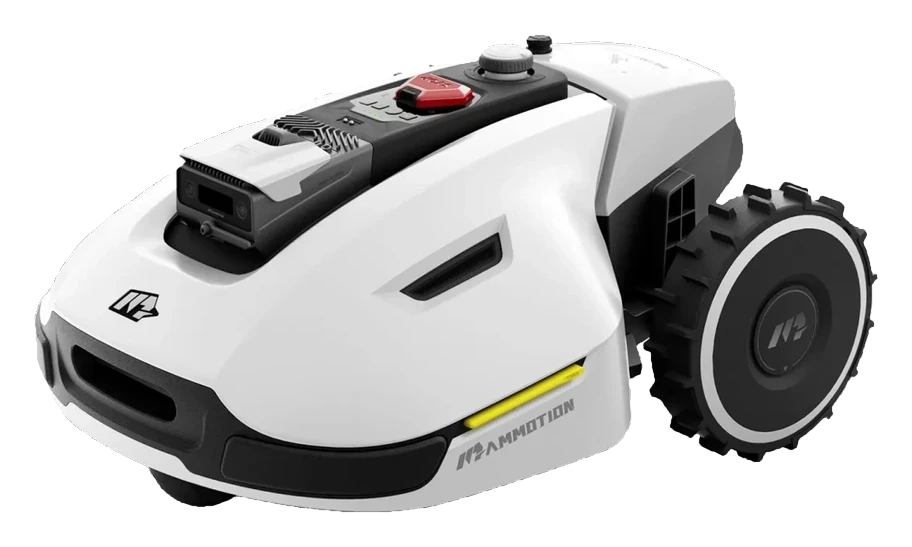
Mammotion
Where to buy
Mammotion's US YUKA page now shows the YUKA mini 2
Vision calibration firmware improves edge and obstacle detection
Full specifications18 figures on record · 17 differ
Some links earn Robovations a commission. Nothing on this page is ranked by it.
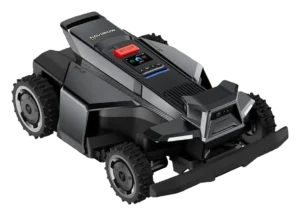 Navimow X4
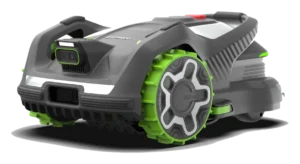 AiMowbot C20Z
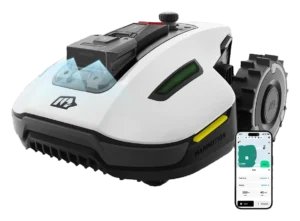 YUKA 3000
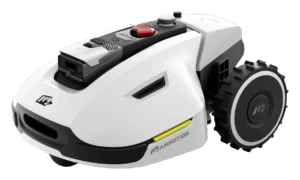 YUKA 1500
Front and back
What a split yard asks of each one
The Navimow X4 is listed with 120 zones by a hands-on review, the YUKA 3000 with 30 by a retail listing, and the YUKA 1500 with 10 by Mammotion. Greenworks gives no zone count for the C20Z. No second dock was found for any of the four.
120zones
Counts no-go areas too. Stated for the X430 in the review.
Hands-on reviewNot found
Greenworks says the maximum depends on the model; no number found.
Greenworks Canada product page30zones
From a retail listing title. Not seen on a Mammotion page.
Retail listing title10zones
Mammotion's page covers the YUKA 1500 and YUKA 2000.
Mammotion support specs pageA review says a grass or paved path between zones lets it drive across itself. Fenced yards may need a hand.
Hands-on review of the X4 seriesNot found
The C20 page lists transport paths; none found for the C20Z, which needs a passage 19.7 in high by 39.4 in wide.
Greenworks C20 and C20Z pagesMammotion's guide says zones can be split by a path or driveway. You drive a channel between them in the app.
Mammotion guide for its mowersSame Mammotion guide and app steps. Not confirmed on a YUKA 1500 page.
Mammotion guide for its mowersNot found
Maker pages loaded only in part. The review does not mention one.
Searched maker pages and a reviewNot found
Product page lists one station and says it can be moved if you update its position in the app.
Greenworks Canada product pageNot found
No second-dock listing found on the pages searched.
Searched Mammotion pagesNot found
No second-dock listing found on the pages searched.
Searched Mammotion pagesSame on all four: a wire-free boundary and app-drawn zones. No second dock found on any page read.
Your home
How each one fits a home like yours
Set the conditions that describe your home. Each robot answers from its own Fit Check; nothing is scored until you choose.
Fit check
Describe your home
Pick what applies. Each robot answers from its own record.
Everything else
Where they land among 128 robot lawn mowers
Only the measures on which these four differ. The bar is the whole category; the block is the typical middle half; the tick is the median.
Sources
Where every figure comes from
- Navimow X4 · restechtoday.com hands-on of the X430 (zones); robbsutton.com X4 review (zones joined by a path); navimow.com pages loaded only in part
- AiMowbot C20Z · greenworkstools.ca C20Z product page (CAD price, passage size, one station); greenworkstools.com C20 series page, which says it applies to the C20 only
- YUKA 3000 · Amazon listing title (30 zones); Mammotion beginner's guide (eu.mammotion.com) for zones and channels
- YUKA 1500 · support.mammotion.com YUKA specs page (10 zones); Mammotion beginner's guide
Every value was read from a page opened on 2 Oct 2026. Not found means the pages opened say nothing; it does not mean the robot lacks the feature.
Questions
What readers ask
Can these mowers cross a driveway between lawns?
Mammotion says zones can be split by a path or driveway and joined by a channel you drive in its app. A review says the X4 follows a connecting path between zones. Greenworks lists transport paths on its C20 page.
Is a second dock needed to mow both yards?
No page read says so, and none lists a second dock. Greenworks says the C20Z’s single station can be moved if you update its position in the app.
How many zones can each hold?
A review gives the Navimow X4 120 zones. A retail listing gives the YUKA 3000 30, and Mammotion’s support page gives the YUKA 1500 10. Greenworks gives no count for the C20Z.
Common questions