
Goal-based/Robot Lawn Mowers/4 robots compared/Reviewed Jun 2026
Small urban lawns: is a simple wired robot mower better than RTK?
Full specifications19 measurements · 70 of 76 documented
The investigation
5 questions this comparison examines
How does each unit define its mowing boundary?
Boundary method is the structural fork in this category. Three units use buried perimeter wire; one relies entirely on grass-sensor detection, skipping installation entirely.
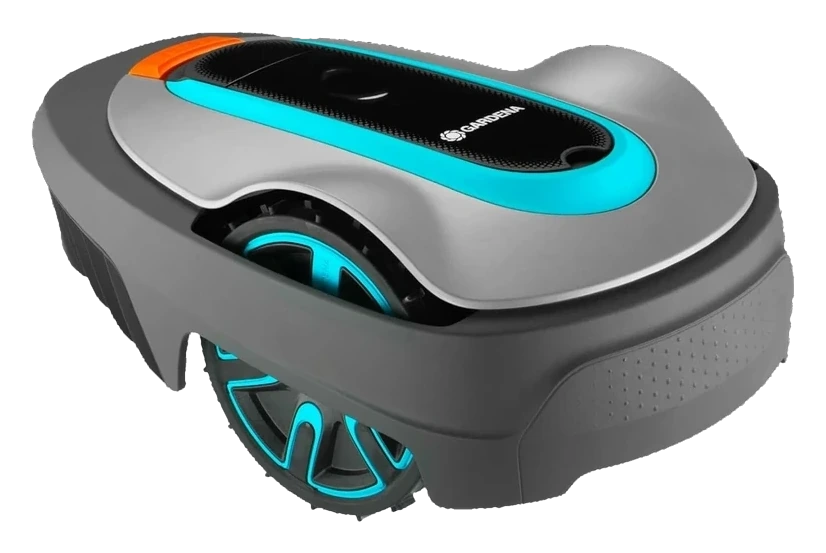
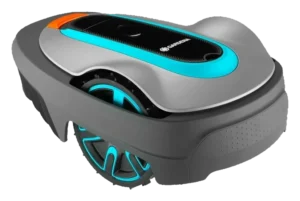 Gardena Sileno City
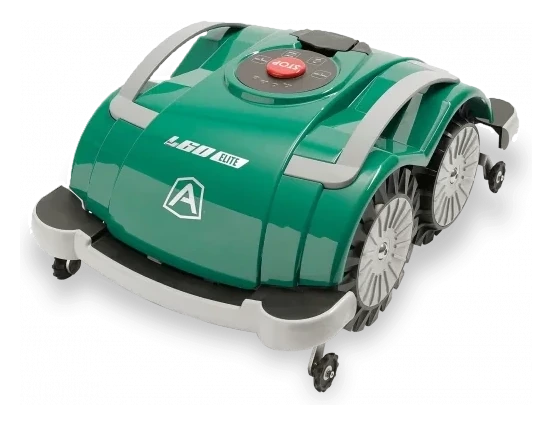
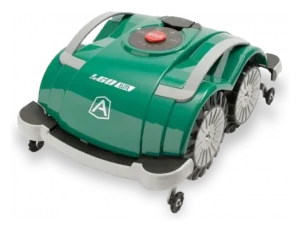 Ambrogio L60 Elite
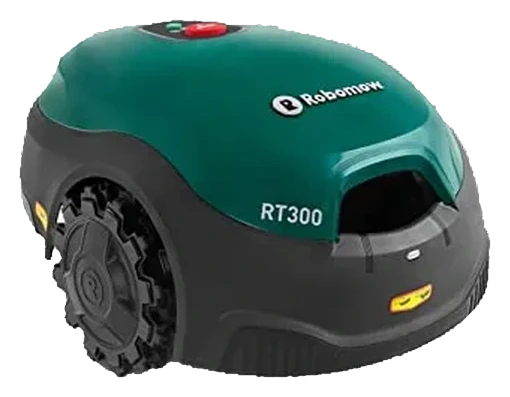
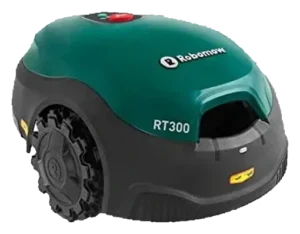 Robomow RT300
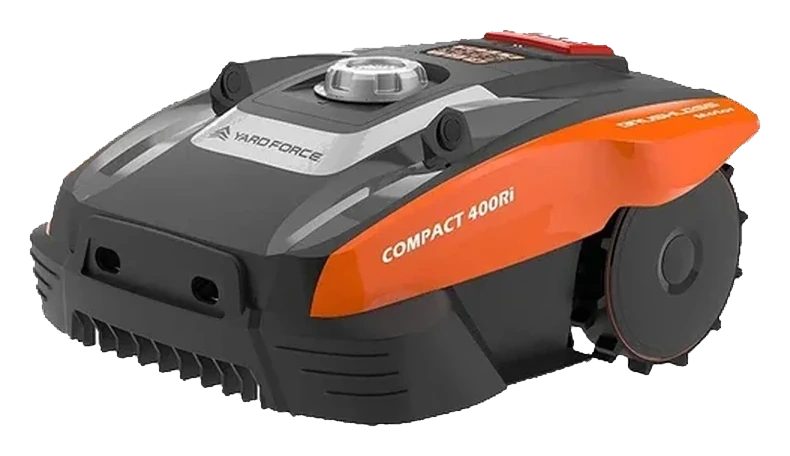
 Yard Force Compact 400Ri
Ambrogio L60 Elite product documentation confirms grass-sensor boundary detection; perimeter wire is optional, not required. Three competitor units list buried wire as mandatory in their respective installation guides.
Robomow RT300 installation documentation cites 2-4 hours for perimeter wire setup; Gardena Sileno City documentation specifies 1-3 cm burial depth and typical installation of 1-2 hours.
What physical footprint and weight does each unit demand?
Storage, handling, and positioning in tight urban yards depends directly on unit mass and dimensions. One unit is categorically heavier than the others.
Gardena Sileno CityAmbrogio L60 EliteRobomow RT300Yard Force Compact 400RiRobomow RT300 specification sheet lists weight at 55 lbs, substantially heavier than the other three units in this comparison; manufacturer documentation does not provide an explanation for the mass difference.
Yard Force Compact 400Ri product manual confirms no built-in docking station; the battery must be removed manually and charged on an external charger before each session.
How long does each unit run per charge, and how loud is it?
On a 200 sqm lot, runtime and noise level both bear directly on whether a single charge handles the yard and whether operation is compatible with dense urban proximity.
Gardena Sileno CityAmbrogio L60 EliteRobomow RT300Yard Force Compact 400RiGardena Sileno City and Ambrogio L60 Elite manufacturer documentation both publish 58 dB operating noise; Robomow RT300 spec sheet lists 72 dB and Yard Force 400Ri lists 71 dB, a 13-14 dB difference which is perceptible in close-proximity residential settings.
Robomow RT300 documentation lists 3-hour charge time against 120-minute runtime; Yard Force 400Ri manual specifies 100-minute charge via external charger for 60-minute runtime.
What ongoing maintenance does each unit require from the owner?
On small yards, owner maintenance cadence is often the deciding friction. Grass-collection emptying, blade replacement intervals, and wire inspection duties vary meaningfully across these four units.
Gardena Sileno CityAmbrogio L60 EliteRobomow RT300Yard Force Compact 400RiAmbrogio L60 Elite product documentation specifies a 0.5-liter grass collection hopper requiring daily or every-other-day emptying; the three competing units mulch clippings in place and have no collection hopper to manage.
Robomow RT300 maintenance documentation specifies weekly perimeter wire inspection particularly after heavy rain; Gardena documentation prescribes monthly visual inspection, a meaningfully lighter cadence.
What does connectivity and app control add at this lot size?
Two of the four units include WiFi and app connectivity; two operate with no digital link at all. Whether remote scheduling or monitoring changes anything on a 200 sqm yard is the operational question.
Gardena Sileno CityAmbrogio L60 EliteRobomow RT300Yard Force Compact 400RiGardena Sileno City Robovations product records record confirms privacy score of 100 and no connectivity fields; Ambrogio L60 Elite scores 95 with no connectivity listed. The two wire-guided connected units (Robomow 70, Yard Force 63) score lower on the same privacy rubric.
Yard Force Compact 400Ri requires manual battery removal for charging; app-based scheduling is present but each session still requires the owner to physically reinstall a charged battery before autonomous operation begins.
In closing
What the evidence shows
Patterns that emerged across the questions above.
Boundary method is the primary setup cost
Three units require perimeter wire burial (1-4 hours per install); the Ambrogio L60 Elite skips that entirely via grass-sensor detection, trading installation friction for random-path coverage uncertainty on lot edges.
Noise and weight split the field clearly
Sileno City and L60 Elite both document 58 dB; Robomow RT300 and Yard Force 400Ri document 71-72 dB. The RT300 also weighs 55 lbs versus 13-16 lbs for the other three, a significant handling gap on a compact urban lot.
Connectivity adds scheduling but also complexity and data exposure
The two app-connected units (RT300, 400Ri) enable remote scheduling; the two unconnected units (Sileno City, L60 Elite) score 95-100 on the Robovations privacy rubric versus 63-70 for the connected pair.
Common questions