
Head to head
Mammotion, Ecovacs, and Worx Wire-Free Mowers: What Fits?
All four mow without a boundary wire. This page asks which lawns and yards each one fits: size, slope, tight gaps, edges and the dark.

This page checks
- Lawn sizeRated area, in acres
- SlopeSteepest grade the maker states
- Tight gapsNarrowest passage it will take
- Edges and darkEdge cutting, night use, and where positioning comes from
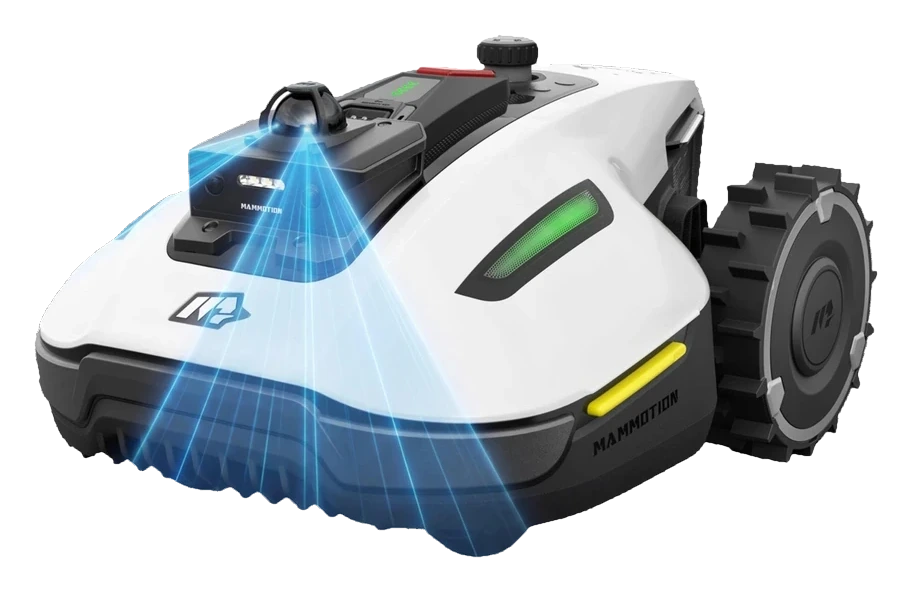
Mammotion
Where to buy
Out of stock on Mammotion's US store on 2 Oct 2026
Mammotion announces YUKA mini 2 series with wire-free RTK mowing for compact yards

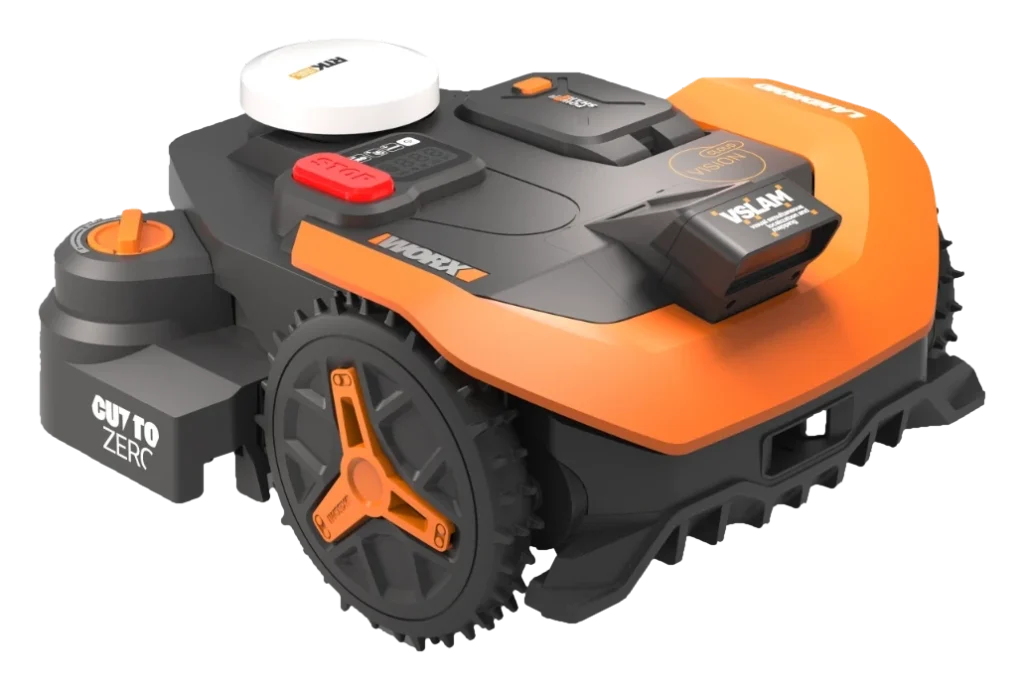
Worx
Where to buy
Worx unveils Landroid Vision Cloud WR310 with wire-free RTK Cloud navigation
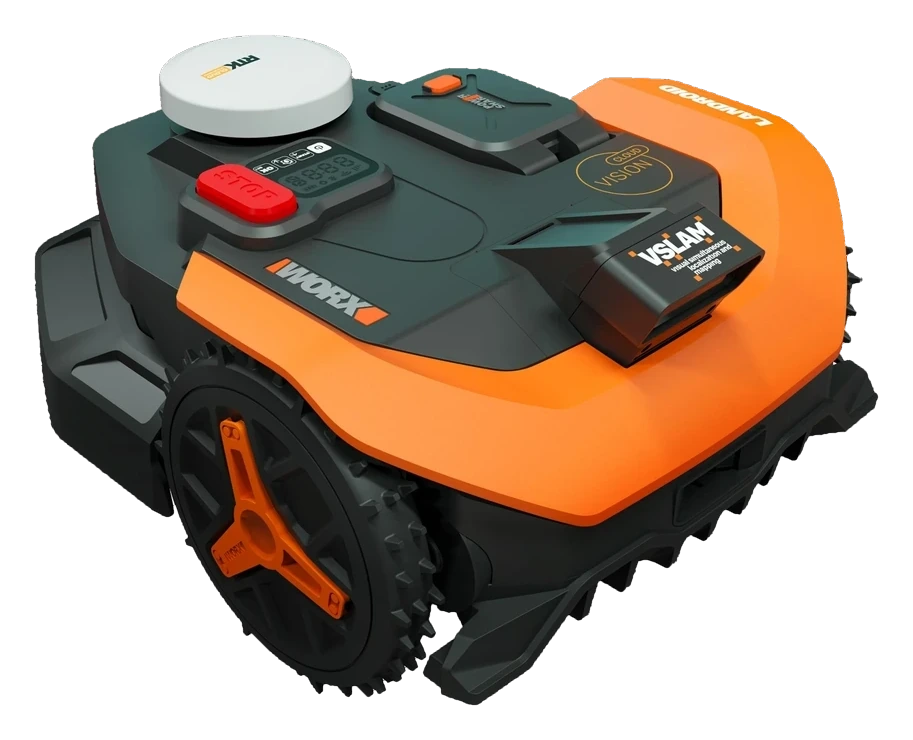
Worx
Where to buy
Full specifications18 figures on record · 17 differ
Some links earn Robovations a commission. Nothing on this page is ranked by it.
 YUKA mini 2 1000H
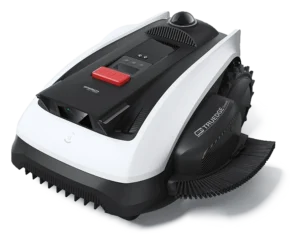 GOAT O1000 LiDAR PRO
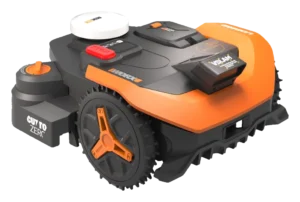 Landroid Vision Cloud WR310
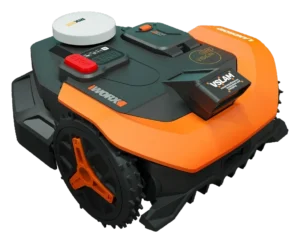 Landroid Vision Cloud WR320
What fits
What each one is built for
Three of the four are rated for 0.25 acre; only the Worx WR320 lists 0.5 acre. The Mammotion and Ecovacs list 45% slopes against 30% for both Worx. The Worx pair takes its satellite corrections from a cloud service. The other two navigate by LiDAR.
0.25acre
Printed as max area.
Mammotion US product page0.25acre
Listing says lawns up to 1/4 acre. The maker's own page gives no area figure.
Ecovacs listing on Amazon US0.25acre
Sold as the 1/4 acre model.
Worx US product page0.5acre
Sold as the 1/2 acre model.
Worx US product page45%
Printed as 45% (24°).
Mammotion US product page45%
Printed as 45% (24°) slope climbing.
Ecovacs US product page30%
Printed as 30% (17°).
Worx US product page30%
Printed as 30% (17°).
Worx US product page21.7in
Printed as navigating through 21.7 in pathways.
Mammotion US product page31.5in
Printed as paths as tight as 31.50 inches.
Ecovacs US product pageNot found
No passage width on the US product page. Manual not searched for this figure.
Searched Worx US product pageNot found
No passage width on the US product page. Manual not searched for this figure.
Searched Worx US product pagePage says Cleaner Edge Mowing. It names no trimmer or offset blade.
Mammotion US product pageIntegrated TruEdge trimmer. The page lists the trimmer at 81 dB, the main unit at 61 dB.
Ecovacs US product pageCut-to-Zero blade offset for minimal uncut edges.
Worx US product pageCut-to-Zero blade offset for minimal uncut edges.
Worx US product page360° LiDAR with dual-camera AI vision, no RTK.
Mammotion US product pageDual LiDAR with an AI vision camera.
Ecovacs US product pageRTK corrections from the Worx cloud, plus vision. Page promises lifetime free RTK Cloud service.
Worx US product pageRTK corrections from the Worx cloud, plus vision. Page says RTK availability varies by location.
Worx US product pageNot stated
Product page searched for night or low-light use; none stated.
Searched Mammotion US product pagePage says the 360° LiDAR works even in the dark.
Ecovacs US product pageNight use needs the optional FiatLux module.
Worx US product pageNight use needs the optional FiatLux module.
Worx US product pageSame on all four: no buried perimeter wire. Each builds its own map of the lawn and is run from an app.
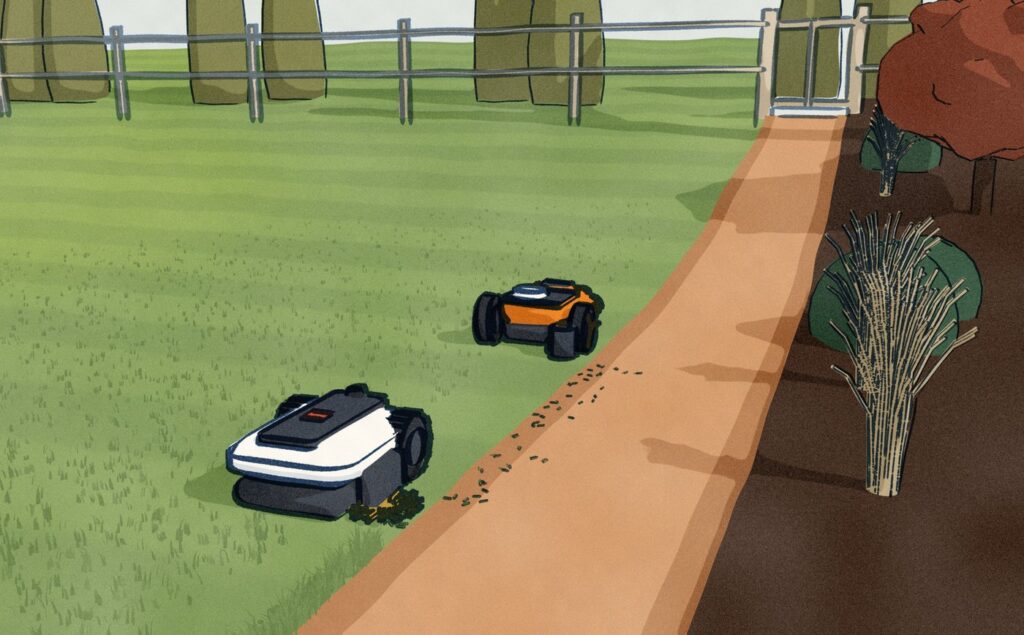
Your home
How each one fits a home like yours
Set the conditions that describe your home. Each robot answers from its own Fit Check; nothing is scored until you choose.
Fit check
Describe your home
Pick what applies. Each robot answers from its own record.
Sources
Where every figure comes from
- Mammotion YUKA mini 2 1000H · us.mammotion.com product page (2 Oct 2026)
- Ecovacs GOAT O1000 LiDAR PRO · ecovacs.com US product page; Ecovacs listing on Amazon US (2 Oct 2026)
- Worx Landroid Vision Cloud WR310 · worx.com US product page, 1/4 acre model (2 Oct 2026)
- Worx Landroid Vision Cloud WR320 · worx.com US product page, 1/2 acre model (2 Oct 2026)
Every figure was read on 2 Oct 2026 from the maker's page for the exact model. Where a page was silent on a figure, the cell says so.
Questions
What readers ask
Do any of these need a buried wire?
No. Each is wire-free. Mammotion uses LiDAR with dual cameras, Ecovacs uses dual LiDAR with a camera, and Worx uses cloud RTK with stereo vision.
What differs between the Worx WR310 and WR320?
The US pages list the same 30% slope, 8.7 in cutting width and cutting heights. The rated area differs: 0.25 acre for the WR310, 0.5 acre for the WR320. Listed weights are 30.9 and 31.0 lb.
Which cut the edge without a separate trimmer?
Ecovacs lists an integrated TruEdge trimmer. Both Worx pages list a Cut-to-Zero blade offset for minimal uncut edges. Mammotion's page says Cleaner Edge Mowing and names no trimmer.
Common questions