
Autonomy Library·Reference
Humanoid Robot Privacy
Potentially, yes. A home humanoid that can be teleoperated has cameras and microphones a remote operator can, in principle, see and hear through, and it sends maps and other data to the maker. Responsible makers gate operator access behind scheduled, owner-approved sessions and disclose their data handling, so the practical question is how a specific company controls that access.
Counts are live·reviewed August 25, 2026
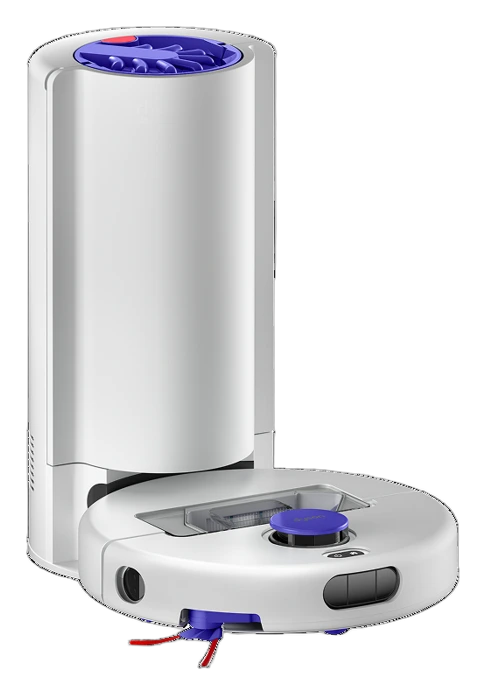
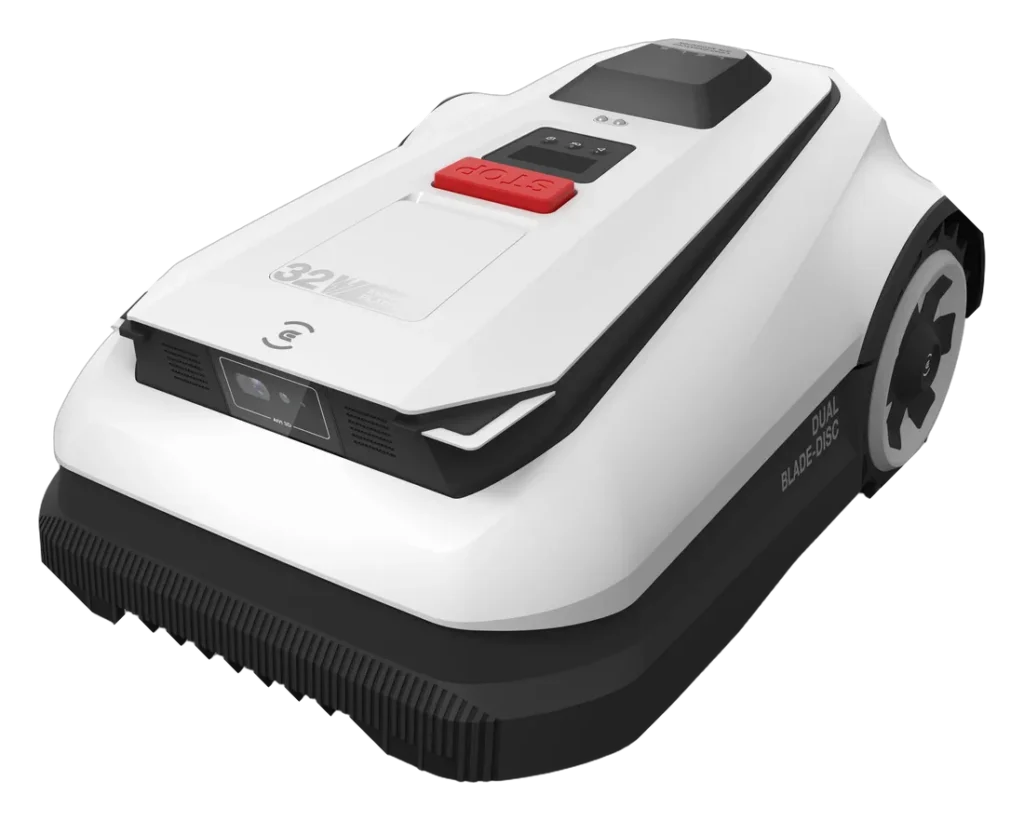
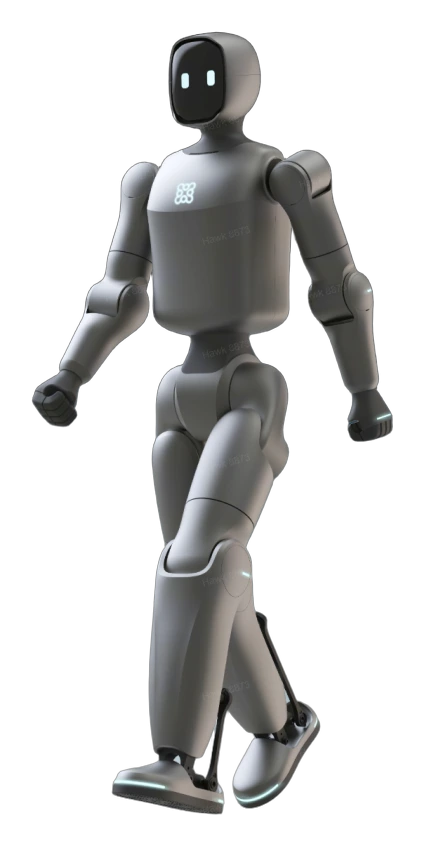
What a home humanoid can see, and where it goes
- 1
Floor heightA vacuum carries its camera at ankle height. What it can see is skirting, desk legs and the underside of furniture, and almost none of it is legible as a document or a face.
- 2
Standing heightA humanoid carries the same sensor at the height of a desk, a screen, a countertop and a face. Being carried a metre and a half higher is what turns it into a different instrument.
- 3
What it takes inThe screen, the papers on the desk and the person standing beyond it all fall inside the upper field and outside the lower one.
Why a home robot is a privacy question at all
A humanoid built to work in an unstructured home has to see and hear it. That means onboard cameras, microphones, and a stored map of your rooms, plus a network link to the manufacturer for updates and, on many models, for the remote operators who pilot tasks the robot cannot do alone.
None of that is inherently sinister, and the better companies are specific about it. The concern is structural: the same capability that lets a person drive the robot lets a person, in principle, look through it. So the safeguards are not technical add-ons, they are policy: when operator sessions can happen, whether you approve them, and what is kept.
What to ask before a humanoid enters your home
Privacy for these robots is defined by the answers to a few concrete questions, not by a marketing line.
| Operator access | Can a remote person view the cameras or drive the robot, and only during sessions you schedule and approve, or at the company’s discretion? Approval-gated access is the readiness bar. |
|---|---|
| On-device vs cloud | Does mapping and recognition run on the robot, or stream to the maker’s servers? What is uploaded, how long it is kept, and can you delete it? |
| Off switch and zones | Is there a hardware camera and microphone cutoff, and can you mark rooms the robot never enters or records? |
How this fits the classification
Robovations treats operator access and data handling as part of consumer readiness, not a separate topic. A robot that depends on remote pilots for its headline tasks sits at Level II, and that same dependence is what creates the privacy exposure. The two move together.
That is also why the accurate framing for a home humanoid is dated and specific: what a given model captures, and who can reach it, can change with a firmware update or a policy change, and belongs on the record for each robot alongside its autonomy level.
Questions
Can 1X Neo operators see inside your house?
The capability exists, because the Neo relies on remote human operators for tasks it cannot do autonomously, and driving the robot means seeing through its cameras. 1X has said these sessions are scheduled and owner-approved. How tightly that access is gated, and what is retained, is the core privacy question for any teleoperation-capable home robot.
Do humanoid robots record video and audio?
They capture both to operate: cameras for navigation and manipulation, microphones for commands. Whether that data is processed only on the robot or uploaded to the maker, and how long it is kept, varies by company and should be stated in the privacy policy.
Is my home data sent to the cloud?
Often some of it is. Maps, usage patterns, and on many models camera data go to the manufacturer for features and support. A few makers keep more on-device. The amount that leaves your home is a specific, checkable property of each model, not a fixed rule.
How do I limit what a home robot sees?
Look for a hardware camera and microphone cutoff, app controls to set no-go and no-record zones, an option to keep processing on-device, and a clear way to review and delete stored data. Also confirm that any remote-operator access requires your explicit, scheduled approval.
Are home humanoid robots a privacy risk?
They carry more privacy exposure than a fixed smart speaker because they move, see, and can be remotely driven. The risk is manageable when a company gates operator access behind owner approval and discloses its data handling, and higher when it does neither. Treat it as an informed trade-off per model.
Staged Humanoid Demos·Humanoid Teleoperation·Humanoid Robot Readiness·Robot Autonomy·Robot Subscription Gate·Full library
Browse classified humanoid robots →·Are humanoid robots teleoperated? →·Humanoid robot readiness →
Cite this page
Robovations. “Can Humanoid Robot Operators See Inside Your Home?” Robovations Autonomy Library. Last reviewed August 25, 2026. https://robovations.com/humanoid-robot-privacy/