
Autonomy Library·Category guide
Robot Pool Cleaner Autonomy
A robot pool cleaner scrubs the pool unsupervised, and that is where its independence ends. A person lifts it out, empties its filter, and charges it, every cycle. That designed-in loop is why nearly every pool robot sits at Level III, Conditional Autonomy, or below.
Counts are live·reviewed July 5, 2026
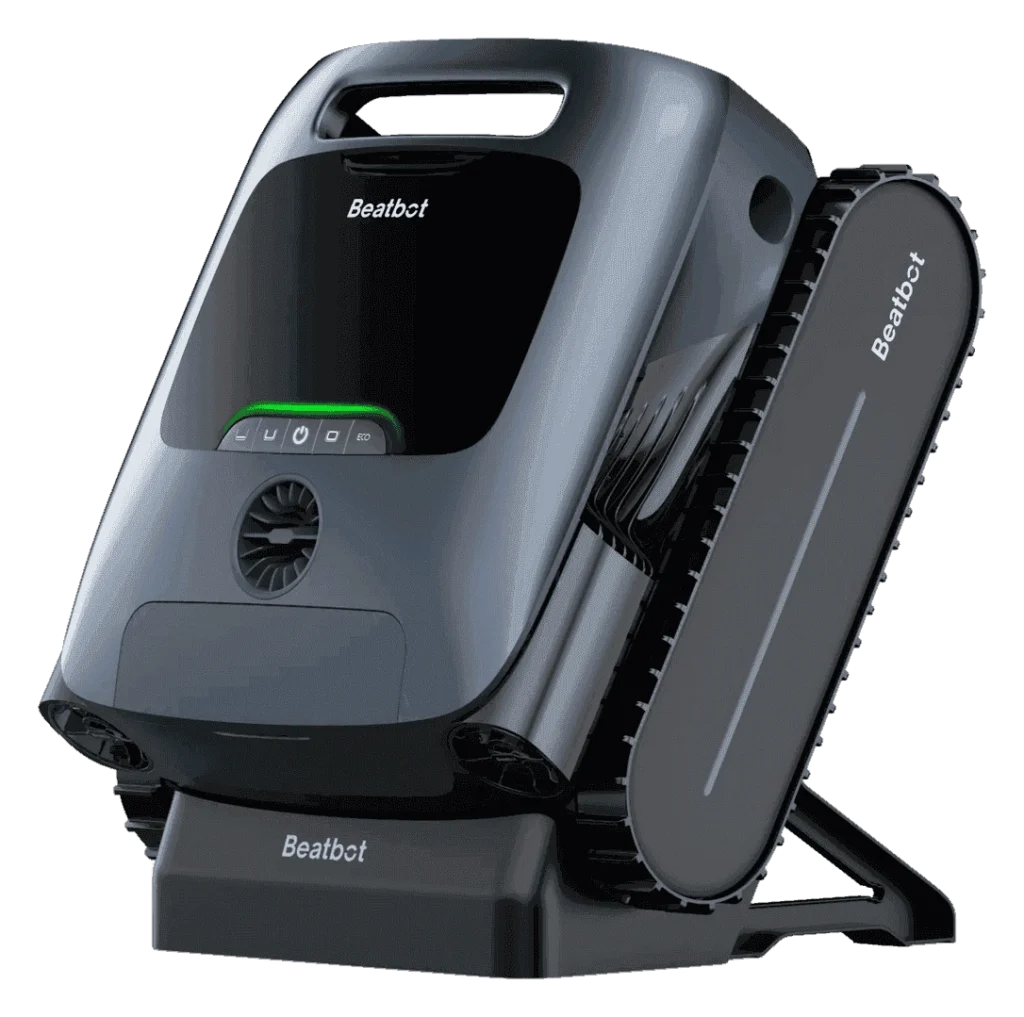
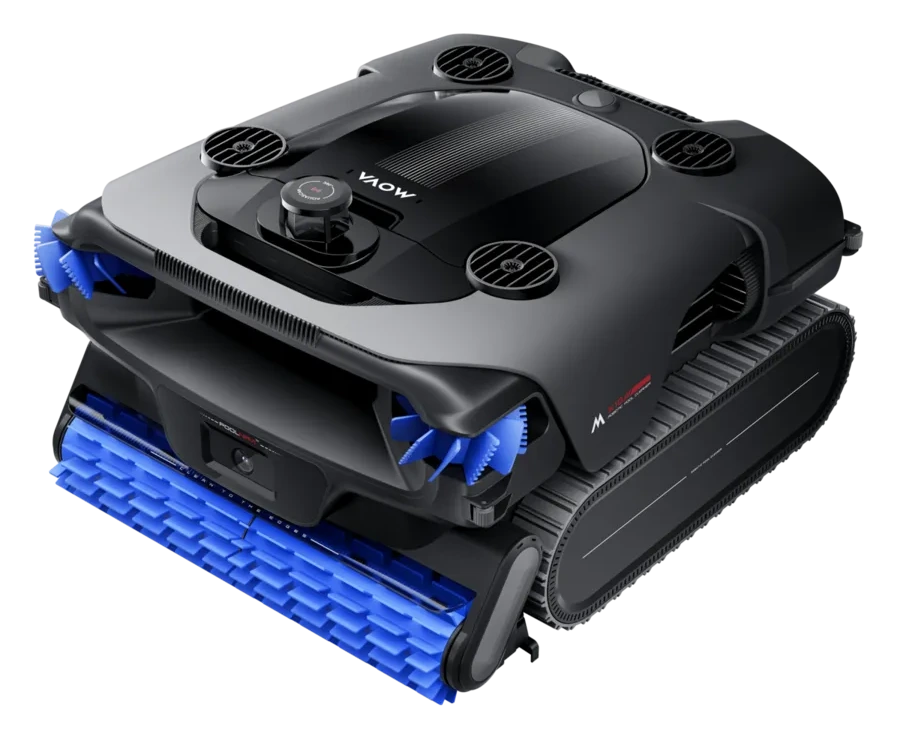
Autonomous underwater, manual at the deck
- 1
Lifted out by handEvery run ends with a wet unit on the end of a pole. Then the basket is emptied, the filter rinsed and the machine stored dry, and no amount of underwater capability moves any of it.
- 2
The waterlineThe handoff. Everything below this line runs with nobody present; everything above it is work, every single time.
- 3
Floor and wallsCoverage of the basin, including the climb up the walls, is genuinely unattended. This is the part the machine takes, and it takes all of it.
Automated cleaning, human-managed everything else
Pool robots are among the most reliably useful home robots: drop one in and the floor gets scrubbed with no supervision. They are also a clear illustration of the difference between automating a task and being autonomous.
The robot cleans by itself. A person still puts it in, takes it out, empties its filter, rinses it, charges it, and stores it. The cycle is autonomous; the ownership loop is manual.
The autonomy boundaries
Where the robot’s independence starts and stops in this category.
| Navigation | Modern units map the pool and run systematic passes rather than random bounces. Coverage of floor, walls, and waterline varies by model and pool shape. |
|---|---|
| Walls and waterline | Wall climbing depends on surface material, water chemistry, and suction condition. Waterline scrubbing is the most frequently overstated claim in the category. |
| Retrieval and storage | Almost no consumer pool robot returns itself to a dry dock. Retrieval, by hand or by hook, is designed-in human work, and it recurs every cycle for cordless units that need charging. |
| Filter cleaning | The robot’s basket or cartridge needs emptying and rinsing, typically after each run. No current consumer model cleans its own filter. |
| Charging | Cordless units must be lifted out to charge. A small number of docked exceptions exist; for the mainstream, charging equals retrieval. |
Corded or cordless
Corded robots draw power from a wall unit: no battery to manage or replace, at the cost of a cable that can snag and a fixed reach. Cordless robots remove the cable and add a battery with a finite cycle life, which makes battery replacement a core ownership question rather than a footnote.
Neither design is more autonomous during the cleaning run. The difference is in what the owner manages between runs.
Where pool robots stand
Live Autonomy Ladder distribution for every robot pool cleaner in the Robovations database.
| Level | IManual automation | IIAssisted autonomy | IIIConditional autonomy | IVEnvironmental autonomy | VGeneralized autonomy |
|---|---|---|---|---|---|
| The robot | Performs one action on command. | Runs preset routines in simple spaces. | Finishes familiar jobs on its own. | Copes with clutter and frees itself. | Any task, any setting. |
| You | Operate it, continuously. | Supervise runs and rescue it often. | Prepare the space; handle the edge cases. | Setup and maintenance. | Nothing. |
| Robot Pool Cleaners | none | 31 robots | 43 robotsMost pool robots are here | 1 robot | none |
Robot: Performs one action on command.
You: Operate it, continuously.
Robot: Runs preset routines in simple spaces.
You: Supervise runs and rescue it often.
Robot: Finishes familiar jobs on its own.
You: Prepare the space; handle the edge cases.
Most pool robots are here
Robot: Copes with clutter and frees itself.
You: Setup and maintenance.
Robot: Any task, any setting.
You: Nothing.
The category tops out at Level III, Conditional Autonomy. The ceiling is structural: as long as retrieval, filter cleaning, and charging are designed to be human work, a pool robot cannot demonstrate the unattended, self-recovering operation that Level IV requires.
Questions
Are robot pool cleaners autonomous?
Within a cleaning cycle, largely yes: they navigate, scrub, and finish without supervision. Across ownership, no: a person performs retrieval, filter cleaning, charging, and storage every cycle. That is setup and upkeep; the classification comes from how the robot handles the pool while it cleans.
Can a pool robot reach Level IV?
Yes, when it is documented avoiding steps, drains and pool toys before contact and freeing itself when stuck. Lifting it out to empty and charge it is setup, not rescue, so it does not decide the level.
Is a cordless pool robot more autonomous than a corded one?
Not during the clean. Cordless removes cable management and adds battery management, including eventual battery replacement. The classification usually comes out the same; the ownership experience differs.
Does a robot pool cleaner replace the pool's filtration system?
No. It supplements circulation and filtration by scrubbing surfaces and capturing debris in its own basket. Water chemistry and the main filtration system remain separate responsibilities.
How often does the robot's filter need cleaning?
Typically after every run, and more thoroughly during heavy debris seasons. Filter cleaning is the most frequent recurring task in the category and no consumer model currently performs it on itself.
In the database
The category’s range, in real records. Every classification links to its evidence.
 II
II
Maytronics Dolphin Nautilus CC Pro
 III
III
Beatbot AquaSense Pro
 III
III
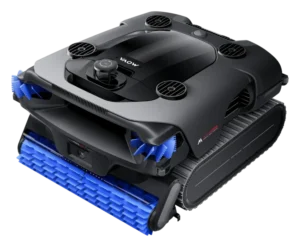
MOVA Rover X10
Robot Pool Cleaner Battery Replacement·Robot Autonomy·Robot Autonomy Levels·Robot Self-Cleaning Claims·Full library
Browse classified pool robots →·Robots at Level III →
Cite this page
Robovations. “Robot Pool Cleaner Autonomy: Navigation and Retrieval” Robovations Autonomy Library. Last reviewed July 5, 2026. https://robovations.com/robot-pool-cleaner-autonomy/