AGCO is bringing a warehouse humanoid robot onto its farm equipment factory floor
Agility Robotics’ Digit humanoid has spent its working life in warehouses, stacking totes for logistics companies. AGCO wants to try it on a factory floor that builds combines and hay equipment instead, under a deal signed before Digit has worked a single shift there, with no firmer start date than sometime in 2027.
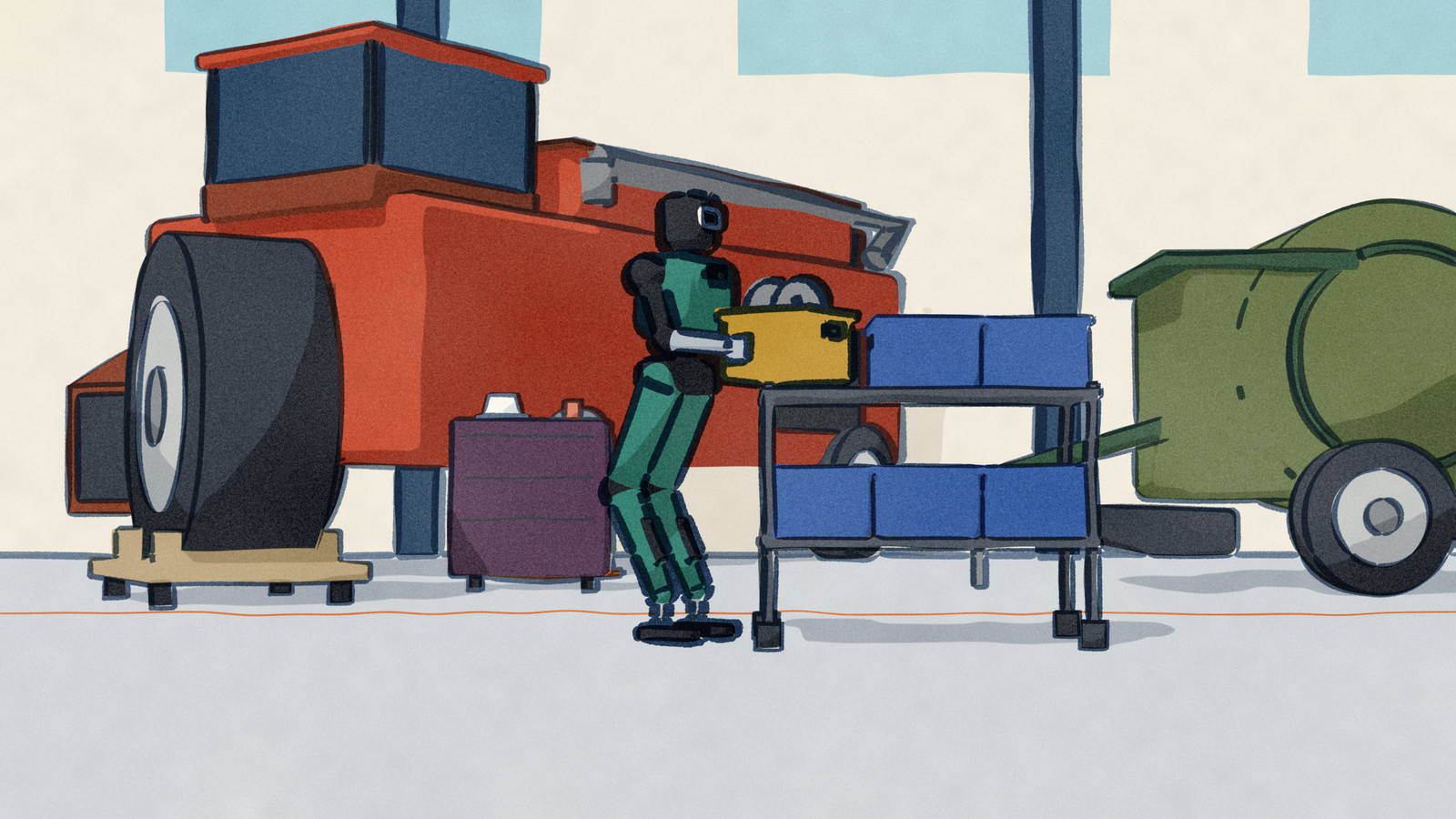
AGCO and Agility Robotics announced on October 20, 2026, that Agility’s Digit humanoid robot will take on a pilot role at AGCO’s manufacturing plant in Hesston, Kansas, where AGCO builds combines and hay and forage equipment for its Fendt and Massey Ferguson brands.
The joint announcement says the pilot is expected to start in 2027. Digit is slated to sort and stack parts and place totes used to store materials around the shop floor.
Thomas Enghof, AGCO’s director of manufacturing technology, called humanoid robots and AI essential “teammates” in building flexible, intelligent factories, in the announcement. Agility says Digit has already logged more than 65,000 hours of real-world operation, built up at logistics customers including Amazon, GXO Logistics, Schaeffler and Toyota.
All of that history sits in warehouses. Hesston would be Digit’s first disclosed placement inside a factory that assembles farm equipment, doing the same kind of parts-sorting and tote-placement work it already does for those logistics customers.
What AGCO and Agility have signed is an agreement to try the idea, not a running pilot. Neither company has named a robot count, a pilot length, or a dollar figure, and 2027 is the only date attached to it.
One industry report on the deal said this is a plan, not yet a result, and that the real test is how Digit performs once the Hesston line is actually running it.
Digit already sits in near-consumer humanoid tracking as Agility’s commercial platform, the same hardware the company is taking public through a SPAC merger expected to close by the end of 2026.
This deal does not change how far that robot is from a home. It moves Digit from warehouse customers into a factory that builds combines and hay equipment, work it already knows how to do, for a customer it has not worked for before.