MOVA’s new pool robot hovers like a drone. It still can’t climb the stairs.
MOVA's Rover X10 pool cleaner skips the usual floor-crawling design for a hovering, drone-like system that scans a pool in 3D with a laser rangefinder before it starts cleaning. The robot ships with a dedicated steps-cleaning mode built around underwater thrusters. Two independent reviews, run two months and two continents apart on retail units, checked whether that mode holds up on a real staircase.
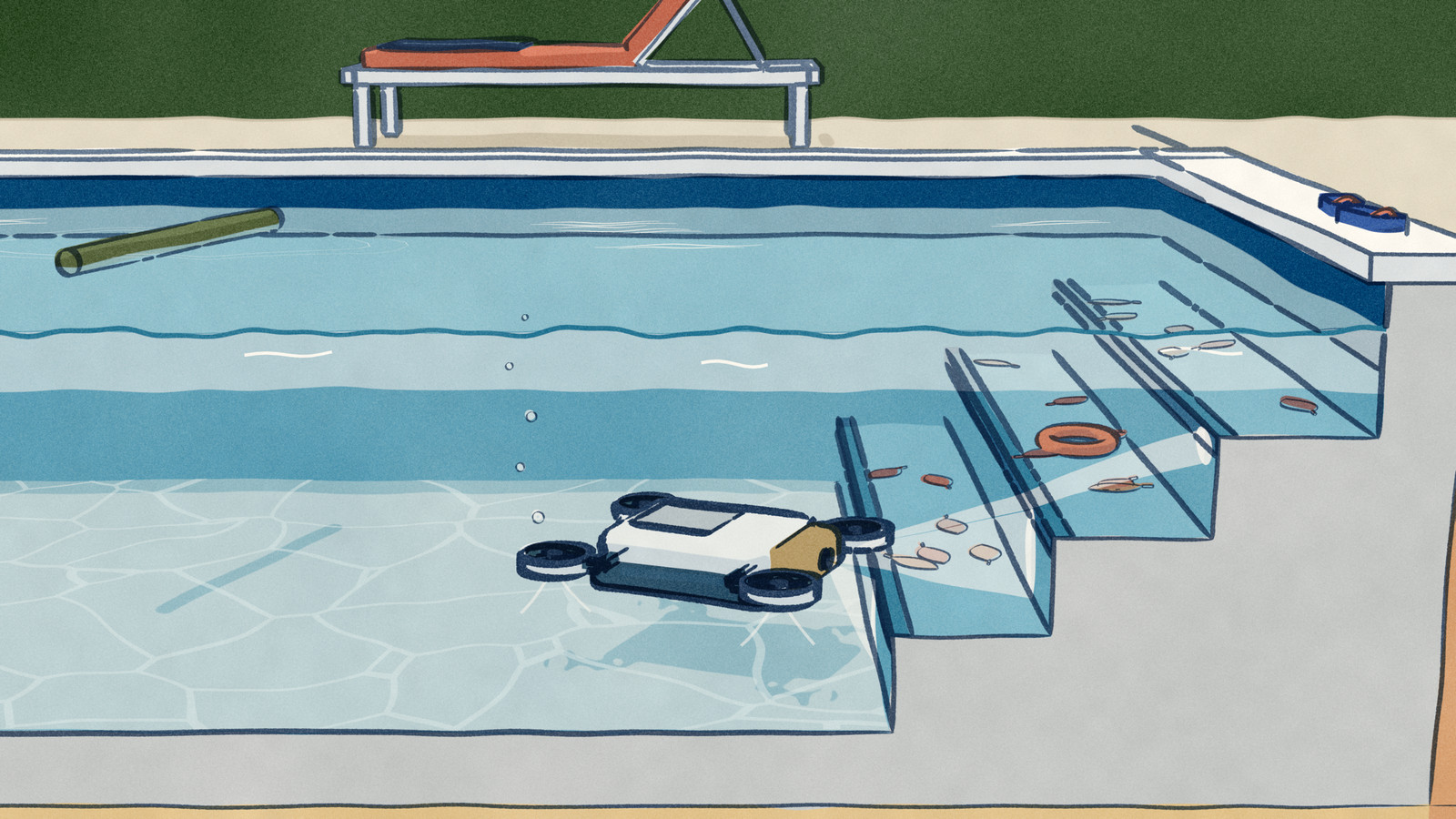
MOVA sells the Rover X10, a cordless robotic pool cleaner, for $2,499 on the company’s US site. Most pool robots crawl along the floor on tracks. This one hovers through the water instead, building a 3D map of the pool with a laser rangefinder before it starts cleaning.
MOVA markets the result as a seven-mode system: surface, walls, waterline, shallow zones, steps, floor and corners. It calls out one of those by name. The four jet-drive motors that lift the robot off the floor for its surface and wall work are, MOVA says, the same ones meant to climb a pool’s stairs.
Two independent reviews have now put that steps mode in the water. The first, published August 19, 2026, gave the Rover X10 six out of ten: its sensors detected the pool staircase, the reviewer found, but the robot never climbed it, sitting at the base of the stairs in every mode tried, despite the thrusters MOVA built for exactly that job.
A second review, published October 16, 2026 on another continent, scored the robot 76 out of 100, rating its hardware 85 and its software only 65. It hit the same wall. The steps mode nudged the robot toward the waterline but never breached the surface, and the live map its laser drew only vaguely matched the pool’s real shape.
Both reviews ran on retail units anyone can buy, and the price depends on where you order: the same cleaner that lists at $2,499 in the US carried a recommended AU$3,699 in the Australian review and sold as low as about €1,299 in parts of Europe, a spread of more than $1,000.
If your pool has steps, and most in-ground pools do, that steps mode is a big part of what you are paying for. So does the robot use it?
The answer, across both tests, was the same. The sensors found the stairs every time; the thrusters MOVA names specifically for stair cleaning never acted on what they saw. The laser-mapped hovering is a real departure from the crawling design, and both reviews credit it with precise mapping and the freedom to surface anywhere in the pool.
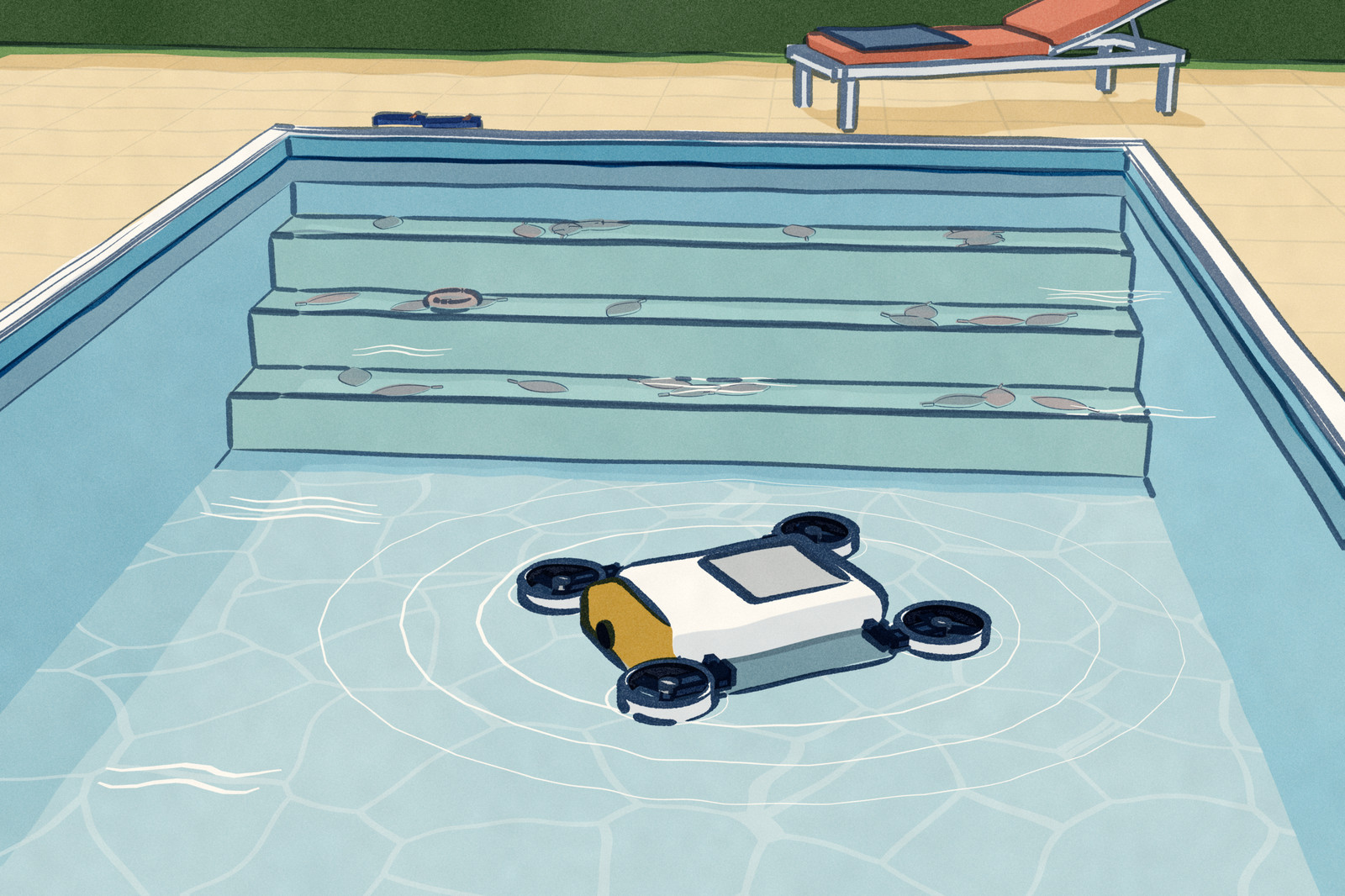
Neither one could get the robot to climb a single step.