
Approaches compared
Do robot vacuums with cameras avoid obstacles better than bump sensors?
A vacuum meets cords, socks and shoes. One of these has no obstacle sensors and reacts when it touches them. The other two use cameras and light sensors to spot objects first. What do the tests show?
This page checks
- What it senses withBumper and cliff sensors, or camera and light
- What the maker says it spotsObject types and smallest size
- Tested resultsFixed course score or hands-on notes
- Camera and privacyWhat each page says about the camera
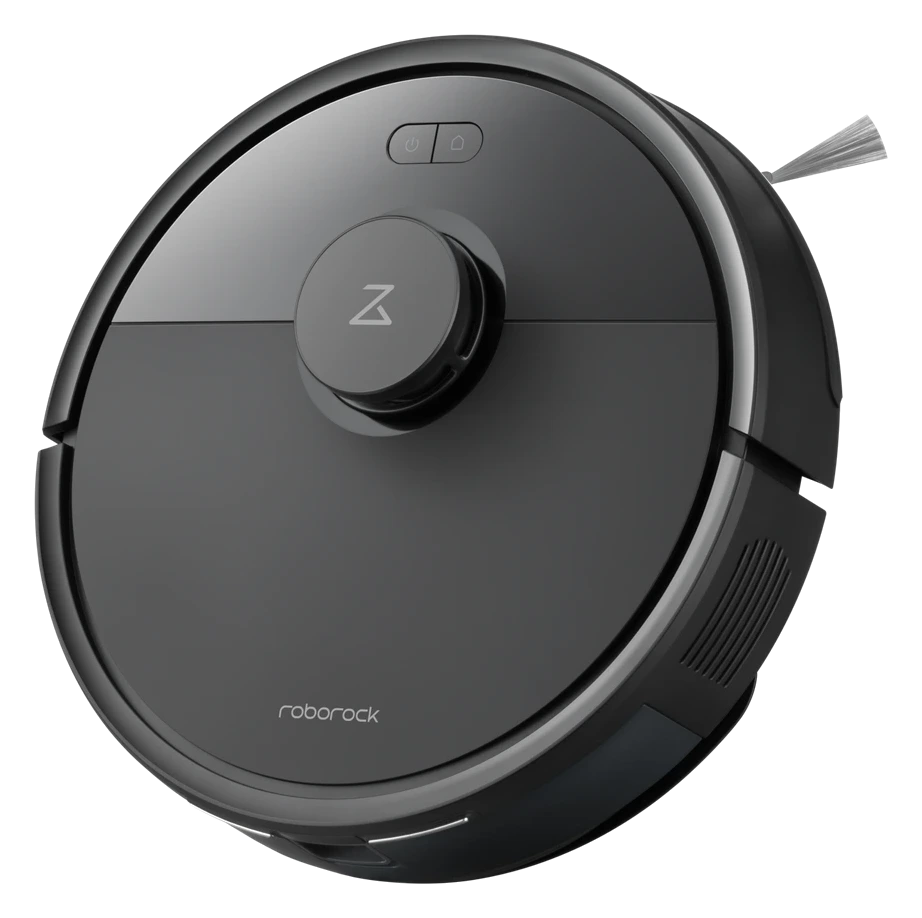
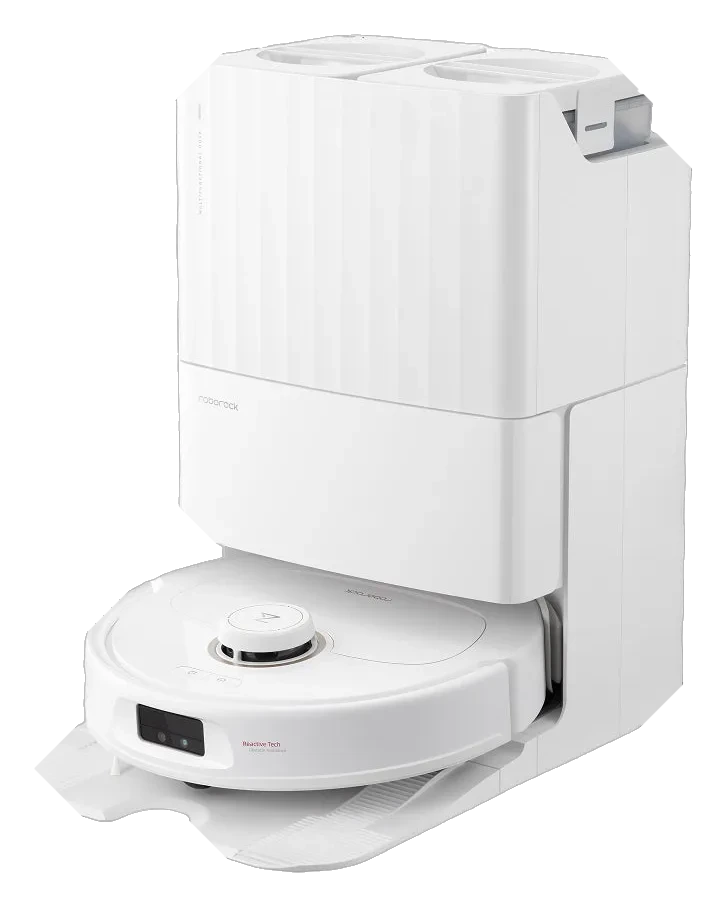
Roborock
Where to buy
Listed as out of stock, coming soon, at Roborock US
Firmware update addresses Qrevo MaxV obstacle detection and mop lift accuracy
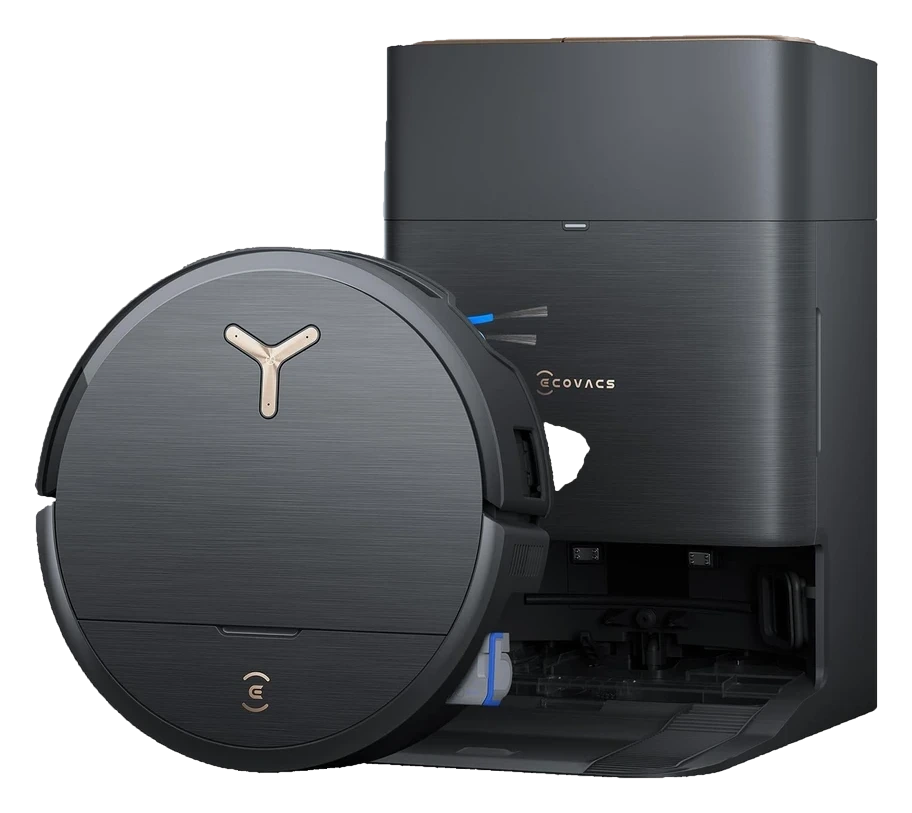
Ecovacs
Where to buy
Full specifications18 figures on record · 15 differ
Some links earn Robovations a commission. Nothing on this page is ranked by it.
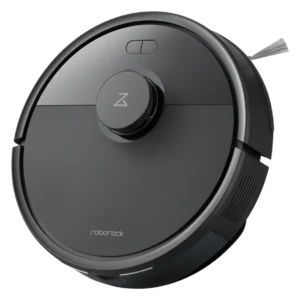 Q7 L5
Q7 L5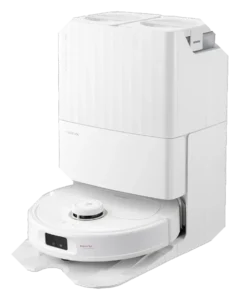 Qrevo MaxV
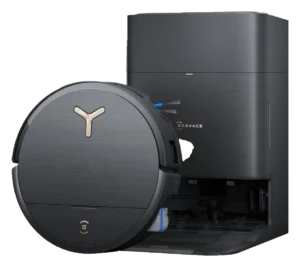 Deebot X9 Pro Omni
Touch or sight
Bump sensors against cameras on a cluttered floor
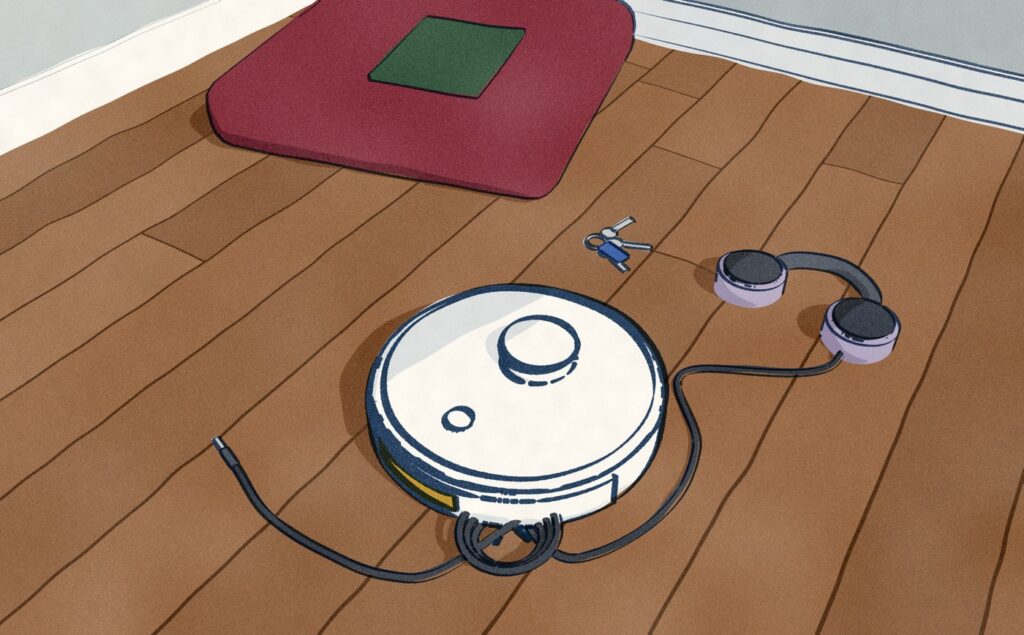
The only scored course is the X9 Pro Omni's: 19 of 24, against an average of 17. The Qrevo MaxV has no score; a hands-on test had it avoid a sock, run over keys and drag an audio cable. The Q7 L5 lists no obstacle sensors, so no course score applies.
PreciSense LiDAR
Maker names PreciSense LiDAR for mapping. No obstacle sensor is named on the page.
Roborock US product pageStructured light and an RGB camera, with LiDAR for mapping.
Roborock US product pageFront structured light, a camera and a 3D edge sensor, run by Vision AI.
Ecovacs US product pageSensing is LiDAR, bumper and cliff sensors. The manual and product page list no camera or object types.
Maker user manual62object types
In 20 categories, down to 2 in wide and 1.2 in tall (5 cm by 3 cm).
Roborock US product pageNot found
Names a deep-learning model for object recognition. No count or smallest size found on the page.
Ecovacs US product pageThe lab lists no dedicated avoidance system, so no obstacle course score applies. It navigates by LiDAR on its upper deck.
Independent lab test, Oct 2026- Sock avoided
- Ran over keys
- Dragged an audio cable
Hands-on test of this model, Dec 2024. A fixed-course lab review says a firmware update in Aug 2024 improved it.
Hands-on review, Dec 2024; lab review19of 24
Average 17. A simulated pet mess caught in the roller brush and the robot asked for help.
Independent lab, updated Sep 2026Sensing is LiDAR, bumper, dock locator and cliff sensors. No camera is listed.
Maker user manualNot found
Page names an RGB camera and says accuracy varies. No privacy statement found on it.
Roborock US product pageNot found
Page lists a Video Manager feature. No encryption or storage detail found on it.
Ecovacs US product pageSame on all three: each maker’s page lists no cord or sock test result of its own.
Your home
How each one fits a home like yours
Set the conditions that describe your home. Each robot answers from its own Fit Check; nothing is scored until you choose.
Fit check
Describe your home
Pick what applies. Each robot answers from its own record.
Everything else
Where they land among 259 robot vacuums
Only the measures on which these three differ. The bar is the whole category; the block is the typical middle half; the tick is the median.
Sources
Where every figure comes from
- Qrevo MaxV · us.roborock.com product page, read 2 Oct 2026; Tech Advisor hands-on review, 16 Dec 2024; Vacuum Wars review with Aug 2024 update
- Deebot X9 Pro Omni · ecovacs.com/us product page, read 2 Oct 2026; Vacuum Wars review, updated 18 Sep 2026; TechGearLab review, 9 Dec 2025
- Q7 L5 · Maker user manual and product page; independent lab test, Oct 2026
Sensor and recognition claims come from each maker's page, read on 2 Oct 2026. Test results come from named independent reviews of the same model. Not found means those pages were searched and say nothing.
Questions
What readers ask
Does bump-sensor navigation avoid cords and socks?
Not by design. The Q7 L5 senses with LiDAR, a bumper and cliff sensors. A lab lists no dedicated avoidance system for it, and its manual and product page list no camera or object types.
Does a camera guarantee better avoidance?
The tests found gaps. The Qrevo MaxV avoided a sock but ran over keys and dragged a cable. The X9 Pro Omni scored 19 of 24 against an average of 17, and a simulated pet mess caught in its roller.
Can I buy these three new in the US?
Roborock US listed the Qrevo MaxV as out of stock, coming soon, on 2 Oct 2026. Ecovacs listed the X9 Pro Omni at $799.99. The Q7 L5 has a US list price of $249.99.
Common questions