
Which window cleaners suit your windows?
Narrow the list
AutonomyHide those with a caveat on
No results found
Try adjusting your filters or broadening your search.
Fully suited10
- II
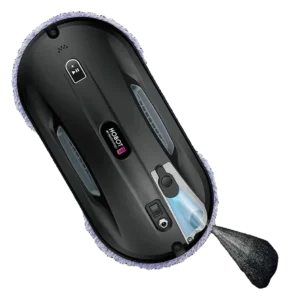 HOBOTHOBOT 388 Ultrasonicframe style Frameless design maximizes suction surface area; edge detection reverses cleanly at aluminum or steel frame boundaries.
 - III
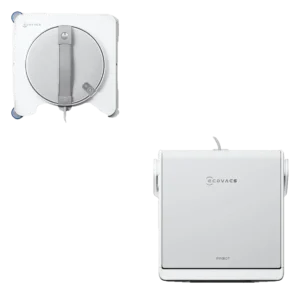 EcovacsEcovacs Winbot W2S Omniheight Ground-floor use carries no tether-anchoring complications; full feature set is available without additional rigging.
 - III
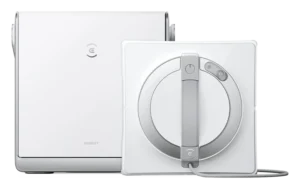 EcovacsEcovacs Winbot W2 Omnipower Dock operates on standard 120V or 240V outlet depending on region. Corded power enables continuous dock pad-washing without battery drain.
 - III
 EcovacsEcovacs Winbot Mini 2window style Flat framed or frameless panes from 25 cm square clean well, per an owner's 90-day review.
 - II
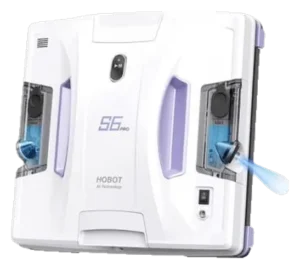 HOBOTHOBOT-S6 Proheight Ground-floor and low-story windows are ideal. Cord extends typical 50–60 feet; no height limitation for floor-level panes.
 - II
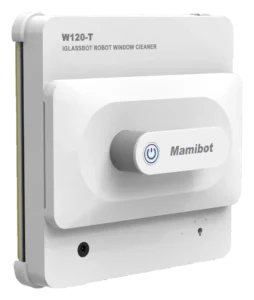 MamibotMamibot iGLASSBOT W120-Tpower W120-T is mains-powered and designed for corded operation. Proximity to power outlet is the only constraint.
 - II
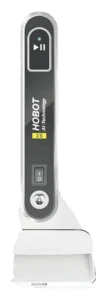 HOBOTHOBOT 2Sframe style Frameless windows provide consistent surface; edge detection uses glass perimeter for positioning.
 - II
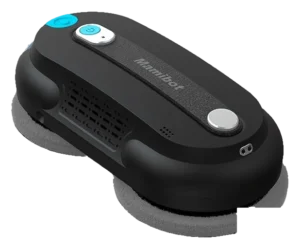 MamibotMamibot iGLASSBOT W168window style Route-planned stripe cleaning across three modes is built for a single mounted pane, the size class most residential windows fall into.
 - II
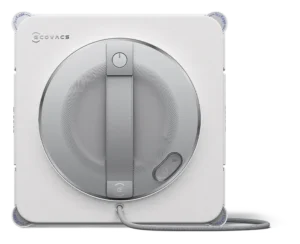 EcovacsEcovacs Winbot W2S Pro Omniwindow style Ecovacs rates panes from 30 by 40 cm upward, so ordinary windows sit well inside its range.
 - II
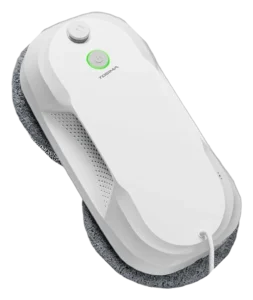 TosimaTosima W5 Window Cleaning Robotframe style Suction-mount adhesion grips the glass pane itself, not the frame, so minimal or absent framing doesn't affect operation.
Workable, with a caveat9
Nothing here is ruled out, but each gives something up. The caveat is named on every card.
- II
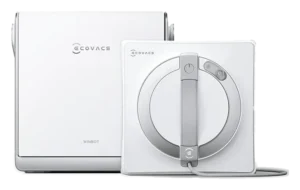 EcovacsEcovacs Winbot W2 Pro Omniframe style Frameless glass requires custom tether anchor brackets (~$50-80 retrofit); edge-grip calibration more sensitive without frame reference.
 - III
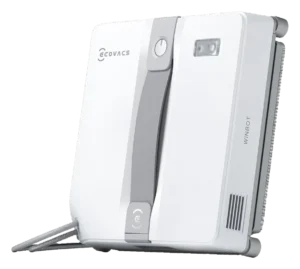 EcovacsEcovacs Winbot W1 Proframe style No contrast boundary for edge detection; robot may drift or retreat prematurely. Best used with manual repositioning.
 - II
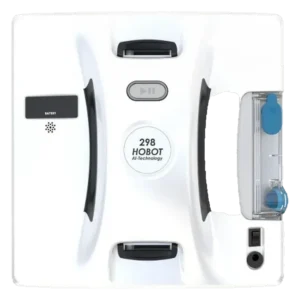 HOBOTHobot 298frame style Frameless glass reduces optical contrast for edge detection. Robot may drift or reposition unpredictably without visual boundary.
 - III
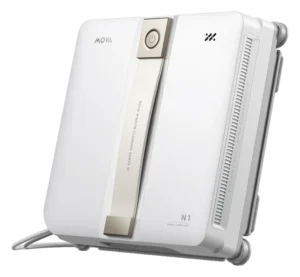 MOVAMOVA N1frame style A hands-on review saw it slide off frameless glass edges twice; the anchored safety rope caught it each time.
 - II
 EcovacsEcovacs Winbot 880frame style Edge detection works on flat frameless but requires manual frame-edge verification per pane.
 - II
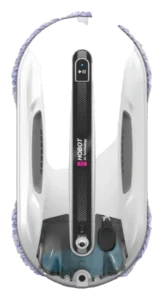 HOBOTHobot R3frame style Frameless glass reduces optical boundary contrast. Vacuum edge detection less reliable; robot may drift without visual cue.
 - II
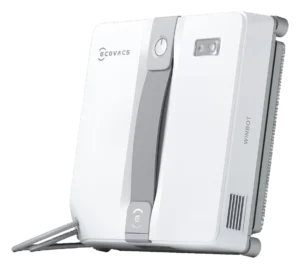 EcovacsEcovacs Winbot 920frame style Fixed path logic struggles without visible boundaries. Frameless glass may cause robot drift or repetitive repositioning attempts.
 - II
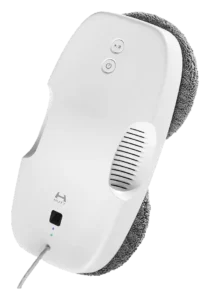 HUTTHUTT DDC55frame style Optical edge detection less reliable on frameless glass. Robot may drift or reposition unpredictably without visual boundary.
 - II
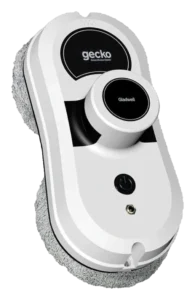 GladwellGladwell Geckoframe style Frameless glass provides edge-detection reference points. Robot works but requires additional operator attention at boundaries.
Not verified for these conditions3
Nothing about these records rules it out, and nothing confirms it either: no independent test of these conditions was found. Listed separately rather than counted as a fit.
- II
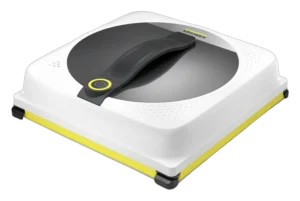 KärcherKärcher RCW 4frame style Suction should hold on flat frameless glass, but no independent review confirms edge behavior without a frame lip.
 - II
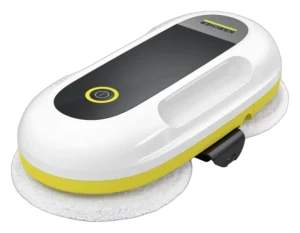 KärcherKärcher RCW 2frame style Suction should hold on flat frameless glass, but no independent review confirms edge behavior without a frame lip.
 - III
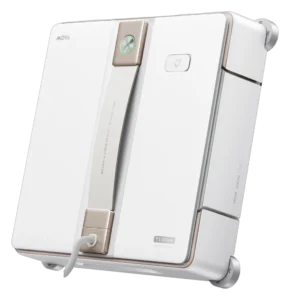 MOVAMOVA T1 Stationframe style MOVA lists edge sensors and a fall lock, but no test on frameless glass edges has been published.
5 ruled out on a condition they are classified unable to meet. Most were eliminated by frame style (5).
A classification of fit for the conditions you set, not a recommendation. Verdicts describe engineering design intent, not test results.