
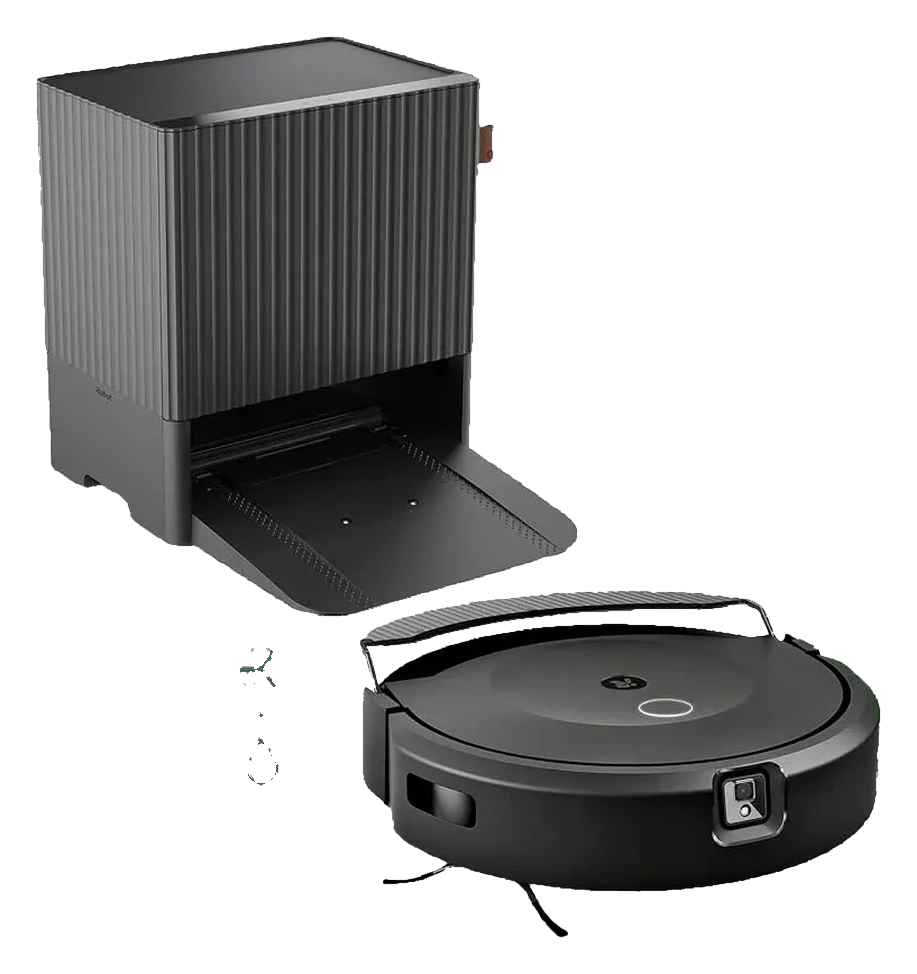
iRobot Roomba Combo 10 Max
The AutoWash dock washes and dries the mop pad after runs, and SmartScrub adds a back-and-forth pass at consistent downward pressure that iRobot rates at 2x deeper scrubbing, selectable per room. Vacuum performance tracks the proven j-series line. A capable Level III machine whose mopping is bounded by the single onboard water tank rather than by how hard it can scrub.
Will the iRobot Roomba Combo 10 Max work in your home?
Describe your home using the controls. Each choice reads the spec sheet for you, flagging where the iRobot Roomba Combo 10 Max is built for your space and where it isn’t.
A classification of fit for the conditions you set, not a recommendation. Verdicts describe engineering design intent, not test results.
Living with it.
Established j-series vacuum with low failure rates but new dock adds 10-15% washjet/seal issues within 6 months.
→ Stableowner-reported arc
j-series architecture has 3+ year track record with low catastrophic failure. Combo 10 Max dock is new variable: 10-15% report washjet clogs or tank seal issues at 3-6 months. iRobot issued firmware updates late 2024 for pressure sensor and drain port. Vacuum component reliability mirrors j-series norms.
Dock empties the robot's bin into the sealed bag and washes and dries the ; no user action required per cycle.
Refill the dock water tank before scheduled runs. Look over the chamber and drain outlet and clear hair or debris with water if any has collected.
Wipe dock charging contacts and check the for wear. Use only water or an iRobot approved cleaning solution anywhere in the dock or tank: iRobot names vinegar as an unapproved solution that can cause corrosion and excessive foaming, and treats use of non-approved solutions as grounds for voiding warranty coverage.
Replace main and side brush ($25-35 for a brush pair). Replace HEPA-style filter (interval varies by debris load; manufacturer recommends every 2 months for high-use homes).
Inspect dock drain connector gasket for wear; replacement gasket available through iRobot support.
Replace the when it is worn through or no longer comes clean. Pads are washable and sold in multi-packs, and iRobot publishes no pad lifespan; the dock washing and drying the pad after each run is what extends it.Typical for robot vacuums: every 3-6 months
$1,399 to buy, then about $150 a year for the replaceable parts below. Over three years that is roughly $450 past the sticker price. Excludes electricity and any repairs.
- Every 3-6 months$25–35
- Typical for robot vacuums: every 3-6 months
Replacement cadence from the maintenance schedule; prices shown where the source documents them. Part links may earn a commission and do not influence the classification. All parts at iRobot
-
Post-mop floor moisture slip hazardMop output creates 10-15 minute slip risk on tile and sealed hardwood without warning
-
Dock water containment for bacterial growthStanding water promotes bacterial or algae growth in warm climates without weekly rinse
-
CautionUnsealed wood dock placement riskWater damage possible on unsealed wood or porous stone from dock drainage
The full spec sheet.
Priced above the category median, with every figure charted against the category below.
- FootprintThe width, depth and height of the robot itself, without its dock.
- 13.3 in dia · 3.4 in tall•
- WeightThe robot alone, without its dock, as the maker states it.
- 11 lbs•
- Wi-FiThe bands the robot can join; many models need a 2.4 GHz network to set up.
- 2.4 GHz only✓
- VoiceThe assistants the maker's app links to; the robot itself does not listen.
- Alexa, Google Home✓
- Water tankThe clean-water tank that feeds the mop, on the robot or in the dock.
- 210 mL•
- Threshold climbThe tallest lip the robot is rated to cross; a door sill is about 0.8 in.
- 0.6 in•
- Onboard dustbinThe bin inside the robot; an auto-empty dock moves its contents into a bag.
- 300 mL•
vSLAM with front-facing camera, IMU, cliff sensors, bump sensors, floor-type detection
Position shows where the figure sits across the tracked category, not a quality judgment.
How the assessment has moved.
Every announcement, release and reassessment behind the current classification.
-
Aug 2026 · AssessmentRobovations Score rescored under v4.2: 74 → 59
-
Jul 2026 · AssessmentRobovations Score recorded at 74 of 100
-
Aug 2024 · ReleaseLaunches commercially with AutoWash dock
What people actually ask.
OperationHow does the Combo 10 Max differ from the Combo j9+?
OperationDoes the mop pad stay on during vacuum-only runs?
OperationCan the robot finish mopping an entire floor without returning to the dock?
OperationWhat is the most common dock failure and how is it addressed?
OperationWho holds the floor-plan data this robot collects?
OperationWhat consumables does the Combo 10 Max require and at what frequency?
OperationDoes the robot use LiDAR navigation?
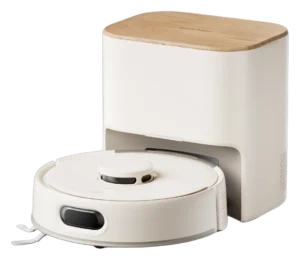 III
III
SwitchBot K11+ Pro
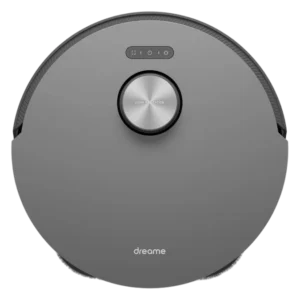 III
III
Dreame L10s Pro
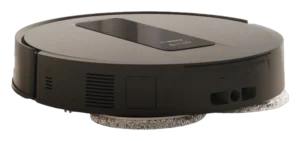 III
III
Bosch Built-in Vacuum and Mop Robot
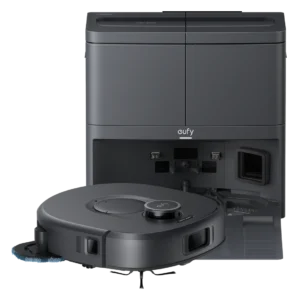 III
III
eufy Omni C30 Edge
Where it's sold
We may earn commission from qualifying purchases. This does not influence classification.
Reference the iRobot Roomba Combo 10 Max classification.
Embed the Autonomy Ladder™ mark or copy the citation. The mark is served from this record, so a reassessment updates it on your page automatically.
Get the embed code and citation
Scale proportionally only, up to 2× (536px wide)(224px wide). No recolouring, cropping, rotating, or re-typesetting.
Robovations. "iRobot Roomba Combo 10 Max: Autonomy Level III (Conditional Autonomy)." Autonomy Ladder™, assessed September 2026. https://robovations.com/robots/irobot-roomba-combo-10-max/
- Link it. The mark must point at this record. An unlinked mark is not authorised.
- Hot-link it. Never download, self-host, or re-upload the image. A saved copy stops updating, and a mark that has stopped updating is a claim we no longer stand behind.
- A classification, not an endorsement. It may not appear beside language implying Robovations recommends, rates, or approves the product.