How well do robot vacuums recognize objects with their cameras?
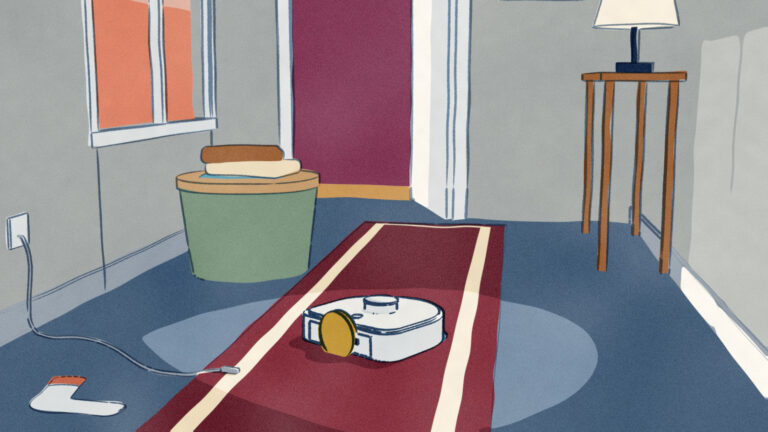
Makers count the objects a robot vacuum can name by the hundred; a gray sock on a gray rug asks a harder question.
On this page3 sections
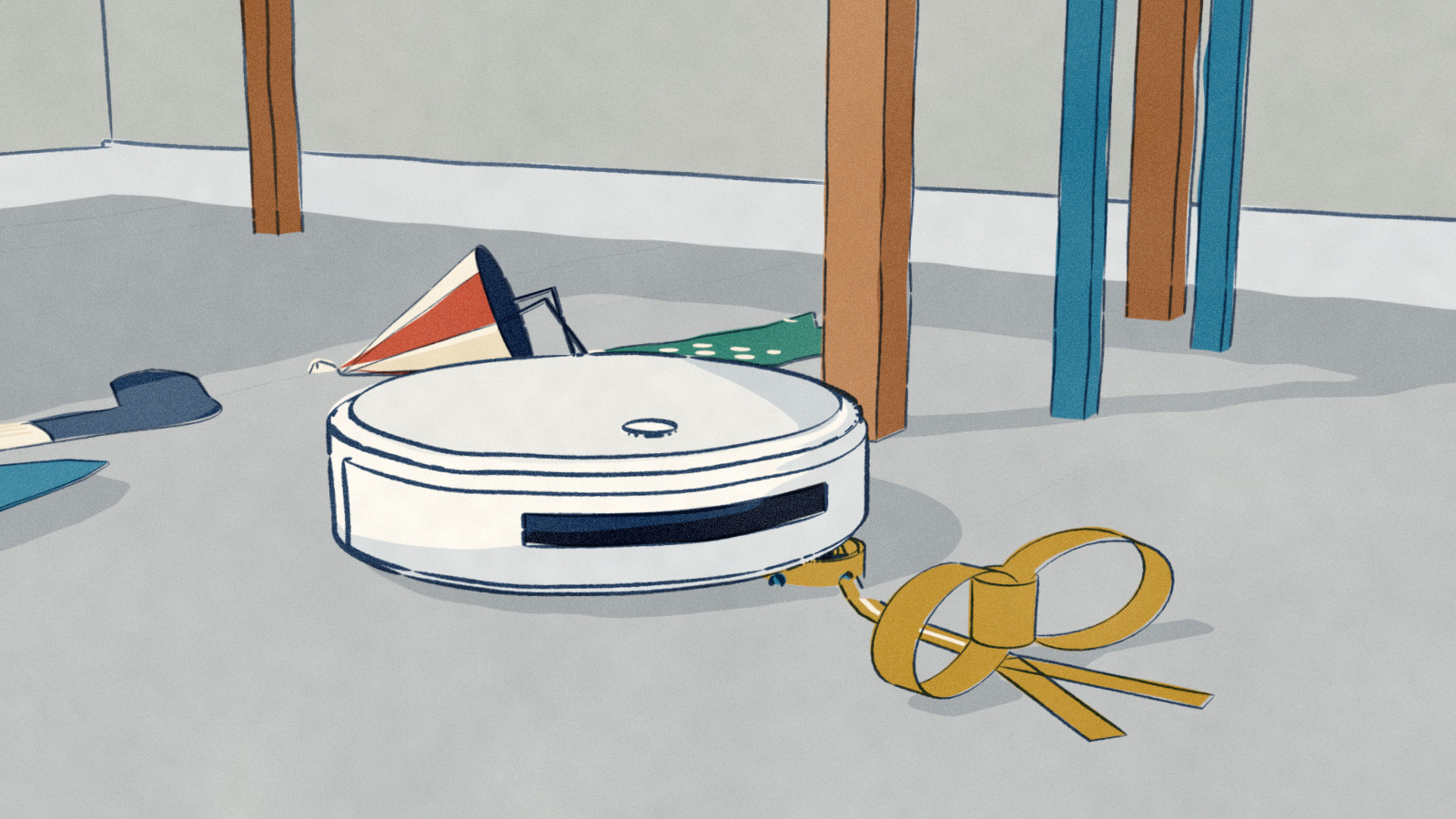
“Socks? Toward the closet. Sandals? Toward the entrance rug. Crumpled tissues? Toward the Store Box.” That is how Roborock describes a day’s work for the Saros Z70, a robot vacuum with a folding five-axis arm that carries its own camera and light. It arrives with 108 objects pre-programmed.
Other models count higher. The Saros 20 is sold on “300+ Types” of recognizable obstacles. The Roomba Combo j9+ launched in 2023 with no count at all, just a list: “cords, pet bowls and toys, litter boxes, cats, dogs and pet waste.”
A count on a product page tells you how many names a robot can put on things. So how often does it put the right name on a gray sock lying on a gray rug? That rate decides whether the sock gets steered around or wound into your brush, and it comes from the people who build obstacle courses.
On the product pages
What the makers say these robots recognize
| Robot | What the maker says it recognizes | Where it says so |
|---|---|---|
| Roborock Saros Z70 | 108 objects pre-programmed | Roborock’s Saros Z70 page |
| Roborock Saros 20 | “300+ Types” of recognizable obstacles | Roborock’s Saros 20 page |
| iRobot Roomba Combo j9+ | No count, a named list: cords, pet bowls and toys, litter boxes, cats, dogs and pet waste | iRobot launch release, September 2023 |
Where the labels come from
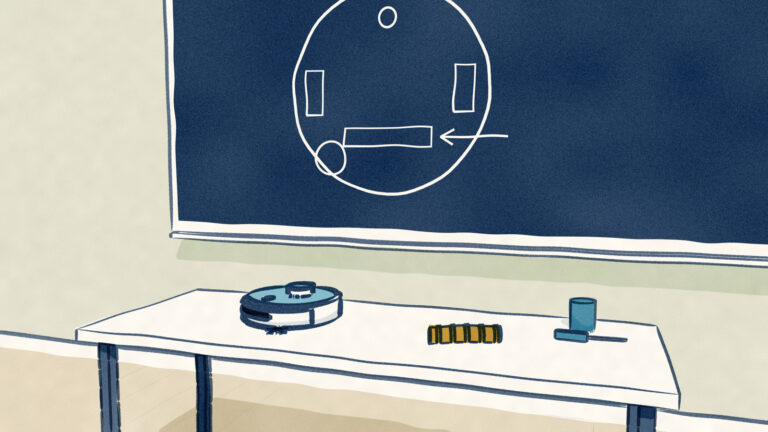
The camera systems in these vacuums share a basic design. A front camera feeds frames to a model running on the robot, the model labels what it sees, and the path planner decides whether to steer around it. The model knows only the categories people taught it, from photographs in which someone drew a box around each object and typed its name.
The training photos can travel a long way. Pictures taken by development versions of iRobot’s Roomba j7reached contract workers labeling them for Scale AI, and in leaked screenshots, furniture and fixtures sit inside rectangles tagged “tv,” “plant_or_flower” and “ceiling light.”
One maker has called the counting a race. In a March 2025 post on its company blog, Ecovacs wrote that training vacuums on images of common household objects ended up “forcing a race in the industry over the number of recognizable objects.”
Ecovacs’s way out is AIVI 3D 3.0, sold on the Deebot X8 Pro Omni and the Deebot T50 Pro Omni. It swaps the fixed list for a vision language model that “directly identifies obstacles from images, so there is no limit on the number of objects it can recognize.” A robot that can name anything can still name it wrong.
What the obstacle courses find
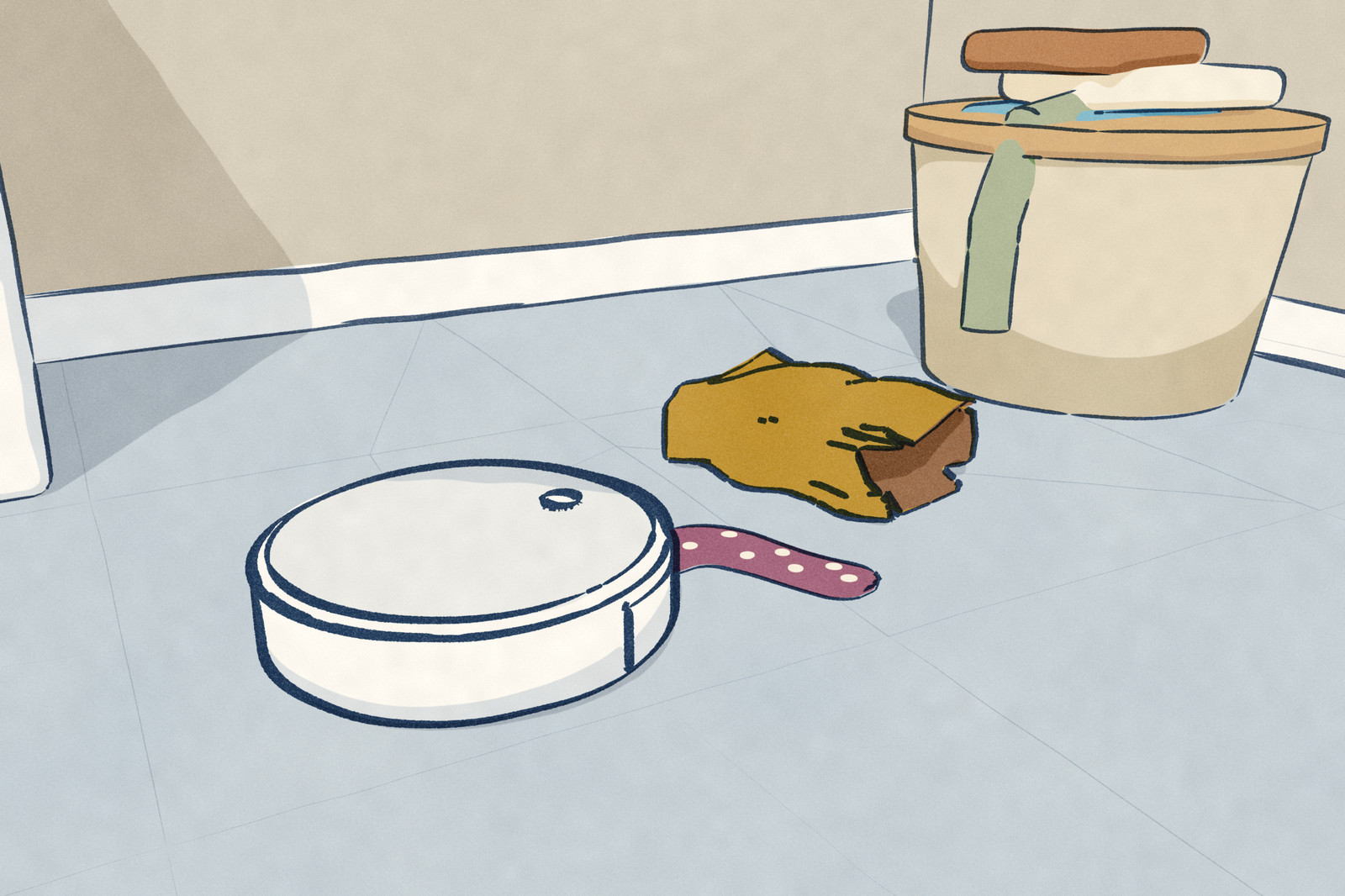
A camera can be wrong in two directions. Mistake something harmless for a hazard, and the vacuum stops short, leaving an uncleaned patch around it. Miss something it should have caught, and a sock or a charging cable ends up wound around the brush. No maker quoted here publishes a rate for either mistake.
The closest thing to a rate comes from an independent lab. It runs robots through a standardized 24-object course of cords, shoes, fabric, toys and simulated pet waste, then a more chaotic “torture test,” under varied lighting. A camera that sees by visible light can behave differently in a dim room.
The eufy Omni S2 avoided every object in both tests. The Ecovacs Deebot T90 Pro Omni avoided 23 of 24, and the Saros Z70 scored 22. Across the lab’s reviews, the average score is 16.6.
The objects that trip robots most often, by the testers’ count, overlap with the ones makers advertise: “Charging cables, drawstrings, socks, lightweight fabric, and very small toys.” Items that “blend into the floor or sit on patterned carpet” cause trouble, as do “reflective, dark, or unusually shaped items.” A gray sock on a gray rug is about as hard as it gets.
Most modern robots back the camera with a second sensor that brings its own light, so a dim room matters less. The robots at the top of that course pair the two.
Term
Structured light and time of flightAn IR laser or structured-light sensor projects its own infrared lines or pattern ahead of the robot and measures how objects distort them, so the robot can judge their shape and depth. Because it brings its own light, it depends less on how bright the room is. A time-of-flight sensor sends out pulses of light and times how long each takes to return, which gives an object’s distance and size.From naming a sock to picking it up
The Z70’s arm adds a second job to the first. Recognizing a sock tells a vacuum to steer around it. Picking it up means finding a grip on something soft, lifting it, and carrying it to the spot you chose.
For now the arm organizes “socks, sandals, crumpled tissues, and towels under 300g.” A built-in weight sensor keeps it from lifting anything heavier, and half that list is the soft, light fabric that trips cameras most often on the course.
The same reviewers called the arm “hit or miss: sometimes, it would pick up the objects, and sometimes it wouldn’t.” The items the Z70 could identify and grab “fall into three categories: clumps, fabrics, and shoes,” and with slippers, they wrote, the robot “was not very successful.”
So how well do these cameras recognize what is on the floor? On a staged course, the top scorers steer around all or nearly all of the 24 objects, and the average robot misses about one in three. The misses land on cables, socks and anything the color of the floor, and the arm can pick up only what the camera has named.
You can add to the Z70’s list yourself: up to 50 new objects, defined and labeled in the app, between 10 and 100 centimeters on a side. The footnote that sets those limits ends with one more sentence: “Recognition accuracy may vary depending on environmental factors.”