
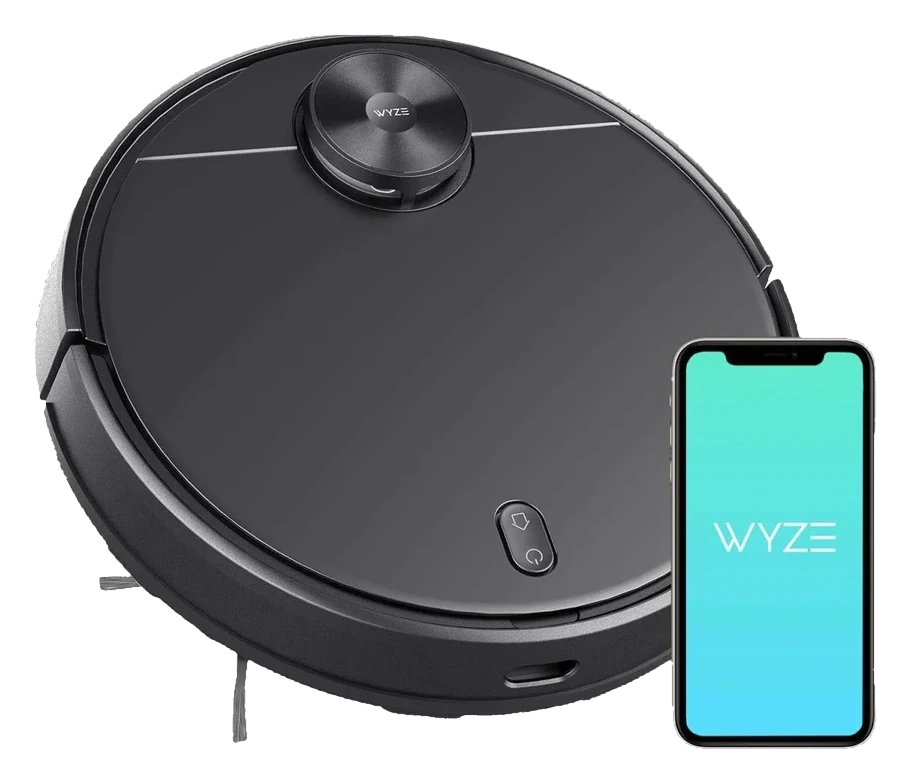
Wyze Robot Vacuum
LiDAR mapping, multi-floor maps and app scheduling at entry-level pricing. Ships with a charging station but no self-empty base, and suction trails premium competitors. Delivers systematic coverage for small to medium homes where budget overrides convenience premiums.
Will the Wyze Robot Vacuum work in your home?
Describe your home using the controls. Each choice reads the spec sheet for you, flagging where the Wyze Robot Vacuum is built for your space and where it isn’t.
A classification of fit for the conditions you set, not a recommendation. Verdicts describe engineering design intent, not test results.
The full spec sheet.
Priced below the category median, with every figure charted against the category below.
Position shows where the figure sits across the tracked category, not a quality judgment. Suction in Pascals has no standard test method, and the published figure is a peak-mode claim, so it is comparable only within a brand and generation.
Living with it.
Minimal degradation over six years in market; low-complexity mechanics.
Launched August 2020 with stable firmware trajectory. No documented major recalls or widespread failure modes. Owner reports spanning four+ years confirm reliable navigation and durable motor performance. Primary failure point is the wheel encoder on uneven surfaces; rare but documented.
$250 to buy, then about $20 a year for the replaceable parts below. Over three years that is roughly $60 past the sticker price. Excludes electricity and any repairs.
- Filter
Replacement cadence from the maintenance schedule; prices shown where the source documents them.
NoteDust dispersal during manual emptying: Manual bin emptying releases accumulated dust into air. Not suitable for allergy-sensitive or immunocompromised households without respiratory protection.
How the assessment has moved.
Every announcement, release and reassessment behind the current classification.
-
Aug 2026 · AssessmentRobovations Score revised 62 → 64
-
Aug 2026 · AssessmentRobovations Score rescored under v4.2: 60 → 62
-
Aug 2026 · AssessmentRobovations Score rescored under v4.0: 68 → 60
-
Jul 2026 · AssessmentMaintenance 62 → 52, Autonomy 58 → 62, 2 other dimensions · overall held at 68
-
Jul 2026 · AssessmentRobovations Score recorded at 68 of 100
-
Nov 2020 · AnnouncementWyze opens $199 preorders for its first robot vacuum with LiDAR mapping
What people actually ask.
ComparisonHow does the Wyze Robot Vacuum compare to other Wyze cleaning products?
CompatibilityDoes the Wyze Robot Vacuum work without Wi-Fi after the initial setup?
OperationCan I use the Wyze vacuum on carpet if I manually empty the bin more frequently?
OperationWhat's the difference between a map and a no-map mode, and which should I use?
CompatibilityDoes the Wyze Robot Vacuum integrate with Amazon Alexa or Google Home for voice commands?
 III
III
Dreame L10 Pro
 III
III
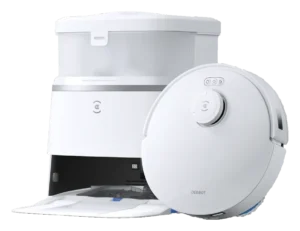
Ecovacs Deebot T30 Pro Omni
 III
III
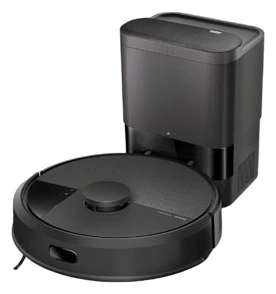
Roborock S8 MaxV Ultra
Where it's sold
We may earn commission from qualifying purchases. This does not influence classification.
Reference the Wyze Robot Vacuum classification.
Embed the Autonomy Ladder™ mark or copy the citation. The mark is served from this record, so a reassessment updates it on your page automatically.
Get the embed code and citation
Scale proportionally only, up to 2× (536px wide)(224px wide). No recolouring, cropping, rotating, or re-typesetting.
Robovations. "Wyze Robot Vacuum: Autonomy Level III (Conditional Autonomy)." Autonomy Ladder™, assessed September 2026. https://robovations.com/robots/wyze-robot-vacuum/
- Link it. The mark must point at this record. An unlinked mark is not authorised.
- Hot-link it. Never download, self-host, or re-upload the image. A saved copy stops updating, and a mark that has stopped updating is a claim we no longer stand behind.
- A classification, not an endorsement. It may not appear beside language implying Robovations recommends, rates, or approves the product.