Skip to content
Saved
Robot Lawn Mowers

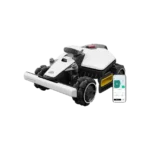
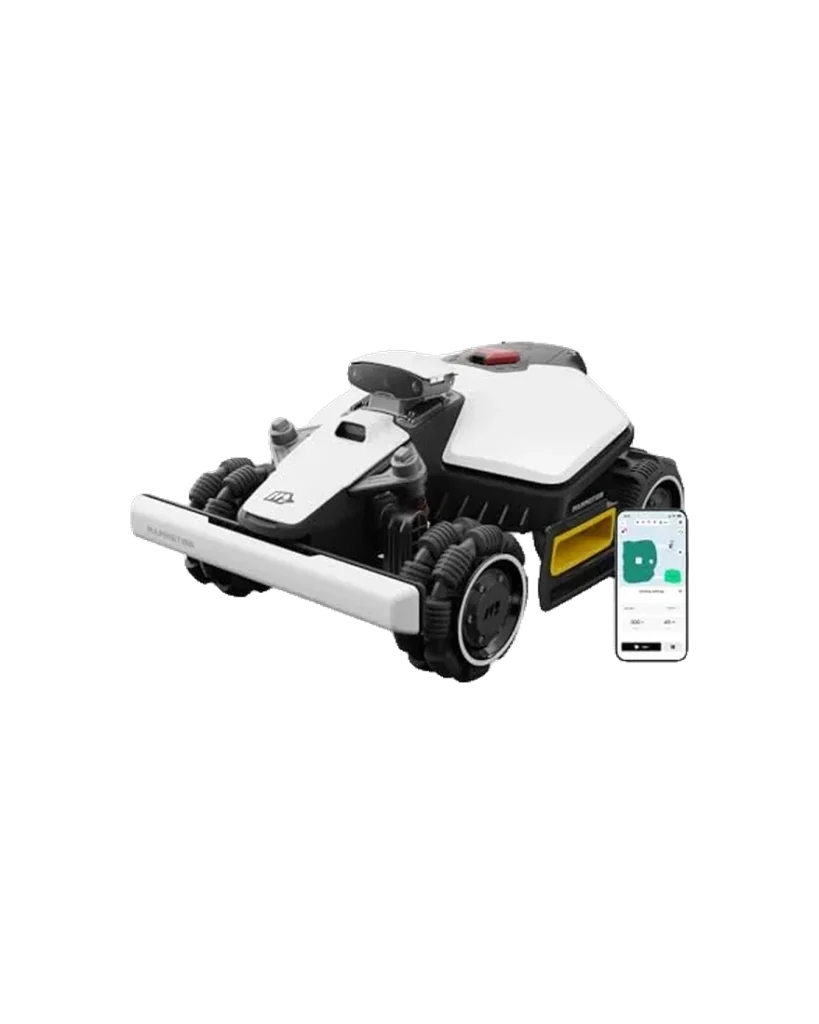
Mammotion LUBA mini 2 AWD 1500

Mammotion · MSRP $1,999

Mammotion brings established navigation pedigree to a LiDAR-first wire-free platform. Triple positioning and AWD slope performance place this at Level IV capability. Production volumes and real-world failure rates still uncertain.
Level IV
Environmental Autonomy
2 sources reviewed ·
Promising Progress
Real progress, not ready yet
Reassessed
Jun 14
View history
Robovations Score
Capable · 64 of 100
Rescored Jun 14, 2026
Autonomy80 / 100

30% weight

Reliability52 / 100

25% weight

Maintenance68 / 100

15% weight

Value60 / 100

15% weight

Privacy55 / 100

15% weight

Will the Mammotion LUBA mini 2 AWD 1500 work on your yard?

Pick what matches your setup. The fit updates as you go.

Yard size
Terrain
Grass type
Boundary setup
How Mammotion LUBA mini 2 AWD 1500 holds up
Yard size
Terrain
Grass type
Boundary setup
Specifications

The full spec sheet.

Manufacturer-published values.

Priced above the category median, with weight among the heaviest in the class.

Positions are rank within the 66 robot lawn mowers in the Robovations database.

19.5 in24 inTOP10 in24 inSIDEDimensional drawing
Mammotion LUBA mini 2 AWD 1500 · 52 lbs
This robot’s rank in categoryCategory median
Price$1,999$549$31,624
Weight52lbs11.9160 lbs
Wi-FiSupported
Mapping & navigation

NetRTK (cellular RTK) + 360° solid-state LiDAR + dual-camera AI vision; wire-free, no physical base station

Official referencesProduct page
Lifecycle

The record since launch.

3 tracked events since launch
Ownership & reliability

How it holds up after the purchase.

Owner reports · manufacturer documentation

Early-stage production with established Mammotion brand pedigree; LiDAR + triple-stack adds unproven failure modes.

March 2026 release puts production under 3 months old as of {{TODAY}}. Mammotion's LUBA and Automower lines have multi-year track records; LiDAR variant SKU untested. Solid-state LiDAR durability in mower duty cycle (dust, impact, thermal swing) not documented across any consumer mower.

Owner effort~45 minhands-on time per month
Reliability trendUnprovenowner-reported arc to date
What goes wrong, and who fixes it
Failure pointLikelihoodResolution
LiDAR dome fouling or optical degradationTerrain detection loss; mower may miss obstacles or slope hazards.OccasionalOwner fixWeekly cleaning with soft cloth; annual professional recalibration recommended.
RTK/LoRaWAN network conflict or signal lossMulti-minute positioning uncertainty; mower pauses or triggers manual intervention.OccasionalOwner fixRestart RTK network or switch to LoRaWAN fallback; check antenna alignment.
AWD wheel bearing clogging with mudTraction loss, audible grinding, drive degradation.OccasionalOwner fixMonthly mud flushing after wet-grass sessions; bearing replacement every 12-18 months.
Blade dulling or impact damage on rocky slopesReduced cut, higher motor load, slower coverage speed.CommonOwner fixInspect every 2-4 mows; replace every 3-6 months on steep-slope yards.
Maintenance cadence
Weekly52×a year

LiDAR dome and dual-camera lens cleaning; deck vegetation and grass buildup removal.

Seasonallya year

Blade sharpening or replacement; AWD wheel bearing inspection and mud flushing.

NetRTK antenna contact verification; LoRaWAN module firmware check; battery conditioning off-season.

Yearlya year

LiDAR calibration (vendor or DIY depending on Mammotion support); visual training dataset refresh if yard layout changes.

As neededVariesno fixed cadence

NetRTK/LoRaWAN network reconfiguration after signal map shifts; slope-detection threshold tuning.

Safety flags
CautionLiDAR and dual-camera optical hazardPulsed infrared LiDAR and LED flash cameras operate during mowing. Avoid direct eye exposure during maintenance.
CautionAWD wheel pinch pointDual-drive wheels on steep slopes; avoid placement under overhanging branches or low-clearance structures.
Common questions

What buyers actually ask.

5 answered
Operation
What's the difference between the LUBA mini 2 AWD with LiDAR and the standard LUBA Mini AWD?
The LiDAR variant (1500 model) adds solid-state LiDAR + dual-camera AI vision + RTK redundancy. Terrain awareness and dynamic slope adaptation are materially different from the non-LiDAR AWD variant.
Operation
Does the LUBA mini 2 need a base station for RTK, or is it full wire-free?
Uses NetRTK (cloud-based cellular RTK), not a traditional base station. Positioning requires clear sky view for cellular signal and RTK correction. LoRaWAN fallback maintains coverage if RTK signal is lost.
Operation
How often does the LiDAR unit require cleaning or calibration on a dusty slope yard?
LiDAR cleaning cadence not yet published. Dust and mud on the sensor dome will degrade performance; expect monthly inspection and seasonal professional recalibration.
Compatibility
Can I run the LUBA mini 2 alongside Mammotion's Automower on the same NetRTK network?
NetRTK is cloud-based, so interference between devices is not a hardware concern. Multi-device support not yet documented; contact Mammotion support for simultaneous-operation guidance.
Operation
Is pricing final, or is the LUBA mini 2 still in pre-order adjustment phase?
US MSRP confirmed at $1,999 as of March 2026. Mammotion’s existing flagship LUBA AutoMower (non-mini) priced around $3,500. The LiDAR AWD variant is positioned as an entry-level LiDAR offering.

Cite & embed

Reference the Mammotion LUBA mini 2 AWD 1500 classification.

Embed the Autonomy Ladder™ mark or copy the citation. The mark links back to this assessment and updates if the classification changes.

Citation
Where to next

Three ways to keep going.

For shoppers

Stack against a peer.

Open the compare builder pre-loaded with the Mammotion LUBA mini 2 AWD 1500 and Trifo Lucy — side-by-side score, autonomy, fit profile, and trade-offs.

3 peers ready to stack right now.
For browsers

See every Level IV.

Every robot we’ve classified at environmental autonomy — sorted by readiness, score, and price. Filter by category, manufacturer, or release date.

Browse the database

Updated weekly with new entries and reclassifications.