
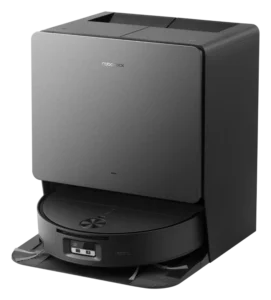
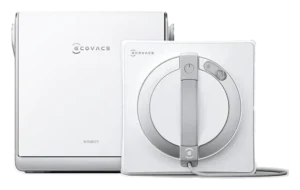
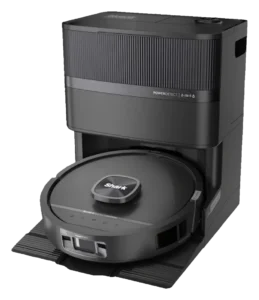
Shark PowerDetect UV Reveal
UV stain detection is a novel capability, not a cosmetic feature. Navigation is published rather than inferred: NeuroNav AI pairs a spinning LiDAR with RGB and 3D sensors and an UltraRange Camera. The trade-off: you are buying Level III navigation with one Level IV feature (adaptive cleaning based on invisible soil).

List price
$1,299
Released 2026.03Reassessed 2026.09.20
Will the Shark PowerDetect UV Reveal work in your home?
Describe your home using the controls. Each choice reads the spec sheet for you, flagging where the Shark PowerDetect UV Reveal is built for your space and where it isn’t.
A classification of fit for the conditions you set, not a recommendation. Verdicts describe engineering design intent, not test results.
Living with it.
New flagship with single-source documentation; dock-based mop wash system is a reliability wildcard.
Unprovenowner-reported arc
Shipping March 2026 with provisional evidence limited to manufacturer claims. Dual ultrasonic tank reliability, UV sensor lifespan, and dock mechanical durability not yet tested across owner cohorts. Shark's previous flagship (E25 Pro) showed stable performance after year one, but the mop-wash dock is novel in their product line.
The base washes the with 185F water, heat-dries it at 175F, and empties the robot's bin into a bagless bay. No manual pad rinsing is required.
Refill the base's clean water and empty the dirty tank; cadence tracks how much mopping is scheduled.
Replace or deep-clean the main ; check bristles for pet hair wrap.
Replace .
Empty the base's bagless debris bay; inspect base electrical contacts for corrosion or standing water.
$1,299 to buy, then about $85 a year for the replaceable parts below. Over three years that is roughly $255 past the sticker price. Excludes electricity and any repairs.
- Typical for robot vacuums: every 3-6 monthsWhere to buy Filter
- Where to buy Cleaning solution
- Typical for robot vacuums: every 3-6 months
- Typical for robot vacuums: every 3-6 months
- Typical for robot vacuums: annually
- Deodorizer
- Typical for robot vacuums: every 3-6 months
Replacement cadence from the maintenance schedule; prices shown where the source documents them. Some links earn Robovations a commission. It does not change any classification. All parts at Shark
-
CautionElectrical hazard at dock water systemDock has powered ultrasonic motors and water tanks in close proximity. Avoid contact with wet internals.
-
Retracting mop may contact carpet fringes on hard-floor-to-carpet transitions; monitor for snags.
The full spec sheet.
Priced above the category median, with every figure charted against the category below.
- WeightThe robot alone, without its dock, as the maker states it.
- 4.4 lbs✓
- Wi-FiThe bands the robot can join; many models need a 2.4 GHz network to set up.
- 2.4 GHz only
- Mop liftHow far the mop pad rises when the robot crosses carpet.
- 0.79 in
- Onboard dustbinThe bin inside the robot; an auto-empty dock moves its contents into a bag.
- 379 mL•
- Threshold climbThe tallest lip the robot is rated to cross; a door sill is about 0.8 in.
- 1 in•
NeuroNav AI: 360-degree spinning LiDAR with RGB and 3D sensors plus an UltraRange Camera; LiDAR and 3D sensors handle obstacle avoidance; multi-floor mapping; self-docking.
Position shows where the figure sits across the tracked category, not a quality judgment.
How the assessment has moved.
Every announcement, release and reassessment behind the current classification.
-
Sep 2026 · AssessmentRecord status: Provisional → Verified
-
Sep 2026 · AssessmentReadiness reassessed: Ready Now → Known Issues
-
Sep 2026 · AssessmentAutonomy Ladder reclassified III → IV
-
Sep 2026 · AssessmentRobovations Score revised 58 → 65
-
Aug 2026 · AssessmentReadiness reassessed: Promising Progress → Ready Now
-
Aug 2026 · AssessmentRobovations Score rescored under v4.2: 56 → 58
-
Jul 2026 · AssessmentRobovations Score recorded at 56 of 100
Show 3 earlier entriesHide earlier entries
-
Mar 2026 · AnnouncementUnveiled at CES 2026 with UV stain detection
-
Mar 2026 · ReleaseLaunches commercially at $1,299 in March 2026
How Shark PowerDetect UV Reveal compares.
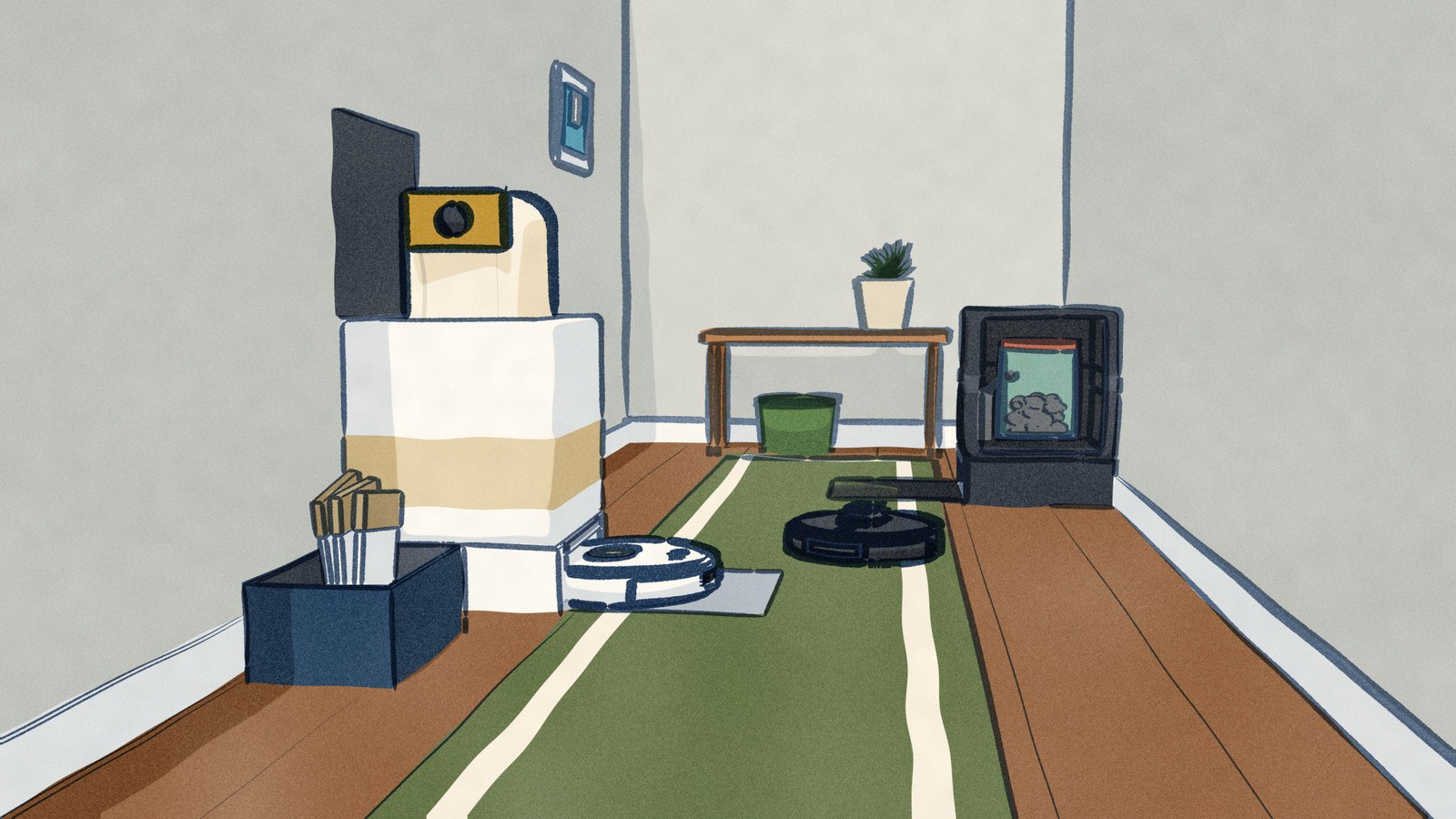
Dreame L60 Ultra vs Shark PowerDetect UV Reveal: Which Costs More?
Both flagship robot vacuum-mops launched in 2026 near $1,300, and neither needs a paid plan.
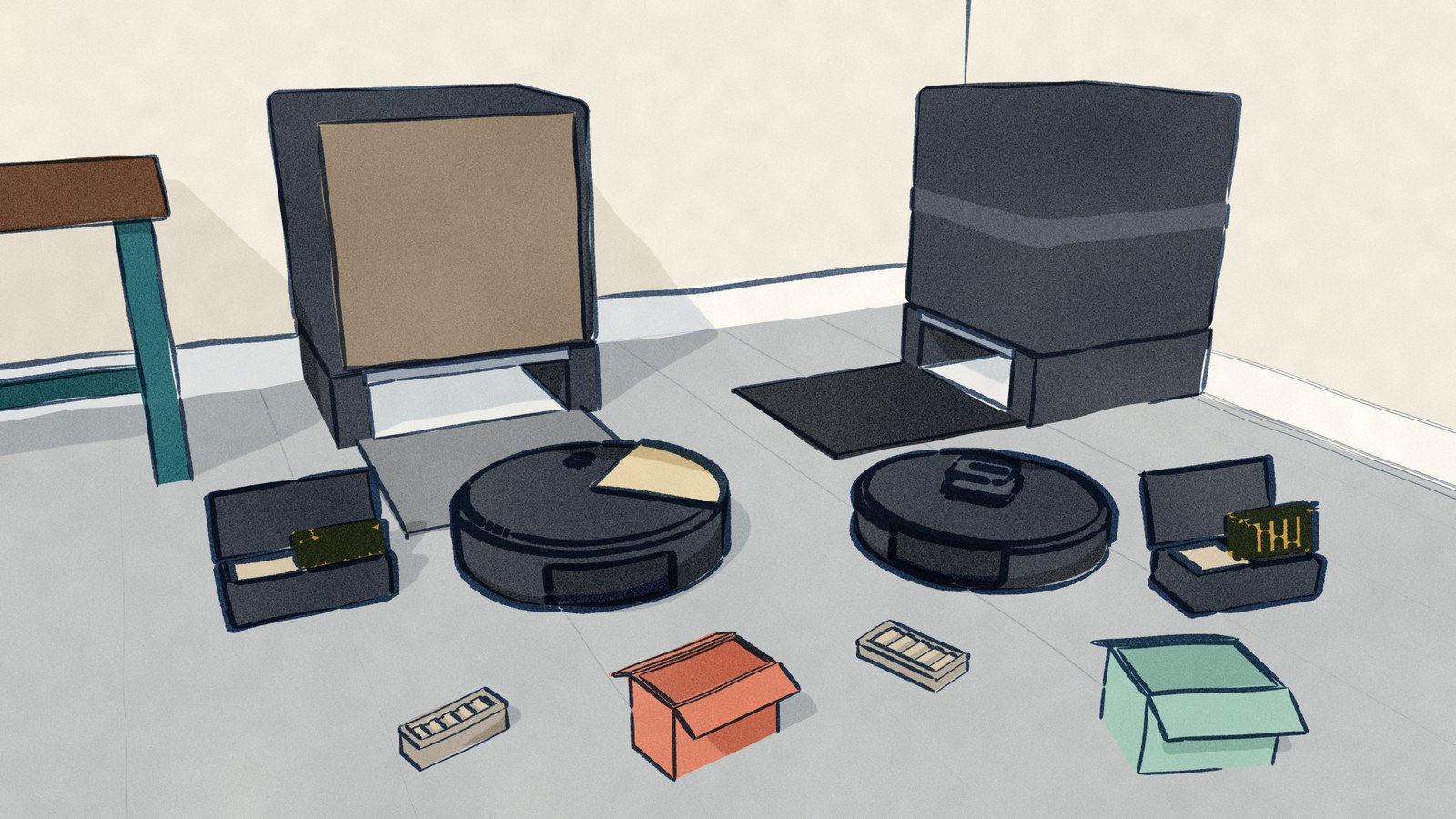
Roomba Max 705 vs Shark PowerDetect UV Reveal: ownership cost
Both machines list near $1,300 with a self-washing dock, but the ongoing costs diverge: iRobot's dock meters a proprietary cleaning solution on a fixed schedule, while the newer Shark's record…
What people actually ask.
OperationDoes the UV Reveal mop work on carpet, or only hard floors?
OperationHow often do I need to clean or replace the UV light module?
OperationHow does UV Stain Detect find a stain the robot has not seen before?
OperationWhat happens if the dock's ultrasonic tanks fail or the water gets dirty?
CompatibilityIs the PowerDetect UV Reveal compatible with smart home ecosystems (Alexa, Google Home)?
ComparisonHow does suction power compare to Shark's non-UV flagship models?
 IV
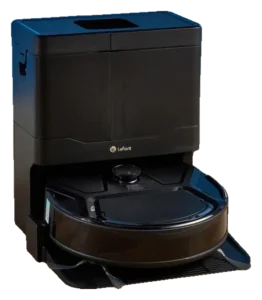
Ecovacs Deebot X8 Pro Omni
 IV
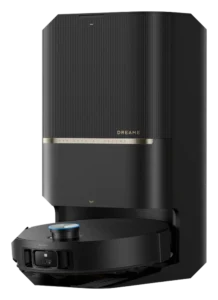
eufy Omni S2
 IV
Dreame L60 Pro Ultra Robot Vacuum
 IV
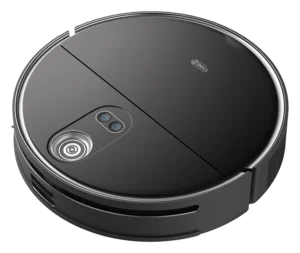
360 Robot Vacuum Cleaner S10
Where it's sold
Some links earn Robovations a commission. It does not change any classification. Affiliate disclosure.
Reference the Shark PowerDetect UV Reveal classification.
Embed the Autonomy Ladder™ mark or copy the citation. The mark is served from this record, so a reassessment updates it on your page automatically.
Get the embed code and citation
Scale proportionally only, up to 2× (536px wide)(224px wide). No recoloring, cropping, rotating, or re-typesetting.
Robovations. "Shark PowerDetect UV Reveal: Autonomy Level IV (Environmental Autonomy)." Autonomy Ladder™, assessed September 2026. https://robovations.com/robots/shark-powerdetect-uv-reveal/
- Link it. The mark must point at this record. An unlinked mark is not authorized.
- Hot-link it. Never download, self-host, or re-upload the image. A saved copy stops updating, and a mark that has stopped updating is a claim we no longer stand behind.
- A classification, not an endorsement. It may not appear beside language implying Robovations recommends, rates, or approves the product.