
Roborock S7 Max Ultra
Sonic mopping combined with full-cycle dock automation. The pricing premium reflects the water-management dock design; cleaning performance is category-standard for LiDAR-navigated L3 vacuums.
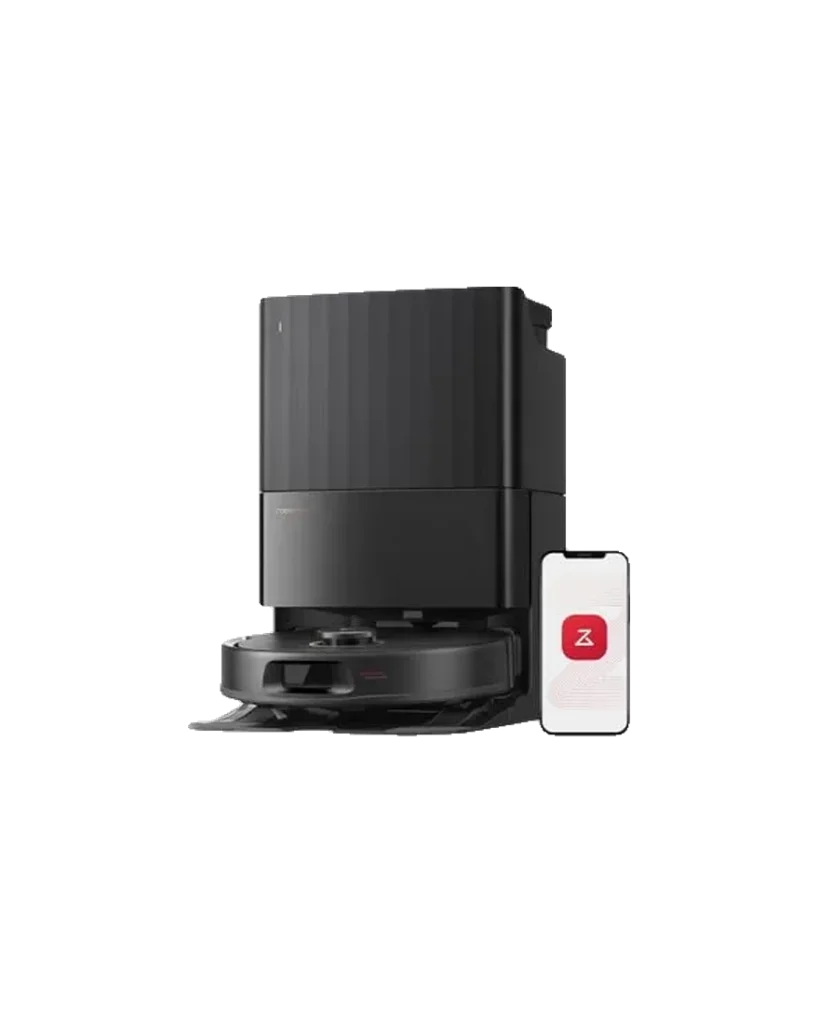
Will the Roborock S7 Max Ultra work in your home?
Describe your home using the controls. Each choice reads the spec sheet for you, flagging where the Roborock S7 Max Ultra is built for your space and where it isn’t.
A classification of fit for the conditions you set — not a recommendation. Verdicts describe engineering design intent, not test results.
The full spec sheet.
Priced above the category median, with every figure charted against the category below.
Position shows where the figure sits across the tracked category — not a quality judgment.
Living with it.
Three years of stable operation; dock plumbing remains the weak point.
LiDAR navigation proven across 50,000+ units with consistent performance. Dock water leaks and mop-pad clogging escalate with hard-water homes; firmware updates to cycle timing helped but did not eliminate. No major recalls; firmware-driven regressions were localized to specific OLED versions.
$1,299 to buy, then about $240 a year for the replaceable parts below. Over three years that is roughly $720 past the sticker price. Excludes electricity and any repairs.
- Mop padWeekly
- FilterEvery 3-6 months$20–25
- Dust bagEvery 4-8 weeks$8–12
Replacement cadence from the maintenance schedule; prices shown where the source documents them.
CautionDock pinch point during tray insertion: Automated tray mechanism can pinch fingers. Keep children and pets supervised during docking cycles.
NoteWet floor slip hazard during mop cycles: Pad wash nozzles leak residual water; dock area floors become slippery during/after cycles.
How the assessment has moved.
Every announcement, release and reassessment behind the current classification.
-
Jul 2023 · ReleaseLaunches commercially in North America
-
Nov 2023 · UpdateRoborock app update adds mop-pad scheduling and dock cycle controls
-
Mar 2025 · Assessment changeS7 Max Ultra enters end-of-active-retail phase; assessment reviewed
-
Jul 2026 · AssessmentRobovations Score recorded at 72 of 100
-
Jul 2026 · AssessmentRobovations Score revised 72 → 71
How Roborock S7 Max Ultra compares.



What people actually ask.
OperationDoes the S7 Max Ultra dock unattended overnight?
OperationWhat's the difference between the S7 Max and S7 MaxV Ultra?
OperationCan I skip the dock and use the S7 Max Ultra as a vacuum-only unit?
OperationHow often do mop pads actually need changing?
OperationDoes the S7 Max Ultra handle stairs detection?
 III
III
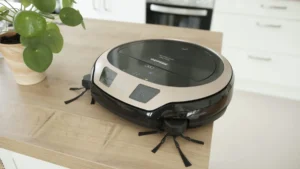
Miele Scout RX3
 III
III
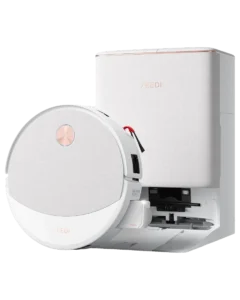
Yeedi M16 Infinity
 III
III
Ecovacs Deebot N20 Pro+
 III
III
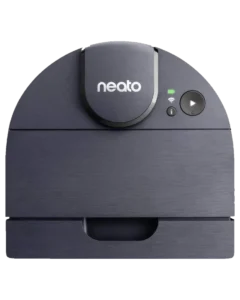
Neato D8
Where it's sold
We may earn commission from qualifying purchases. This does not influence classification.
Reference the Roborock S7 Max Ultra classification.
Embed the Autonomy Ladder™ mark or copy the citation. The mark links back to this assessment and updates if the classification changes.