
Stihl iMow 7
Wire-guided systematic mowing within a physically installed perimeter boundary. Reliable performance on slopes up to 45% and scheduled unattended sessions. The perimeter wire is both the constraint and the prerequisite.
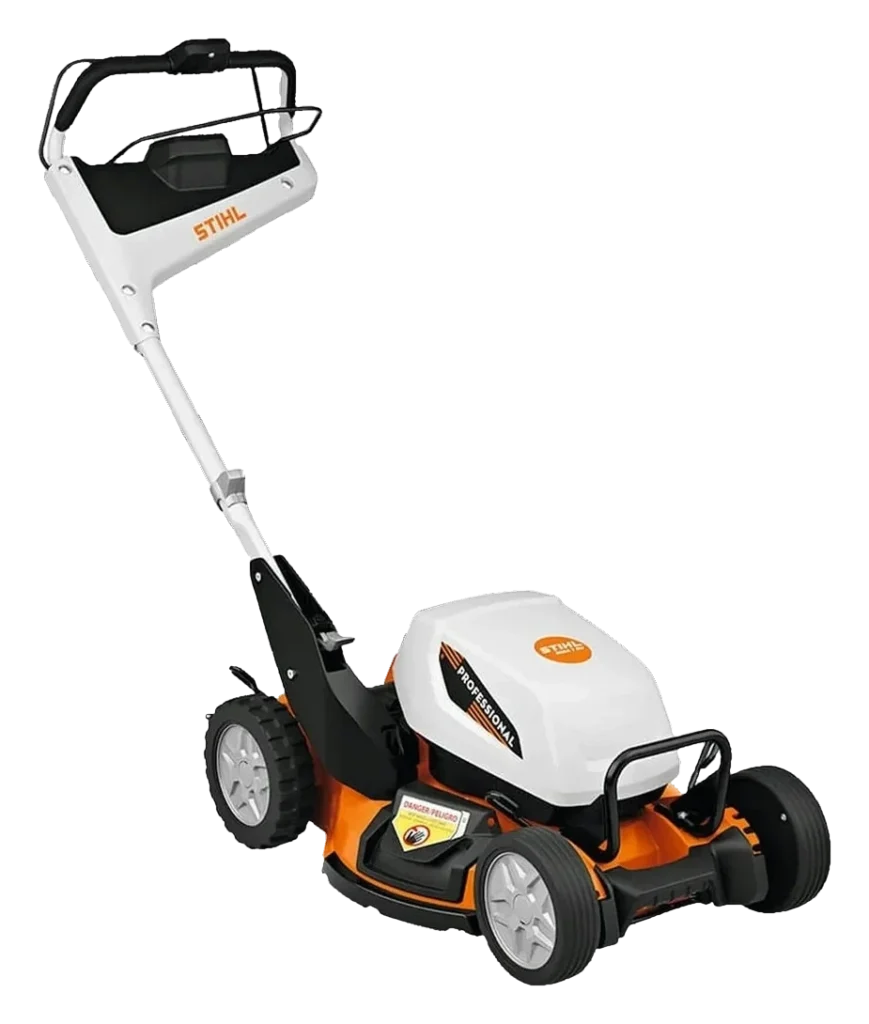
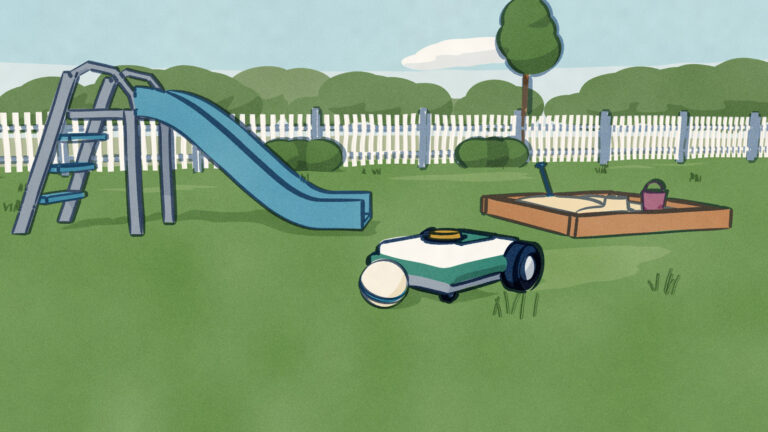
Will the Stihl iMow 7 work on your yard?
Describe your yard using the controls. Each choice reads the spec sheet for you, flagging where the Stihl iMow 7 is built for your space and where it isn’t.
A classification of fit for the conditions you set, not a recommendation. Verdicts describe engineering design intent, not test results.
Living with it.
Consistent multi-season mowing performance across iMow line; wire damage remains dominant failure point across all wire-guided platforms.
→ Stableowner-reported arc
Owner reports confirm consistent performance across multiple mowing seasons. Blade replacement is primary consumable task. Wire damage from garden tools is documented failure point, not model-specific. Firmware addressed app connectivity and scheduling.
The independent record is still forming. Failure modes are listed once an outside source reports them.
Clear grass clippings and debris from and chassis to prevent buildup.
Inspect perimeter at surface crossings and obstacles for wear or animal damage.
Replace when cut quality declines; replacement blades cost $10–$25 per set.
Full perimeter inspection including connectors and guide wire segments; clean charging station contacts.
Test sensor auto-return function before season; clean sensor lens if blocked by residue.
Splice or reposition sections after landscaping or tool-induced damage.
-
CautionNo active pedestrian detection systemSchedule mowing during unoccupied lawn hours only.
-
CautionShallow perimeter wire is functional safety requirementWire at manufacturer depth prevents unintended area mowing; shallow placement voids protection.
-
Blade stops within seconds on liftSafe handling during repositioning or maintenance.
The full spec sheet.
Manufacturer-published figures, measured against every robot lawn mower we track.
- FootprintThe width, depth and height of the robot itself, without its dock.
- 21.7 × 23.6 in · 8.3 in tall
- WeightThe robot alone, without its dock, as the maker states it.
- 33.1 lbs✓
- BatteryStored energy in watt-hours; a larger pack runs longer, not harder.
- 259 Wh · Li-ion✓
- Wi-FiThe bands the robot can join; many models need a 2.4 GHz network to set up.
- Supported
- Max speed
- 1 mph✓
- Cutting width
- 11 in•
- Max area
- 53,800 sq ft•
- Max slope
- 45%•
- Blade system
- 3 free-swinging blades•
Perimeter wire boundary with optional guide wire zone routing; no GPS, RTK, or camera-based navigation
Position shows where the figure sits across the tracked category, not a quality judgment.
How the assessment has moved.
Every announcement, release and reassessment behind the current classification.
-
Sep 2026 · AssessmentRecord status: Verified → Pending
-
Aug 2026 · AssessmentRobovations Score rescored under v4.2: 60 → 78
-
Jul 2026 · AssessmentRobovations Score recorded at 60 of 100
What people actually ask.
OperationDoes the Stihl iMow 7 require a perimeter wire?
OperationWhat slope can the iMow 7 handle?
OperationHow large a lawn can the iMow 7 cover?
OperationDoes the iMow 7 have GPS navigation?
OperationCan the iMow 7 automatically avoid obstacles?
OwnershipWhat ongoing maintenance does the iMow 7 require?
OperationDoes the iMow 7 mow in the rain?
OperationCan I create multiple mowing zones?
 II
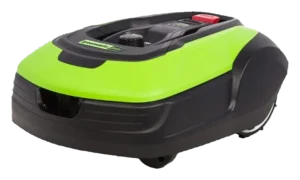
Greenworks Optimow 15
 II
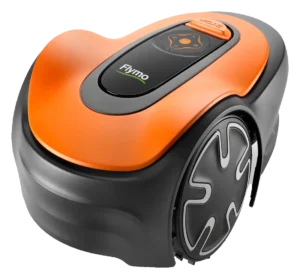
Flymo EasiLife Go 200
 II
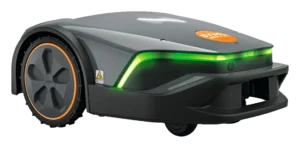
Stihl iMow 6 EVO
 II
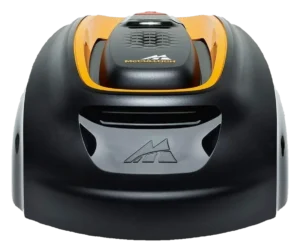
McCulloch ROB R1000
Reference the Stihl iMow 7 classification.
Embed the Autonomy Ladder™ mark or copy the citation. The mark is served from this record, so a reassessment updates it on your page automatically.
Get the embed code and citation
Scale proportionally only, up to 2× (536px wide)(224px wide). No recolouring, cropping, rotating, or re-typesetting.
Robovations. "Stihl iMow 7: Autonomy Level II (Assisted Autonomy)." Autonomy Ladder™, assessed August 2026. https://robovations.com/robots/stihl-imow-7/
- Link it. The mark must point at this record. An unlinked mark is not authorised.
- Hot-link it. Never download, self-host, or re-upload the image. A saved copy stops updating, and a mark that has stopped updating is a claim we no longer stand behind.
- A classification, not an endorsement. It may not appear beside language implying Robovations recommends, rates, or approves the product.