What do robot recalls say about robot safety standards?
Four robot recalls since 2022, from pool cleaners to a mower, and every notice counts burns, smoke and fire. None describes a robot going where it should not.
On this page3 sections
The remedy for a recalled Aiper pool cleaner was a newer Aiper pool cleaner. Nineteen months later, the newer one had a recall notice of its own, and both times the trouble began where the machine takes its charge.
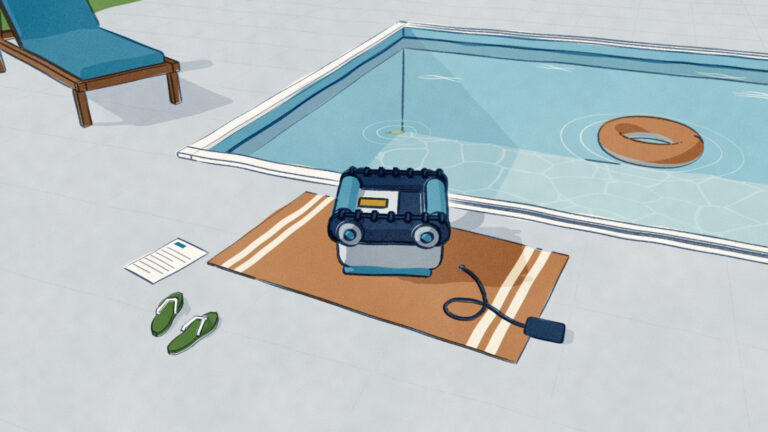
The first recall, in August 2023, covered about 22,000 Aiper Elite Pro cordless robotic pool cleaners. A charging cord plugged into the machine without its adapter, or straight into the charging port, could make the battery overheat and short-circuit. Owners were offered a free replacement, the Aiper Seagull Pro.
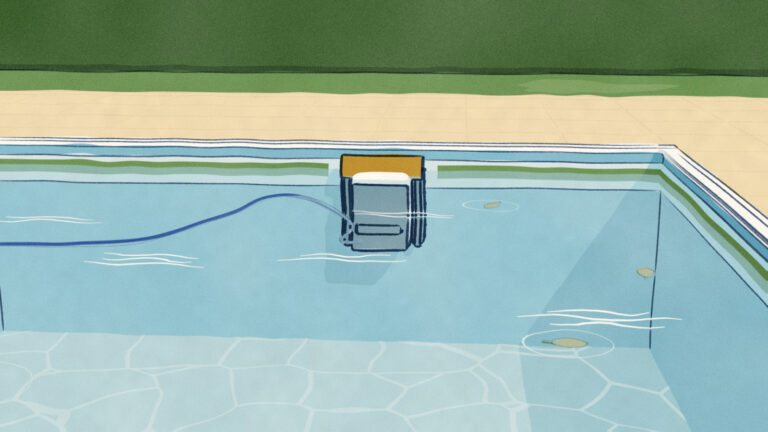
In March 2025 the U.S. Consumer Product Safety Commission recalled about 32,660 Seagull Pro cleaners sold in the U.S., because the machine’s large current adapter can overheat. Aiper had reports of units melting, smoking or catching fire while charging. This time the remedy was a different model again, the Aiper Scuba S1.
Aiper is not the only maker with a notice like this. In April 2026 Wybotics recalled about 5,000 Osprey 700 Max and S1 robotic pool cleaners, because their lithium-ion batteries can overheat. That followed ten reports of units overheating or catching fire.
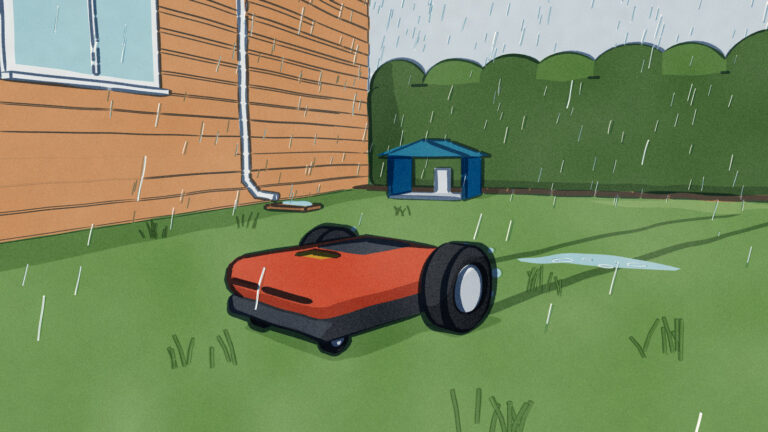
Robot mowers have been recalled for the same kind of fault. In February 2022 Husqvarna recalled about 1,400 all-wheel-drive robot mowers, the Automower 435X AWD and the Automower 535 AWD. It had five reports of batteries overheating, two of them fires.
Put the four notices side by side and they point at one part of the machine: the battery, the charger or the connection between them. None describes a robot going somewhere it should not, striking a person or exposing a blade, the hazards a machine takes on by moving without anyone steering it.
So what were the safety standards for robots written to catch? And if your robot vacuum tumbles down the stairs one day, who ever hears about it? Between them, those two questions decide what a recall can tell you about the machine in your house.
The standards written for machines that move
Four classes
The hazard each one creates is a property of its geometry
- Unguarded dropThe floor simply stops. A vacuum works beside unguarded drops at floor level, and one missed reading from the cliff sensor puts it down the stairs.
- Blade under the deckA turning blade sits under the deck at ankle height. It cannot be seen while the machine runs, and the gap under the deck is what a foot or a hand reaches.
- Power in the waterA powered device inside the water people swim in. The cord is the part that leaves the pool and reaches a socket.
- Height with nothing under itThe machine works above a fall with nothing beneath it. Suction holds it on the glass, and the tether is the only thing standing against the drop if suction fails.
UL 3300 is the standard written for consumer robots as a class. Its first edition is dated May 14, 2024, and it covers robots “intended for use by, or in close proximity to, the general consumer,” indoors and outdoors. It sits on top of the standard for the machine’s ordinary job, such as UL 60335-1 for household appliances.
What UL 3300 adds is about motion. Its scope puts it this way: “Mobility and/or uncontained manipulation introduce potential for hazard due to the speed and mass of the robot, use environment and other considerations described herein.” The battery and the charger are the parts a robot shares with any rechargeable appliance.
UL 3300 also hands some robots to other documents. Toys for children go to UL 696, the electric-toy standard. “Portable battery-operated automatic vacuums” go to UL 1017, the standard for vacuum cleaners, blower cleaners and household floor finishing machines. So a robot vacuum answers to the vacuum-cleaner standard, like the upright in your closet.
Robot mowers get a standard of their own, IEC 60335-2-107, which the Outdoor Power Equipment Institute publishes in the U.S. as OPEI 60335-2-107-2020. It applies to mowers whose battery is rated at no more than 75 volts DC, and it reaches past the blade to the mains-powered charging station and the signal source that marks the mowing boundary.
Of the documents here, the mower standard comes closest to the Husqvarna fault. It covers “all the significant hazards presented by battery powered robotic lawnmowers and their peripherals when they are used as intended and under conditions of misuse which are reasonably foreseeable.” An overheating battery would count.
Pool cleaners fall under a standard written for pool equipment. UL 1081, for swimming pool pumps, filters and chlorinators, also covers “electric pool cleaners for use in swimming pools.” Neither the Seagull Pro notice nor the Wybotics notice names a standard the recalled cleaners were certified to.
What reaches a recall notice
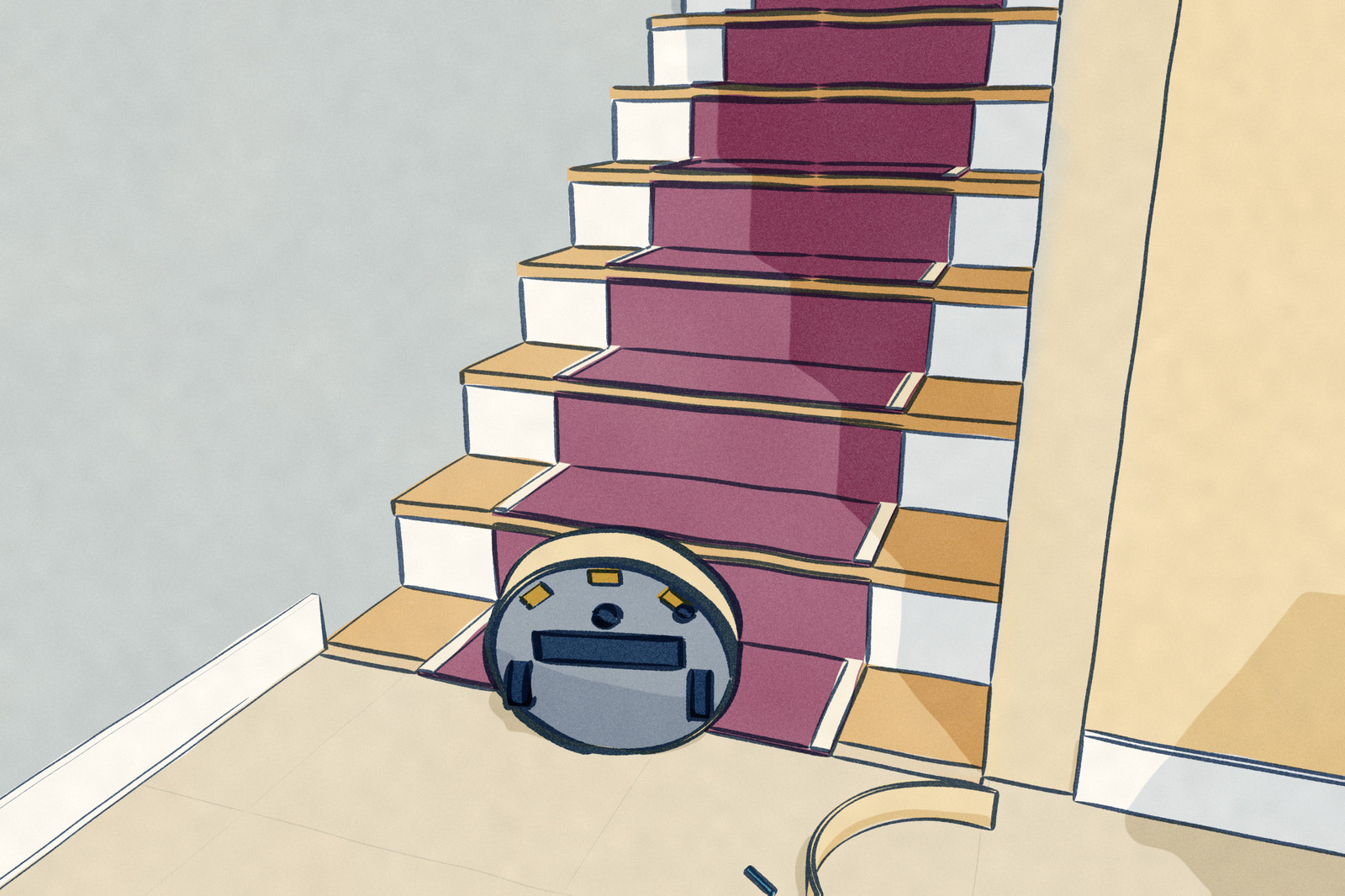
A robot vacuum whose cliff sensor misses the top step falls down the stairs, and the thing most likely to break is the vacuum. If that happens in your house, it usually surfaces as a repair or a warranty claim.
Recalls are built from a different kind of report. The commission exists to protect the public “against unreasonable risks of injury or death from consumer products,” in its own words, and it sends anyone with an unsafe product to SaferProducts.gov to report it. A robot that only damages itself leaves little for that system to count.
Injuries barely register in the four recalls either. The Elite Pro notice records one fingertip burn that needed no medical treatment, and the Seagull Pro, Wybotics and Husqvarna notices report none. What they count is heat, smoke and fire.
The four notices
What each notice counted
| Notice | Injuries | Heat, smoke and fire |
|---|---|---|
| Aiper Elite Pro, 2023 | One fingertip burn that needed no treatment | 17 reports of overheating |
| Aiper Seagull Pro, 2025 | None reported | 19 reports of melting, smoking or fire while charging, including five incidents of property damage |
| Wybotics Osprey 700 Max and S1, 2026 | None reported | Ten reports of overheating or fire, some while not charging, and nine incidents of property damage |
| Husqvarna Automower 435X AWD and 535 AWD, 2022 | None reported | Five reports of batteries overheating, two of them fires |
One line in the Wybotics notice widens the danger. Wybotics had reports of cleaners that overheated or caught fire “while charging and not charging,” so the hazard did not end when the robot came off its charger.
Replacement machines and a software update
Aiper and Wybotics took their recalled cleaners back. Each provides a free return label and ships a replacement within 15 days of receiving the recalled unit, a different model in both cases: the Scuba S1 from Aiper, the WYBOT C2 from Wybotics. Wybotics is contacting all known purchasers directly.
Husqvarna fixed its mowers largely in code. Owners were told to stop using the mowers and “download the free software update that Husqvarna Professional Products is pushing to the recalled units.” A free replacement battery went only to units past 1,200 charging cycles.
Why would software fix a battery? A lithium-ion pack’s charge limits and temperature cutoffs are enforced by software, so an update can change the way it is charged. The cycle threshold then tied a new battery to how much each pack had been used.
Across the four notices, the fault was never the part that makes these machines robots. It was the battery and charger, which a pool cleaner or mower shares with any rechargeable appliance, and each reached a notice because it could burn. A robot that tumbles down your stairs mostly breaks itself, and that ends at the repair desk.
The Aiper story leaves one loose end for owners. Anyone who took the 2023 remedy received a Seagull Pro, and the 2025 notice never mentions the earlier recall. If one of those cleaners sits by your pool, the check is on the label underneath: model number ZT6001 and a serial number beginning with 61.