Analysis
Does the iRobot Roomba Max 775 Combo’s AutoWash Dock Dry the Mop, or Only Wash It?
iRobot lists a hot-water wash for the Roomba Max 775 Combo's roller mop and stops there. Five 2026 combo docks in the same price range, from Eureka to two separate Dreame launches, all add a heated-air stage after washing. The Robovations database logs what each dock's own spec sheet actually completes, not what its name implies.
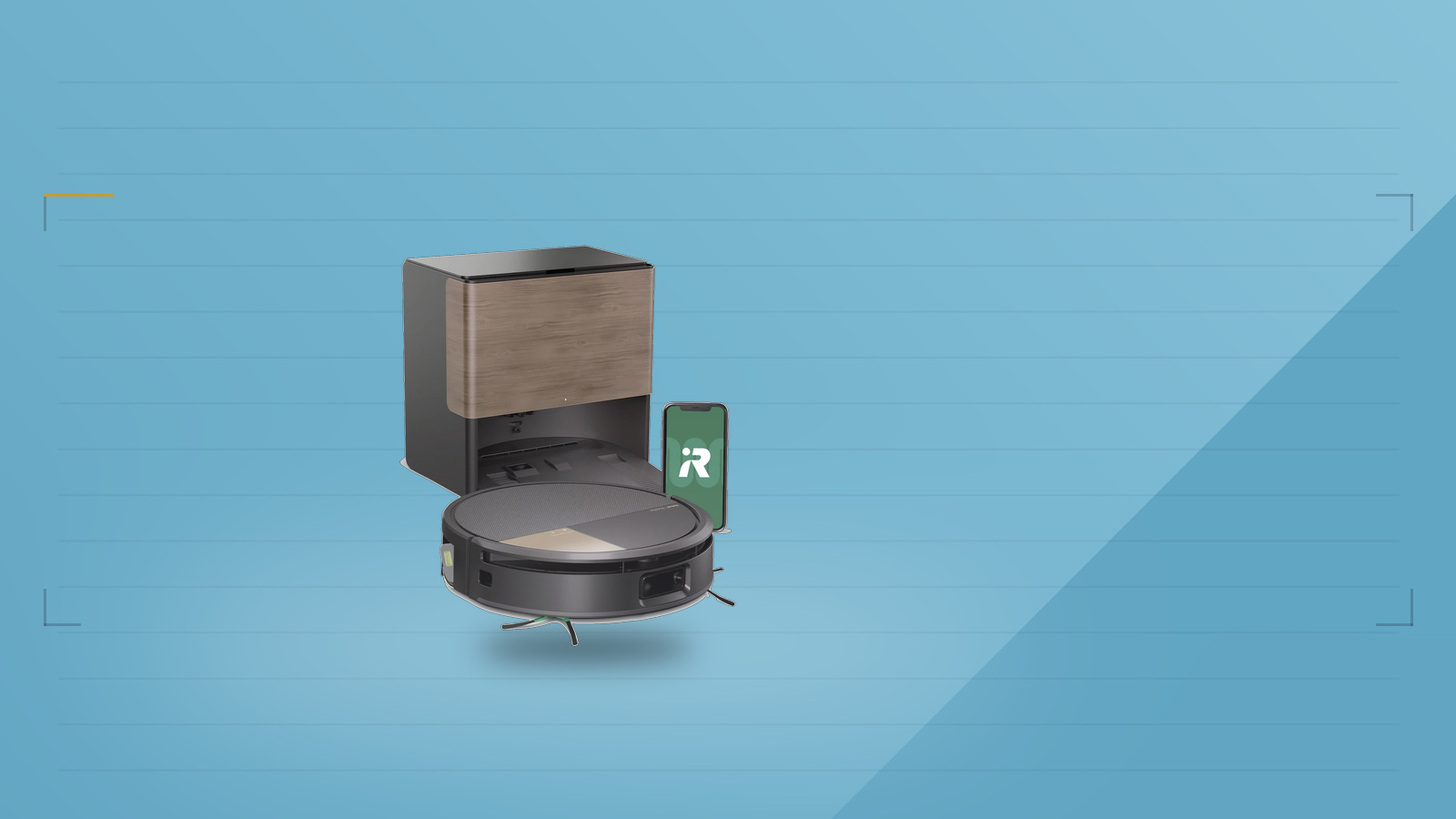
The iRobot Roomba Max 775 Combo launched in May 2026 at $999.99 with a feature iRobot calls the AutoWash Dock: a base station that refills a clean-water tank, scrubs the robot’s PowerSpin roller mop at roughly 200 rpm, and washes that roller in hot water between runs. That claim is accurate against iRobot’s own published specification list. What the same list does not include is a drying step. The dock’s own spec_value field reads ‘auto-empty, mop washing, hot-water washing, auto water refill,’ with no line for a heated-air drying stage afterward.
That is a narrow, checkable gap, not a defect. But it separates the Max 775 Combo from five other 2026 combo-dock launches in a similar price band, all of which pair a wash stage with a dry stage as a documented part of the dock cycle. Whether a pad sits wet or dry between runs is a fact a spec sheet either states or does not, and this one currently does not.
Robovations classifies mop automation by what a dock’s own documentation states it completes, not by the name a manufacturer gives the feature. An ‘AutoWash’ or ‘self-cleaning’ label describes a wash stage; it does not by itself confirm a dry stage, and the two are answered from different lines on a specification sheet. That distinction is the subject of this piece, and it is checkable from each manufacturer’s own published material rather than from an independent lab measurement, since no independent teardown of dock-cycle stages was located for any of the six robots compared here.
Wash listed, dry unlistedWhat the AutoWash Dock’s own spec list covers
iRobot pairs the Max 775 Combo with The Verge, 2026 coverage confirming ClearView Pro LiDAR mapping and PrecisionVision object recognition, the same navigation stack iRobot ships across its 2026 line. The robot builds a room-by-room map, plans its own route, and executes vacuuming and mopping in a single pass; the PowerSpin roller’s retracting cover lifts over carpet so wet cleaning does not bleed onto fabric flooring. That combination of stored maps, autonomous route execution, and no per-cycle operator input places it at Level III, Conditional Autonomy, the same rung as every other robot named in this piece.
The dock automation iRobot documents is genuinely light in cadence: a weekly refill of the clean tank and empty of the dirty tank, a wipe of the wash tray, a monthly clear of hair from the brushes and roller, and a debris bag rated for up to three months, well past the 60-to-75-day interval typical of this category. There is no mop pad to replace on a calendar, because the roller is washed at the dock and worn rather than bought. What iRobot has not published is a drying stage between wash cycles or before the roller returns to storage.
Two different claimsWhy a wash stage and a dry stage are different claims
Washing removes soil from a mop pad or roller. Drying returns it to a dry state before the next cycle or before it sits idle in the dock. A dock that completes only the first step leaves a washed-but-damp roller between runs; a dock that completes both hands back a dry one. Neither iRobot’s product page nor its specification list, as captured in the Robovations database, states which condition the PowerSpin roller is left in after a wash cycle finishes.
Eureka, one of the five competing docks examined here, states the distinction directly in its own published support material for a comparable machine.
The dock washes the mop with 80°C (176°F) heated water and then dries it with 55°C (131°F) heated air. There is no cold-water soak stage for a damp pad to sit in.
Eureka frames the dry stage as the thing that prevents a damp pad from sitting between cycles, which is the specific condition iRobot’s own list leaves unaddressed for the Max 775 Combo. Whether that unaddressed condition matters in an individual home depends on run frequency and ambient humidity, factors no manufacturer spec sheet captures. What is verifiable is only which stages each dock’s own documentation claims to run.
A heated dry stage is an added component, not a free extension of an existing wash cycle: it requires either a heating element in the water line, as several of the docks below document, or a separate heated-air pass after the water is drained. Adding that stage lengthens the cycle and adds a part that can eventually fail on its own. A manufacturer that documents a wash stage without a dry stage has not necessarily chosen to omit one; the AutoWash Dock could complete a drying function iRobot simply has not listed. The classification here reflects only what iRobot’s own material currently states, and that material stops at the wash.
Robovations classification
What a combo dock cycle actually completes
- The dock does itruns between cleans without anyone present
- You do itstill a manual step on every all-in-one dock sold
Five docks that finish the dry stepWhere the wash-and-dry tier sits across five 2026 launches
Five combo-dock vacuums that reached notable attention in 2026 each document both a wash stage and a dry stage for their mop hardware, spanning roughly $540 to $1,700 in listed price.
The Eureka J15 Max Ultra, at $1,199.99, washes its mop with water heated to 80°C and dries it with 55°C heated air, alongside a self-cleaning base tray. The Yeedi S20 Infinity Ultra, listed at $999, uses an OZMO Roller 3.0 mop that self-washes during a run; between runs, the station washes it again with warm water and dries it at 145°F, so there is no pad to replace on a schedule. The Samsung Bespoke AI Jet Bot Steam Ultra, listed at $1,700 and, per its own record, available in the Korean market as of mid-2026 with no confirmed US retail, washes its pads at 50-60°C, sanitizes them with 100°C steam, and dries them at 55°C, all inside the Clean Station rather than on the floor.
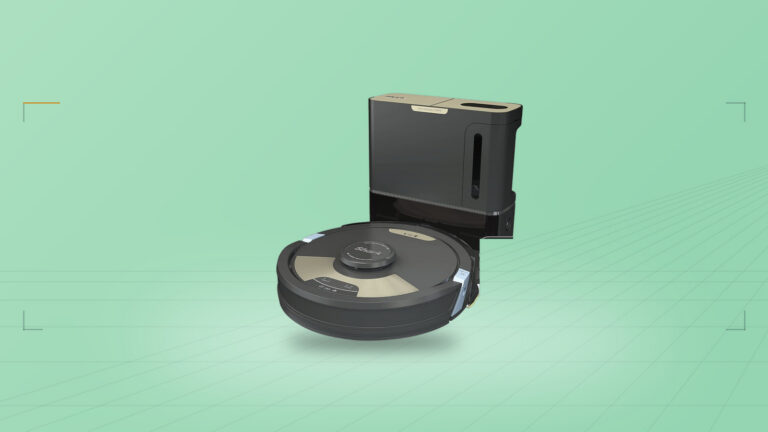
Two Dreame launches complete the same pairing at opposite ends of the price range. The entry-tier Dreame D30 Ultra, at $539.99, self-washes and dries its dual rotary mop pads and the washboard beneath them as part of its PowerDock automation, though its launch-cycle coverage rated obstacle avoidance below the category average, a documented tradeoff at that price. The Dreame L60 Pro Ultra, MSRP $1,399.99 ($1,189.99 at the time of review per independent coverage), washes its dual spinning pads with water heated to 212°F, hot-air dries them, and mixes detergent automatically as part of a dock cycle built around its ProLeap retractable legs for crossing thresholds.
Combo docks, 2026
What each dock documents beyond auto-empty and refill
| Robot | Wash Step | Dry Step | Class |
|---|---|---|---|
| iRobot Roomba Max 775 Combo | Hot-water wash, roller scrub | Not listed | IIIConditional |
| Eureka J15 Max Ultra | 80°C water wash | 55°C heated air | IIIConditional |
| Yeedi S20 Infinity Ultra | Warm-water station wash | 145°F station dry | IIIConditional |
| Samsung Bespoke AI Jet Bot Steam Ultra | 50-60°C wash, 100°C steam | 55°C heated air | IIIConditional |
| Dreame D30 Ultra | Dock washes pads and washboard | Dock dries pads and washboard | IIIConditional |
| Dreame L60 Pro Ultra | 212°F water wash | Hot-air dry | IIIConditional |
The vacuum-only siblingWhat iRobot’s other 2026 launch skips entirely
iRobot’s other high-attention 2026 model, the iRobot Roomba Max 715, does not mop at all. It carries the same ClearView Pro LiDAR and PrecisionVision navigation as the Max 775 Combo and the same Level III classification, priced at $699.99 with an AutoEmpty dock rated for up to 90 days of debris. iRobot’s own product page states plainly that there is no water tank and no pad mount on this model; wet cleaning requires the Combo line. Between the two, iRobot’s 2026 answer to mopping automation is the wash-only AutoWash Dock, not a wash-and-dry system. The Max 715 arrived two months after the Max 775 Combo, on July 1, 2026, as the vacuum-only counterpart in the same generation rather than a predecessor to it.
What actually changes at the sinkWhat the missing dry step changes for weekly upkeep
The Robovations record for the Max 775 Combo treats its published maintenance schedule as genuinely light for a mopping machine on its own terms: a weekly tank refill and wash-tray wipe, a monthly hair clear, and a debris bag that lasts three months rather than two. None of that schedule changes because of the missing dry stage specifically, since the wash-tray wipe and hair-clearing tasks are unrelated to whether the roller is dried afterward. The gap is narrower than a maintenance-burden difference: it is one documented stage present on five comparable 2026 docks and absent from one manufacturer’s own published list for this model.
A reader comparing the Max 775 Combo against any of the five docks above is not choosing between a working system and a broken one. Every robot named here reaches the same Level III ceiling, builds and executes its own cleaning routes, and automates the bulk of dock upkeep beyond weekly refills. The distinction that survives a check against each manufacturer’s own documentation is narrower and more specific: whether the wash cycle iRobot advertises for the Max 775 Combo ends with a dry roller or a washed one.
What was not measured hereWhat this classification does not measure
None of this establishes odor, bacterial growth, or long-term roller wear on either side of the comparison; no independent testing of any of the six docks addressed those outcomes, and Robovations does not run robots to generate that data itself. The claim here is limited to what each manufacturer’s own specification and support material states its dock completes. A wash-only line item on a spec sheet is a fact about documentation, not a measured outcome about a damp roller in a specific home.
Every dock compared here reaches Level III. What separates them is one documented stage in the wash cycle, present on five 2026 launches and absent from iRobot’s own published list for the Max 775 Combo.