Analysis
Does the Shark AI Ultra 2-in-1 Mop Automatically, or Do You Do It by Hand?
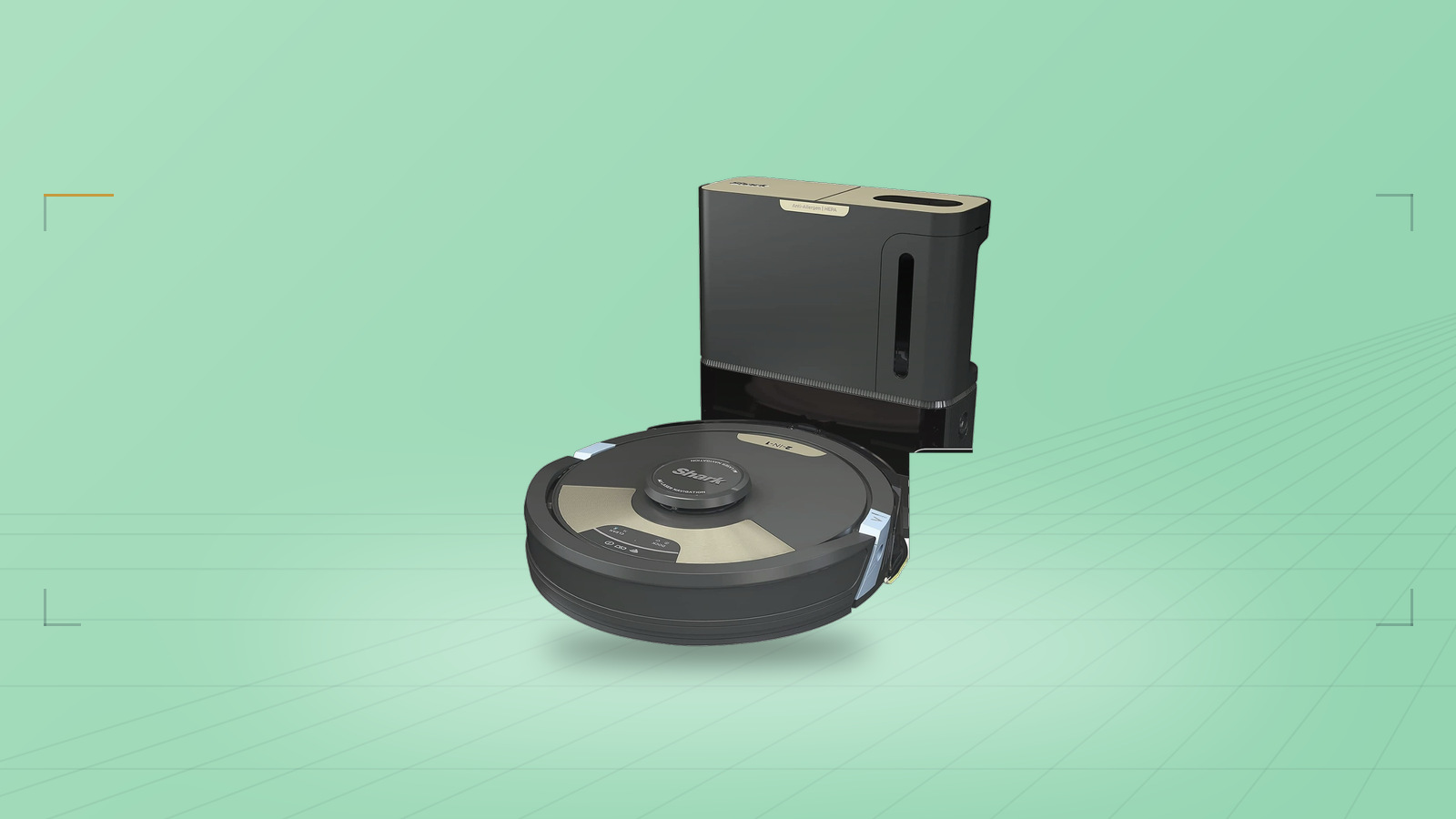
The dock on this machine empties its own dust bin for roughly two months at a stretch. The mop side gets no such treatment: every session starts with a hand at the tank and ends with that same hand at the sink, a gap Shark's own direct successor was built specifically to close.
A robot vacuum with “mop” in its own name sets an expectation: water goes down, a pad goes across the floor, and nobody has to touch the process. The Shark AI Ultra 2-in-1 vacuums that way. Its self-empty base holds roughly two months of debris, per Shark’s own rating, before a person has to open the bin. Its mop side works on a completely different schedule.
Robovations classifies this record’s mop function as “basic,” the lower of two tiers the site tracks for dock-assisted cleaning. That single word carries the whole difference between the two halves of the machine, and Shark’s own documentation, four and a half years of published reviews, and more than 150 owner reports are specific about where the line actually sits.
Two systems, one chassisHow the 2-in-1 splits its labor
The AI Ultra 2-in-1 runs two cleaning modes from one dock, and the classification treats them separately because the evidence supports different conclusions for each. The vacuum side pairs 360-degree LiDAR mapping with a self-empty base rated by Shark to roughly 60 days of bagless debris capacity, so a person interacts with that half of the machine on a multi-week interval. A single charge runs about 110 minutes before the robot returns to dock, and Shark’s own spec lists roughly four hours to refill the battery. The mop side shares the chassis, the app, and the same LiDAR map, but not the automation.
Term
Basic vs. advanced mop capabilityA “basic” mop tier means a vibrating or dragged pad that the owner fits, fills, and washes by hand every session, whatever the marketing calls the vibration. An “advanced” tier means the dock itself washes and dries the pad, closing that loop without a hand touching it. Branding language like “sonic” or “oscillating” describes how the pad moves, not which tier a given dock belongs to.The AI Ultra 2-in-1’s own dock only auto-empties dust. Nothing in Shark’s support documentation or the two independent teardowns of this unit describes a wash or dry cycle for the mop pad, which is the documented basis for the “basic” classification here rather than a guess at what the hardware might do. The rest of the hardware sits in the same mid-market band as the mop tier: a 13.4-inch-square chassis at 14.5 pounds, a published noise level around 67 decibels, and WiFi plus Alexa and Google Home connectivity for the app layer.
Autonomy on the vacuum sideThe vacuum half runs itself for weeks
Owner-facing reviews describe long stretches with no hands-on involvement specific to the vacuum side. Homes and Gardens’ testing reports the unit “never once needed mid-cycle assistance throughout the whole testing process,” and Popular Mechanics found it “auto-charges and always finds its charging station” across a six-week window. Wired’s review called the resulting floor map “incredibly precise,” with the layout persisting between cleaning sessions rather than rebuilding from scratch on every run.
That reliability is not universal. Mashable’s four-month test found the robot “wasn’t able to get 100 percent of the crumbs located in corners and along the edges of the room,” a documented edge-coverage gap rather than a mapping failure. Firmware history adds detail rather than contradicting the pattern: early 2024 versions showed occasional cliff-detection false positives and WiFi reconnect delays, and SharkNinja’s subsequent patches stabilized both by late 2024, after which owner reports and a widely read r/RobotVacuums thread describe consistent operation across 200-plus-hour cycles with no major hardware failures documented.
Where the ceiling sitsLevel III, not higher
Robovations classifies the AI Ultra 2-in-1 at Level III, Conditional Autonomy: full cleaning cycles run unattended inside a mapped, stable layout, but a person remains the fallback for what the robot cannot resolve on its own. TechRadar’s review documents one version of that fallback directly: the unit “became stuck on my bath rug, whose half-inch long strands twisted the side brush’s bristles,” a rug that had to be lifted before later runs rather than something the robot learned to route around on its own. Furniture moves and unfamiliar small objects call for the same kind of manual correction. A dropped WiFi connection is not one of those correction points: navigation, mapping, and obstacle detection are processed on the robot itself, so a run started before an outage finishes on the stored map. What goes offline is the app layer, scheduling, remote start, and viewing the map, not the cleaning cycle in progress.
The manual half of the loopWhat the dock still leaves to you
The vacuum side’s dock automation does not extend to the mop side of the same chassis. Fitting the pad, filling the onboard water tank, and washing the pad afterward are steps a person performs every time the robot mops rather than vacuums. Shark’s own maintenance schedule for this unit confirms it: the pad is removed, rinsed or machine washed, and left to dry after each mop session, and the tank is emptied by hand rather than left standing between runs.
None of that touches the vacuum side’s independence. A household can go weeks without opening the dust bin while still handling the mop pad every single time the water function runs, because the two halves of one machine are automated to entirely different standards.
Figure
What the dock does, and what the owner still does
- The dock does itruns between cleans without anyone present
- You do itstill a manual step on every all-in-one dock sold
What zero automation costsThe cost of a manual mop cycle
Robovations’ consumables input for this record sits at the ceiling of the scale it uses across the vacuum category: the dust bin is bagless, the mop pads are reusable microfiber with no published replacement schedule, and both filters are rinsed under running water rather than replaced. Total consumable spend lands around $35 a year against a machine priced between $700 and $900, one of the lowest recurring costs documented for a vacuum-and-mop unit in the database. That figure describes materials, not the labor of using them.
The routine-maintenance input tells the other half of the story, and it lands roughly in the middle of the scale specifically because it averages two very different workloads. The vacuum side needs a filter rinse and a brush-roll clear on a monthly cycle. The mop side needs a hand at the sink after every single session that uses water, a materially different rhythm than “monthly.” Safety notes on the record flag standing water left in the tank between sessions as its own documented risk, since it can develop mold or bacteria if it isn’t emptied. The bin side has its own limit too: once the bagless base fills at roughly the 60-day mark, emptying it into the trash is what restores self-empty operation, which is a person’s task either way, just a much less frequent one.
Hands-off mop cycles
0
Robovations records no mop session on this unit that completes without a person filling the tank, fitting the pad, and washing it afterward; the vacuum side runs roughly 60 days between comparable touchpoints.
What the successor changedWhat changed in the direct successor
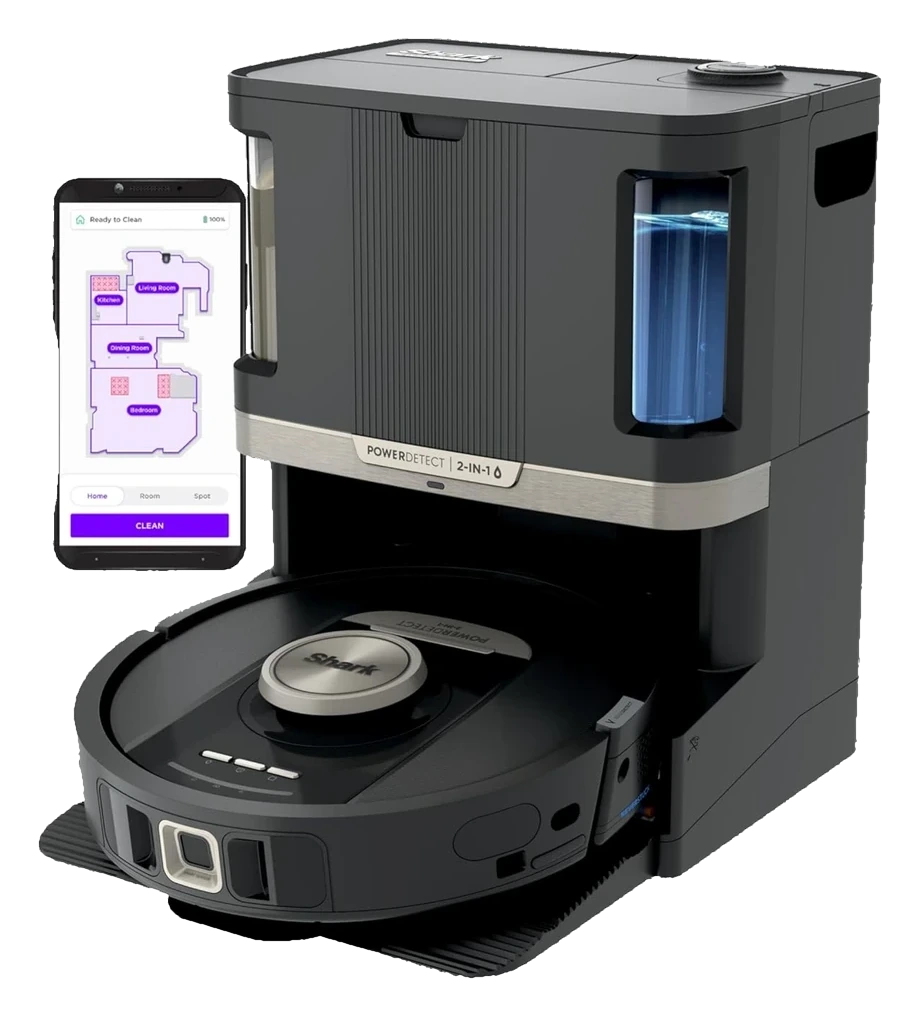
Shark has since released a direct successor to this record, the Shark PowerDetect NeverTouch Pro, launched in September 2024 at a $999.99 MSRP against the AI Ultra 2-in-1’s $699. Robovations classifies the newer unit at the same Level III Conditional Autonomy rung: the successor is not a jump up the Ladder, and its navigation and mapping approach carries over rather than changing. The record marks the relationship as a direct succession rather than a parallel sibling SKU, which is why the comparison holds: this is the same product line one generation later, not a different tier of Shark’s lineup wearing a similar name. What moved is the mop tier.
The NeverTouch Pro’s mop function is recorded as “advanced” rather than “basic,” meaning its dock washes and dries the pad in place of the owner. That is the specific gap this piece has been describing, priced at roughly $300 over the AI Ultra 2-in-1’s MSRP. A buyer weighing the two records is not choosing between different navigation systems or different autonomy classifications. The choice is narrower than that: whether the manual half of a 2-in-1 stays manual.
Matching the trade-off to the householdWho the basic tier actually fits
Robovations’ fit assessment for the AI Ultra 2-in-1 names owners of stable, multi-room hard-floor layouts as the strongest match, and names the mop side specifically as the wrong reason to buy it if hand-washing a pad every session is a dealbreaker. The pattern holds across several distinct situations documented in the record:
- Multi-room homes with a stable floor plan, where the LiDAR map does not need frequent rebuilding
- Households that want long stretches between vacuum-side maintenance, even if the mop side stays hands-on
- Hard-floor and low-pile carpet homes, where both functions are rated to perform; thick or plush rugs are not
- Buyers weighing a 2-in-1’s single-dock convenience against the cost and footprint of a dedicated mop
None of that changes the classification. A basic mop tier on a Level III vacuum is a documented, sourced fact about one machine, not a defect that needs excusing or a feature that needs selling. What it costs a household in time is legible in advance, from the tank fill to the sink afterward, in a way the vacuum side’s 60-day interval simply is not.
The same logic applies to the account requirement running underneath both halves. Scheduling, no-go zones, and the saved map all live behind a Shark account and a network connection; the robot will still clean and mop from its on-board controls without either, but every app-side convenience goes with them. A buyer who wants zero manufacturer account involvement at all is working against the same kind of structural limit as one who wants a fully automated mop: the machine is built around a companion app, and the mop pad is built around a person’s hands, and neither fact is negotiable after purchase.
The Shark AI Ultra 2-in-1 automates one half of its own name and leaves the other to a hand at the sink; its direct successor exists mainly to close that gap.