
Beatbot AquaSense 2 Pro
CleverNav ultrasonic navigation eliminates tangling and maps autonomously. Autonomous operation within mapped pools; obstacle detection avoids repositioning. Saltwater tolerance requires post-run rinsing discipline.
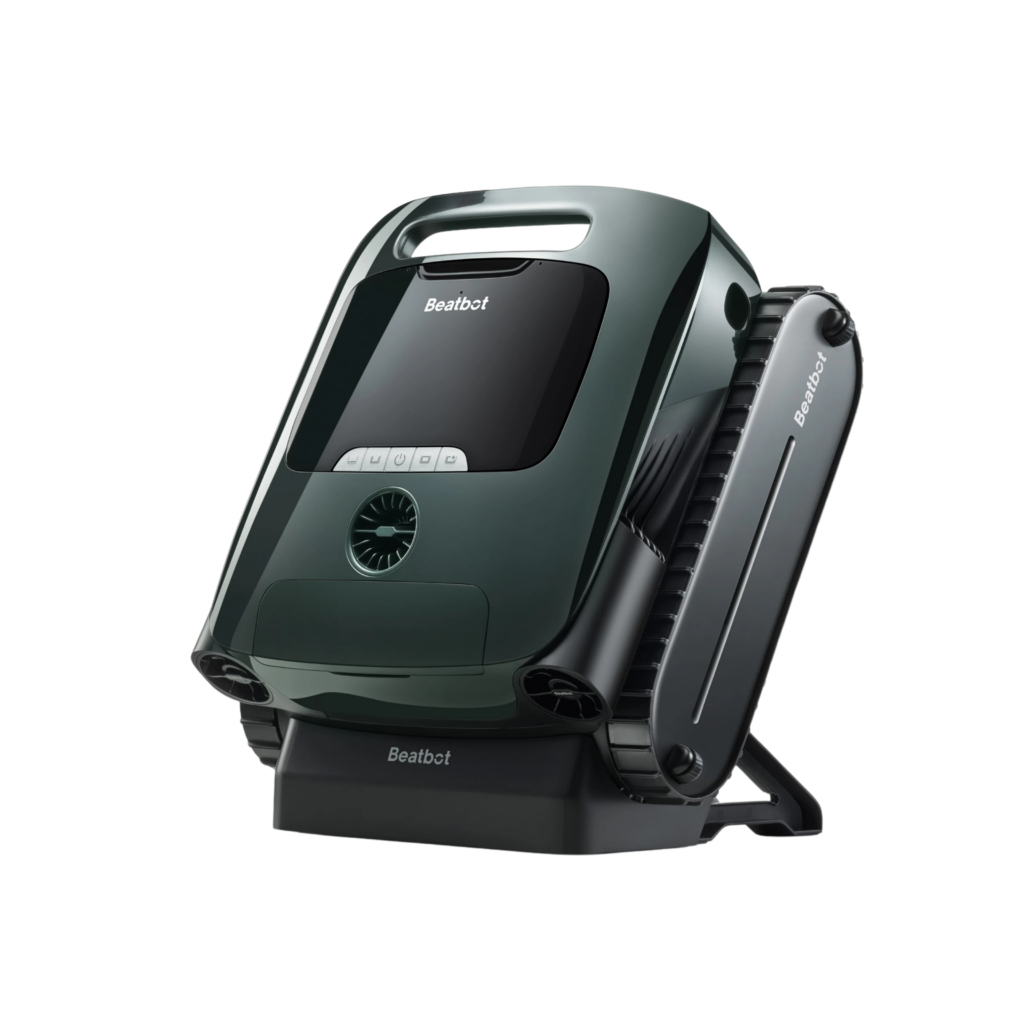
Will the Beatbot AquaSense 2 Pro work in your pool?
Describe your pool using the controls. Each choice reads the spec sheet for you, flagging where the Beatbot AquaSense 2 Pro is built for your space and where it isn’t.
A classification of fit for the conditions you set — not a recommendation. Verdicts describe engineering design intent, not test results.
The full spec sheet.
Priced above the category median, with every figure charted against the category below.
Position shows where the figure sits across the tracked category — not a quality judgment.
Living with it.
Cable-free swivel design eliminates prior tangling failures; corrosion risk in saltwater requires post-use rinsing discipline.
Firmware updates improved obstacle detection and reduced false-positive entanglement alerts since launch. Six-month owner reports show consistent reliability; cable-free design fixes prior model tangling issues common in underwater equipment.
$2,299 to buy, then about $100 a year for the replaceable parts below. Over three years that is roughly $300 past the sticker price. Excludes electricity and any repairs.
- CartridgeMonthly
- BrushEvery 3 months
Replacement cadence from the maintenance schedule; prices shown where the source documents them.
NoteVanishing-edge false trigger: Cliff sensors prevent operation over deep-end edges but false-trigger when water below 50%
NoteObstacle detection speed: Motor shuts down at 2cm proximity within 150ms; does not detect children
CautionSaltwater corrosion: Rust progression in 6-8 weeks without post-use rinsing discipline
How the assessment has moved.
Every announcement, release and reassessment behind the current classification.
-
Jan 2025 · AnnouncementAnnounced at CES 2025 with dual LiDAR architecture
-
Jul 2026 · AssessmentRobovations Score recorded at 67 of 100
-
Jul 2026 · AssessmentRobovations Score revised 67 → 69
How Beatbot AquaSense 2 Pro compares.
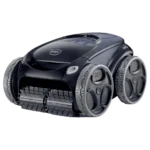
Pool robots for in-ground gunite: brushes, scrub strength, and waterline reach
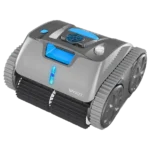
Pool surface skimming and floor cleaning: which robots do which job?
Cordless versus corded pool cleaners: ownership costs over one season
What people actually ask.
OperationDoes the AquaSense 2 Pro replace manual brushing?
CompatibilityHow critical is WiFi reliability to operation?
OperationWhat happens when the cleaner gets stuck?
OwnershipWhat is the brush and filter replacement schedule?
OperationHow does saltwater pool operation differ?
OperationWhat pool size is this designed for?
OperationHow does it handle pool obstacles and equipment?
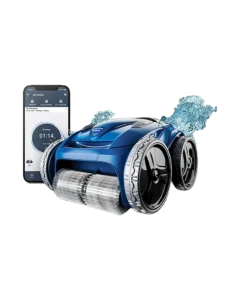 III
III
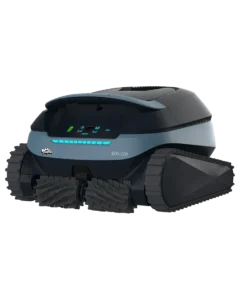
Polaris 9650iQ Sport
 III
III
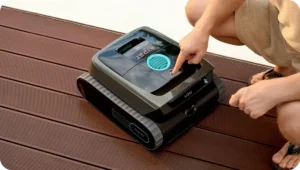
Maytronics Dolphin EON 120d
 III
III
Aiper Scuba V3
 III
III
Aquabot Elite Pro
Where it's sold
We may earn commission from qualifying purchases. This does not influence classification.
Reference the Beatbot AquaSense 2 Pro classification.
Embed the Autonomy Ladder™ mark or copy the citation. The mark links back to this assessment and updates if the classification changes.