
A situation
Pool robots for in-ground gunite: brushes, scrub strength, and waterline reach
Gunite is a rough, hard surface that holds algae. The question is what each robot scrubs with, whether it scrubs the waterline, and what its maker says about the pool surface.
This page checks
- BrushesHow many, and what they are made of
- WaterlineHow the maker words it
- Surface namedWhether concrete or plaster is mentioned
- WeightThe robot alone
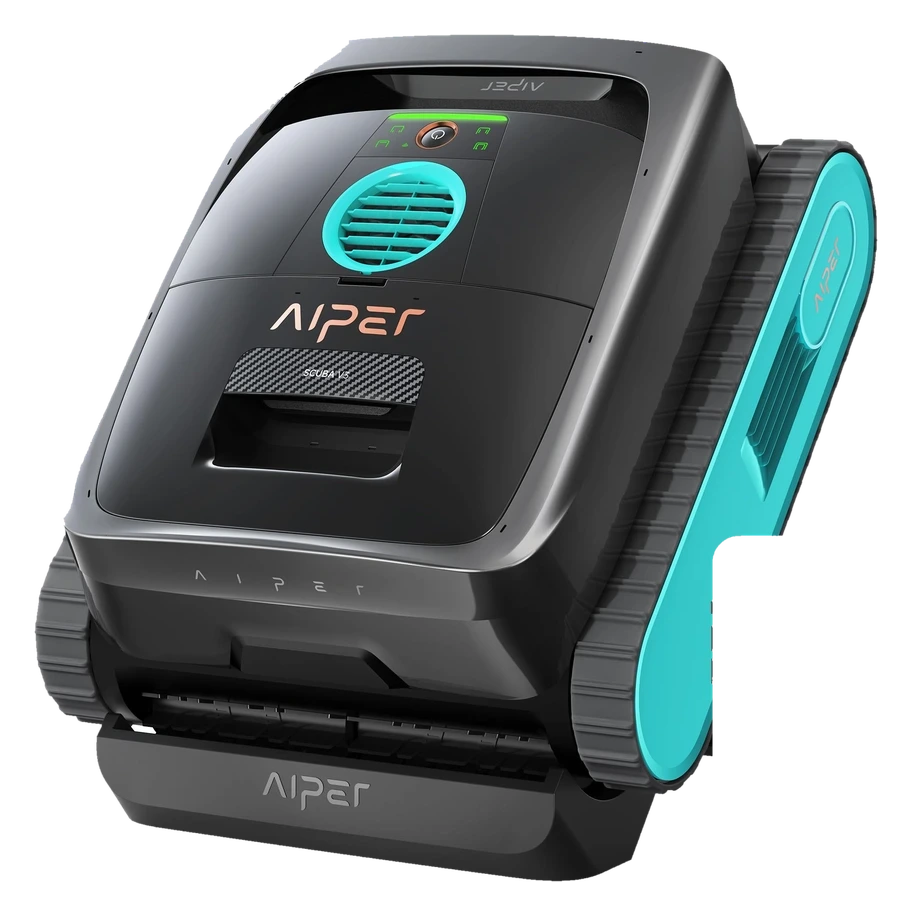
Aiper
Where to buy
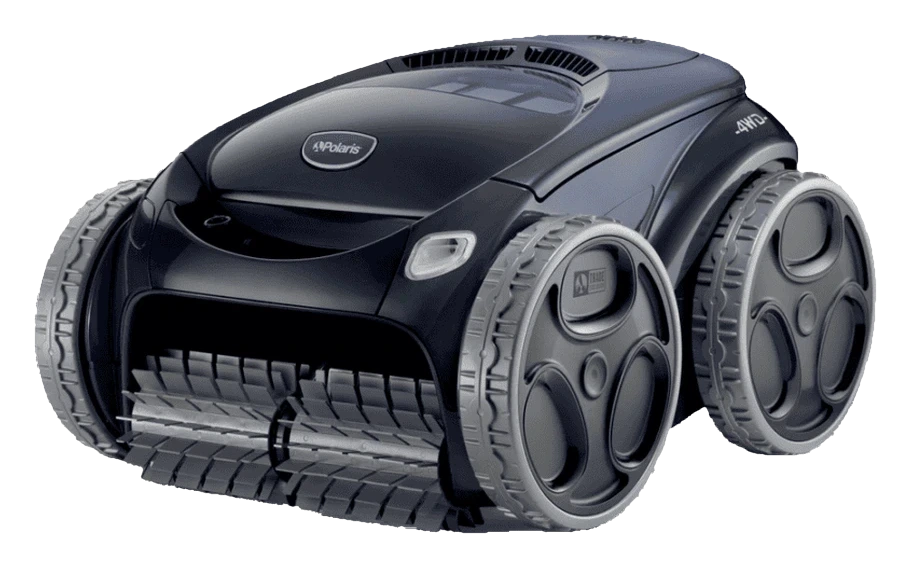
Polaris
Where to buy
Full specifications18 figures on record · 11 differ
Some links earn Robovations a commission. Nothing on this page is ranked by it.
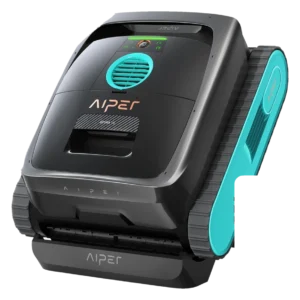 Scuba V3
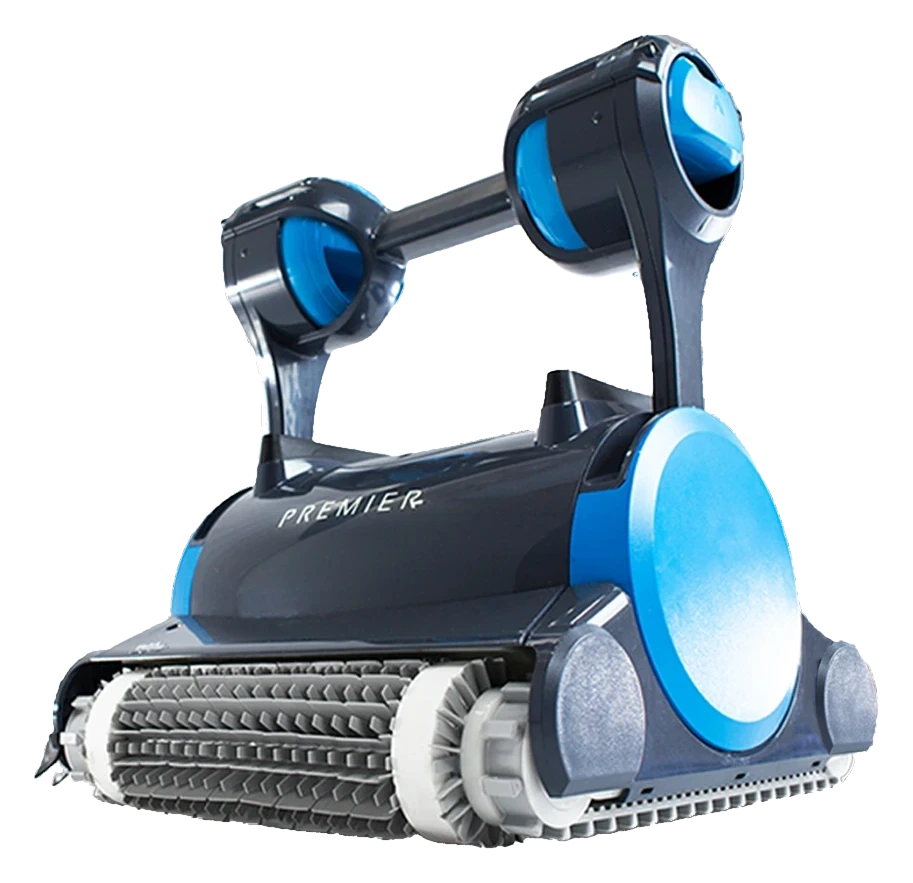
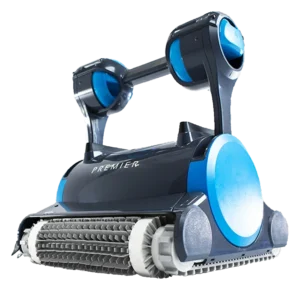 Dolphin Premier
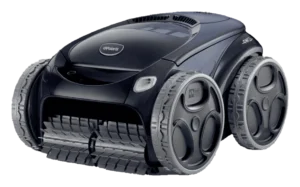 Alpha iQ+
Rough surfaces
What a gunite pool asks of each one
No source opened uses the word gunite. All three list waterline cleaning. A trade write-up names concrete, plaster and tile for the Scuba V3, Polaris lists permanently installed pools, and Maytronics lists in-ground. Brush counts are two, two and an unstated number, at 18.1 to 21 lb.
2brushes
Aiper says dual brushes. A trade write-up calls them dual active brushes. Material not found.
Aiper product page2brushes
Listed as Number of Brushes 2, Brush Type Combine Brush.
Maytronics product pageThe manual says PVC brushes with a wear indicator, replaced at the indicator or every two years. Count not found.
Polaris owner's manual- Horizontal waterline cleaning
JetAssist thrust holds it against the wall for waterline passes.
Aiper product page- Waterline scrubbing
- Floor, walls and waterline
- Bottom, walls and line
Its manual lists bottom, walls and line, with an Easy Lift to the waterline.
Polaris owner's manualConcrete, plaster, tile
From a trade write-up. Aiper's own page names no surface.
Trade write-up on the Scuba V3In ground
Pool classification reads In Ground, shapes listed. No surface material named.
Maytronics product pagePermanently installed
The manual limits it to permanently installed pools. No surface material named.
Polaris owner's manual18.1lb
Aiper product page20.3lb
Maytronics product page21lb
The cleaner alone. The manual gives 42 lb packed.
Polaris owner's manual
Your home
How each one fits a home like yours
Set the conditions that describe your home. Each robot answers from its own Fit Check; nothing is scored until you choose.
Fit check
Describe your home
Pick what applies. Each robot answers from its own record.
Everything else
Where they land among 76 robot pool cleaners
Only the measures on which these three differ. The bar is the whole category; the block is the typical middle half; the tick is the median.
Sources
Where every figure comes from
- Scuba V3 · aiper.com/us product page; Pool Magazine write-up of the Scuba V3
- Dolphin Premier · maytronics.com/en-us product page (2 Oct 2026)
- Alpha iQ+ · Polaris Alpha iQ+ owner's manual (manualslib copy, pages 5 and 19)
Every value was read from the page named on 2 Oct 2026. Not found means the pages listed were opened and give no figure; it never means the robot lacks the feature.
Questions
What readers ask
Does any source name gunite?
No page opened uses the word. Aiper’s own page names no surface, Maytronics lists In Ground, and the Polaris manual covers permanently installed pools.
Which brushes need replacing, and when?
The Polaris manual says PVC brushes are replaced when the rubber wears to the wear indicator, or every two years, whichever comes first. No replacement interval was found for the other two.
Do all three clean the waterline?
Each maker lists waterline cleaning. Aiper words it as horizontal waterline cleaning, Maytronics as waterline scrubbing, and Polaris as bottom, walls and line.
Common questions