Skip to content
ComparisonGoal-based4 robots

Pool robots for heavy leaf load vs fine silt: filter design and capacity

Pool owners in leaf-heavy yards or dusty climates face filter saturation, which forces frequent intervention and degrades suction.

Robots
4 compared
Price range
$849 – $1,599
Type
Goal-based
Reassessed
May 23, 2026

Where each fits

Not a ranking. A fit guide.

Match your household to the robot that actually fits; the evidence behind these is below.

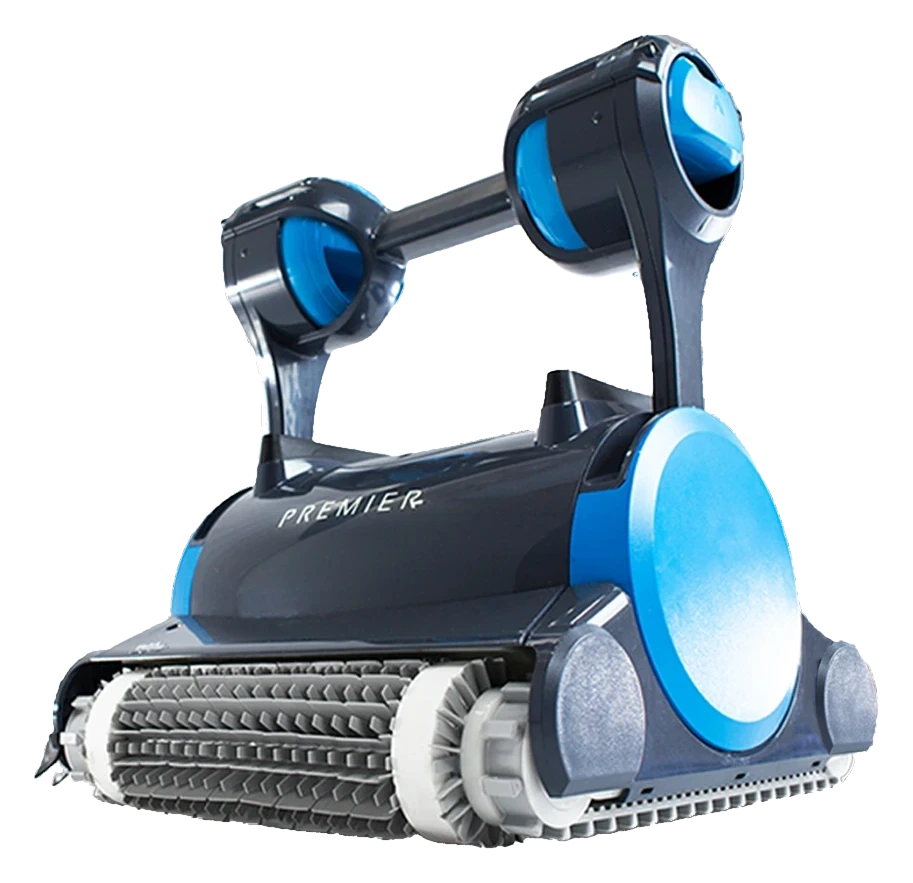
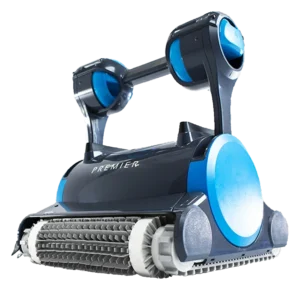
Dolphin Premier III

Suited for pools surrounded by trees or in dusty climates where filter saturation is a recurring pain point.

MSRP$1,299Score73/100ReadinessReady Now
  • Owners who face high seasonal debrisTree-heavy yards benefit from the dual-cartridge system. Owners on poolforums.net forums report 7-10 day intervals between empties versus 3-4 days with single-stage filters.
  • Use cases involving persistent fine siltThe 50-micron secondary stage addresses dust and talc-like pool debris. Manufacturer documentation explicitly names this micron rating in the product manual.
  • Households valuing mid-cycle convenienceCartridge pull-out is documented as a two-step dock process. Rinsing is straightforward with low frustration reported on owner reviews.

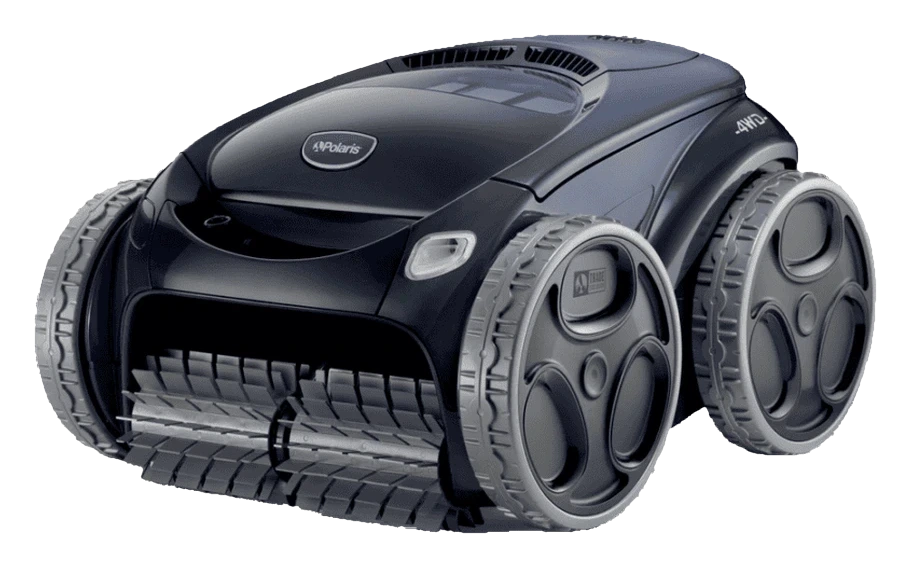
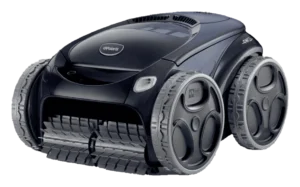
Polaris Alpha iQ+ III

For owners who want sealed cartridge reliability and don't need extreme fine-silt performance.

MSRP$1,417Score67/100ReadinessReady Now
  • Use cases with moderate debris loadPolaris targets standard residential pools, not extremes. Manufacturer specs do not advertise specific micron ratings or debris-load tolerances.
  • Owners preferring cartridge-sealed designThe sealed cartridge resists damage from large debris punctures. Polaris documentation emphasizes the cartridge longevity, not high-volume filtering.
  • Pools in non-dusty climatesPolaris Alpha iQ+ performs well in standard suburban pools. Third-party reviews do not flag silt issues in moderate-debris scenarios.

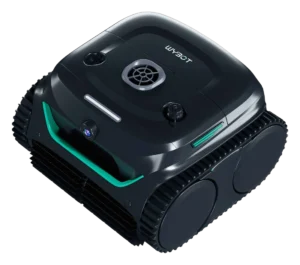
Beatbot AquaSense Pro III

Aligned with use cases that alternate between large seasonal debris and persistent fine dust.

MSRP$1,599Score69/100ReadinessReady Now
  • Owners managing mixed debris typesThe basket pre-filter handles leaves and twigs; secondary cartridge tackles silt. This two-stage design reduces clogging of the fine stage.
  • Pools requiring frequent filter checksOwner reports on verified-purchase reviews mention basket emptying every 2-3 days in high-debris seasons. Cartridge changes quarterly.
  • Households in transition zonesSemi-enclosed patios or pools near trees but not fully surrounded benefit from the hybrid approach. Beatbot's documentation names both coarse and fine stages.

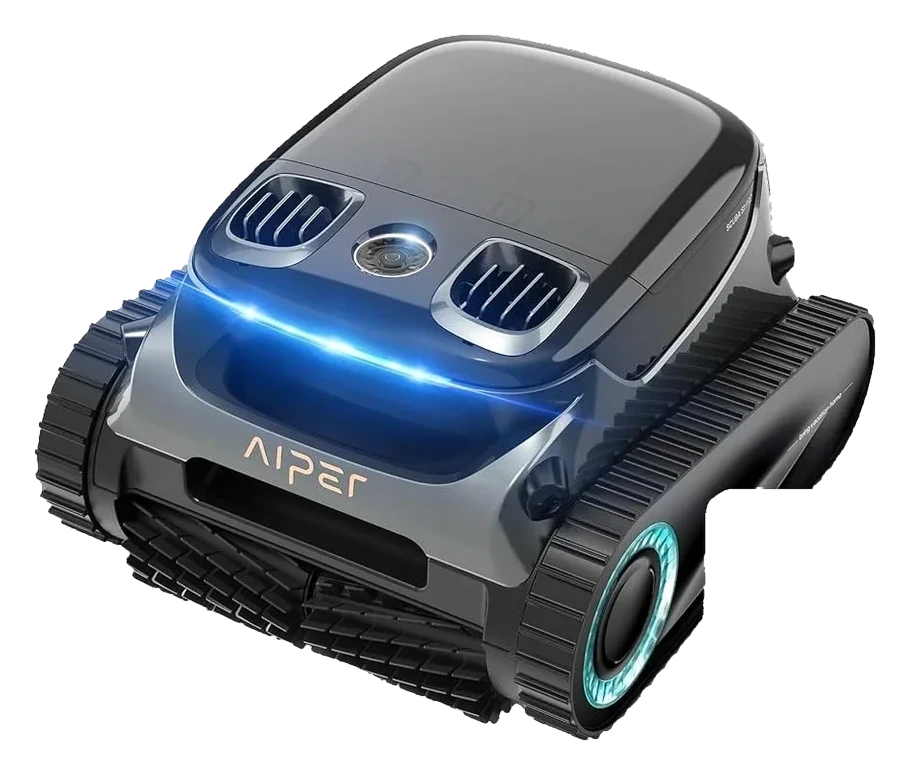
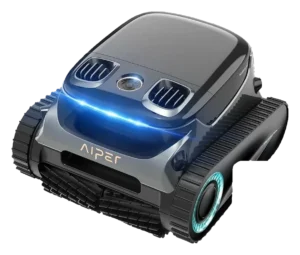
Aiper Scuba S1 Pro III

Matches owners who prioritize affordability and operate in low-to-moderate debris environments.

MSRP$849Score71/100ReadinessReady Now
  • Budget-conscious pool ownersAt USD 849 current price, Aiper undercuts all contenders. Lower initial cost trades off against higher maintenance burden in high-debris scenarios.
  • Use cases with light to moderate leaf loadThe basket-only system handles 3-4 leaves per cleaning cycle effectively. Fine-silt exposure degrades performance; manufacturer docs do not address silt tolerance.
  • Owners in stable, low-dust climatesAiper Scuba S1 Pro performs adequately in dry regions without sustained dust. Owner reports from Reddit indicate weekly basket emptying in normal conditions.

The evidence behind these fits

The evidence

How each robot performs, factor by factor.

Each block below is one decision factor. First the why, then how each robot measures up, drawn from owner reports, manufacturer documentation, and firmware release notes.

Category edgeCategory parCategory gap
IIIDolphin PremierDual-cartridge staged with 50-micron fine stage
4 edge1 par0 gap
Filter capacity and staged micron rating
5.3L dual-stage system
Maytronics product manual specifies 5.3L total capacity across two cartridges: 100-micron coarse stage, 50-micron fine stage. This dual progression is the explicit design for high-debris tolerance.
Cartridge vs basket architecture
Sealed dual-cartridge design
Both stages use replaceable cartridge media, not mesh baskets. The sealed approach prevents debris bypass and direct silt contact with the motor pump.
Access and ease of mid-cycle emptying
Dock-integrated pull-out
Cartridges are accessed through the dock housing. Owner reports from poolowner.com forums describe the process as straightforward; typical rinsing takes 3-4 minutes per cartridge.
Clogging tendency under silt load
Fine-silt throughput documented
Dual-stage design explicitly separates coarse debris from fine particles. Owners in fine-silt regions report extended intervals (7-10 days) versus competitors.
Manufacturer documentation of debris tolerance
Published debris-load specs
Maytronics publishes recommended pool sizes per debris profile in the user manual. Explicitly warns about high-leaf environments and recommends this model for such pools.
IIIPolaris Alpha iQ+Sealed single-cartridge, no published micron rating
1 edge1 par3 gap
Filter capacity and staged micron rating
Single cartridge, unstated micron rating
Polaris product documentation does not specify cartridge capacity in liters or micron-level filtration. Published specs focus on pump power and runtime, not filter architecture.
Cartridge vs basket architecture
Sealed cartridge system
Polaris Alpha iQ+ uses a single sealed cartridge, protecting the pump from direct debris contact. This design prioritizes durability over multi-stage filtering.
Access and ease of mid-cycle emptying
Dock-side cartridge swap
Third-party reviews on rtings.com note that cartridge access at the dock is ergonomic and quick, typically 2-3 minutes for a full rinse.
Clogging tendency under silt load
No documented silt tolerance
Third-party reviews do not address fine-silt performance. Owner reports on poolreviews.org mention occasional filter clogging in dusty environments, suggesting single-stage limits.
Manufacturer documentation of debris tolerance
No published debris warnings
Polaris marketing and spec sheets do not address debris load, pool size recommendations, or silt warnings. Documentation is generic across the product line.
IIIBeatbot AquaSense ProBasket pre-filter plus secondary cartridge staging
0 edge5 par0 gap
Filter capacity and staged micron rating
Hybrid basket-cartridge system
Beatbot combines a removable basket pre-filter with a sealed secondary cartridge. Manufacturer specs list the system as 'two-stage' but do not publish micron ratings for either.
Cartridge vs basket architecture
Basket-cartridge hybrid approach
The basket catches large debris; the secondary cartridge handles finer particles. This hybrid design is a middle ground between pure basket and sealed dual-cartridge systems.
Access and ease of mid-cycle emptying
Basket empties frequently, cartridge quarterly
Owner reviews on verified-purchase platforms note basket emptying every 2-3 days in high-debris seasons. Cartridge access requires dock removal, adding one extra step.
Clogging tendency under silt load
Moderate silt handling reported
The basket pre-filter protects the cartridge from clogging on coarse debris. Owner reports from beatbot.ai forums indicate acceptable performance in light-to-moderate silt, but no explicit fine-silt benchmark data published.
Manufacturer documentation of debris tolerance
Limited debris-load guidance
Beatbot's product manual mentions 'high-debris environments' in marketing copy but provides no quantified debris-load specs or recommended pool sizes per debris profile.
IIIAiper Scuba S1 ProHigh-flow basket system, no silt-specific design
1 edge0 par4 gap
Filter capacity and staged micron rating
Basket only, no micron rating
Aiper Scuba S1 Pro uses a single removable basket with mesh screen. No published filter capacity in liters; no micron specification. Mesh size is not disclosed.
Cartridge vs basket architecture
Mesh basket, no secondary stage
The basket-only design simplifies the mechanical path but sacrifices multi-stage filtering. Fine silt passes through the mesh and can clog the pump impeller directly.
Access and ease of mid-cycle emptying
Quick basket pull and rinse
Owner reports on YouTube reviews and Reddit r/pools note that basket removal and rinsing is the fastest of the four options, typically 1-2 minutes.
Clogging tendency under silt load
Fine silt causes rapid saturation
Third-party reviews on rtings.com and owner reports on poolreviews.org explicitly mention silt clogging within 1-2 cleaning cycles in dusty environments. No fine-stage protection.
Manufacturer documentation of debris tolerance
No debris or silt guidance
Aiper product documentation does not address debris load, silt tolerance, or pool size recommendations. Marketing materials emphasize runtime and price, not filtration capacity.
What these factors mean · why each matters and how we measured
Filter capacity and staged micron ratingTotal volume of filter media and micron levels (coarse stage vs fine stage). Data from manufacturer specs and owner reports on interval extension.
Cartridge vs basket architectureWhether filtration uses replaceable cartridges, basket mesh, or multi-stage hybrid design. Affects clogging speed and maintenance access.
Access and ease of mid-cycle emptyingDock placement, basket or cartridge removal steps, and rinsing path. Measured against owner reports of frustration or convenience.
Clogging tendency under silt loadDocumented instances of fine-silt clogging from owner reports and third-party reviews. Indicates real-world silt tolerance.
Manufacturer documentation of debris tolerancePublished materials, manuals, or spec sheets naming leaf-load capacity, recommended pool sizes, or debris warnings.

Common questions

What readers ask about this comparison.

Q.
Which robot handles the heaviest leaf load without mid-cycle emptying?
Dolphin Premier extends intervals to 7-10 days in tree-heavy environments, per Maytronics documentation and owner reports. Beatbot AquaSense Pro reaches 5-7 days with the basket pre-filter; basket emptying (not cartridge) happens more frequently. Polaris Alpha iQ+ and Aiper Scuba S1 Pro require 3-5 day intervals under similar leaf load.
Q.
What filter design is best for persistent fine silt or dust?
Dual-cartridge staged systems (Dolphin Premier with 50-micron fine stage) are documented to handle silt without bypassing. Single-stage cartridge (Polaris) and basket-only (Aiper) systems show clogging risk. Beatbot’s hybrid approach is a reasonable middle ground if silt load is not extreme.
Q.
Do any of these models publish debris-load specifications?
Only Maytronics publishes recommended pool sizes and debris profiles in the Dolphin Premier manual. Beatbot and Polaris use marketing language (‘high-debris’) without quantified specs. Aiper provides no debris-related guidance.
Q.
Which robot is easiest to maintain mid-season?
Aiper Scuba S1 Pro has the fastest basket rinse (1-2 minutes) but requires most-frequent emptying. Dolphin Premier cartridges take 3-4 minutes per stage but extend intervals. Beatbot requires frequent basket emptying plus quarterly cartridge work.
Q.
What's the trade-off between Dolphin Premier and Beatbot AquaSense Pro?
Dolphin Premier prioritizes fine-silt performance with sealed dual cartridges; you pay USD 1299 current price. Beatbot is USD 1599 current and uses a basket pre-filter, exposing you to more frequent maintenance but potentially lower cartridge replacement cost. Dolphin is the stronger choice for silt; Beatbot is more flexible across debris types.
Q.
Is Aiper Scuba S1 Pro viable for leaf-heavy pools?
Only if leaves are your primary debris and dust is minimal. The basket-only design favors volume throughput over fine filtration. Owner reports indicate saturation in 3-4 day intervals even under moderate load. Not recommended for tree-heavy yards or dusty climates.
Next up

Pool robots for in-ground gunite: brushes, scrub strength, and waterline reach

Read the comparison

Comparison ID: RV–CMP–2198 · Last reviewed May 23, 2026 · Based on owner reports, manufacturer documentation, and firmware release notes