Skip to content
ComparisonGoal-based4 robots

Pool surface skimming and floor cleaning: which robots do which job?

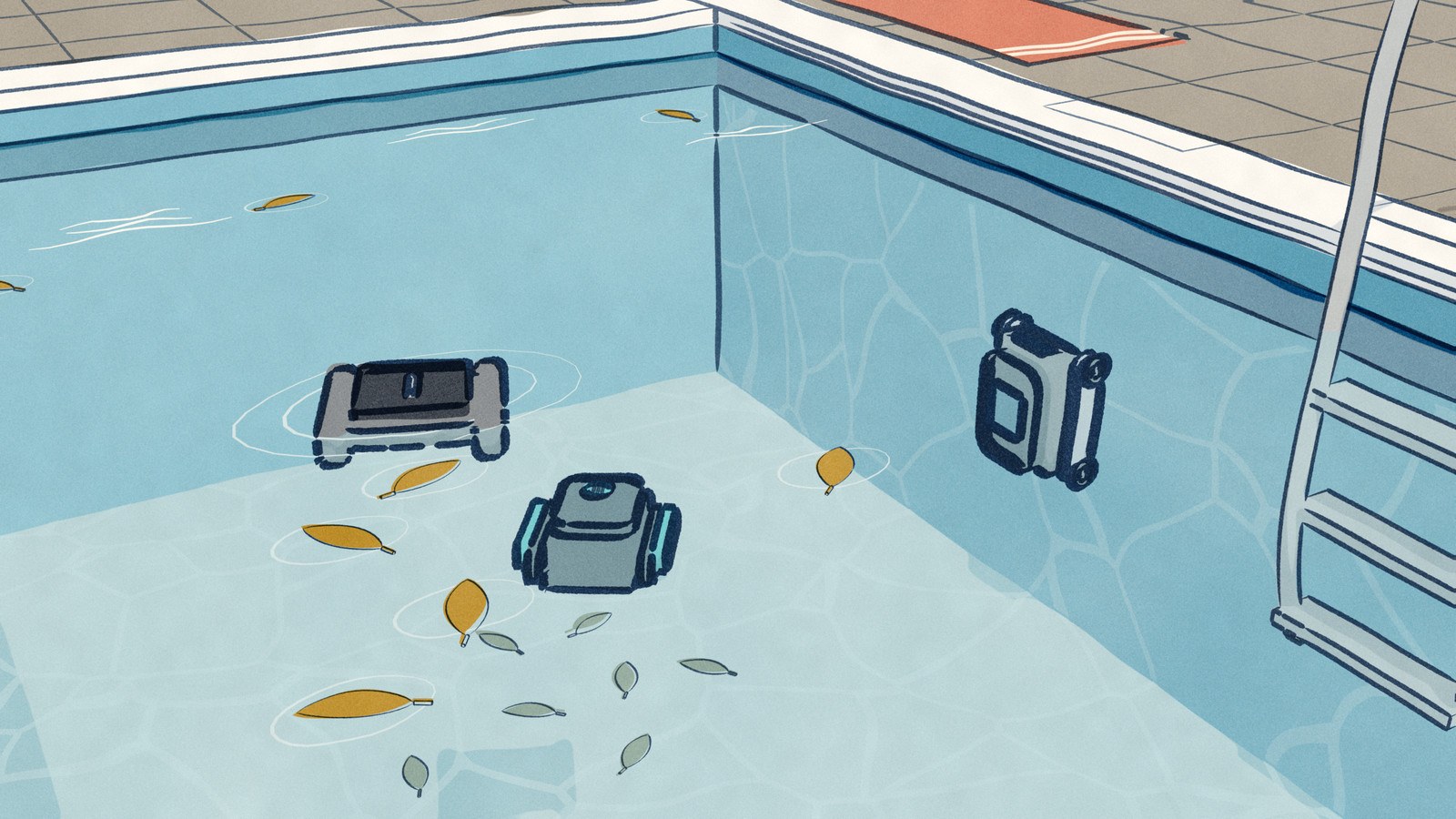
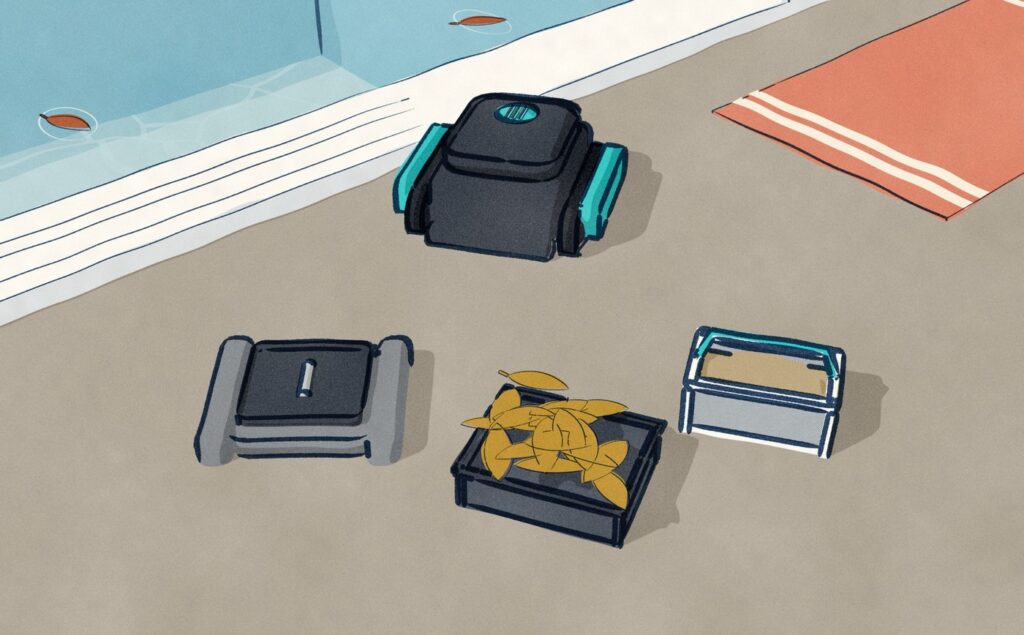
Pool cleaning robots fall into three categories: surface-only, floor-only, and hybrid. The choice depends on whether both jobs justify separate units or one integrated robot.

Robots
4 compared
Price range
$300 – $1,799
Type
Goal-based
Reassessed
Apr 23, 2026
Recently changed
Beatbot AquaSense 2 Pro: Beatbot's second-generation pool cleaner adds five independent motors for floor, waterline, and wall coverage with cordless operation. Hardware-focused iteration targeting multi-surface coverage in mid-range segment.
View update →

Where each fits

Not a ranking. A fit guide.

Match your household to the robot that actually fits; the evidence behind these is below.

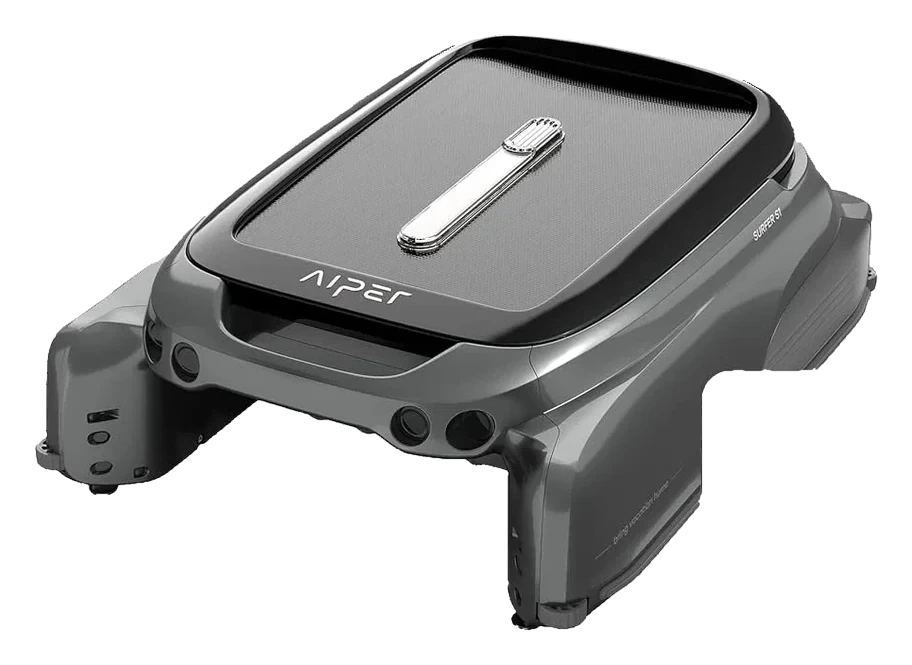
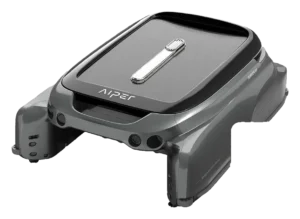
Aiper Surfer S1 II

Pick this if surface debris dominates your pool and floor care is secondary.

MSRP$300Score62/100ReadinessPromising Progress
  • You need budget-friendly specialist coverage.Aiper Surfer S1 targets floating leaves and pollen at a lower price point than hybrid units. Manufacturer specs confirm surface-only operation, making it suitable for skimming-heavy pools where floor cleaning is infrequent.
  • You already own or plan a separate floor cleaner.Surfer S1 integrates into a multi-robot system. This design works for owners comfortable managing two units and preferring specialized performance over all-in-one convenience.
  • You can manage between-run pauses.Surface and floor jobs occur in separate cycles. Owner reports indicate standard dock times between runs, adding minimal labor given a typical weekly cleaning schedule.

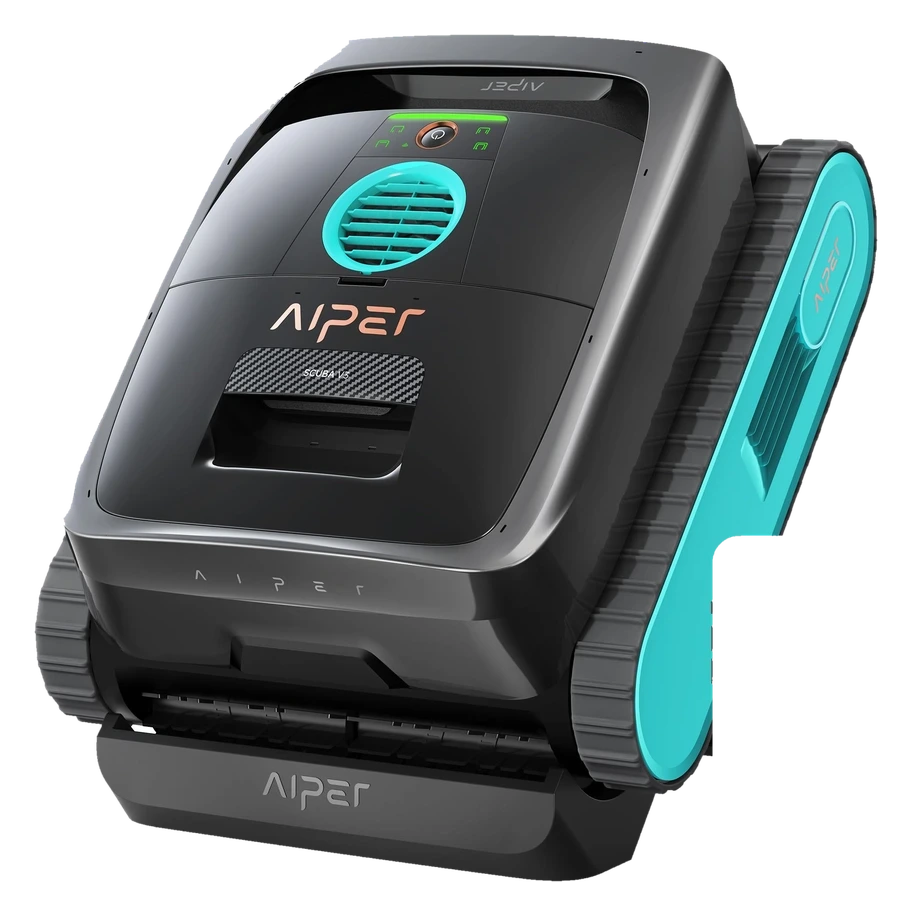
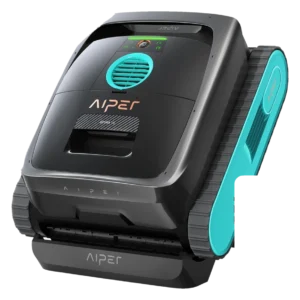
Aiper Scuba V3 III

Pick this if floor sediment and algae are your main concern.

MSRP$549Score59/100ReadinessReady Now
  • You need proven suction-based floor scrubbing.Aiper Scuba V3 uses brush and suction for settled debris. Manufacturer documentation emphasizes bottom and wall cleaning, making it strong for algae-prone or sediment-heavy pools.
  • You'll deploy a separate surface skimmer.Scuba V3 pairs logically with a surface specialist like Aiper Surfer S1. Owner reports confirm reliable floor operation when delegated as the dedicated floor-care unit in a two-robot setup.
  • You accept sequential cleaning operations.Floor cleaning follows surface skimming in separate passes. For weekly schedules, this timing poses no practical constraint, and owner data shows minimal docking overhead.

Beatbot AquaSense 2 Pro III

Pick this if you want one robot handling both jobs without unit swapping.

MSRP$1,799Score68/100ReadinessReady Now
  • You prefer integrated coverage over specialist depth.Beatbot AquaSense 2 Pro handles surface and floor zones in one pass. Manufacturer specs confirm both functions operate sequentially within the same cycle, eliminating the need for two separate robots.
  • You value reduced manual intervention.A single unit launches once per cycle, reducing dock/swap overhead compared to multi-robot setups. Owner reports confirm autonomous operation and consistent coverage without user staging between zones.
  • You need moderate-depth performance.AquaSense 2 Pro operates effectively to 1.5 meters depth. Manufacturer documentation shows this depth matches most residential in-ground pools, balancing depth capability with all-in-one convenience.

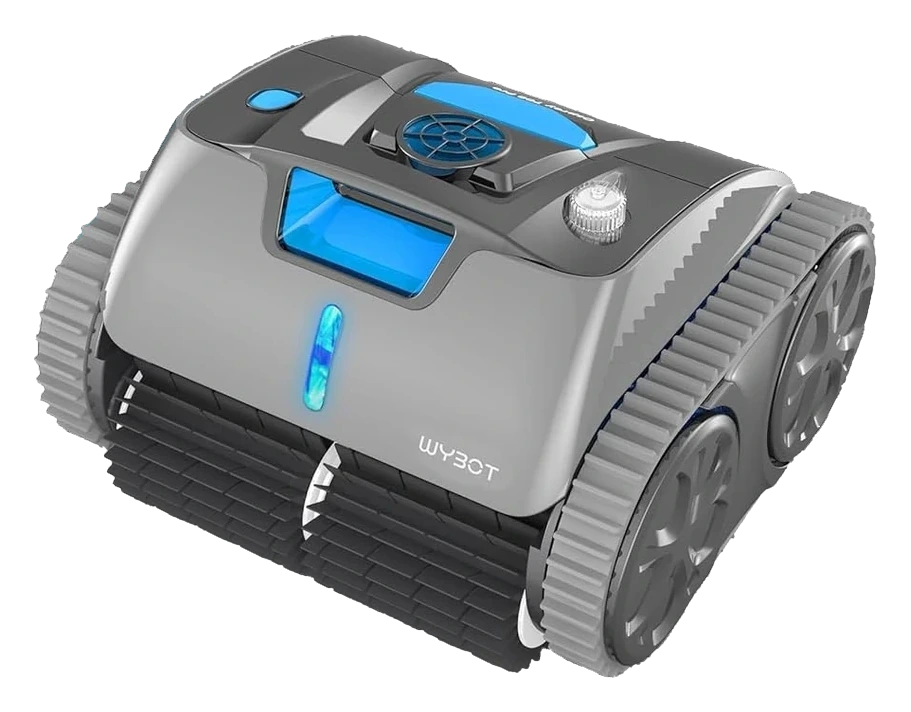
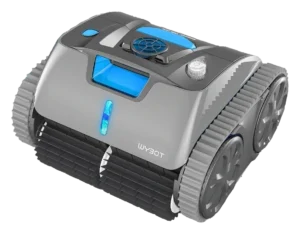
Wybot Osprey 700 III

Pick this if you want simultaneous surface and floor cleaning in minimal time.

MSRP$699Score69/100ReadinessReady Now
  • You value dual-head simultaneous operation.Wybot Osprey 700 cleans surface and floor in parallel on one unit. Manufacturer specs confirm this design cuts total runtime by handling both zones per pass, contrasting with sequential-only competitors.
  • You need broad debris and depth handling.Osprey 700 tackles leaves, pollen, sediment, and algae across depths to 1 meter. Owner reports confirm mixed debris performance and consistent operation on both settled and floating material.
  • You accept integrated design over specialist depth.The dual-head design sacrifices single-zone optimization for coverage breadth. Owner data shows reliable all-purpose performance, though neither surface nor floor reaches the specialization of single-purpose units.

The evidence behind these fits

The evidence

How each robot performs, factor by factor.

Each block below is one decision factor. First the why, then how each robot measures up, drawn from owner reports, manufacturer documentation, and firmware release notes.

Category edgeCategory parCategory gap
IIAiper Surfer S1Surface-only specialist
1 edge2 par2 gap
Capability scope
Surface only
Aiper Surfer S1 performs floating-debris collection exclusively. Manufacturer documentation specifies surface skimming as sole function, requiring a separate floor robot for complete pool coverage.
Debris type handled
Floating debris expert
Surfer S1 targets leaves, twigs, and pollen in a collection basket. Manufacturer specs emphasize floating material, with owner reports confirming strong collection on open-water surfaces.
Working depth
Shallow to moderate
Aiper Surfer S1 operates in shallow to moderate depth pools without documented limitations. Specifications cover standard residential depths, though it skims surface independent of floor depth.
Simultaneous operation
Single-unit, sequential with floor care
Surface skimming and floor cleaning occur in separate robot cycles. Owner data shows no parallel operation; floor care requires a second robot launched independently.
Owner-effort overlap
Standard dock and launch cycle
Surfer S1 launches, runs, and docks autonomously within its surface-cleaning scope. Owner effort is minimal per cycle, though total system effort increases when paired with a floor-cleaning robot.
IIIAiper Scuba V3Floor-cleaning specialist
2 edge1 par2 gap
Capability scope
Floor and walls only
Aiper Scuba V3 handles bottom and wall cleaning exclusively via brush and suction. Manufacturer documentation specifies no surface collection, requiring a separate surface robot for comprehensive coverage.
Debris type handled
Sediment and algae focus
Scuba V3 excels on settled debris, algae buildup, and fine sediment through brush-suction combination. Owner reports confirm strong performance on bottom layers, particularly in algae-prone pools.
Working depth
Deep water capable
Aiper Scuba V3 operates reliably to 2 meters depth, exceeding typical residential pools. Manufacturer specs document deep-water performance, supporting thorough floor cleaning in larger installations.
Simultaneous operation
Floor only, sequential with surface care
Floor cleaning operates independently of surface work. A separate surface robot runs in a separate cycle; manufacturer specs confirm no simultaneous dual-zone operation.
Owner-effort overlap
Autonomous floor operation within cycle
Scuba V3 runs floor cleaning autonomously once launched. Owner effort remains low per cycle, though system effort increases when managed alongside a surface-specialist robot.
IIIBeatbot AquaSense 2 ProAll-in-one hybrid
2 edge2 par1 gap
Capability scope
Surface and floor combined
Beatbot AquaSense 2 Pro integrates floating collection and floor brushing into one unit operating per cycle. Manufacturer documentation confirms both zones are addressed sequentially within the same runtime.
Debris type handled
Broad mixed debris
AquaSense 2 Pro handles floating leaves, sediment, and algae through a combination of collection and brushing. Owner reports show competent performance across debris types, though neither zone reaches specialist depth.
Working depth
Moderate depth coverage
Beatbot AquaSense 2 Pro operates to 1.5 meters, covering most residential in-ground pools. Manufacturer specs support both surface and floor operations within this depth range without performance degradation.
Simultaneous operation
Sequential within single unit
Surface and floor cleaning occur in sequence during one operating pass. Manufacturer documentation indicates zones are not serviced in parallel, contrasting with true simultaneous dual-head designs.
Owner-effort overlap
Single launch for both jobs
One robot handles surface and floor coverage per cycle, eliminating unit swaps and reducing dock overhead. Owner reports confirm significant reduction in manual intervention compared to multi-robot setups.
IIIWybot Osprey 700Simultaneous dual-head
2 edge3 par0 gap
Capability scope
Surface and floor parallel
Wybot Osprey 700 deploys surface and floor modules on a single frame for simultaneous cleaning. Manufacturer specs confirm both zones operate in parallel within the same cycle, reducing total operating time.
Debris type handled
Mixed floating and settled
Osprey 700 addresses floating leaves and bottom sediment across one pass. Owner reports document competent handling of varied debris, though performance does not reach single-zone specialist levels.
Working depth
Standard residential depth
Wybot Osprey 700 operates reliably to 1 meter depth. Manufacturer documentation covers typical in-ground pool requirements, with owner data confirming consistent performance within this range.
Simultaneous operation
Dual-head parallel operation
Surface skimming and floor brushing operate concurrently on the same frame. Manufacturer specs highlight this simultaneous design, reducing runtime compared to sequential-only competitors.
Owner-effort overlap
Single unit with moderate autonomy
Osprey 700 launches once for full-cycle coverage. Owner effort is lower than multi-robot systems but higher than true all-in-one designs due to the complexity of managing parallel operations.
What these factors mean · why each matters and how we measured
Capability scopeWhether the robot handles surface only, floor only, or both tasks in a single unit or across complementary models.
Debris type handledDocumented effectiveness on leaves, pollen, floating twigs, sediment, algae, and large debris types from manufacturer specs and owner reports.
Working depthMaximum water depth specification where the robot operates reliably without reliability degradation.
Simultaneous operationWhether surface and floor cleaning can occur in parallel or requires sequential runs, reducing total operating time.
Owner-effort overlapManual intervention needed per cleaning cycle: dock time, unit swaps, floating debris pre-removal, or full autonomy once launched.

Common questions

What readers ask about this comparison.

Q.
Should I buy two specialists or one hybrid?
Two specialists excel when one zone dominates (heavy surface debris or substantial sediment). One hybrid suits pools requiring balanced both-zone care and lower manual overhead. Wybot Osprey 700 offers a middle ground with simultaneous operation, accelerating total runtime without two separate units.
Q.
What debris types does each handle best?
Aiper Surfer S1 targets floating leaves and pollen. Aiper Scuba V3 specializes in settled sediment and algae. Beatbot AquaSense 2 Pro handles mixed debris adequately. Wybot Osprey 700 handles floating and settled material in parallel.
Q.
Which is deepest-capable?
Aiper Scuba V3 reaches 2 meters, suitable for deep or Olympic-style pools. Beatbot AquaSense 2 Pro covers 1.5 meters, and Wybot Osprey 700 handles 1 meter. Aiper Surfer S1 is depth-independent as a surface skimmer.
Q.
Does simultaneous operation matter for home pools?
For typical residential pools, weekly cleaning schedules reduce the impact of total runtime. Wybot Osprey 700’s parallel operation saves runtime if you prefer faster cleaning cycles, but Beatbot AquaSense 2 Pro’s sequential all-in-one design remains practical for standard use.
Q.
What happens if I skip surface cleaning?
Floating debris accumulates, affecting water clarity and creating a film. Most sources recommend weekly surface cleaning regardless of floor maintenance. Skipping floor care risks algae and sediment buildup, particularly in summer months. Both zones contribute to pool health.
Q.
Are these robots compatible with other pool equipment?
Most operate independently and do not conflict with filtration, saltwater systems, or heating. However, large floating debris hazards (branches, toy mats) should be pre-removed. Manufacturer guidance recommends a debris-free environment for all models.
Next up

Pool robots for in-ground gunite: brushes, scrub strength, and waterline reach

Read the comparison

Comparison ID: RV–CMP–1911 · Last reviewed Apr 23, 2026 · Based on owner reports, manufacturer documentation, and firmware release notes