How do robot window cleaners stay on the glass without falling?
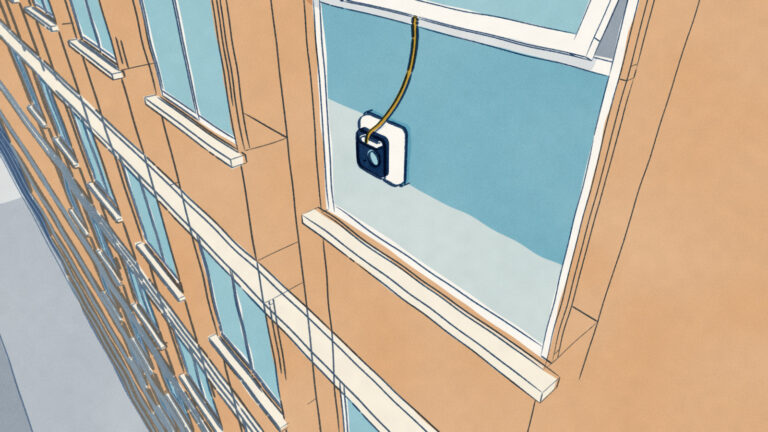
A window robot clings to a vertical pane with nothing beneath it, and on frameless glass there is no wall to tell it where the pane stops.
On this page3 sections
One reviewer tested the Ecovacs Winbot W2 Omni on the walls of a glass conference room, where the panes ran from floor to ceiling. There were, he wrote, “small gaps between the panes, which caused the Winbot to lose suction.” The robot stopped moving and showed an error code about ten feet off the ground. “To its credit, the unit didn’t fall,” he added.
Before a window robot cleans anything, it has two jobs. It has to hold itself against a vertical sheet of glass, and it has to know where the glass stops. So how does a machine with nothing beneath it manage both?
A robot vacuum meets the second problem at the top of a staircase and watches for it with downward-facing cliff sensors. On a frameless pane, a shower screen or a glass balustrade, the drop lies on every side and sits flush with the surface the robot is standing on.
Your own glass sets how hard those two jobs are. A frameless screen hides its edge, a gap between divided panes breaks the seal, and textured glass lets air in. So a robot that finishes one home’s windows can stall halfway up another’s.
Holding on with a fan
Every machine here holds on the same way. A fan or pump inside the body draws air out from between the robot and the glass, and a soft seal around the underside slows outside air from leaking back in.
Outside air then pushes harder than the thin air underneath, and that difference presses the machine to the pane firmly enough for its wheels, treads or pads to climb. Think of a suction cup that never stops pulling. On the HOBOT-2S, the pull comes from a high-volume centrifugal pump.
How hard is that grip? The makers answer in units that do not line up. The W2 Omni is rated at 5,500 Pa, a pressure difference. The 2S is rated at a suction force of 6.0 kg, a pull that depends on both the pressure difference and how much glass the seal covers.
Mamibot rates its iGLASSBOT W168 at 2 to 3 kPa. You can set the pascal figures side by side, but the kilogram figure won’t convert into them unless you know the area of the seal.
The headline number is a peak. The newer Winbot W2S Omni is rated at 8,000 Pa maximum and 3,000 ±100 Pa while moving, so it crosses the glass on about three-eighths of its best grip.
Moving is also when the grip is weakest. As a hands-on review of the W2 Omni put it: “Passing over any breaks or design elements could dislodge its attachment.” Anything that lets air slip under the seal eats into the margin.
Pumps are built with some headroom for that. The HOBOT-388 is meant to “overcome small air leakages and move well on rough surfaces.” But headroom has limits, and the conference-room tester named the surfaces that found them.
Interior grilles, gaps in panes, and textured glass all throw a sizeable wrench in Winbot’s operation.
Finding an edge that has no frame
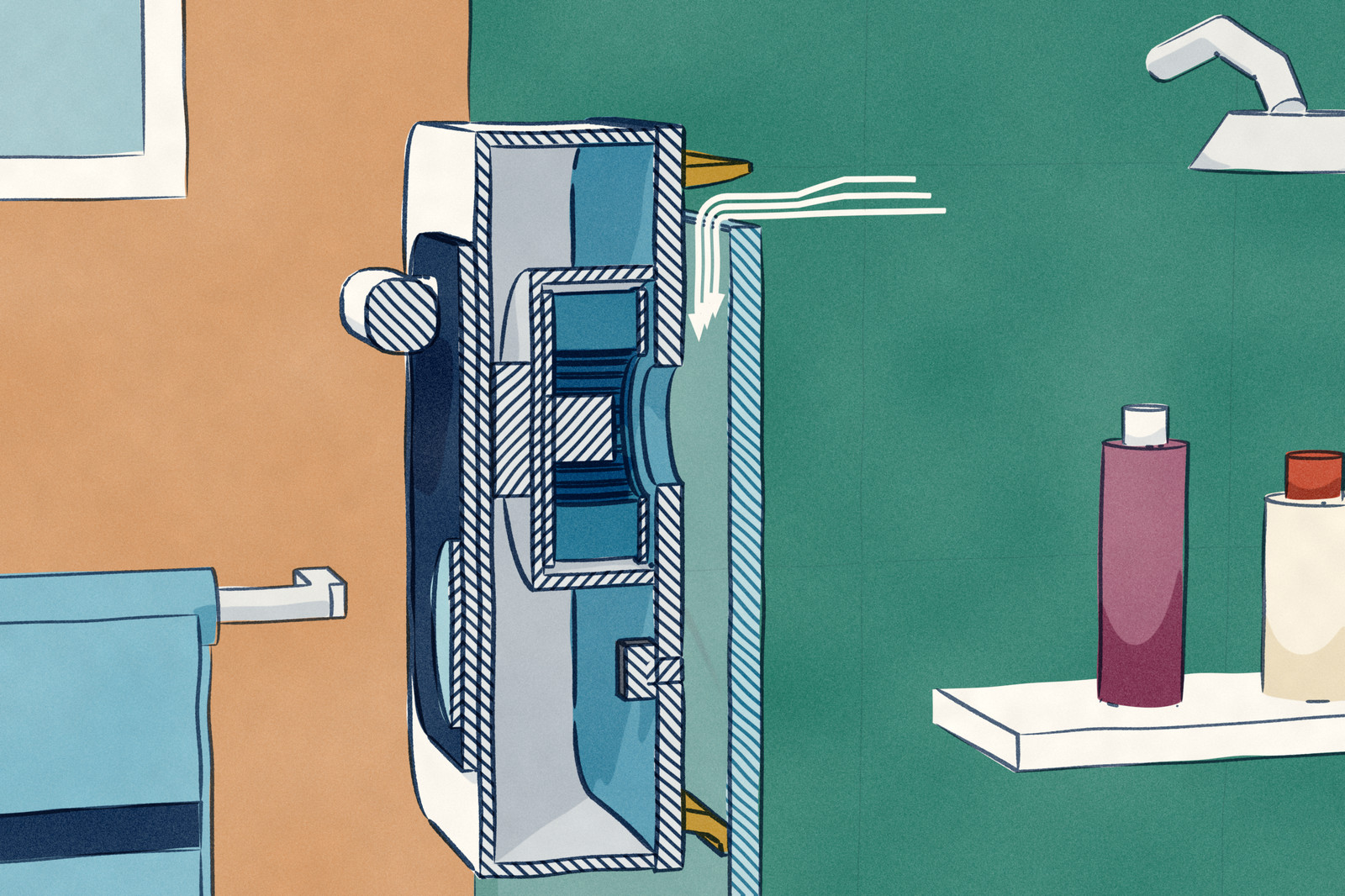
A framed window gives the robot a wall to run into. Frameless glass gives it nothing, yet the second reviewer watched the W2 Omni work a frameless shower screen: “Despite having no edges to bump into, it never ran off the side or top.” He credited its optocoupler sensor.
There are two ways to find a frameless edge: with light, or with the same air pressure that holds the robot on. The W2 Omni takes the light route. Its light sensor is rated to react to an edge in 0.2 seconds, and a gravity acceleration sensor keeps track of the machine’s balance.
An optocoupler pairs a tiny light with a detector, and when the light reaching the detector changes, the glass has ended. The acceleration sensor feels which way is down, and any sudden slip. The W2 Omni also counts “auto air pressure compensation” among its eight hardware fall protections.
HOBOT and Mamibot read the edge from the suction. When the lip of the seal slides past the edge of a frameless pane, outside air leaks in beneath it and the pressure under the robot drops.
The 2S has an edge-leakage sensor that watches for exactly that leak, whether it comes from the rim of a frameless pane or the seal lifting slightly. The 388 is built to “automatically reverse when there’s a big pressure change,” and Mamibot’s W168 backs away from a frameless edge using pressure sensors.
So one system is asked to do two opposed things. The pump is built to ride out small leaks, while the sensor has to treat a leak at the edge as the signal to turn around. HOBOT separates the two by size alone: a small leak is tolerated, and a big one means reverse.
Suction and edge sensing, as each maker describes them
| Robot | Suction figure given by the maker | How it detects a frameless edge |
|---|---|---|
| Ecovacs Winbot W2 Omni | 5,500 Pa | Optocoupler sensor and gravity acceleration sensor |
| Ecovacs Winbot W2S Omni | 8,000 Pa maximum, 3,000 ±100 Pa while moving | Optocoupler sensor |
| HOBOT-2S | 6.0 kg suction force | Edge-leakage sensor |
| HOBOT-388 | Not given on its feature page | Pressure change detection module |
| Mamibot iGLASSBOT W168 | 2-3 kPa | Pressure detection sensors |
Where one pane ends and the next begins
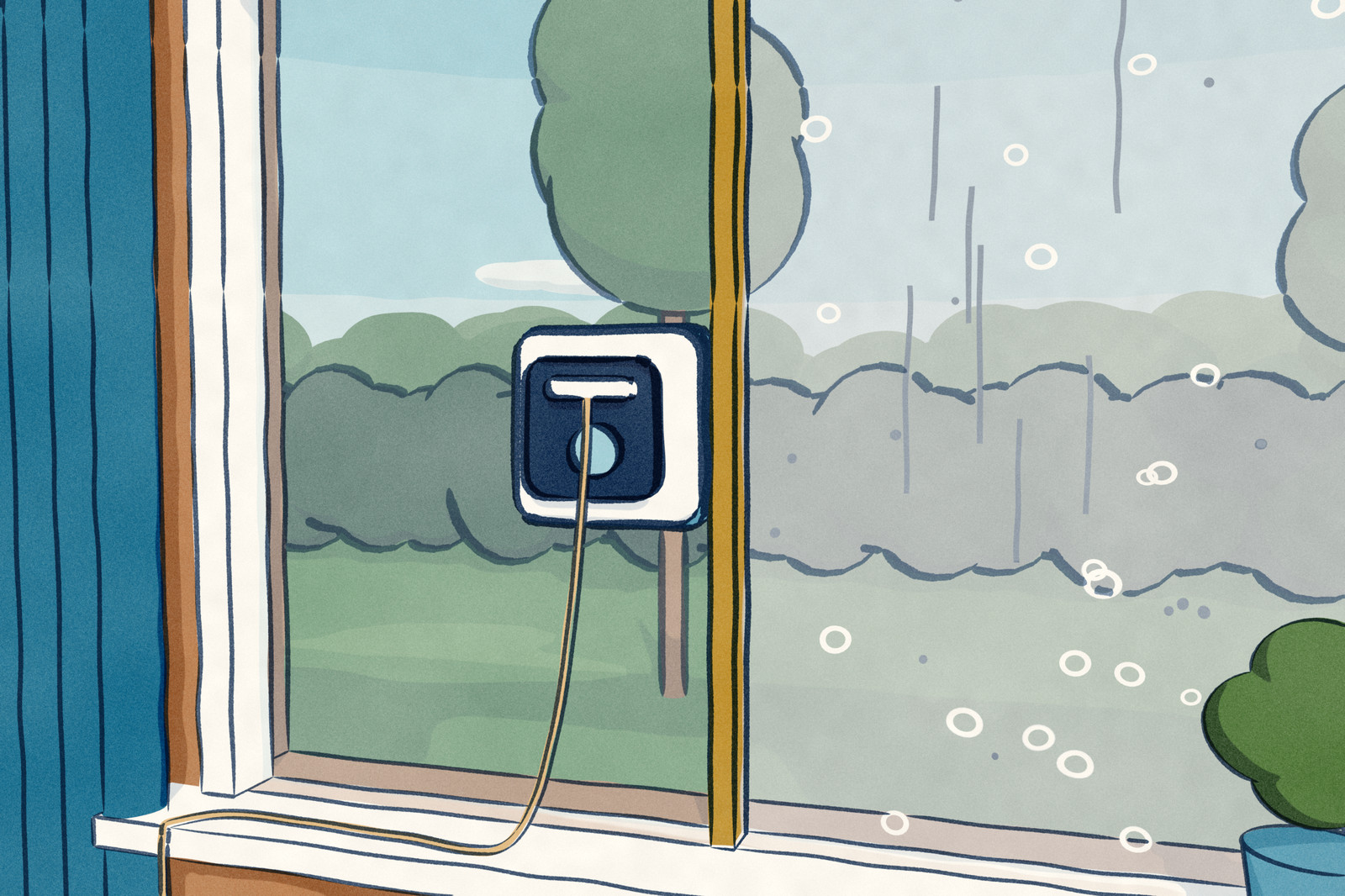
Edge sensing keeps a robot inside the pane you put it on, and the job ends there. The 2S, for one, works in zigzags, first across the glass and then up and down.
When a cycle ends, the conference-room tester found, the W2 Omni “returns to the original spot where you adhered it and remains there.” Moving to the next pane is your job: take the robot off, carry it past the frame or mullion, and press the suction button again on fresh glass.
Divided glass works against both jobs. A raised bar between panes behaves like a frame and turns the robot around. A flush seam or a narrow gap between two sheets lets air under the seal while the robot is crossing it.
Waiting costs power, too. Parked at its start point, the W2 Omni “burns through its battery while idling so you can’t leave it to wash your windows while you’re away at work,” the same tester wrote. Someone has to stay nearby to move it on.
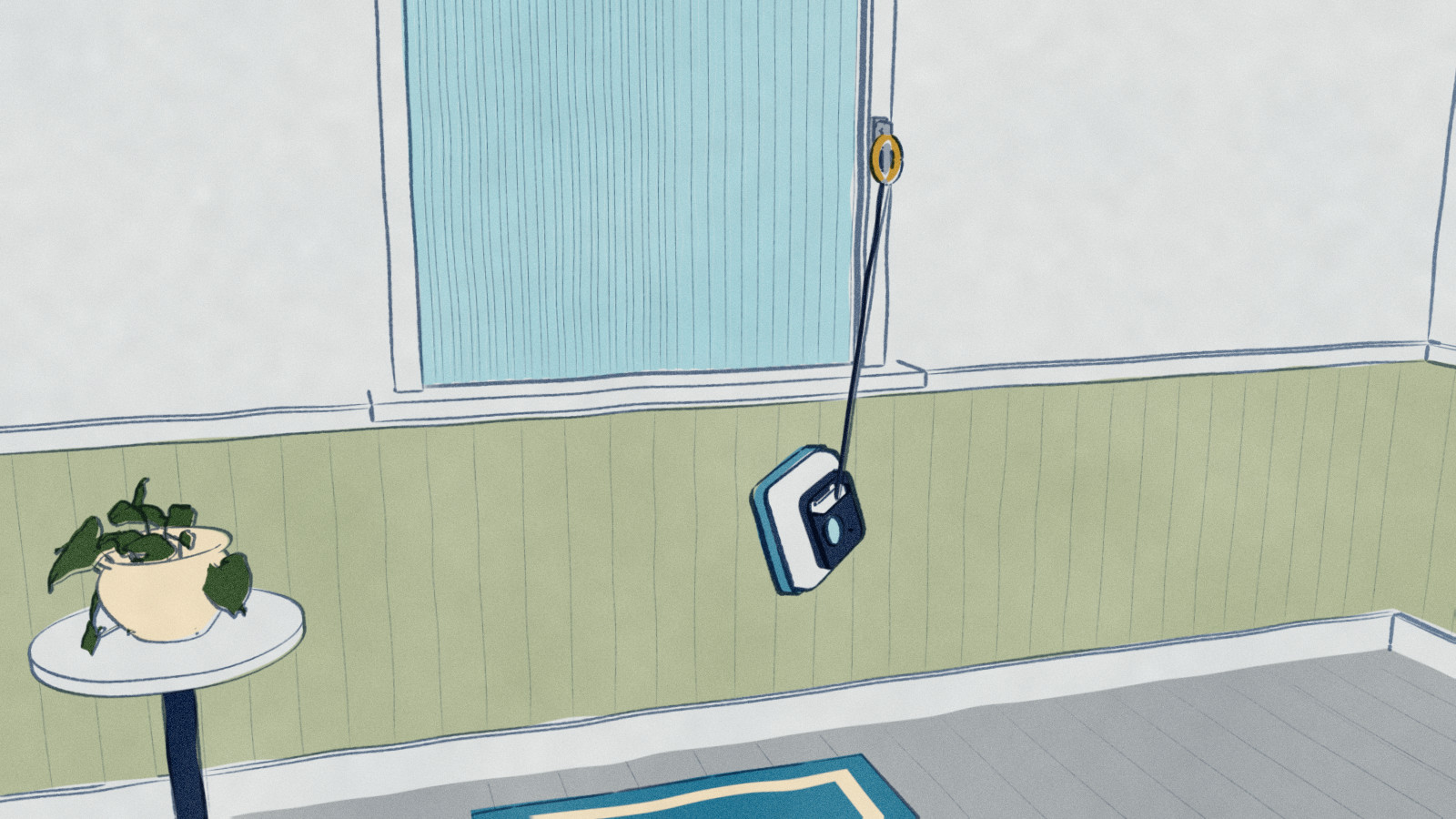
So a window robot stays up by keeping the air under it thinner than the air outside. It stays on the pane by noticing, through light or that same thin air, when the glass runs out. If the grip fails anyway, a safety rope and backup power are the last line.
Back in that conference room, the Winbot stopped ten feet up at a gap between two panes and held on. That seam falls between the small leak a pump rides out and the big change that sends it into reverse, and no maker here puts a width on it. On divided windows, that width decides whether your robot crosses or waits for you.